
One of the basic principles of Traditional Chinese Medicine is to live in harmony with the seasons. This means adapting not only your lifestyle to climate changes but also your diet. So in each season, our plate should be made up of foods carefully selected according to their colour, nature and flavour.
Which foods should you favour in spring? What does Chinese dietetics advise?
Spring in TCM

This year, spring began on 4 February and will end on 16 April. During this season, Yang energy, associated in particular with light and warmth, gradually increases, while Yin energy, associated with cold and darkness, decreases.
In TCM, each season is associated with an organ, an emotion, an element and a colour: in spring, these are the Liver, anger, Wood and green.
What diet should you adopt?
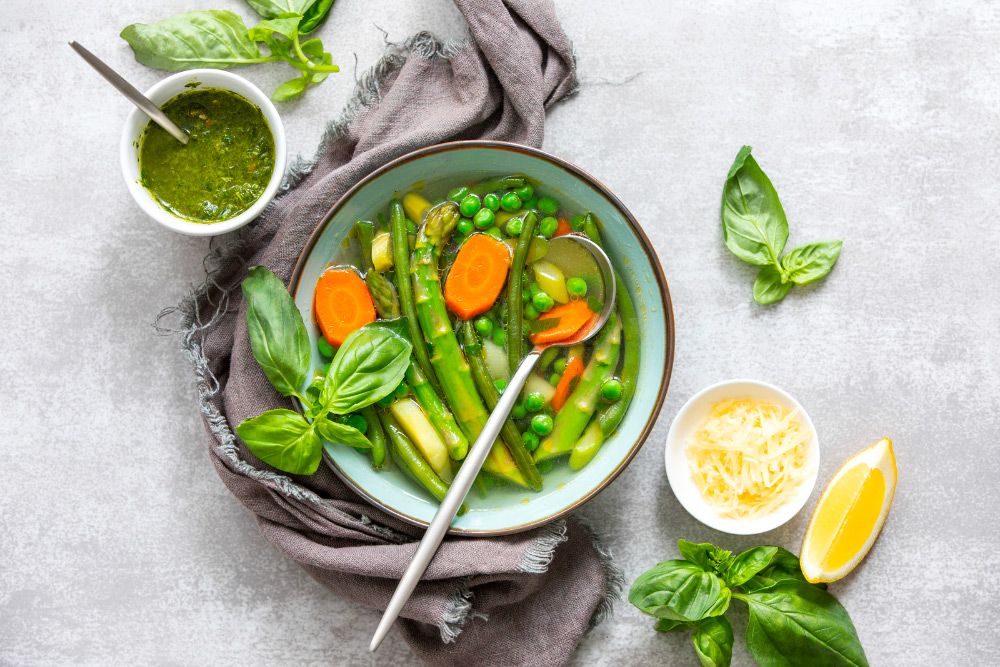
In spring, Chinese dietetics advises eating foods with a sour flavour (tomato, mandarin, apple…), as this flavour has an affinity with the Liver, and also foods with a sweet flavour (cucumber, spinach, lettuce...), as it promotes the circulation of Liver Qi.
As for the nature of foods, choose foods of a neutral to warm nature at the beginning of spring (egg yolk…), then, once the warmth is more present, foods of a cool nature (mint, duck, celery…).
The most suitable cooking method for this season is stir-frying in oil.
As green is the colour of spring and of Wood energy, it is highly recommended to fill your plate with green foods, such as lettuce or asparagus.
Focus on 3 foods energetically suited to the season
Lettuce (Wo ju)
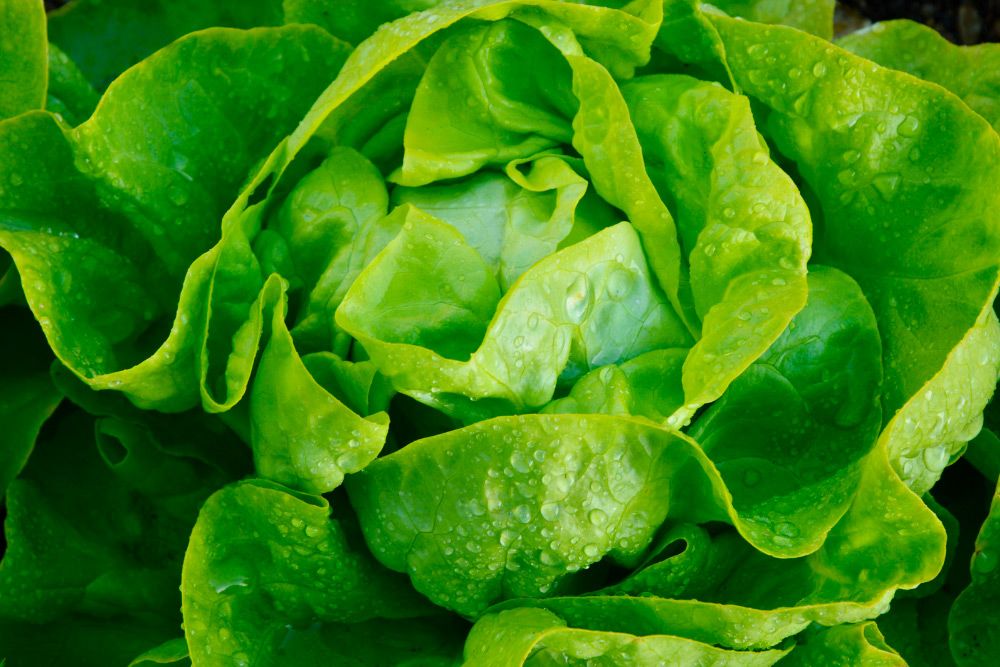
Lettuce, a generic term covering various salad leaves (romaine, batavia, frisée…), is often recommended for people with blood sugar and weight problems.
Nutritional value per 100 g
Lettuce contains a lot of water (around 95%), few carbohydrates (1.33 g) and very little fat (0.20 g). It is one of the lowest-calorie foods: 14.70 kcal compared with 40.20 for carrots, for example. It has a high vitamin content (A, B9 and K1) and is a great source of minerals (potassium, calcium, selenium and phosphorus).1
Energetic benefits
Cool in nature, with a bitter and sweet flavour, lettuce not only benefits Liver energy but also clears Heat and promotes urination. It also helps strengthen the bones and joints and eliminate toxins. It acts mainly on the Large Intestine and Stomach meridians.
How to prepare it
Lettuce can be eaten raw, blanched, stir-fried or in soup. However, stir-fried with a dash of olive oil or blanched in boiling water, it becomes easier to digest.
Duck meat (Ya rou)
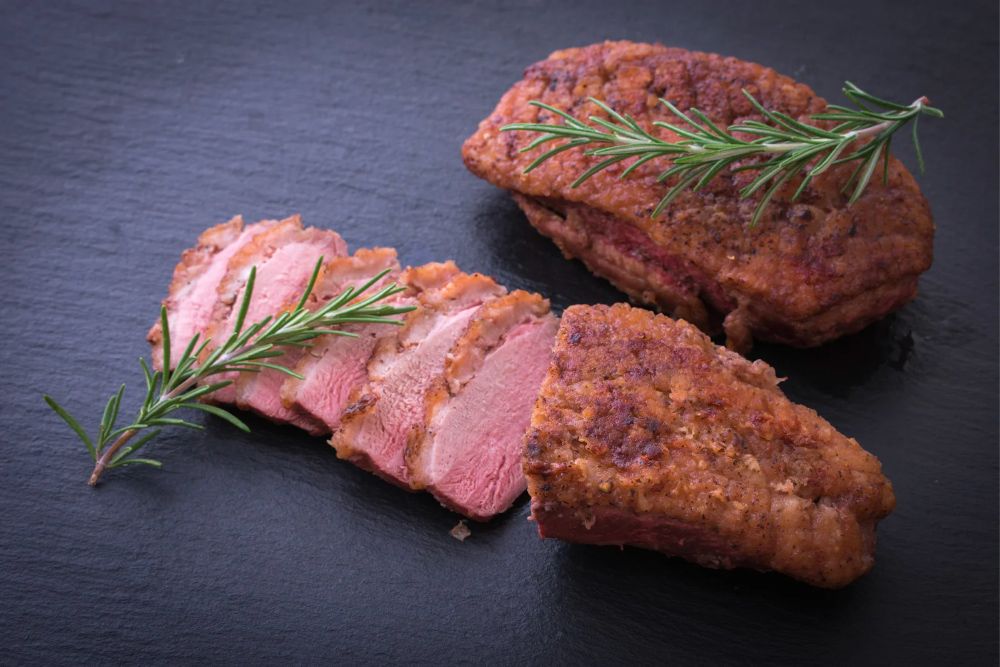
Ducks are thought to have first been domesticated in China more than 2,000 years BC. In Chinese dietetics, duck meat is recommended in the diet of people with lung and blood sugar problems.
Nutritional value per 100 g
Duck is a fairly lean meat. Duck tenders and fillet are the leanest cuts; conversely, duck confit is fattier. Its fat contains 33.2 g of saturated fatty acids, 49.3 g of monounsaturated fatty acids (omega-9) and 12.9 g of polyunsaturated fatty acids2. So it provides plenty of monounsaturated fatty acids, which help prevent an increase in the level of "bad fat" in the blood3. Duck meat also contains a large amount of protein (25 g) and is particularly rich in iron, zinc, selenium and B vitamins.4
Energetic benefits
Cool in nature, with a sweet and salty flavour, duck meat supports Liver energy, nourishes the Yin of the Stomach, Lung and Kidney and promotes urination. The meat of an older duck, preferably nice and fatty, tonifies Qi and Spleen Yang and promotes urination. It acts mainly on the Lung, Spleen, Stomach and Kidney meridians.
How to prepare it
It can be eaten roasted, grilled, stir-fried, steamed or in porridge. The last two methods are better suited to nourishing Yin and promoting diuresis. In spring, however, stir-frying in oil is preferable.
Mandarin (Ju Zi)
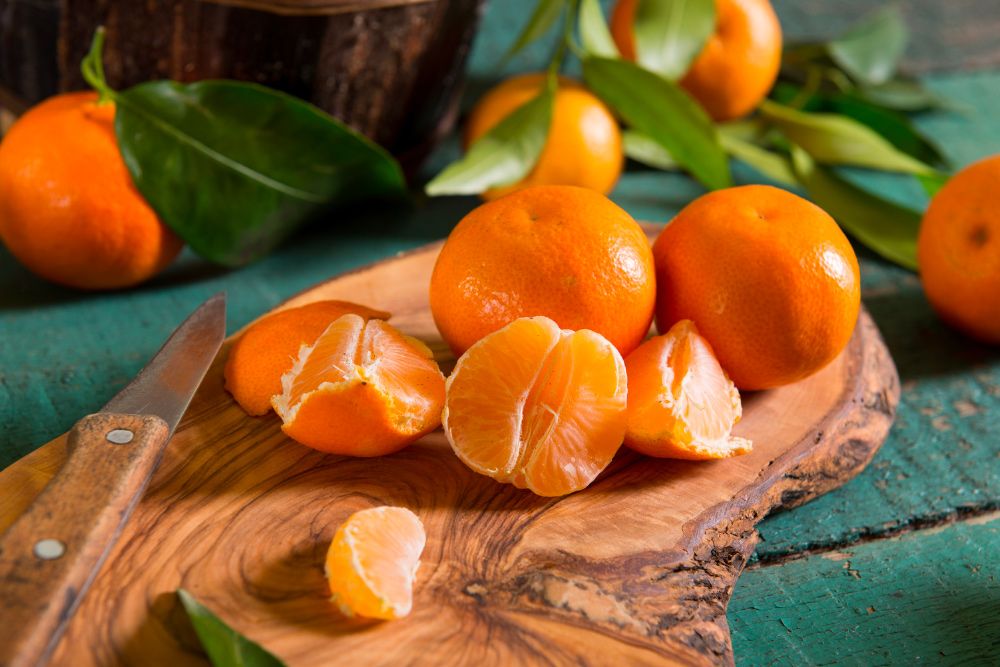
The mandarin, native to South-East Asia, has been grown in China for 3,000 years. Its name comes from the word "mandarin", which referred to the high officials of the imperial Chinese state. There are no fewer than 400 varieties of mandarin.
Nutritional value per 100 g
Mandarins contain around 87% water, which makes them hydrating and thirst-quenching. They contain a lot of carbohydrates (9.17 g) and very little fat (less than 0.5 g) and protein (0.81 g). In terms of vitamins, they are rich in vitamin C but also contain a notable amount of vitamin B9.5
Energetic benefits
Cool in nature, with a sweet and sour flavour, the mandarin (beneficial to Liver energy) regulates Qi and generates Fluids. It acts mainly on the Lung and Stomach meridians.
Its peel and pips also have therapeutic properties:
- Its peel (Chen pi), pungent and bitter in flavour and warm in nature, eliminates food stagnation and lowers Stomach Qi, which allows it to act on digestive difficulties with pain, bloating, nausea and vomiting.
- Its pips, bitter in flavour and neutral in nature, regulate Qi and disperse hardenings.
How to prepare it
It can be eaten raw or as juice, and its peel and pips as a decoction. Mandarin juice contains almost all the nutrients of the fruit (except fibre), although the amount of vitamins is lower.
Now discover three recipes that showcase these foods.
A special spring menu idea
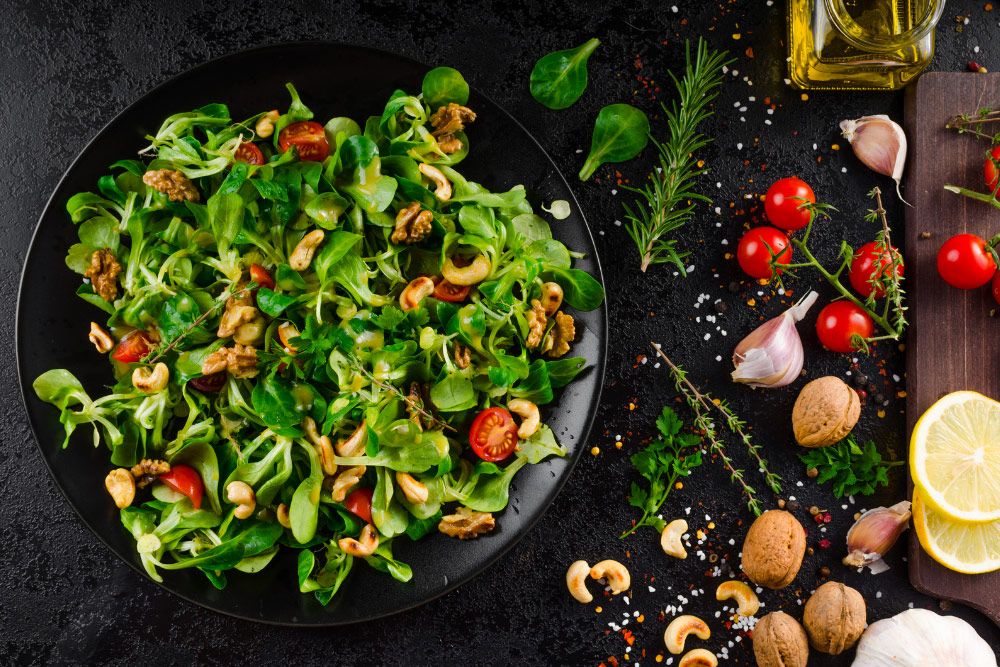
Starter: romaine lettuce stir-fried in olive oil
Ingredients
- 1 tablespoon olive oil
- 1 onion
- 1 clove of garlic
- 1 romaine lettuce
- 1 teaspoon sesame oil
Method
Heat the olive oil in a frying pan. Add the chopped onion and garlic and fry until golden. Meanwhile, wash the lettuce without separating the leaves from the stalk. Cut the lettuce into pieces and add it to the pan. Cover for about 2 minutes until it wilts a little. Add the sesame oil for extra flavour.
You can add button mushrooms, cucumber or tomatoes to your salad.
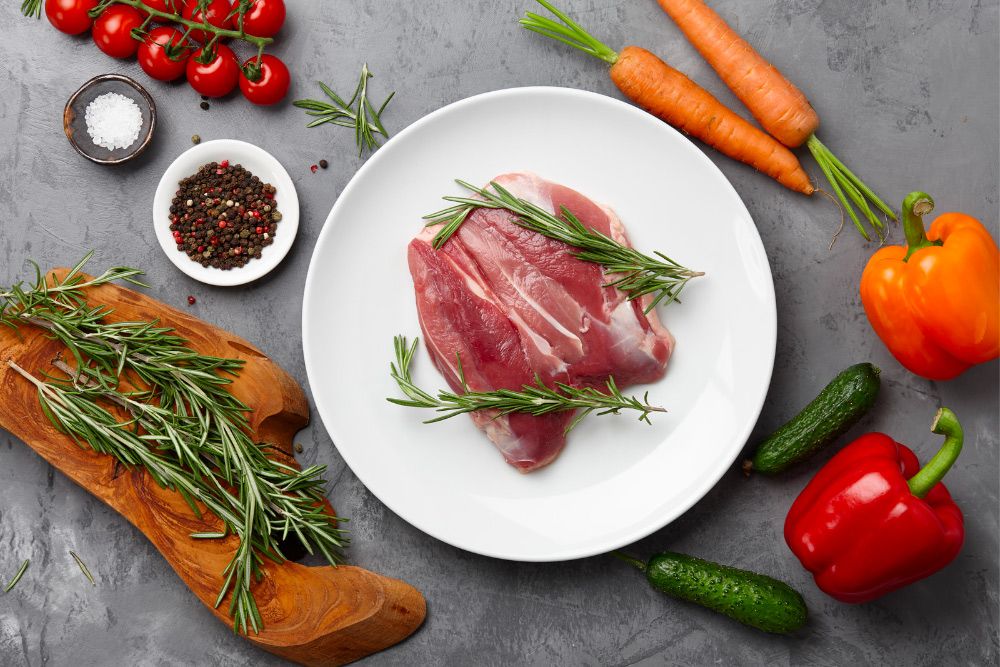
Main course: stir-fried duck with crunchy vegetables
Ingredients
- 2 duck fillets
- 250 g broccoli
- 250 g carrots
- 2 onions
- 1 clove of garlic
- 3 tablespoons groundnut oil
- 1 tablespoon sesame oil
Method
Slice the meat into 1 cm-thick strips. Pour the groundnut oil into a bowl, add the meat and mix. Cover and leave to marinate at room temperature. Divide the broccoli into small florets, peel the carrots and steam these vegetables for 5 min. Peel and slice the onions and garlic. In a large frying pan or wok, brown the duck strips with the onions and garlic. Drizzle with the sesame oil and add the steamed vegetables. Mix, cover and leave to simmer for 3 min.
You can serve this dish with white rice.
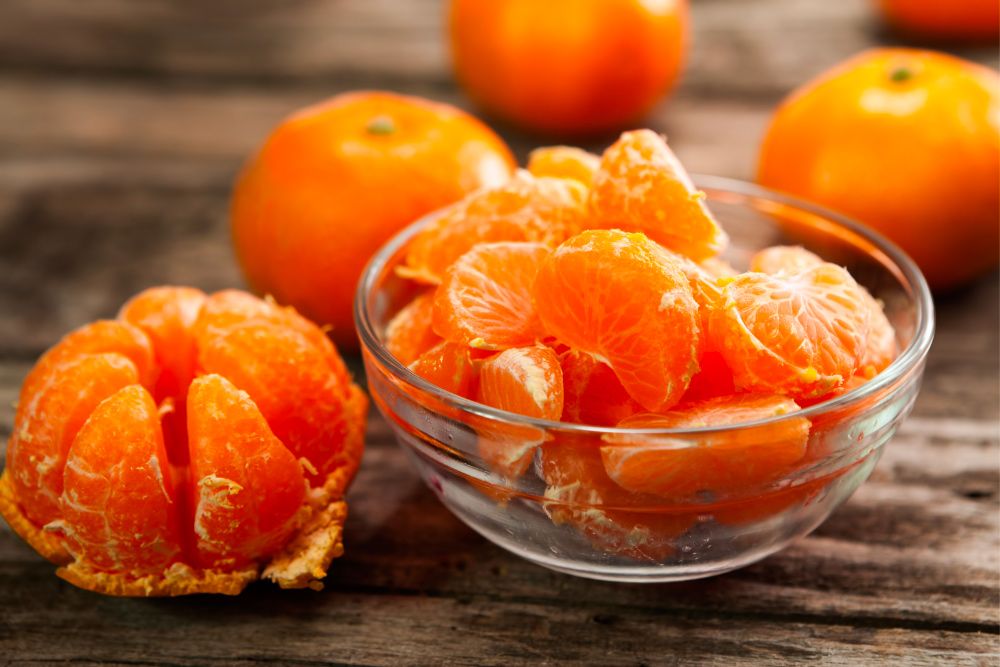
Dessert: spiced mandarin salad
Ingredients
- 4 mandarins
- 1 tablespoon orange blossom water
- 1 tablespoon brown sugar
- 2 vanilla pods
- 1 tablespoon cardamom seeds
Method
Peel the mandarins, taking care to remove all the white pith, and put the fruit in a bowl. Roughly crush the cardamom seeds. Split the vanilla pods and scrape out the small black seeds. Add the spices to the mandarins, pour over the orange blossom water and sprinkle with brown sugar. Chill for at least 1 hour before serving.
Make the most of the mild spring weather to enjoy these delicious recipes (as good for the taste buds as for your health) with family or friends!

