Chinese dietetics: the recommended foods for staying in shape this winter

According to the Chinese lunisolar calendar, we entered winter at the beginning of November, with a first phase that lasted until the winter solstice, the day when Yin reached its peak, and a second phase that continues until the end of January.
As the saying goes, "every season has its pleasures"! So in winter more than ever, it is essential to adapt your diet to the energetic and climatic changes. Discover Chinese dietetics' advice for living well through winter and protecting yourself from the pathogenic energies commonly encountered during this season.
In winter, should you eat Yin or Yang foods?
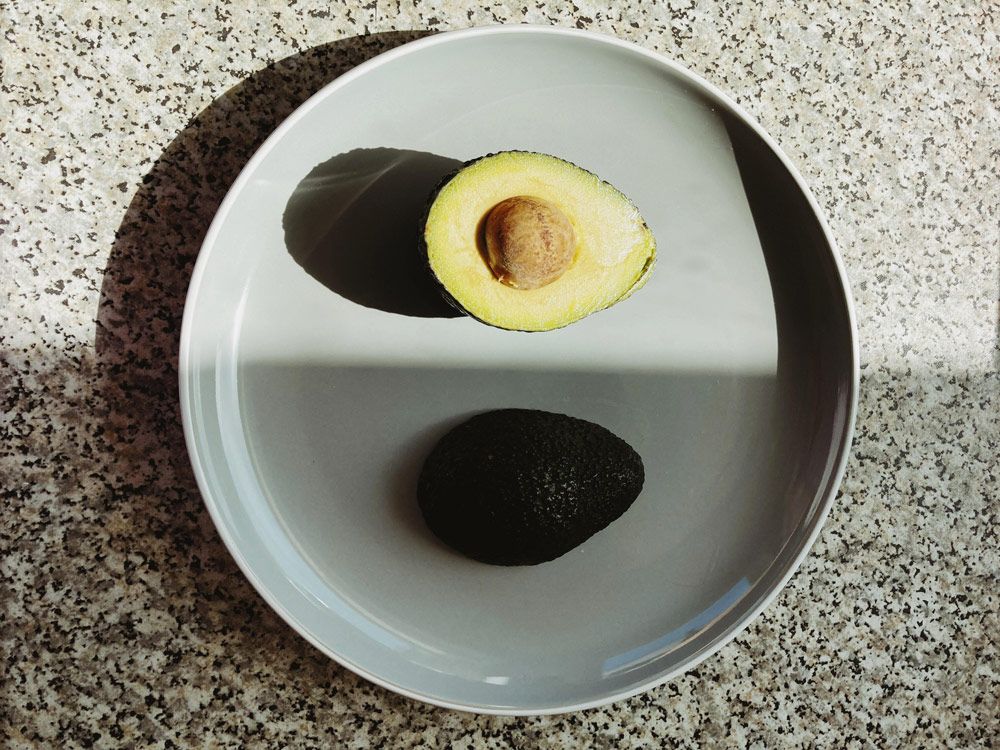
An integral part of universal energy in Far Eastern traditions, foods are an inexhaustible source of energy. As well as their nutritional and therapeutic properties, they also have an energetic power over the body. Chinese dietetics therefore classifies foods according to whether they are rather Yin or rather Yang. This classification depends on several criteria, notably the food's ability to make energy rise, descend, move outwards or move inwards.
The Yin season par excellence, winter is a time of rest that invites us to save as much energy as possible and to favour calm. So choose foods that help draw energy inwards so as to restore it better. These foods are generally Yin or slightly Yang in nature, so add them to your winter recipes.
For example, foods such as walnuts, chestnuts, sweet potatoes and potatoes are highly valued because they help draw energy inwards. What's more, they tonify the Kidneys, the organs Chinese medicine associates with the season!
The salty flavour is the order of the day
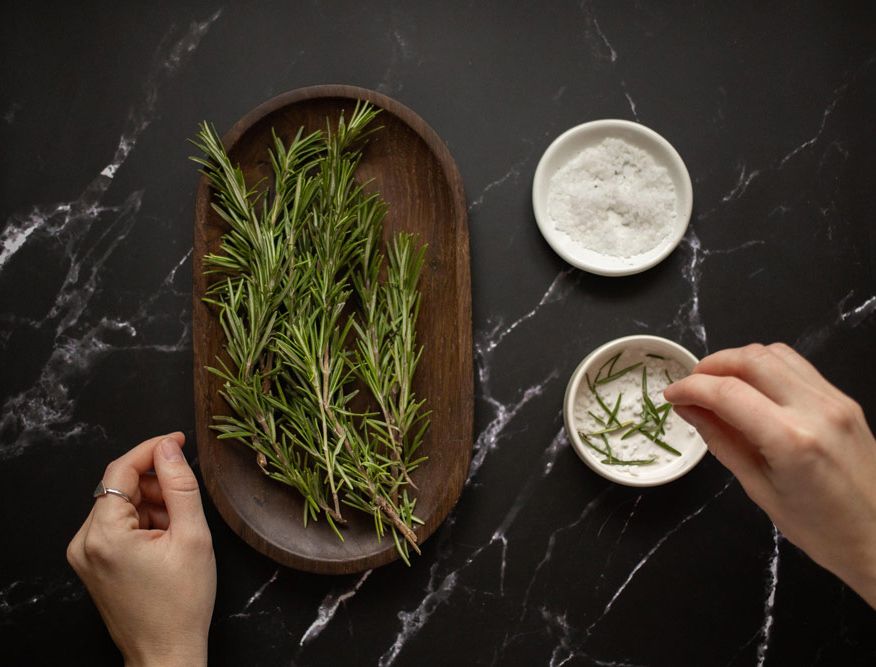
In winter, as in every season, one flavour stands out: the salty flavour! One of the essential condiments in cooking, salt helps draw energy inwards.
In Chinese dietetics, the salty flavour is known for its purgative and laxative properties, and it is perfectly in season, as it nourishes Kidney energy and protects the body against winter ailments. It is effective in relieving certain digestive problems such as constipation, and it is no coincidence that it features on festive menus at the end of the year: oysters, prawns, duck and snails all have a salty flavour.
However (as with everything), don't overdo it! A diet too rich in salt can lead to kidney problems, contribute to higher blood pressure and increase the risk of heart problems! Let's not forget that moderation is the key to any balanced meal!
Other flavours are also worth eating in winter. The sour and bitter flavours are also recommended, as they too help draw energy inwards. So foods such as pomegranate, tomato, lychee or apple (sour in flavour) and asparagus, lettuce or chocolate (bitter in flavour) will do you a world of good this winter. 1
The natures to favour
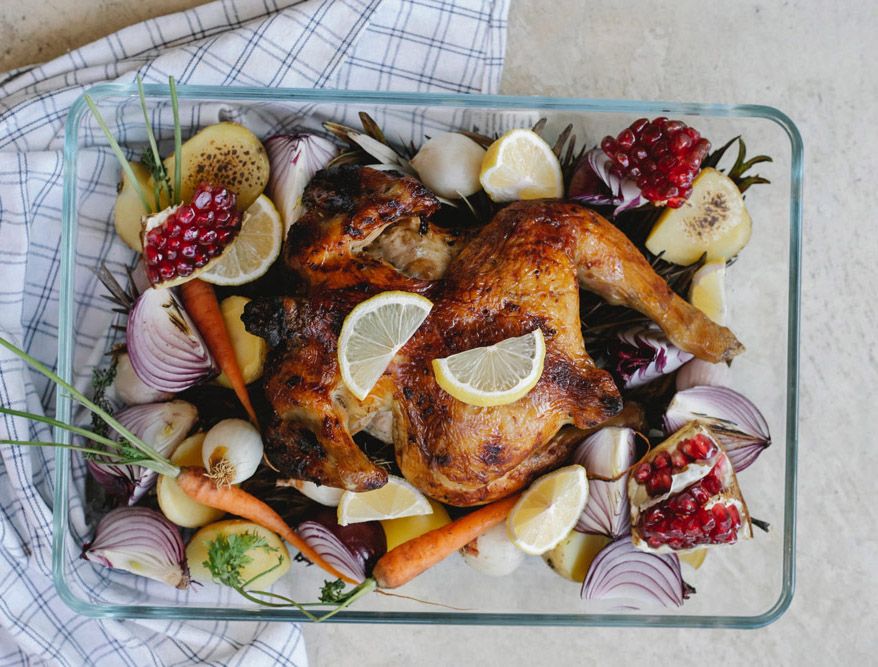
The nature of foods is essential in Chinese dietetics, as it produces a thermal effect in the body. The warm nature is generally recommended when the weather starts to cool in autumn. In winter, keep favouring this nature, as it helps warm the body.
Warming the body during this season stimulates the proper functioning of the organs, makes digestion easier (digestion will be disrupted by the drop in energy in winter) and prevents all kinds of ailments. So treat yourself in winter and enjoy warming foods such as garlic and poultry liver, and don't hesitate to add meats such as duck, pork, beef or mutton to your meals.
Naturally, nothing beats the hot nature for warming the body. This nature is ideal in winter, as it effectively stimulates Qi. So to strengthen your energy and warm your body, add lamb, chilli or dried ginger (all hot in nature) to your dinners, for example.
Favour long, slow cooking
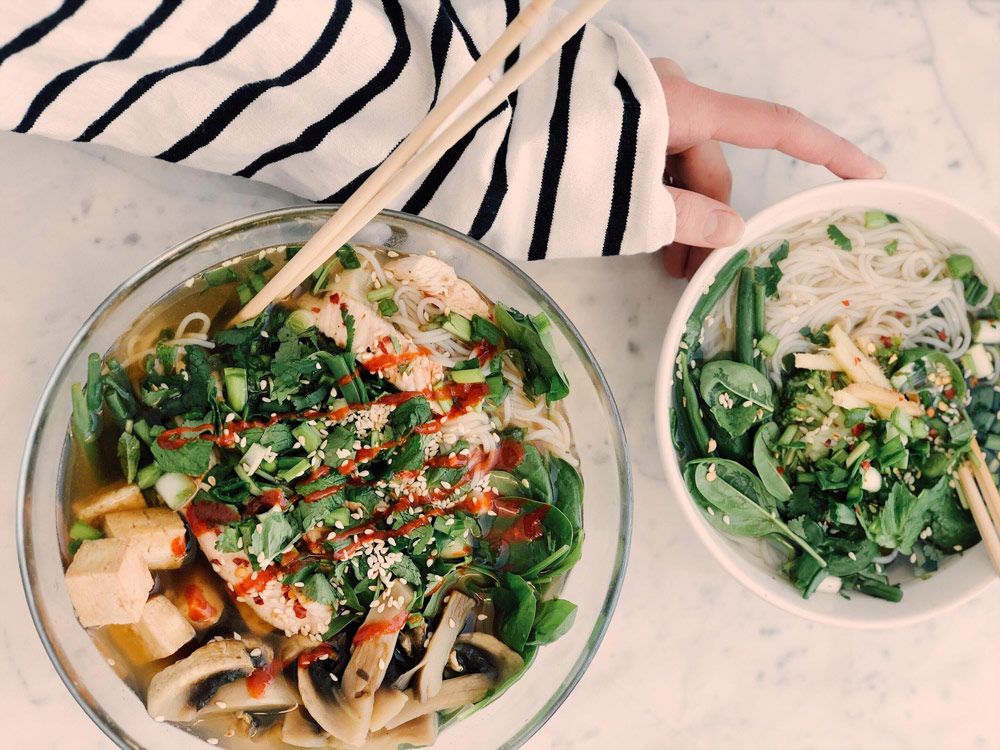
As the cooking method has a considerable influence on the energetic value of foods, cooking with the methods recommended for each season is just as important as choosing the foods.
In winter, Chinese dietetics recommends cooking foods for a long time over a low heat. The preparation methods chosen should be warming ones: braising, baking, steaming, long boiling, and so on.
Black is in season
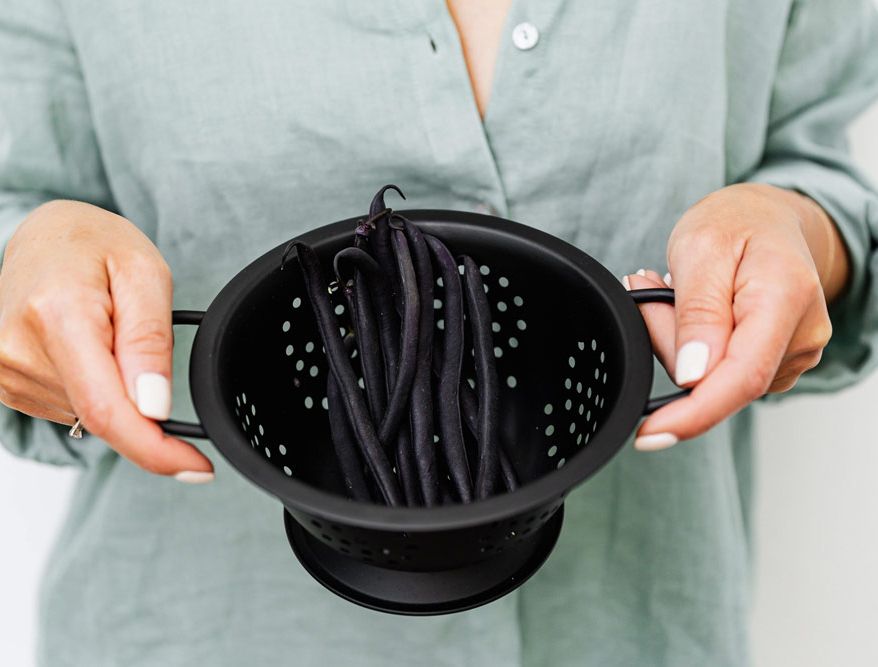
As the organ of the season, the Kidney has energetic links with the colour black. So give pride of place to dark-coloured foods such as black beans, black sesame, barley, mutton, black fungus, seaweed and coffee, as they all help tonify energy (which we sorely lack during this period!). 2
Which spices in winter?
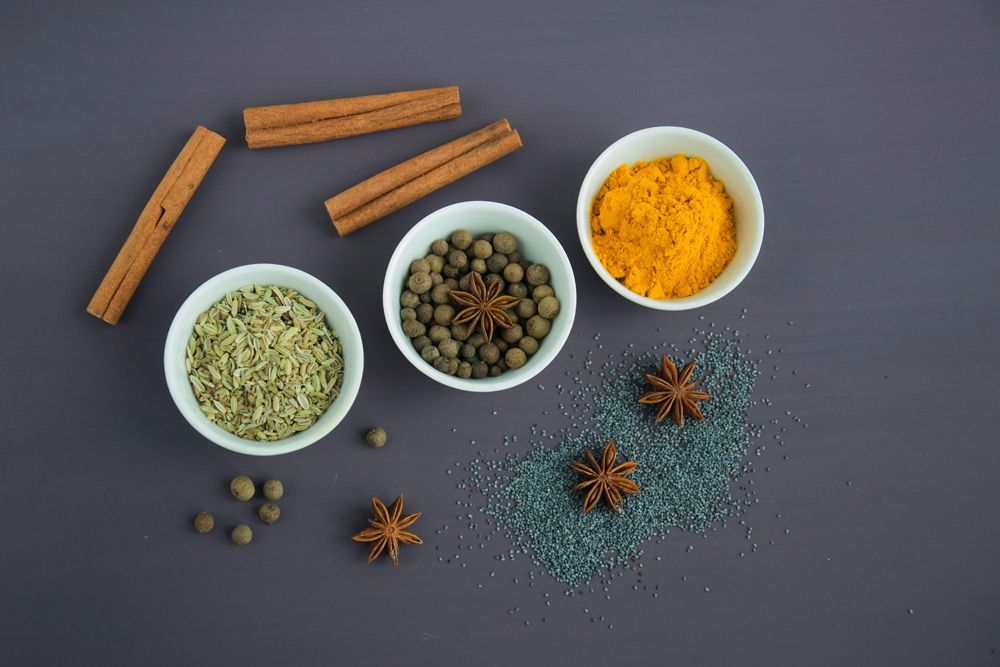
Some spices are ideal for flavouring our winter dishes because they help protect us against the ailments that threaten our well-being during this period. They include:
Star anise: widely used in Asian cooking, especially in sweet dishes, this spice has a toning action that works against the passing fatigue we may face in winter.
Cloves: thanks to their powerful taste, cloves give our cakes a unique flavour. They can also be used to flavour rice or meat. In TCM, this spice is effective against stomach aches and tonifies the Kidneys.
Coriander: the seeds of this strongly flavoured aromatic plant are a much-loved spice in cooking. Hot in nature and pungent in flavour, it helps warm the body and fight the cold. It is known for its ability to aid digestion. It is therefore recommended in this season to restore optimal digestion.
Stay well hydrated, even in winter!
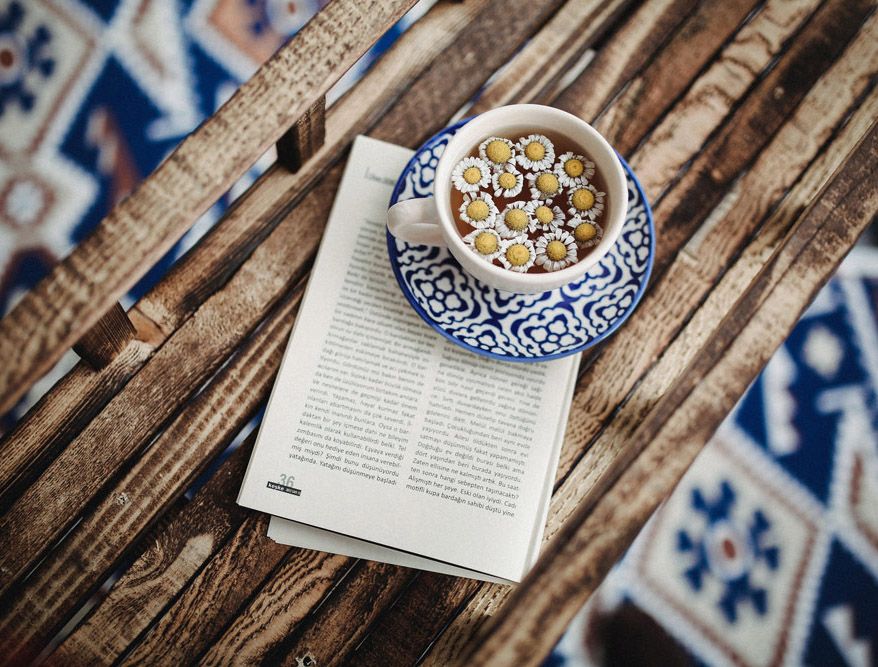
We naturally tend to drink less in winter, but this bad habit should be broken. Drinking water is vital! Chinese medicine considers that lack of hydration weighs heavily on the Kidneys and can cause many problems with the urinary system, joints, hair and even libido. Make sure you drink enough water (at least 1 to 1.5 litres a day), or choose hot drinks such as herbal teas, fruit infusions or tea to warm the body while hydrating it!
So to live in harmony with the new energy and ward off the dangers that come with winter, favour Yin foods, foods that tonify the Kidneys and warm the body, the salty flavour and the hot nature! Winter often brings fatigue, colds, low spirits and digestive problems. To get through this season of great change (in our bodies and in nature) more comfortably, follow the advice of Chinese medicine and learn to compose your plate better!