- Beyond nutrients: another reading of green plants
- Circulate, transform, support: the TCM reading
- Green plants: different dynamics according to TCM
- The Liver and Lungs: circulate and breathe
- The Spleen and Stomach: transform and lighten
- The Kidney: support deep energy
- SuperGreens: more than just green powders


SuperGreens and Chinese dietetics: what TCM says about green plants

A glass of SuperGreens in the morning. A habit that gradually becomes part of everyday life.
We drink it to do our body good, to "detox", to stock up on nutrients… But behind this habit, do we really know what we are giving our body?
Beyond nutrients: another reading of green plants
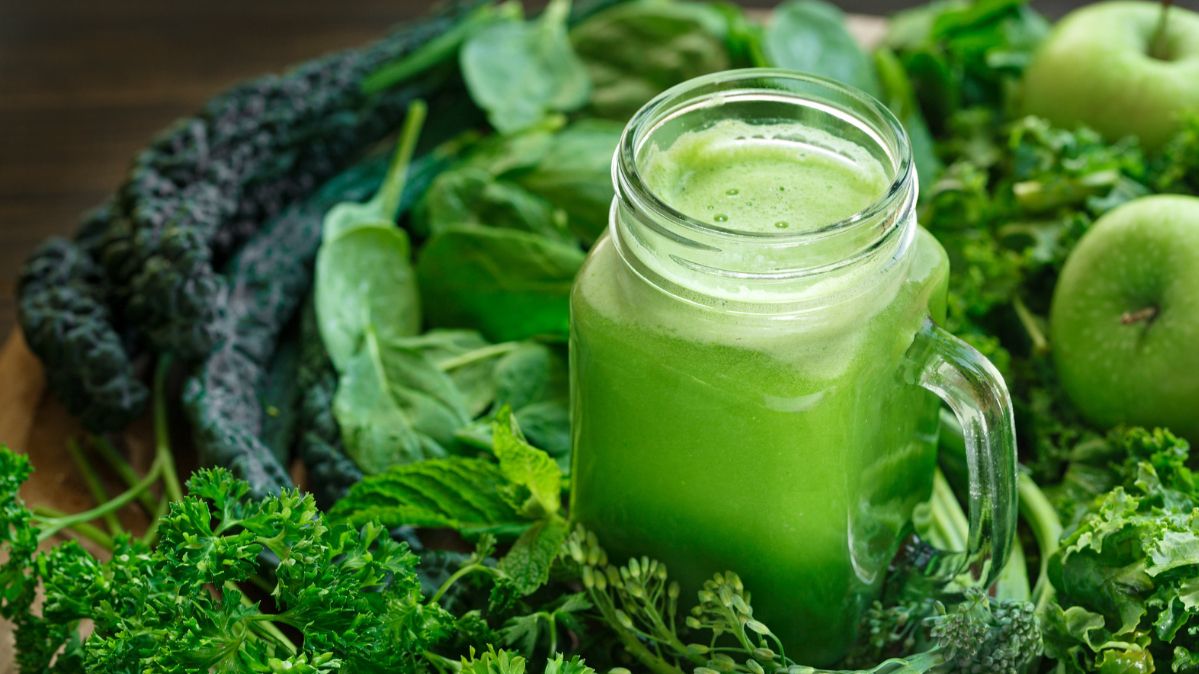
Today, green plants are often associated with vitamins, chlorophyll, a "detox" effect… An approach centred on what they contain, on their nutritional richness and their ability to "cleanse" the body.
This reading reflects a modern way of thinking about food, where we try to provide what is missing. But in Traditional Chinese Medicine, a plant is not reduced to its composition. It is seen as an agent of transformation: it acts, sets things in motion, rebalances. In other words, what matters is not only what it provides, but what it allows the body to do.
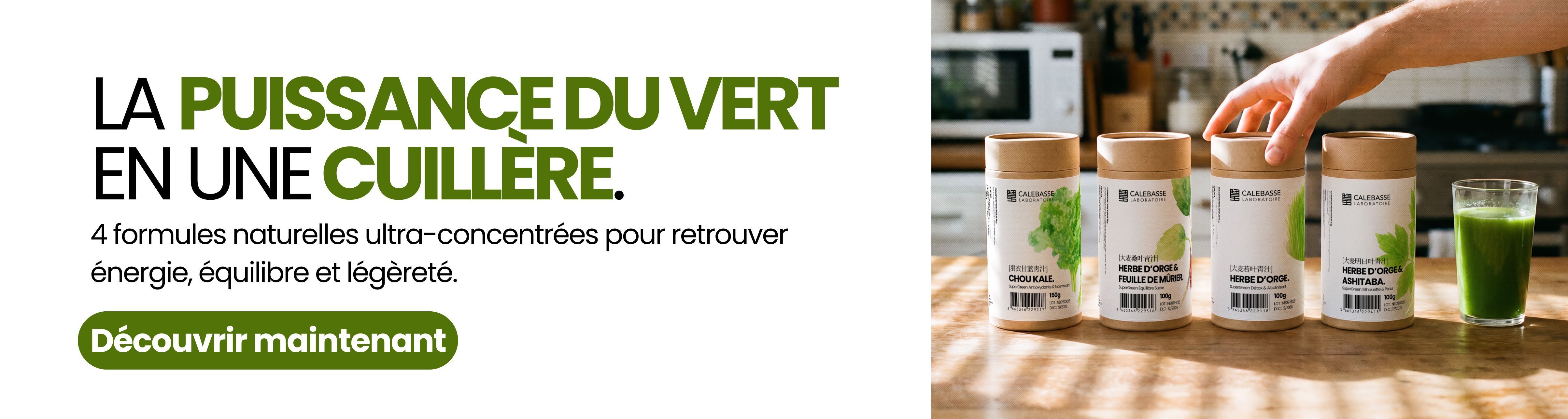
It is in this light that SuperGreens take on their full meaning. Plants such as barley grass, kale, mulberry leaves and ashitaba do not simply provide. They support the body in what it is already doing: circulating, transforming, finding balance.
In Traditional Chinese Medicine, this action does not express itself in the same way everywhere. It varies according to the major body functions it supports.
Circulate, transform, support: the TCM reading
Some green plants support movement, others support digestion, others still contribute to the balance of the breath or to recovery. It is this diversity of actions that helps us better understand the place of SuperGreens in a daily routine.
Green plants: different dynamics according to TCM
| Dynamic in TCM | What it means | Associated green plants |
|---|---|---|
| Circulate and breathe | Supporting the movement of Qi, physical and mental fluidity, and the opening of the breath. | Kale, ashitaba, mint, coriander, perilla |
| Transform and lighten | Supporting the Spleen and Stomach in transforming food, for a feeling of lighter digestion. | Barley grass, mulberry leaves, cooked spinach, chard |
| Refresh and clarify | Bringing a feeling of freshness when the body shows heat, heaviness or excess. | Green tea, mint, watercress, dandelion, lotus leaves |
| Support deep energy | Supporting a more stable, gradual vitality, linked to recovery and balance over time. | Mulberry leaves, young green shoots, lotus leaves |
| Support skin and figure | Linking digestion, circulation and the management of excess in a holistic approach to the body. | Ashitaba, barley grass, kale, rocket, dandelion |
The Liver and Lungs: circulate and breathe
In Traditional Chinese Medicine, green plants are often associated with the Liver, whose function is to ensure free circulation in the body. When this circulation flows smoothly, the body relaxes, the mind calms down, and a more harmonious sense of movement returns.
But this dynamic does not concern the Liver alone. It is also linked to the Lungs, which govern the breath and help spread energy through the body. When this circulation is hindered, a feeling of inner tension, irritability, a more cluttered mind or shorter, shallower breathing may appear.
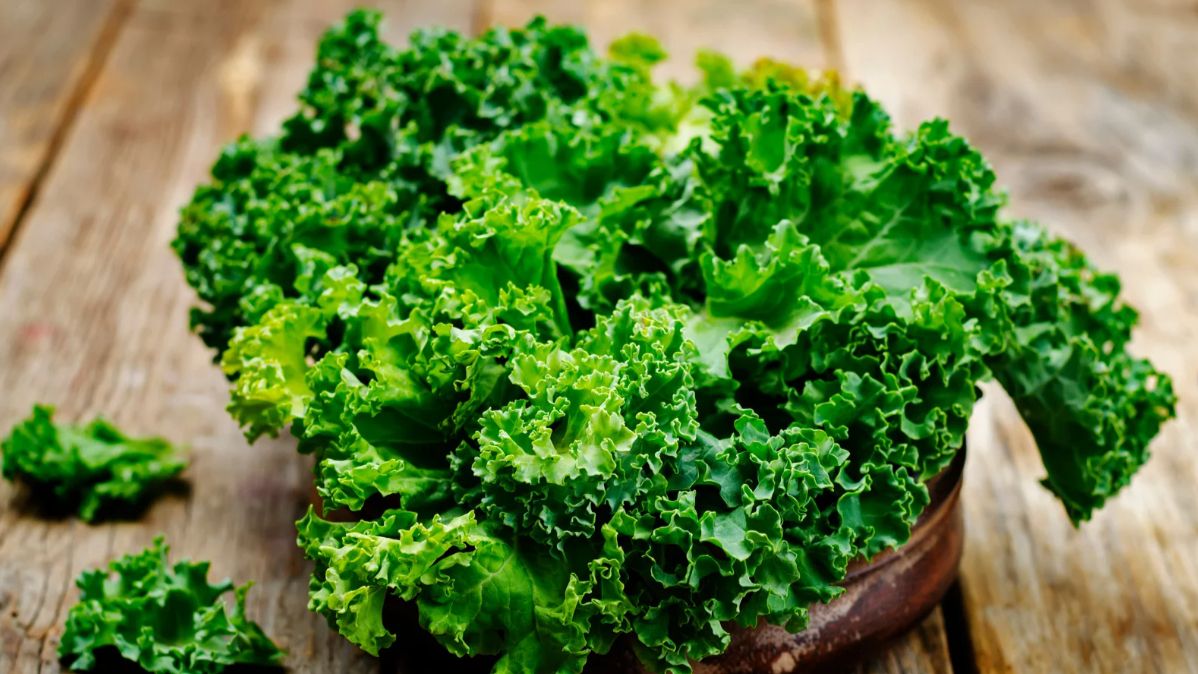
In this context, certain green plants naturally find their place. Kale, with its lively, green character, and ashitaba, often associated with the idea of momentum and renewal, support this return to movement. They contribute to a more overall feeling of fluidity, both physical and mental, as when the body breathes a little better and gently gets circulating again.
The Spleen and Stomach: transform and lighten
In Traditional Chinese Medicine, the Spleen and Stomach form the heart of the digestive system. Their role is not limited to receiving and processing food: they take part in its transformation into energy the body can use.
When this function is harmonious, digestion feels lighter, the mind stays clearer, and energy holds more steadily throughout the day. Conversely, when this process slows down, feelings of heaviness, bloating, the urge to lie down after meals or a general tiredness may appear.
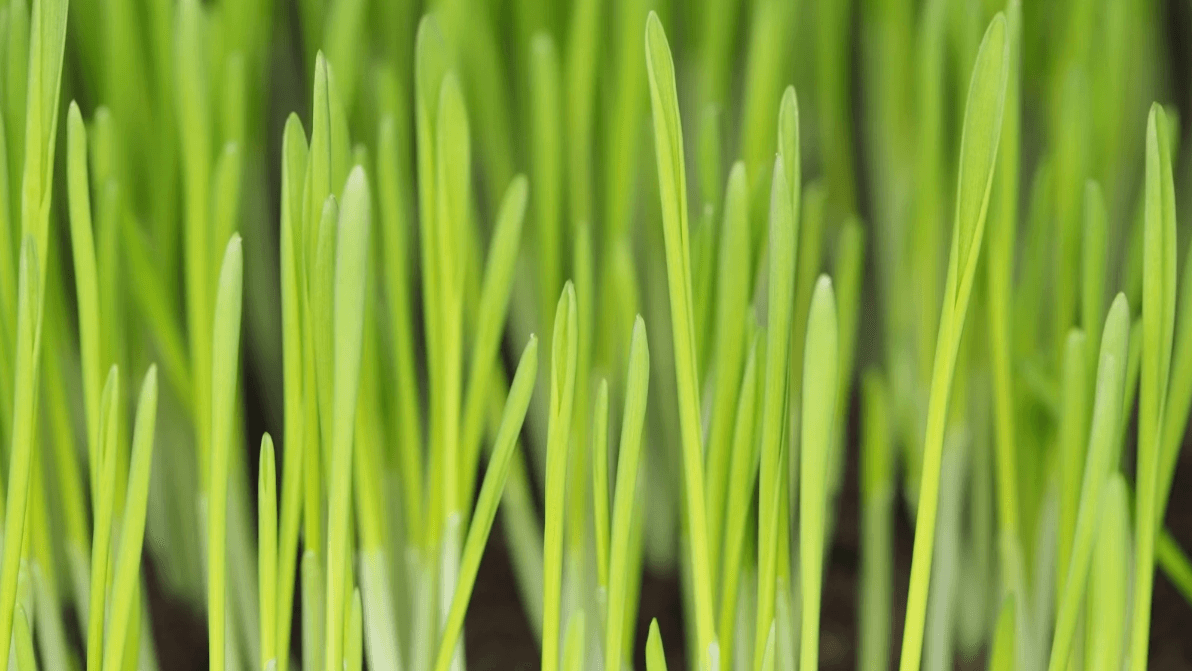
Green plants, with their fresh, light and living nature, support this dynamic of transformation. Barley grass, in particular, naturally finds its place in this digestive support. Gentle, green and easy to include in daily life, it fits well into routines where you are looking for more lightness, better comfort after meals, or simply a feeling of a less "loaded" body. Mulberry leaves can also be part of this search for balance, with a gentler, more gradual approach.
The Kidney: support deep energy
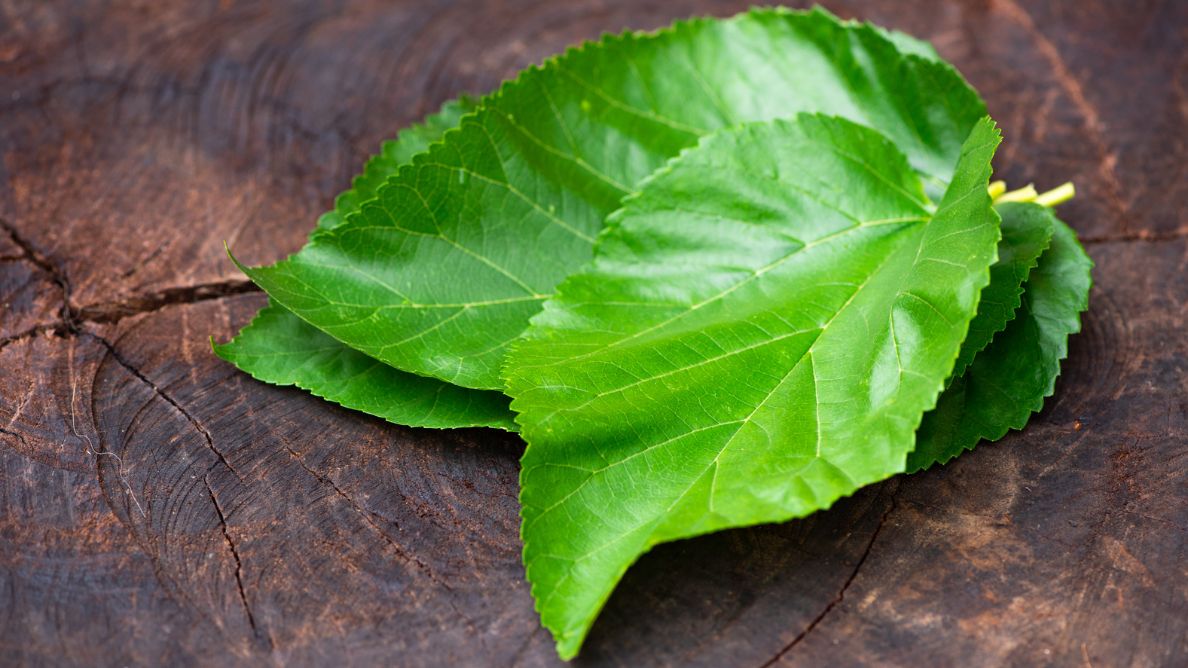
Beyond movement and digestion, some green plants also fit into a deeper logic. In Chinese medicine, the Kidney is linked to reserve energy, to the capacity for recovery and to stability over time.
This is not a spectacular or immediate energy, but a more discreet foundation: the one that supports endurance, resilience and the return to balance after periods of fatigue, overload or irregular rhythm. When this deep energy is weakened, you may feel a deeper fatigue, less linked to a simple lack of sleep, difficulty recovering, or the impression of running "on reserve".
In a holistic approach, certain plants such as mulberry leaves can support this search for lasting balance. Their gentler, steadier profile fits into a logic of gradual support, when you are looking less for an immediate effect than for stability over time.
SuperGreens: more than just green powders
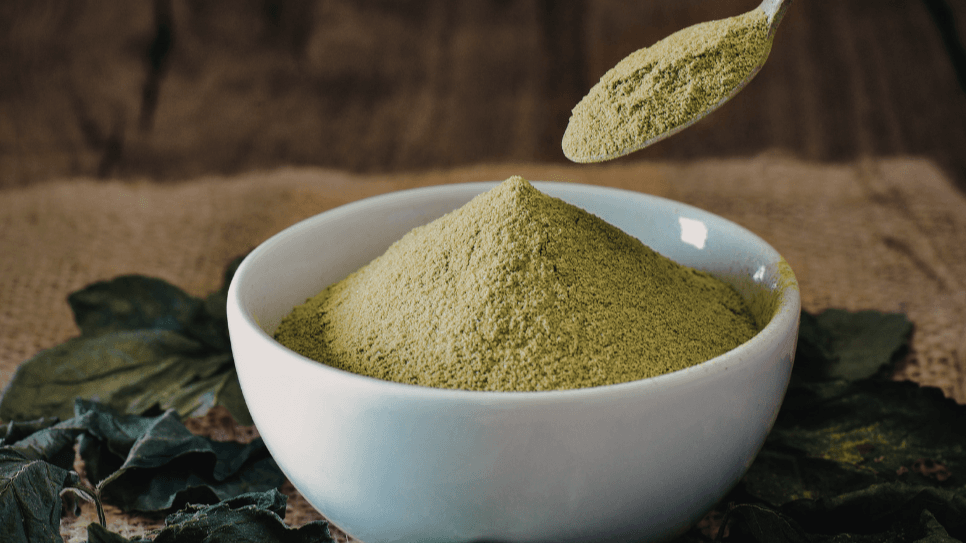
Seen through Traditional Chinese Medicine, a green plant is never quite "simple". It is not reduced to what it contains, but to what it sets in motion, what it supports, the balance it helps restore.
At Calebasse, this reading invites us to look at SuperGreens differently: not as simple, interchangeable green powders, but as plants with different profiles, each carrying its own dynamic.
Barley grass, kale, mulberry leaves, ashitaba… each finds its place according to the needs of the moment, the balance you are looking for and the way you wish to support your body day to day.