
Every winter, your skin suffers from the same problem: it becomes dry and dehydrated… An essential organ, the skin's first role is to protect the body from external aggressions. Yet during the winter season, freezing temperatures and low humidity can affect it strongly, leaving it dry and dehydrated.
What is the structure of this complex organ? How can you take care of your skin in winter?
For radiant, healthy, silky skin despite the cold, discover the advice of traditional Chinese medicine.
The skin, a very important organ for health
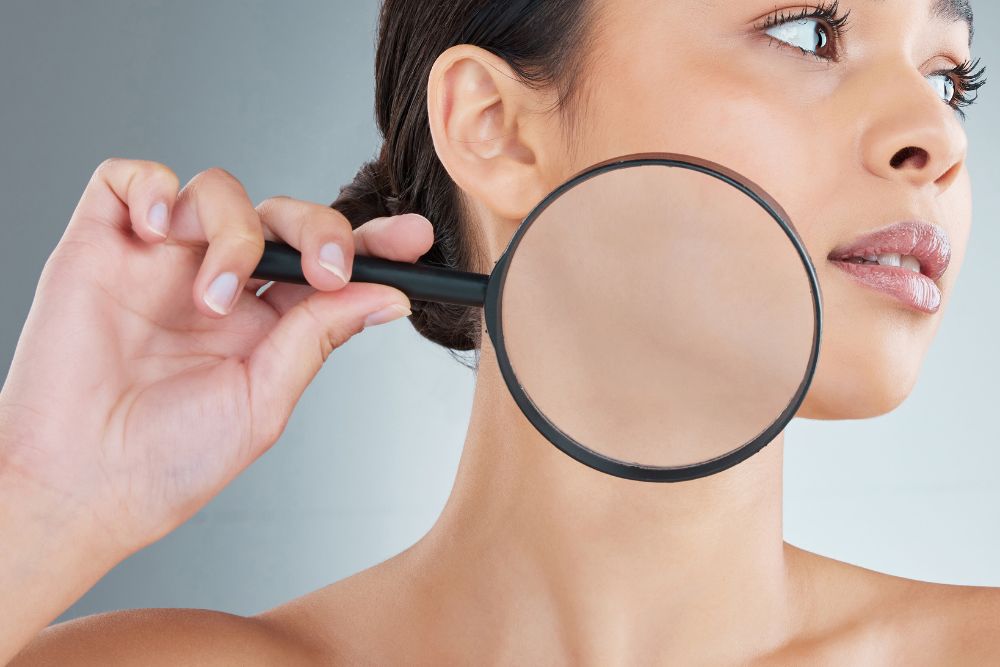
The skin in Western medicine
A feature of beauty but also a major health topic, the skin is a precious organ that it is essential to look after throughout life. It is mainly made up of three layers, each of which plays a particular role.
- The epidermis: this is the outer layer, the one we can see and touch, which is mainly responsible for protecting the body.
- The dermis: this is a thick, elastic tissue located just beneath the epidermis, whose role is to keep the skin firm.
- The hypodermis is the deepest layer of the skin. Located under the dermis, it helps to protect the internal organs.
The skin in traditional Chinese medicine
In traditional Chinese medicine, observing the state of the skin (just like that of the nails) is one of the important steps in diagnosis. Indeed, the texture and condition of the skin can reveal our state of health or an internal imbalance, which is why great importance is given to it.
According to Chinese energetics, the skin has six layers: Fu, Ge, Ji, Fen Rou, Cou Li and Xuan Fu:
- Fu: the superficial layer of the skin, or epidermis, linked to the Lung.
- Ge: the deep layer, or dermis, linked to the Kidney.
- Ji: often translated as "flesh", it refers to the subcutaneous parts. This layer is under the influence of the Spleen and the Liver.
- Fen Rou: refers to fat and is under the influence of the Spleen and the Kidney.
- Cou Li is the space between the skin and the muscles, and it is under the influence of the Spleen and the Lung.
- Xuan Fu: refers to the pores of the skin and is also under the influence of the Spleen and the Lung. 1
Why does skin dry out in winter?
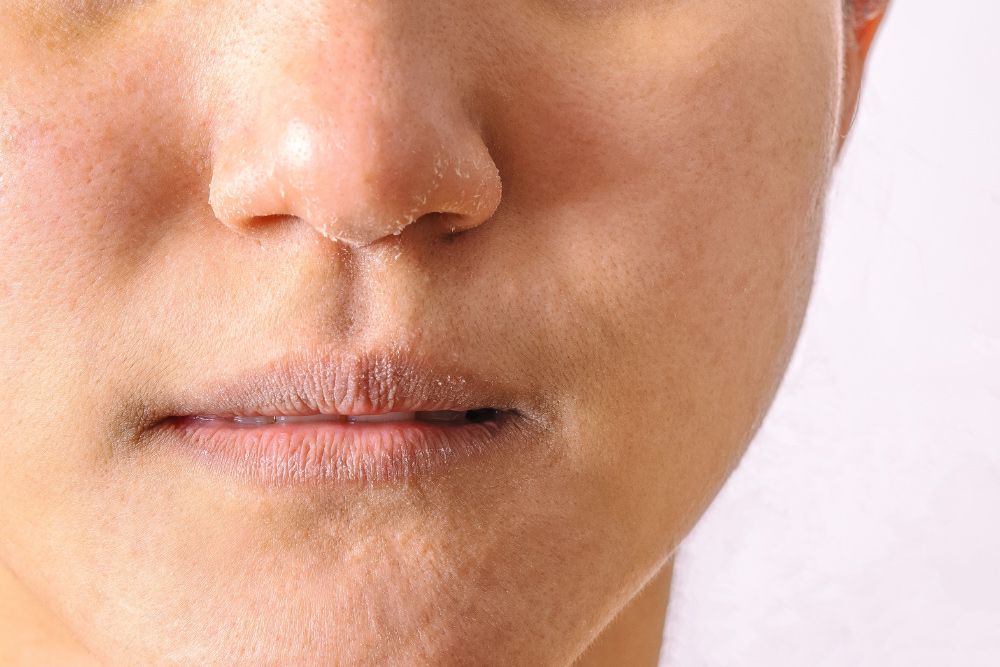 Generally speaking, the skin is prone to external aggressions, especially climatic ones. Dry skin is a common problem in the cold seasons. Indeed, several factors can cause the skin to dry out in winter, such as:
-
Low humidity due to the dry climate. Dry air weakens the skin and dries it out.
-
Very hot baths warm us up, but as well as not being eco-friendly, they can cause dry skin. Hot water affects the protective layer and the surface of the skin.
-
Dehydration in winter is also one of the reasons for dry skin. We tend to drink less in winter, which has a heavy impact on the condition of our skin.
Dry skin: what does Chinese medicine suggest?
Dry skin in Chinese energetics
In traditional Chinese medicine, dry skin can reveal the presence of Dryness in the body. Dryness is a pernicious energy that can attack the body on its own or together with Cold, another pathogenic energy that lurks in winter. Indeed, while Dryness generally attacks the Lung organ (which strongly influences the Fu, or epidermis), Cold attacks the Kidney (thus affecting the Ge), which results in dehydrated, dried-out skin.
When it persists, dry skin can reveal Liver Blood deficiency, Liver and Kidney Yin deficiency or Blood stasis. In this case, as well as being very dry, the skin loses its radiance and the nails are dark and withered.
How to take care of your skin in winter?
Plants: a first-choice solution for radiant skin
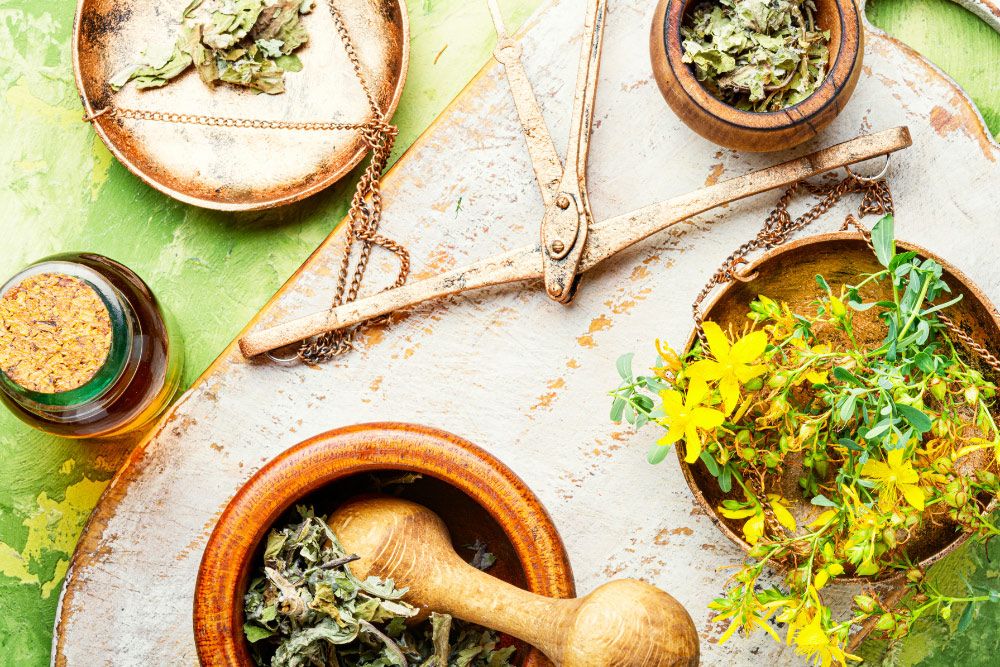 Some plants can help you combat dry skin thanks to their moisturising and nourishing properties. Natural solutions are a great help in looking after your skin and restoring a radiant complexion.
Among the plants recommended by the Chinese pharmacopoeia, we can mention:
-
Bai he (Lily bulb), used in the Chinese pharmacopoeia for its ability to harmonise the Lung and nourish Yin, combats dry skin and helps to preserve the skin's radiance.
-
The Hei mu er mushroom (Wood ear), recommended by the Chinese pharmacopoeia to stimulate blood circulation and to moisturise dry skin.
-
Finally, a traditional recipe for looking after your skin: Lotus and Poria Porridge! Made from several plants and mushrooms with moisturising and detoxifying properties, this preparation considerably improves the appearance of the skin by giving it radiance.
3 foods recommended by Chinese dietetics for healthy skin
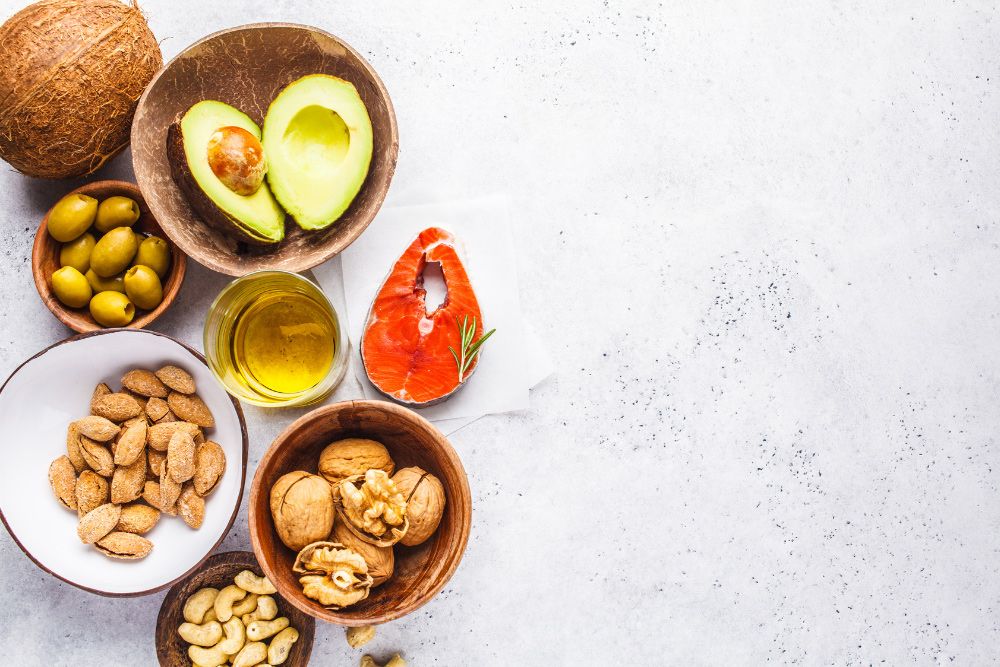 On the Chinese dietetics side, certain foods can also help you look after your skin.
To keep the skin healthy, Chinese dietetics suggests choosing foods with a sweet flavour to tonify the Lung and a salty flavour to take care of the Kidney. Among these foods, we recommend:
-
Salmon: warm in nature with a sweet and salty flavour, salmon is a perfect food to put in the spotlight to tackle dry skin. In Chinese energetics, it is known to tonify the energy of the Spleen and Kidney and nourish the Blood.
-
Walnuts: warm in nature with a sweet flavour, they tonify the Kidney, drive out Cold and warm the body.
-
Sweet potato: neutral in nature with a sweet flavour, this food is highly recommended for looking after skin health.
The health of our skin is precious and should be treated from the inside far more than from the outside. So this winter, take care of your skin and give it the foods and plants it needs to be radiant!


