- Why is spring the key season of the year?
- The Liver, driving force of spring renewal
- Eating well in spring: supporting the body's restart
- Moving in spring: getting the body going again
- Little spring pointers: protect, pace, circulate
- Dress with discernment
- Adjust your rhythm to the return of the light
- Free up the pathways of energy
- Soothe the inside to free up movement


A successful year starts in spring: a guide to spring energy according to TCM

Why is spring the key season of the year?
In China, people have been saying for centuries: "一年之计在于春", meaning that the year is prepared in spring. This expression is not just seasonal common sense: it reflects a deep vision of the rhythm of life, in which spring marks the true starting point of the annual cycle.
This intuition is not unique to Chinese culture. In France too, spring is often considered the most beautiful season: the season of renewal, of the return of light, of momentum regained after the winter months. We naturally associate it with more energy, more lightness, a desire to get going again.
Yet this promise of renewal is not always felt straight away in the body. As spring approaches, it is not unusual to still feel tired, less focused, sometimes even more sensitive or reactive. The body does not change its rhythm overnight.
In TCM, this period is recognised as a pivotal phase. Ancient physicians considered it the starting point for the balance of the whole year: a well-supported spring lays the foundations for lasting vitality, while a neglected spring can weaken the months ahead.
That is why, in Chinese tradition, getting through spring well means preparing the year well, and this preparation starts with the Liver.
The Liver, driving force of spring renewal
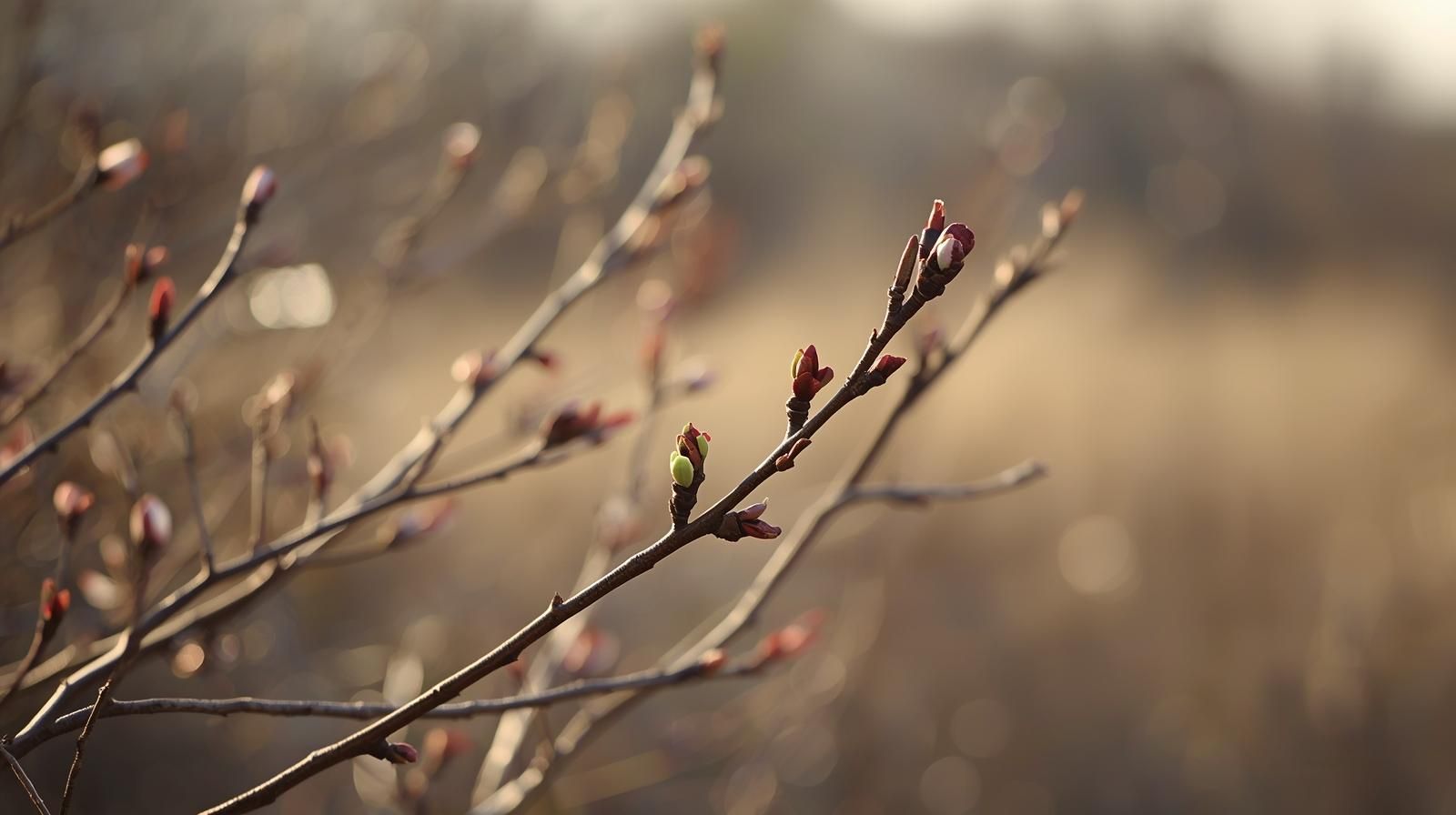
In TCM, spring is the season of the Liver. As we have seen, it is the Liver that accompanies the great restart of life after winter. But when spring arrives, not everything gets moving again all at once. The body slowly emerges from its stillness, like soil that is still cool beneath the first rays of sunshine.
The Liver plays a key role in this transition. It shares the nature of Wood: like a young bud, it likes to stretch, unfold and find its way towards the light. When this energy struggles to wake up, the body stays sluggish, tired, still held back by winter. Conversely, when the momentum becomes too abrupt, the rise turns into tension (headaches, nervousness, upset digestion, etc.), like sap rising too fast.
Supporting spring therefore means learning to measure this movement. Helping energy to be born, to rise and to flow freely, without forcing or blocking it. It is this subtle balance between momentum and fluidity that allows the body to gradually emerge from winter stagnation and fully enter the dynamic of spring.
And it is around this principle that TCM's spring habits are organised: on the plate, in movement, in the rhythm of life and in the small routines of everyday life.
Eating well in spring: supporting the body's restart
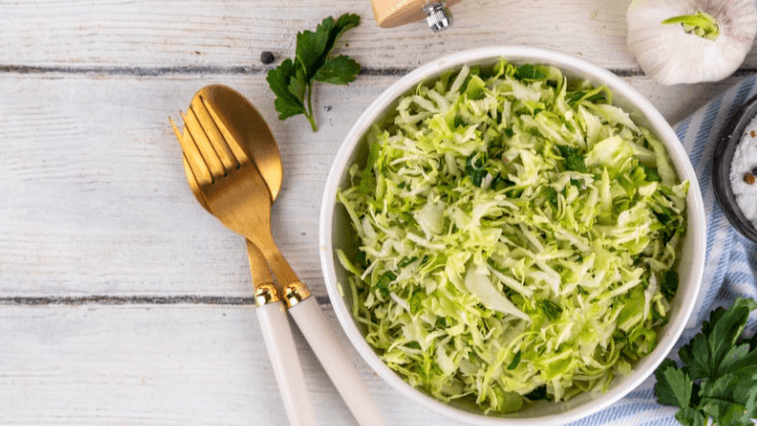
In spring, food takes on a different role. It no longer seeks to nourish deeply or strengthen as in winter, but to support a movement that is starting to be born again.
In this spirit, the spring diet favours warm, nourishing, easy-to-digest foods that can awaken momentum without weighing the body down.
These include:
- foods that gently warm and promote circulation, such as jujube fruit, Chinese yam, spring onion, fresh garlic, chives or a small amount of ginger;
- stable energy bases: grains (rice, millet, oats), well-cooked pulses, dried fruit and nuts eaten in moderation;
- simple, regular proteins (eggs, fish, poultry, lean meat), which support the restart without overloading;
- cooked vegetables in shades of green and yellow, naturally associated with the spring season.
Conversely, too many raw vegetables and cold, fatty or very sour foods can slow down the recovery of energy and bring back a feeling of heaviness or fatigue.
In spring, the "how" matters as much as the "what": simple, cooked, warm dishes eaten at regular times allow the body to gradually leave winter stagnation behind.
Eating well in spring does not mean over-stimulating or over-purifying. It means giving the body what it needs to get going again, with stability, flexibility and continuity.
Moving in spring: getting the body going again
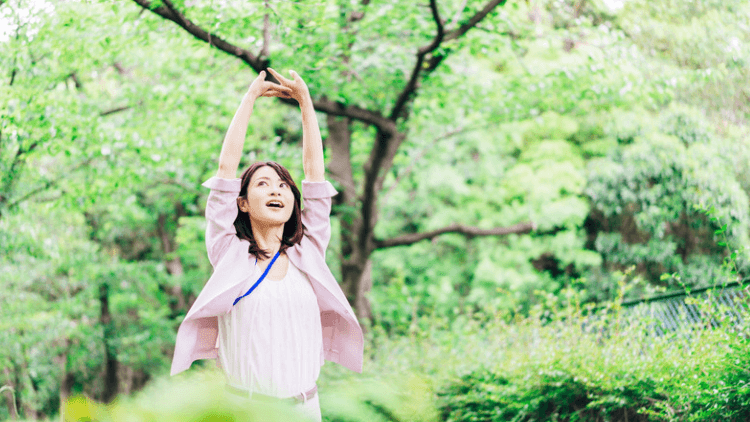
After winter, the body does not need performance, but to get moving again. The cold months brought rest, slowing down and sometimes a certain inertia. In spring, the challenge is not to overdo it, but to gradually restart what has seized up.
Walking is often the most fitting gesture. Walking outdoors, ideally in daylight, helps wake up the circulation, air out the body and support the natural rise of energy. A few steps each day are enough to support this transition, without rushing the body.
The activities best suited to spring are simple and open: strolls, brisk walking, gentle stretching, wide movements, exercises that loosen the body rather than demanding intense effort from it. The aim is not effort, but fluidity.
This regular movement also helps you get through a common phenomenon of the season: spring fatigue. This feeling of heaviness or drowsiness is not abnormal. It often reflects a body in the process of adjusting. Moving, even moderately, helps speed up this adaptation and brings back more clarity and energy as the days go by.
In spring, it is better to favour consistency over intensity. Short but regular daily movement supports the restart without exhausting you. Excessive sweating or overly strenuous effort, on the other hand, risks tiring the body unnecessarily.
Getting the body moving again in spring simply means helping it come out of winter at its own pace.
Little spring pointers: protect, pace, circulate
Dress with discernment

On the first fine days, do you find yourself wanting to take your coat off too soon? The light is back, but the cold has not completely gone yet.
In early spring, energy rises and the pores open: the body becomes more vulnerable to sudden changes. TCM therefore recommends protecting the lower body (legs, lower back, abdomen) while gradually lightening up on top. A light scarf, loose but still protective clothing: it is not about wrapping up more, but about avoiding abrupt changes.
In spring, you don't shed layers abruptly. You go along with the movement.
Adjust your rhythm to the return of the light
Spring invites you to reconnect with the movement of the day.
In TCM, there is a saying: "一日之计在于晨", meaning that the key to the day lies in the morning.
In this season, it is advisable to go to bed a little earlier than in summer, to get up earlier than in winter, and above all to let the morning open up without rushing. Walking for a few minutes, stretching gently and breathing in the open air allows energy to rise naturally with the light.
In this spirit, the first gesture of the morning matters a great deal. Drinking a warm infusion, even before eating, helps the body shake off night-time inertia and go along with the momentum of spring. In China, gentle plants such as chrysanthemum and goji berries are often preferred, traditionally used to support the balance of the Liver, support natural defences and ease tension around the eyes. It is in this spirit that we created the Spring Awakening Herbal Tea, designed as a simple ritual to welcome the season.
Free up the pathways of energy
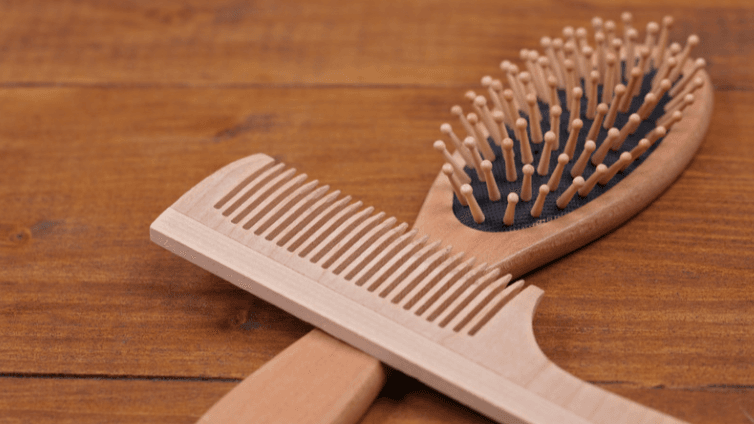
Among the traditional spring habits, the simplest is also the oldest: brushing or massaging the head.
In the morning, gently running a wooden comb or your fingers from the forehead to the nape of the neck helps clear the head, wake up the circulation and dispel heaviness. A few slow presses on the top of the head or at the hairline are enough. The gesture is brief, but its effect is lasting.
These practices do not aim to stimulate, but to release what is holding things back.
Soothe the inside to free up movement
Finally, spring is an emotionally sensitive season.
Energy rises and, with it, sometimes irritability, impatience or scattered attention. The ancient texts insist on one simple point: keep your mood flexible. Walking, breathing, allowing yourself calm moments and avoiding unnecessary tension lets energy flow without building up.
In spring, cultivating relaxation is not a luxury: it is a condition for movement to remain harmonious.
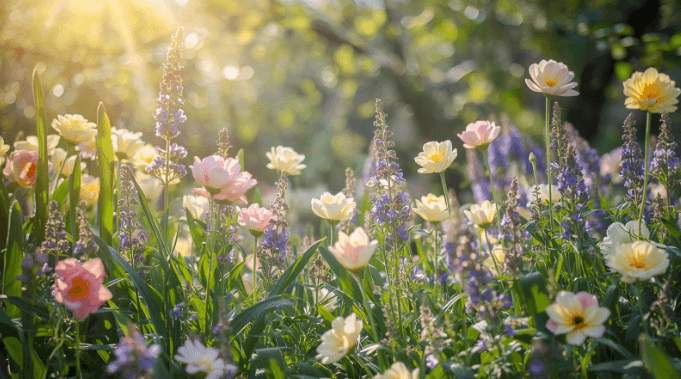
In TCM, spring is not forced. It is prepared for, allowed to come and accompanied. Getting through this season well means giving the body the conditions for lasting momentum and, often, quietly laying the foundations for the whole year ahead.
