Youyou Tu: 2015 Nobel Prize in Medicine for the discovery of artemisinin

In 2015, at the age of 84, Youyou Tu received the Nobel Prize in Medicine for her research on malaria. The twelfth woman (and the first Chinese woman) to receive the prize since it was created in 1901, Youyou Tu drew on the knowledge of the Chinese pharmacopoeia to study the power of artemisinin in treating malaria. To mark International Women's Rights Day, we decided to shine a light on Youyou Tu, a scientist very rightly honoured for her research into the treatment of malaria.
Choosing medical research
Born in 1930 in Ningbo, a city in eastern China, Youyou Tu came from a middle-class family: she grew up with her four brothers and was raised by a stay-at-home mother and a father who worked at a bank. From childhood, she attached great importance to her studies and managed to attend the best schools in Ningbo.
In 1945, Youyou Tu was fifteen when she contracted tuberculosis. She experienced at first hand the serious consequences of this disease... Because of the very distressing symptoms it causes (fatigue, chronic cough, fever, a taste of blood in the mouth), Youyou Tu was forced to interrupt her studies for two years.
It was after her battle with tuberculosis, back at school, that Youyou Tu made her choice: she would pursue a career in medical research. She wanted to be of service to humanity and, as she put it, she dreamed "of doing something that could help the world".
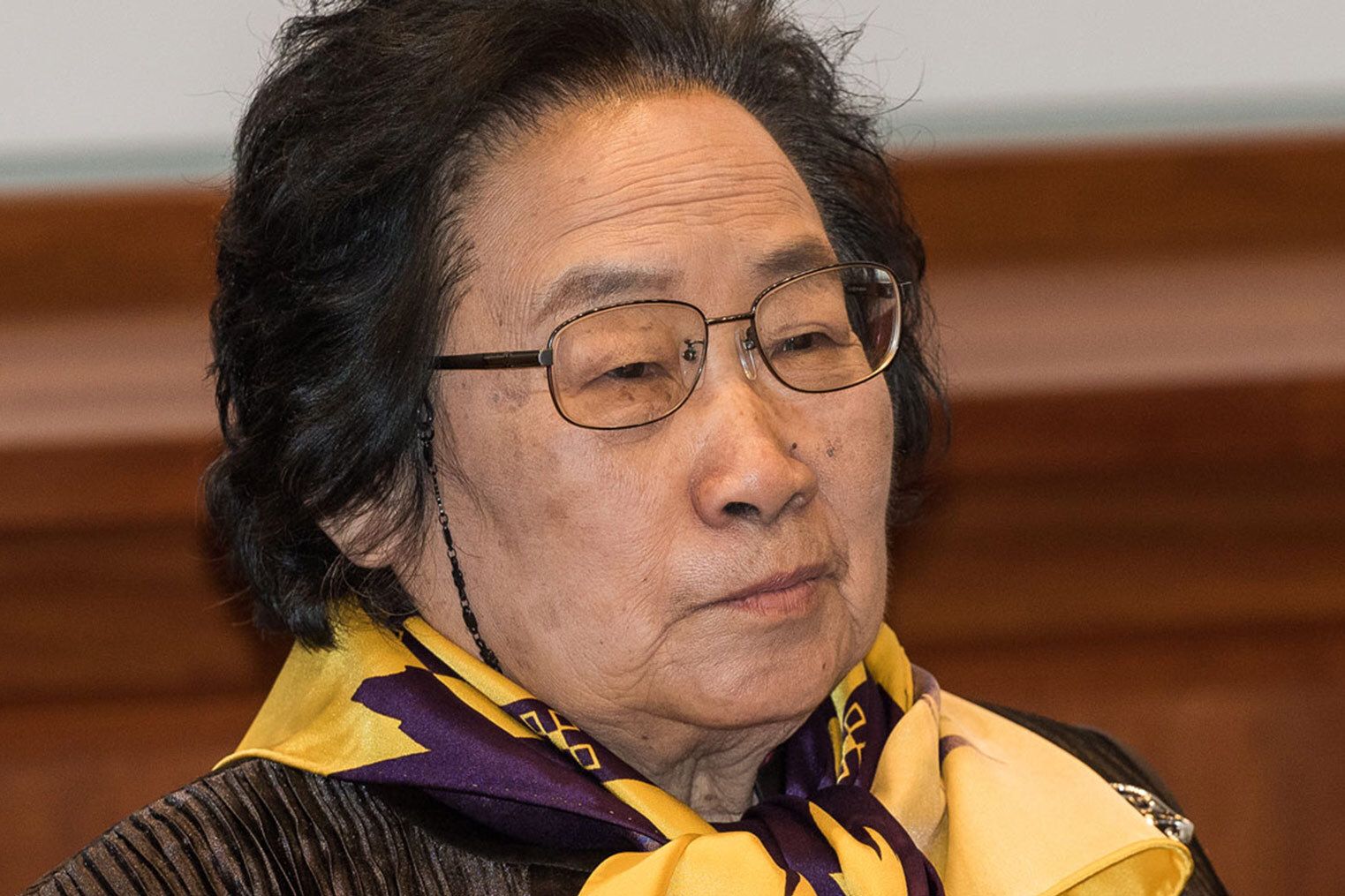
So, after finishing secondary school, Youyou Tu enrolled at Peking University to study pharmacy, where she gained knowledge of pharmaceutical sciences and Western pharmacology. During her academic career, her research was supervised by the pharmacologist Lou Zhicen.
After graduating in 1955, she decided to enrol at the Academy of Traditional Chinese Medicine (TCM) to study this ancestral medicine that is so present in Chinese culture. A few years later, she would become a full professor and then director of the academy.
The threat of malaria
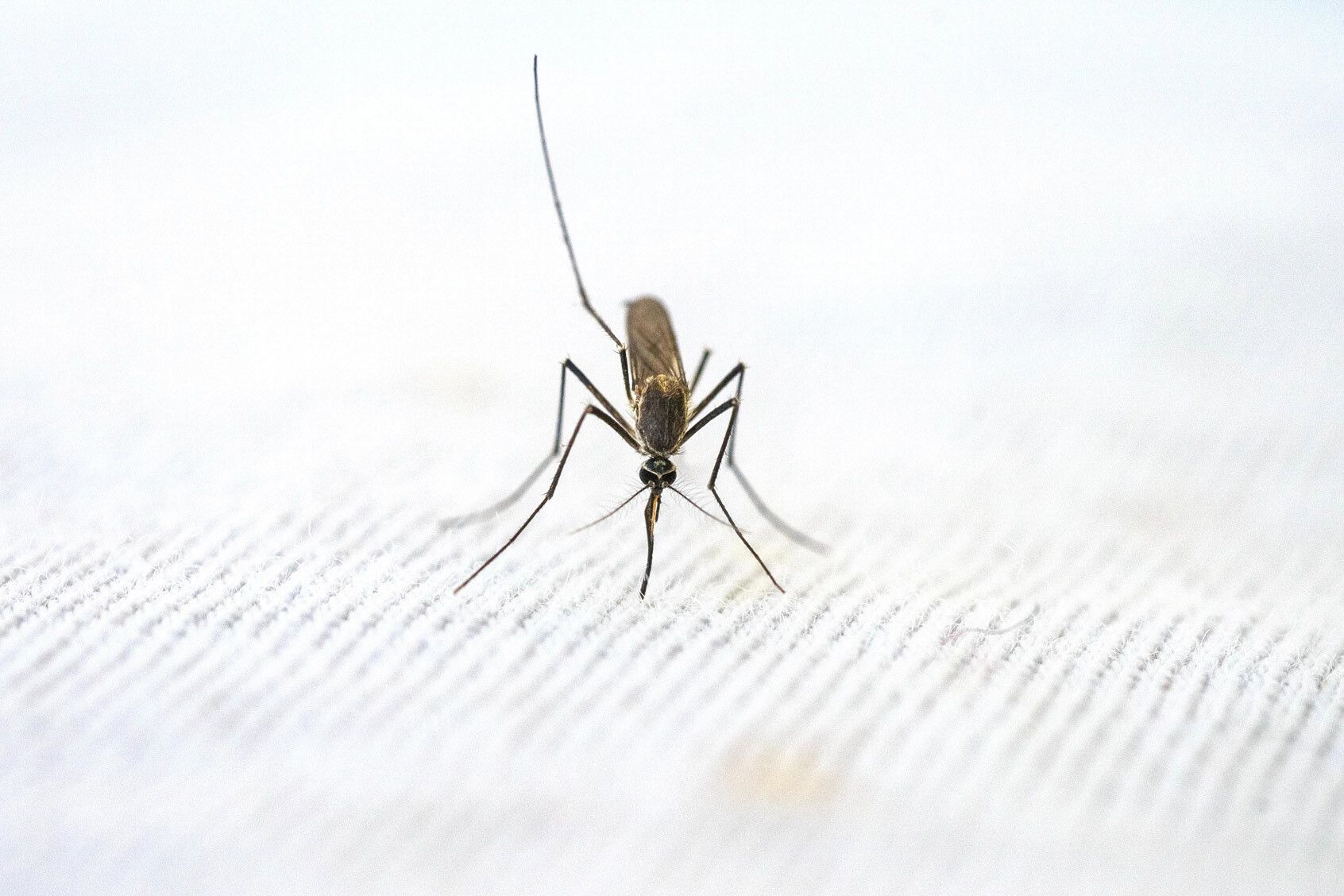
During the 1960s, a resurgence of malaria wreaked havoc, mainly in South Asia and southern China. This global scourge is still rife today. According to the WHO, it is the 6th leading cause of death in poor countries1. A potentially fatal disease and a major public health problem, malaria, also known as paludism, is caused by the presence in the body of a parasite of the genus Plasmodium, following a bite from an Anopheles mosquito. For a time, chloroquine was used as an antimalarial treatment. However, as the epidemic grew, it was not enough to eradicate the disease.
A very serious disease, it shows up as shivering, bouts of acute fever, sweating, headaches, coughing, abdominal pain, nausea, and also diarrhoea and vomiting.
In 1967, malaria was threatening Asia and claiming more and more victims, especially in southern China. On 23 May that year, Youyou Tu, whose reputation was well established, was entrusted by Mao Zedong with a secret project that came to be known as "Project 523". This project consisted of setting up a government programme whose aim was to find, through TCM, a remedy for malaria. And so began a very great challenge!
The discovery of artemisinin, "a gift from traditional Chinese medicine"
In order to devote herself entirely to the search for a remedy for malaria, Youyou Tu went into exile in Hainan, a small town in southern China where the disease was rampant at the time. In the hope of saving the lives of people suffering from malaria, she left her two children in Ningbo with her parents. At the very heart of the epidemic, she witnessed the devastating effects of the disease on the population and was particularly affected by its consequences for children. It would be three years before she saw her children again, and she later declared that at that point work was her priority and that she was ready to sacrifice her personal life for others.
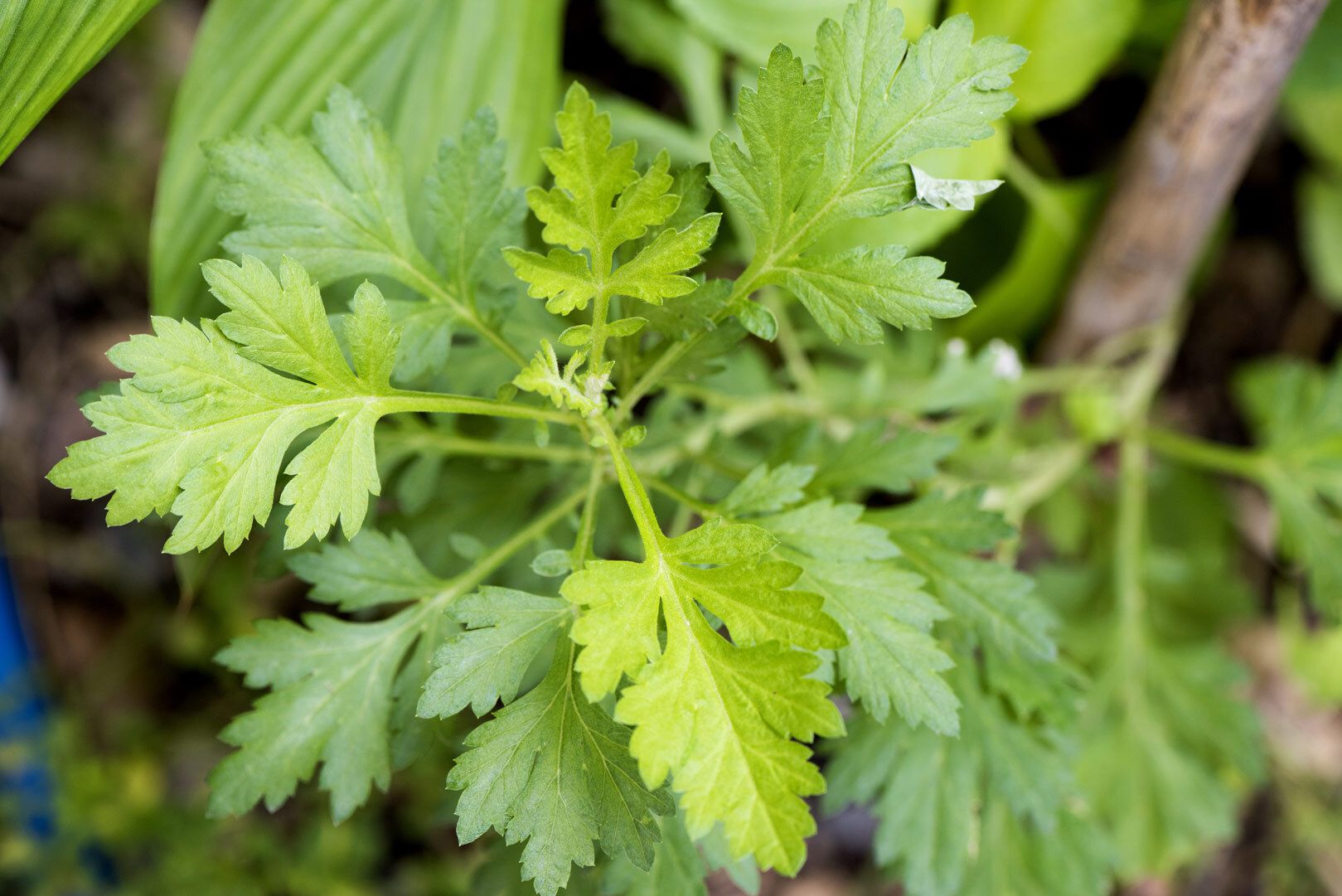
Long years of hard work followed. During these years devoted entirely to research, the scientist worked hand in hand with her team to study the effectiveness of 380 medicinal extracts from more than 200 plants. Exploring the mysteries of the art of healing in the ancient books of traditional Chinese medicine, Youyou Tu noticed the antipyretic effect of Qing hao, or sweet wormwood (Artemisia annua), mentioned in "The Handbook of Prescriptions for Emergencies" by Ge Hong, a text dating from around AD 317 to 420. In the tests she carried out on mice, she noticed that this Chinese plant, then known for bringing down fever, seemed to reduce the number of parasites in the blood.
By looking closely at Artemisia annua, she discovered artemisinin, a substance derived from sweet wormwood. She modified the extraction process for this substance to make it more effective before isolating it. She would then be the first to test this remedy. Then, once assured of its safety, she began human trials on real patients suffering from malaria. The tests proved conclusive: artemisinin brought down fever and reduced the number of parasites in the blood.
A treatment for malaria came into being thanks to the discovery and study of the effect of artemisinin. It is a new contribution to the planet, showing that traditional Chinese medicine is not the polar opposite of modern medicine but that, on the contrary, the two can be complementary.
In 2015, when Youyou Tu received the Nobel Prize in Medicine, her lecture was entitled "The discovery of artemisinin: a gift from traditional Chinese medicine to the world".2
In 2021, China was certified malaria-free by the WHO (zero cases for four years in a row). If the country succeeded in eliminating this scourge, it was largely thanks to the research of Youyou Tu, an exceptional woman whose determination and sacrifices contributed greatly to this global victory. 3