- Where does pearl powder come from?
- Pearl powder: the caviar of the cosmetics industry
- Its production in China
- Its incredible composition
- The use of pearl powder in traditional Chinese medicine
- Its real benefits for the skin

Pearl powder (Zhen zhu fen): the natural anti-wrinkle treatment of Chinese empresses

A true secret of youth in China, pearl powder has been used by women since time immemorial to preserve the beauty of their skin. Little known in the West, it is a fascinating ingredient whose benefits have been praised for thousands of years by the world’s oldest pharmacopoeias, notably the Chinese pharmacopoeia.
Discover everything you need to know about pearl powder (or Zhen zhu fen), a precious natural anti-wrinkle ingredient at the heart of beauty rituals in Asia.
Where does pearl powder come from?
The use of pearl powder is very ancient. Indeed, the Egyptian, Asian and Native American pharmacopoeias were already praising its benefits for health and beauty thousands of years ago. Its use is even mentioned in an Indian treatise dating from 1240 BC!
In China, pearl powder has been known and used for more than 2,000 years. The history of its use is thus closely bound up with that of ancient China: at that time, the pearl was seen as a symbol of purity, beauty and longevity.
It is said that under the Tang dynasty, the emperors were convinced that consuming crushed pearls conferred spiritual immortality. Over time, the use of this extraordinary ingredient extended to beauty care. The Chinese empresses made it a precious weapon of seduction: ointments were prepared to enhance their complexion and prevent wrinkles, and they regularly consumed the powder in order to preserve their youth, increase their energy and boost their libido…
A rare and very expensive ingredient, pearl powder was prized by women willing to pay a high price to counter the effects of time. Its use gradually spread throughout Asia, notably to Japan, where geishas used it to achieve a luminous complexion. Pearl powder is thus probably one of the oldest known anti-wrinkle ingredients in the world.
Pearl powder: the caviar of the cosmetics industry
Its production in China
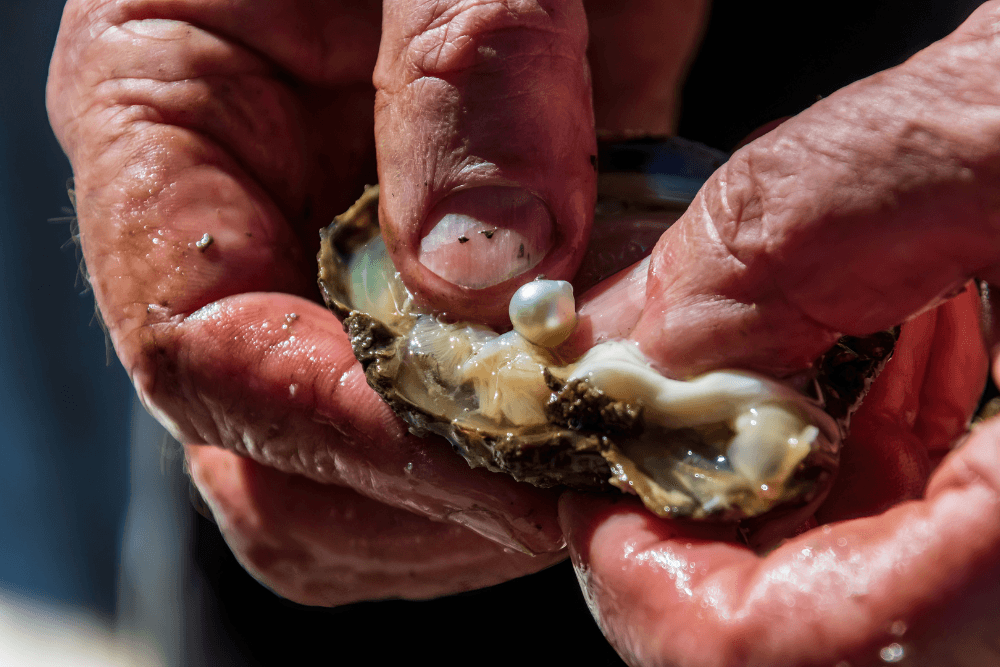
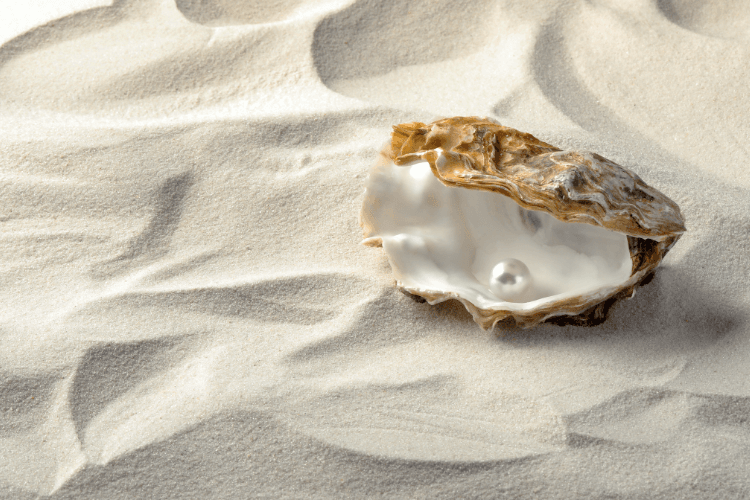
Pearl powder, also called “nacre powder” or Zhen zhu fen in Chinese, comes from various species of pearl oyster. Three are particularly well known: Hyriopsis cumingii, Cristaria plicata and Pinctada maxima.
The first two, native to China and found in fresh water, were long associated with traditional pearl production. However, from the 16th century onwards a new species was introduced to the market: Pinctada maxima. This saltwater pearl oyster is found mainly in the tropical and subtropical waters of the Indo-Pacific region. It is renowned for producing beautiful, high-quality pearls that are generally very costly…
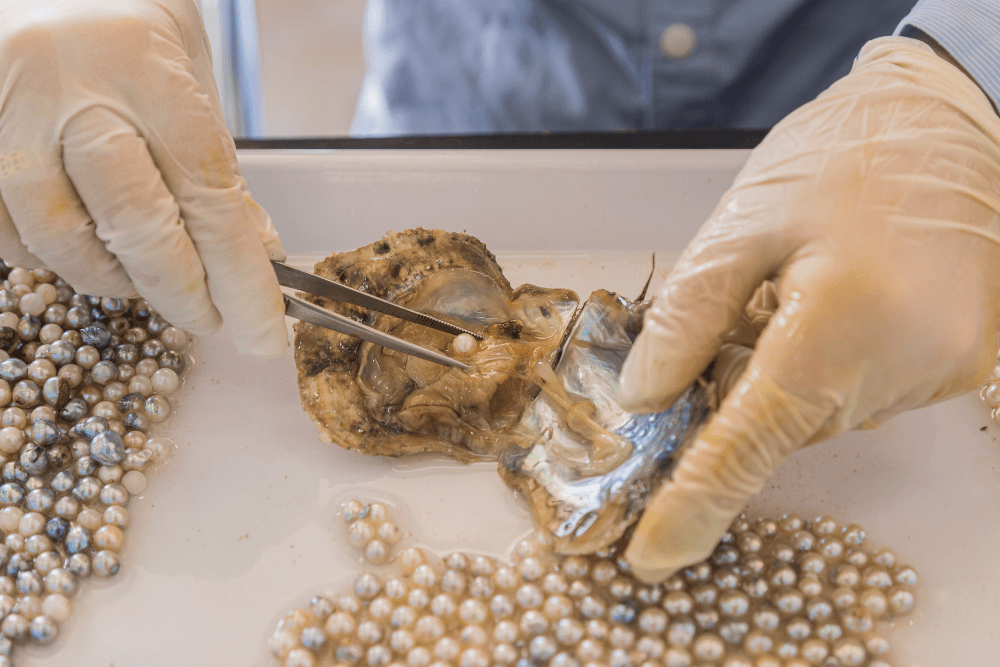
Making pearl powder involves several stages, the first being the formation of the pearl. The formation of a pearl begins with a natural defence process by the mussel in response to an irritation or an intrusion into its body: faced with the aggression of a foreign particle entering its mantle (when this intrusion is deliberately caused by humans in order to obtain a pearl, it is called the “grafting process”), the mussel secretes nacre around the particle, which then hardens and forms a pearl. Next, the pearls are harvested and sorted according to very precise quality standards, then cleaned and dried before being cold-ground into a very fine powder (similar to talc).
To meet the growing demand for pearl powder, China has built up a solid infrastructure for producing freshwater pearls, with pearl farms spread across several regions of the country. The regions of Hainan, Zhejiang, Jiangsu and Guangdong are particularly renowned for their production of freshwater pearls and derived products such as pearl powder.
As a result, pearl powder is a rare commodity, almost a luxury. It sells for nearly €1,000 per kilo. Some sellers do offer much more affordable products… but beware! With all the enthusiasm surrounding the benefits of nacre, many have started selling pearl powder… for better and for worse. Indeed, dishonest traders do not hesitate to sell a common mixture of nacre, shells and crushed molluscs (much cheaper to produce, admittedly, but not very effective) which they pass off as pearl powder. Because, of course, what gives pearl powder its value is the quality of the nacre.
Its incredible composition
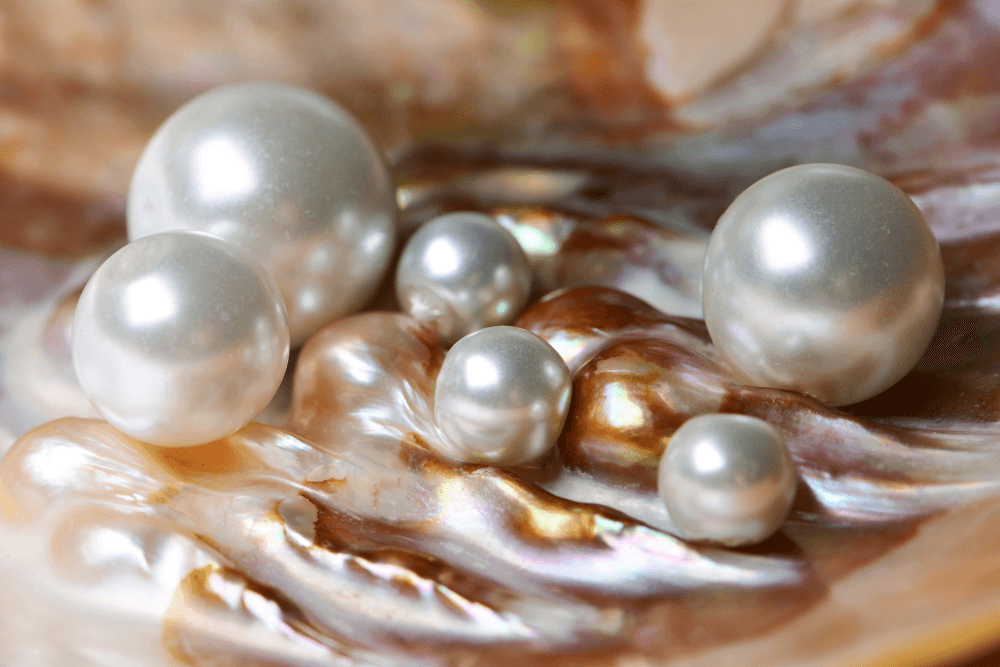
Pearl powder is therefore mainly made up of ground nacre… but not only that! Indeed, what makes this very special ingredient so popular is the richness of its composition. According to studies carried out on pearl powder in recent years, it has been shown to consist of calcium, magnesium, numerous trace elements, more than 16 amino acids, proteins and also minerals1. A true treasure trove of benefits!
Its virtues for health and beauty are thus confirmed by the multitude of active ingredients it contains. It is not for nothing that it was long considered the beauty secret of Chinese women and that it is now found in the composition of many creams and other cosmetic products.
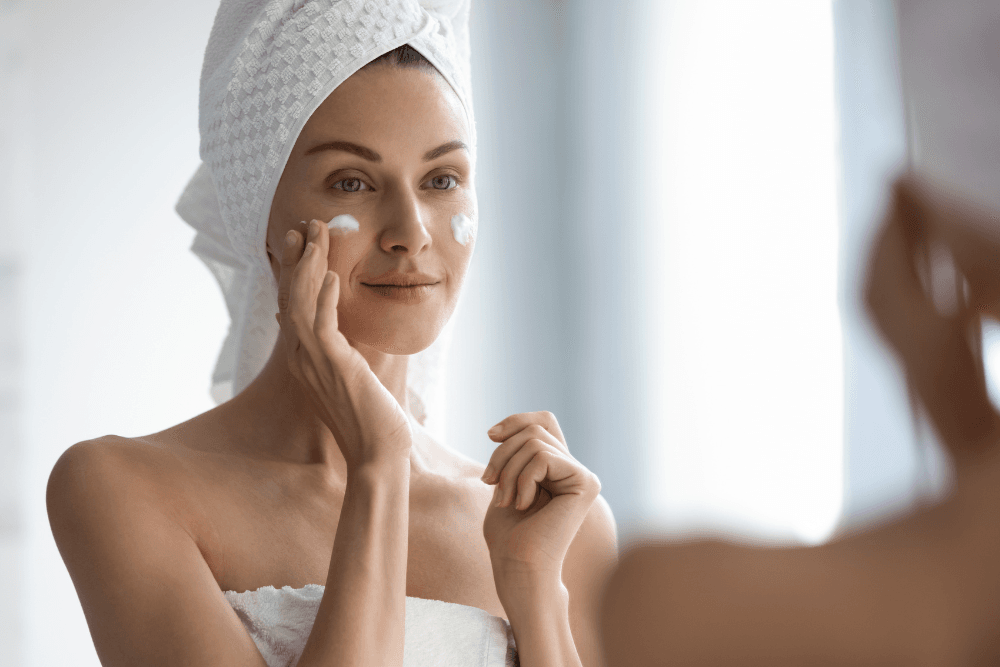
However, a word of warning seems essential regarding pearl powder intended for external use: generally very highly concentrated in calcium (up to 70%), it is a danger to health if consumed (an excess of calcium in the body causes serious disturbances to its functioning.). Indeed, a powder for internal use should never contain more than 15% calcium. It is therefore essential to be vigilant about the type of powder you buy.
So, although it is several centuries old, pearl powder is still seen today as a kind of ancestral magic potion, a rare substance in which the West is beginning, tentatively, to take an interest…
The use of pearl powder in traditional Chinese medicine
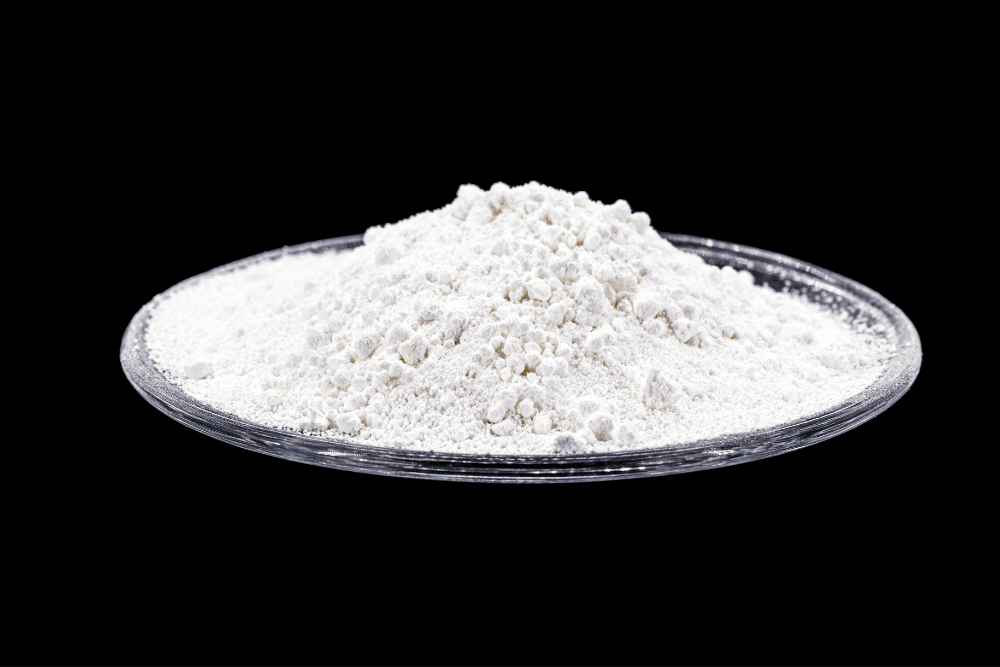
In traditional Chinese medicine (TCM), pearl powder (known as Zhen zhu fen) is reputed to calm the Shen (the Spirit), soothe the Heart and clear the Liver.
Traditionally, its use was recommended to improve the appearance of the skin, brighten the complexion and prevent wrinkles. Far from being a simple beauty product, pearl powder is also used to tonify Qi and improve energy. What is more, it is an aid to falling asleep in times of stress and agitation, since it soothes the Shen.
Many people also use it to preserve bone health. Indeed, pearl powder has long been considered an effective remedy for supporting bone regeneration and promoting joint health.
What is more, just as it was for the empresses several centuries ago, pearl powder is considered a booster of the female libido. Women’s ally, I tell you!
Its real benefits for the skin
Far from being mere legend, studies have shown that pearl powder does indeed have a significant effect on the appearance of the skin, notably an anti-ageing effect. Indeed, thanks to the richness of its composition, pearl powder acts on skin cells (fibroblasts), which has a direct effect on the skin’s suppleness2. As a result, it markedly improves its texture, promotes collagen regeneration and improves the healing process3.
In addition, pearl powder stimulates the production of antioxidants4 in the body. It also repels the free radicals responsible for oxidative stress (and premature skin ageing), thereby reducing wrinkles.
Were you wondering what Chinese women’s secret was for smooth skin and a porcelain complexion? Now you finally have the answer! Still little known in the West and therefore little studied, pearl powder is nonetheless a natural anti-wrinkle ingredient firmly rooted in Asian beauty rituals.
With the growing demand for natural products in our societies and the enthusiasm surrounding skincare (in other words, looking after your skin), pearl powder fascinates and is attracting more and more interest from those devoted to seeking out exceptional products.