- Is getting back into the swing of things harder than expected?
- Why does autumn weigh on our body?
- Getting in tune with the rhythm of the season
- Four principles for living well in autumn
- Adopt a regular pace of life
- Favour moderate physical activity
- A diet that hydrates and nourishes the breath
- Look after your emotions
- An autumn recipe
- Autumn: the ideal season to take care of your lungs


Is getting back into the swing of things harder than expected?
Barely back from holiday, and you already feel the pace slipping away from you: low energy, a slightly foggy mind, restless nights… even that slight morning chill settling into the body before temperatures have really dropped.
You might think it is simply the famous "post-holiday blues", or the return of routine-related stress. But in Traditional Chinese Medicine (TCM), these signs are in fact markers of a profound change: the change of season.
The shift from summer to autumn is a pivotal stage for the body. Summer energy, expansive and outward-looking, begins to draw inwards. The body starts a more introspective, recentring movement to prepare for the cold season. This shift can create imbalances if we don't adapt to it: more marked fatigue, mood swings, greater fragility… all signals that the body is looking for its new rhythm.
Why does autumn weigh on our body?
- Drier, more irritating air
With the arrival of autumn, the air becomes drier and the wind more frequent. This is often felt in the first feelings of tightness: a more sensitive throat, drying skin and lips, respiratory discomfort…
According to TCM, this is the season when the Lungs, the key organs of autumn, are most vulnerable. They like neither wind nor dryness: two factors that are very present at this time of year.
- Temperatures on a rollercoaster
Autumn alternates between warmth during the day and coolness in the evening. These sudden variations take the body by surprise and disrupt its ability to adapt. The result: shivers, sensitivity to cold, or what TCM calls an invasion of Wind-Cold, which can lead to minor passing complaints if you're not careful.
The days get shorter, the mornings darker, the evenings stretch into the gloom. This change in the rhythm of light acts directly on our mood and energy levels.
Less light often means less drive, a desire to withdraw, fatigue setting in… even a vague sense of loneliness or low motivation. And when the nights themselves are restless, it becomes a vicious circle that is hard to break.
Getting in tune with the rhythm of the season
In TCM, "following the rhythm of the seasons" is a golden rule for preserving vitality. The Huangdi Neijing (The Yellow Emperor's Inner Classic) recommends:
"During the three months of autumn, one should go to bed early and get up early, rising with the cock's crow… in order to calm the mind and balance the body's energy."

In other words, autumn is not a season to "endure", but an invitation to slow down, calm the mind and strengthen your inner energy. As yang gradually fades and yin grows stronger, it is essential to respect this natural movement to support our physical and emotional balance.
Four principles for living well in autumn
-
Adopt a regular pace of life
-
Favour moderate physical activity
-
A diet that hydrates and nourishes the breath
-
Look after your emotions
Autumn means shorter days and longer nights. Going to bed early and getting up early isn't just advice about the body clock: sleeping early nourishes the inner shade (yin), while rising with the daylight stimulates the breath of the lungs.
When the weather turns cooler, there's no need to wrap up too warmly: letting the body acclimatise naturally strengthens its resistance to cold. A regular rhythm helps balance yin and yang, while supporting your natural defences.
Autumn is the "harvest" season: gentle, regular movement is best. Too much effort drains vital energy (yang), while inactivity encourages a few extra kilos before winter.
Walking, light jogging, yoga or tai chi… breaking a light sweat is enough. These activities stimulate the lungs and prepare the body to face the drier climate.
With the arrival of autumn, the air becomes drier and the body needs more moisture to function harmoniously. So this is the time to adopt a gentle, hydrating diet suited to this season of transition.
- Favour sour and sweet flavours:
Slightly sour flavours, such as those of cornelian cherries, citrus fruit or plums, are precious in autumn.
In Chinese medicine, they have the ability to consolidate Lung Qi and preserve the internal fluids.
- Focus on hydrating foods:
Certain foods help soothe the dryness typical of this season and nourish yin:
pear, lily bulb, silver ear (tremella), black sesame, honey, white radish…
These simple, accessible ingredients support breathing, transit and the skin.
- Take inspiration from seasonal cooking:
A bowl of lightly sweetened pear and silver ear soup,
or a cup of light white tea at the end of the day, are simple gestures
to hydrate the lungs and soften the body.
As TCM reminds us: "Not following the rhythm of the seasons can harm the lungs, affect the winter reserve and weaken health the following year."
Autumn can bring on a slight veil of melancholy. Keeping a calm mind is essential. Meditation, music, writing or moments shared with friends: all simple ways to release tension and avoid isolation.
A harmonious emotional state supports the proper functioning of the lungs and strengthens immunity.
An autumn recipe
- Pear & snow fungus soup
An ideal drink to hydrate the lungs and soothe autumn dryness. It brings freshness and comfort when the air becomes drier, especially if your throat feels tight or your breathing seems less smooth.
According to TCM, snow fungus nourishes Lung yin and tonifies the spleen, while providing precious vital energy.

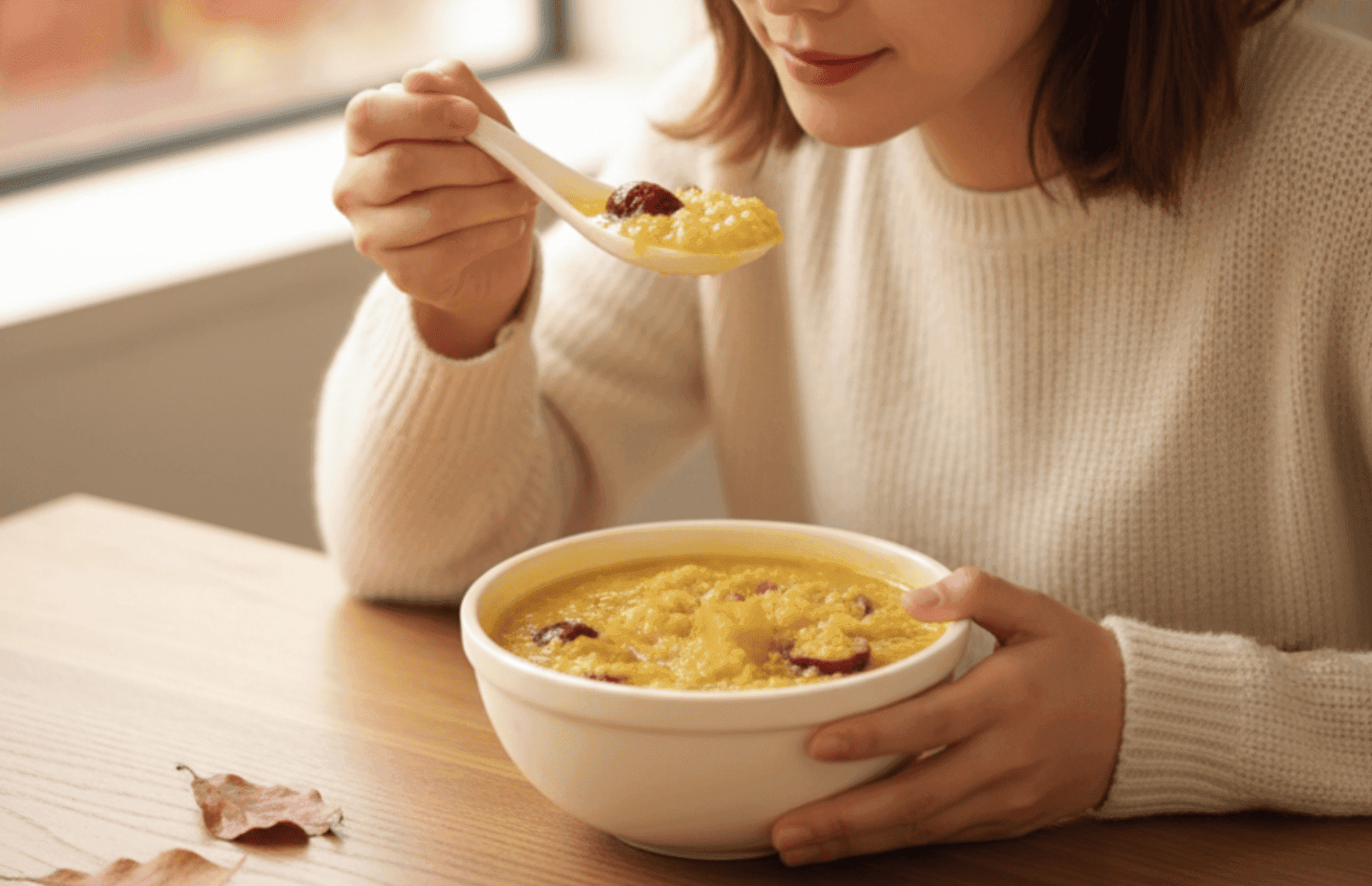
- Autumn pumpkin porridge
An ideal breakfast to tonify the spleen, warm the stomach and hydrate the lungs. Perfect for preventing digestive discomfort linked to autumn temperature swings. According to TCM, pumpkin acts on the spleen and stomach meridians: it strengthens vital energy, helps reduce swelling and promotes detoxification.
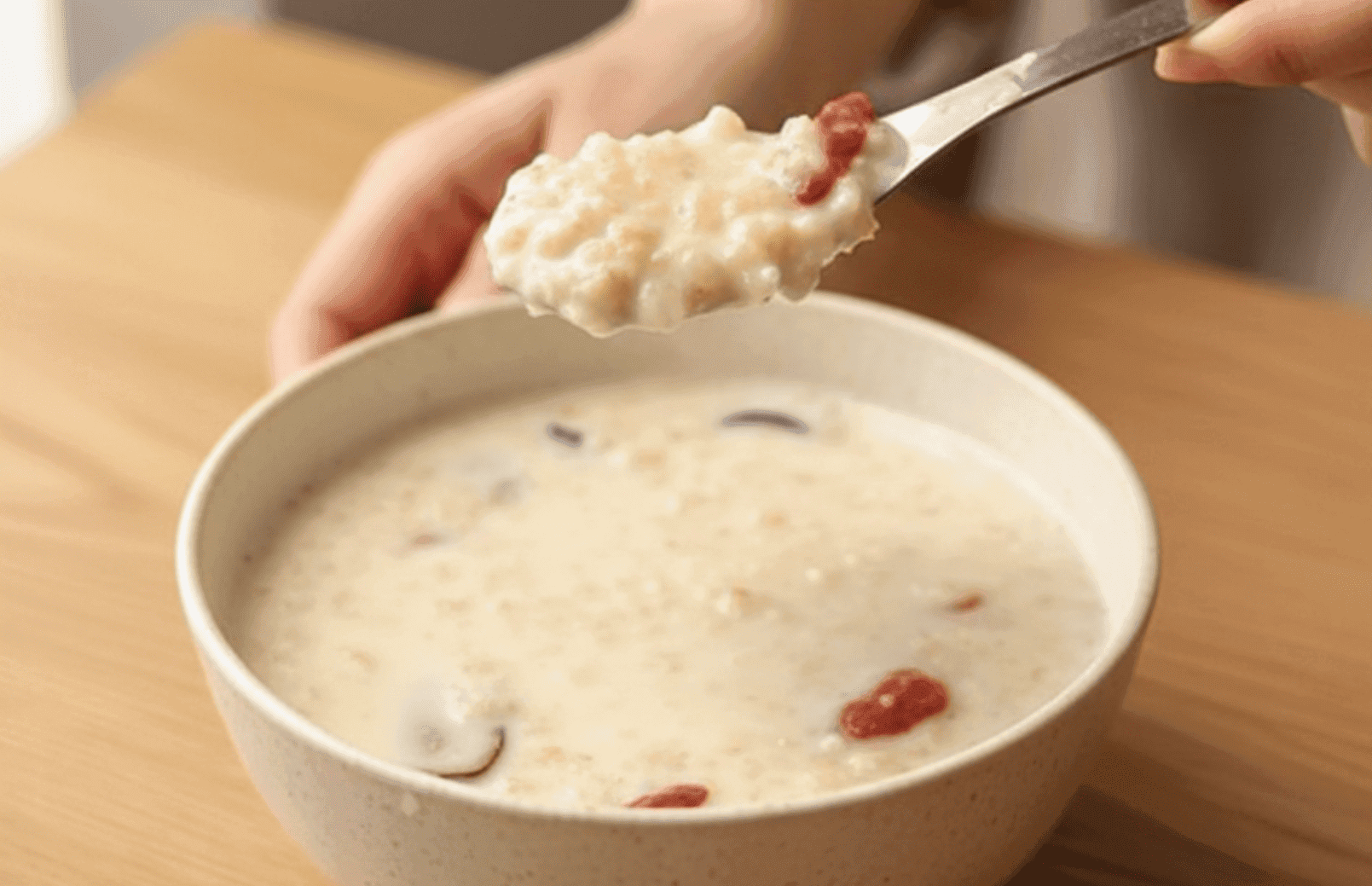
- Oat porridge with honey
An ideal breakfast or snack to strengthen the spleen, support digestion and promote good transit. In TCM, oats are known for supporting Spleen energy, while honey and dried fruit add a touch of sweetness and promote digestive balance.
Autumn: the ideal season to take care of your lungs
In TCM, the lungs belong to the metal element, and their energy peaks in autumn. So this is the perfect time to take care of your lungs and nourish Lung yin.
Taking care of Lung yin also means supporting the spleen, because according to five elements theory, metal (lungs) is generated by earth (spleen). Regulating the spleen well during autumn thus helps protect your lungs and prepare your body for the coming winter.
To go further, Calebasse Laboratoire offers practical TCM-based supplements, such as lily bulb, easy to fit into your daily routine to strengthen the body and stimulate vital energy during the autumn season.


