- The secret of women's "cold" nature
- What is uterine cold?
- The 20 causes that encourage uterine cold: do you recognise any of them?
- 1. Eating too many cold foods
- 2. Staying up late and irregular hours
- 3. A sedentary lifestyle and lack of movement
- 4. Clothes that are too light
- 5. Exposure to cold during periods
- 6. Stress and frequent emotional instability
- 7. Wet clothes or soaked feet
- 8. Leaving your hair wet
- 9. Baths or showers that are too cold
- 10. Sitting on cold surfaces
- 11. Trousers or socks that are too short
- 12. Diets that are too strict or irregular meals
- 13. Iced drinks during periods
- 14. A damp, poorly ventilated bedroom
- 15. Outdoor sport in cold weather
- 16. Walking barefoot on a cold floor
- 17. Eating outdoors in winter or late evenings out
- 18. Excessive fatigue
- 19. Exposure to cold after childbirth
- 20. Heredity


Uterine cold: 20 causes according to Chinese medicine — watch out if you recognise yourself in more than 3!

Have you ever noticed that many women constantly have cold hands and feet, while the men around them seem perfectly comfortable? This isn't just a simple difference in sensitivity between the sexes. In women, this persistent feeling of cold can reflect a deeper imbalance: what Traditional Chinese Medicine calls "uterine cold".
The secret of women's "cold" nature
In the Huangdi Neijing, the great classic of Traditional Chinese Medicine, we read: "Yin and yang are the vital forces that govern man and woman."
- Man embodies yang: warmth, dynamism, movement.
- Woman, for her part, is associated with yin: coolness, moisture, stability.
It is this fundamental difference between yin and yang that makes women naturally more sensitive to cold. Physiologically, the uterus, the central organ of feminine energy, is considered a naturally "cold" area. When it is not properly protected or warmed, cold can easily settle there, leading to menstrual problems, icy extremities and even imbalances that affect fertility.
What is uterine cold?
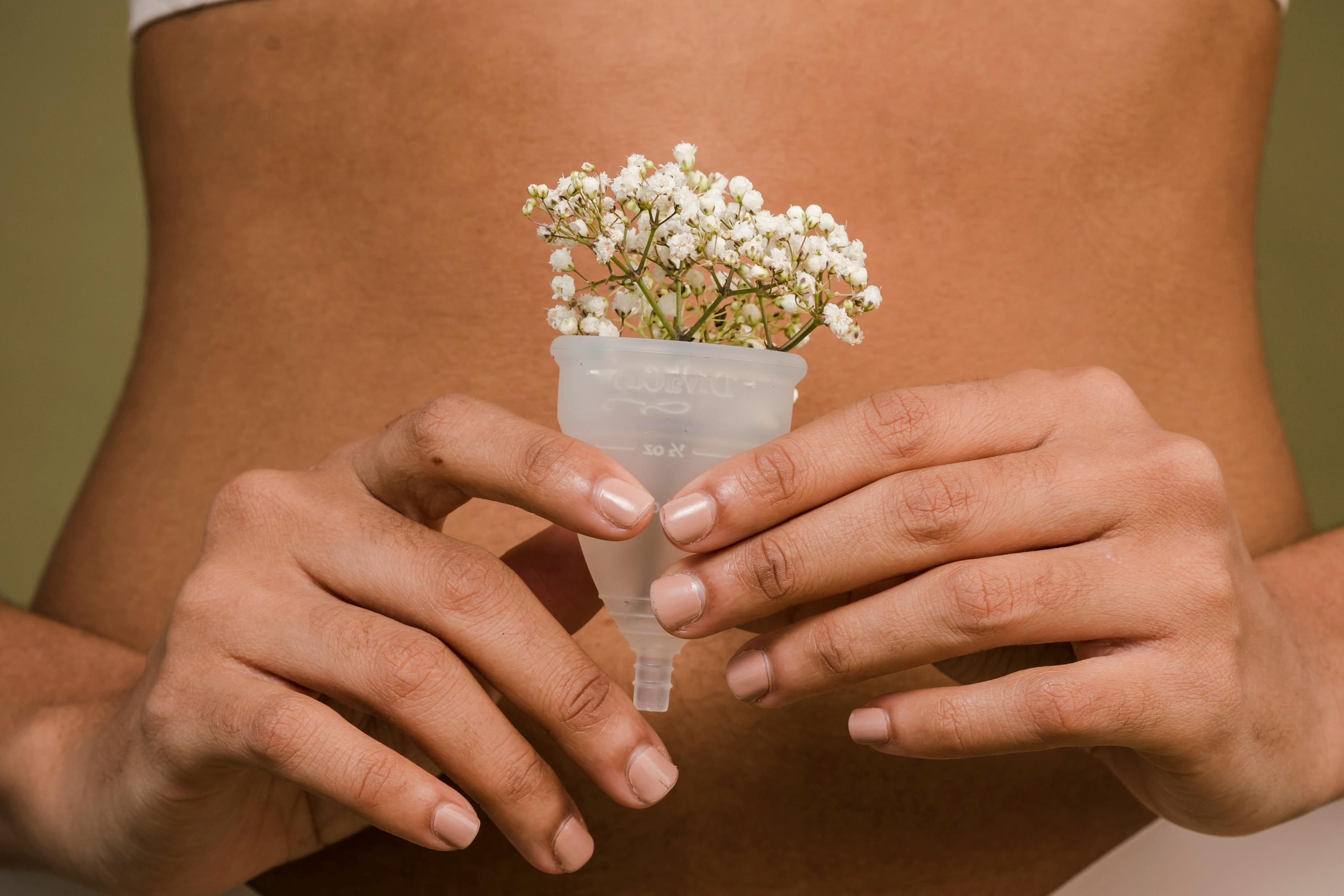
According to Traditional Chinese Medicine, the uterus is an organ that is naturally sensitive to cold. When it cools down, this disrupts the circulation of Qi (vital energy) and blood, which can lead to menstrual problems, period pain, cold extremities… and can even affect fertility. Yet many of today's lifestyle habits, often harmless in appearance, can aggravate this phenomenon and encourage "uterine cold" to set in.
The 20 causes that encourage uterine cold: do you recognise any of them?
1. Eating too many cold foods
Iced drinks, cold water, fruit straight from the fridge… consumed in excess, these foods cool the body from the inside. They weaken digestion, slow blood circulation and can encourage cold to settle in the lower abdomen.

2. Staying up late and irregular hours
Insufficient or out-of-sync sleep disrupts the hormonal system and weakens vital energy (yang), which is essential for keeping the body warm. The result: the uterus becomes more vulnerable to cold and its effects.
3. A sedentary lifestyle and lack of movement
Spending too much time sitting or not moving slows blood circulation in the lower body, making it easier for cold to settle in the uterus.
4. Clothes that are too light
Wearing short or skimpy clothes, such as crop tops or thin trousers, can expose the abdomen to cold. Over time, this weakens the uterus by letting cold settle there.
5. Exposure to cold during periods
During periods, the body is more vulnerable. Being exposed to cold at this time can intensify pain, disrupt the cycle and further weaken vital energy.

6. Stress and frequent emotional instability
Strong or frequent emotions, such as stress, anger or anxiety, can block the circulation of Qi and blood. This imbalance encourages cold to settle around the uterus, further weakening your inner balance.
7. Wet clothes or soaked feet
Wearing damp clothes or shoes for a long time allows cold and damp to seep into the body, especially through the feet or lower back. The result: cold spreads and weakens the uterus without you realising it.
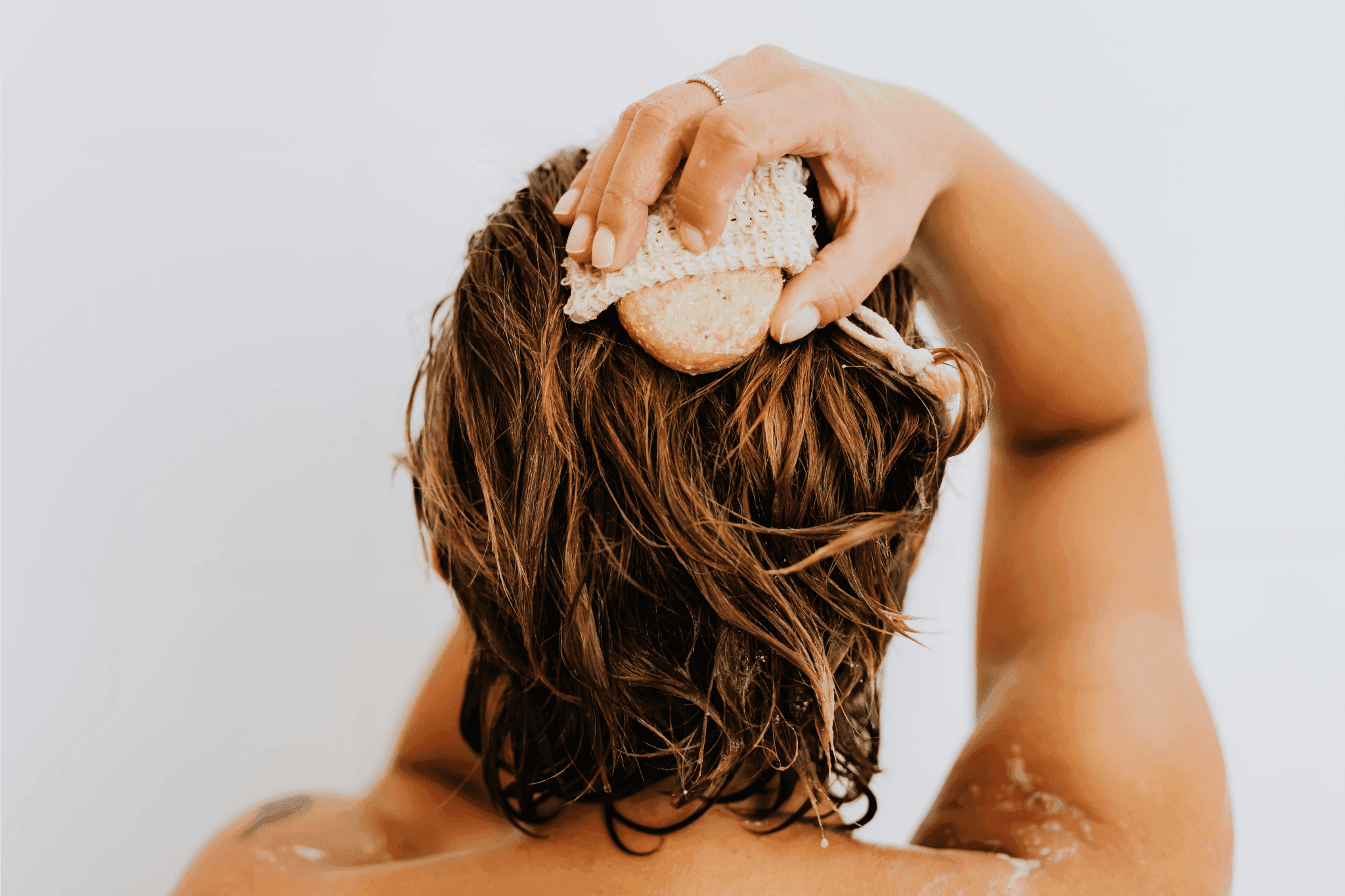
8. Leaving your hair wet
Not drying your hair after washing it, especially in cool weather, lets damp penetrate through the scalp. This disrupts blood circulation and the body's overall thermal balance, increasing sensitivity to cold, including in the uterine area.
9. Baths or showers that are too cold
Taking cold showers or baths can slow blood circulation, especially in the lower body. This sudden cooling opens the door to internal cold, weakening the pelvic area and, in time, the balance of the uterus.
10. Sitting on cold surfaces
Sitting on a tiled floor, a stone bench or a cold metal chair may seem harmless… but this direct contact with cold weakens the uterus. Repeated exposure encourages cold to seep into the lower abdomen, slowing circulation and disrupting the energy balance of this sensitive area.
11. Trousers or socks that are too short
Ankles are not just a forgotten zone in fashion: in TCM, several essential meridians run through them. Leaving them exposed to cold, with trousers that are too short or thin socks, can disrupt the circulation of energy and blood, weakening internal warmth, particularly that of the uterus.
12. Diets that are too strict or irregular meals
Drastic diets, skipped meals and an unbalanced diet weaken Qi (vital energy) and reduce the body's internal warmth. The result: the body becomes more vulnerable to cold, particularly in the uterus.

13. Iced drinks during periods
During periods, the body is more fragile. Consuming cold drinks or ice cream can slow blood circulation in the uterus, encouraging pain, cramps and cycle irregularities.
14. A damp, poorly ventilated bedroom
Sleeping in a damp, poorly ventilated environment creates ideal conditions for cold to gradually seep into the body, especially the lower abdomen and uterus, weakening feminine energy balance.
15. Outdoor sport in cold weather
Exercising outdoors in cold weather without suitable clothing exposes the lower abdomen and legs to cold, weakening the uterine area and disrupting energy circulation.
16. Walking barefoot on a cold floor
Direct contact with a cold floor allows cold to rise through the feet, which are sensitive areas according to TCM. This cold can then spread to the uterus and disrupt its natural warmth, gradually weakening your energy balance.
17. Eating outdoors in winter or late evenings out
Even with heaters, staying outside for a long time in winter, especially sitting down, exposes the lower body to cold. The cold can creep in unnoticed, reaching the belly and gradually weakening the warmth of the uterus.

18. Excessive fatigue
When the body is too tired, its vital energy decreases, weakening its natural defences. This makes it more vulnerable to cold, particularly in the uterus.
19. Exposure to cold after childbirth
After childbirth, the body is recovering and especially sensitive. If warmth is not properly preserved, cold can easily seep in and weaken the uterus for a long time.
20. Heredity
If your mother or other women in your family have suffered from what is called "uterine cold", you may also be more sensitive to this energy imbalance.
If you recognised yourself in more than three of these situations, it may be time to act.
Uterine cold often sets in silently, without warning. But don't panic: we have designed a personalised test to help you take stock. In a few minutes, identify potential imbalances and discover targeted solutions to warm your body and regain your vitality.
Take the test now and take care of your feminine energy.
And you, would you like to know the current state of your uterus? Answer a few questions and find out now!