- What if your hair revealed a deeper imbalance?
- Why does hair really fall out?
- 1. Hair is linked to the Liver and Kidneys
- 2. Hair needs to be nourished by Blood
- 3. Modern lifestyles unbalance the terrain
- How can you support this balance day to day?
- 1. Nourish in depth with suitable herbs
- 2. A simple recipe to nourish your hair every day
- 3. Adjusting your daily routine


What if your hair revealed a deeper imbalance?
Stress, fatigue, changes in routine... Sometimes it feels as though everything shows in our hair. It falls out more, becomes thinner and drier. And worry quickly sets in.
But hair loss is not always just a question of shampoo, season or hair care. In the reading of Traditional Chinese Medicine, it can also reveal a more general imbalance in the body.
Why does hair really fall out?

In Traditional Chinese Medicine, hair is not considered a purely cosmetic matter. It reflects the body's internal state.
1. Hair is linked to the Liver and Kidneys
According to Chinese medicine, hair is closely linked to the balance of the Liver and Kidneys, two essential functions of the body. The Kidneys are associated with the body's deep resources and vitality. The Liver, for its part, is linked to Blood, but also to emotional balance. When these functions are weakened, hair can lose strength, density or shine[1].
This reading also helps explain why certain periods of intense fatigue, nervous tension or mental load can be reflected in the hair. In other words, hair is not seen as an isolated issue: it is part of a wider balance.
2. Hair needs to be nourished by Blood

In Chinese medicine, it is said that hair is the reflection of Blood (发为血之余,血为发之本), insofar as it depends directly on the quality and circulation of Blood.
In other words, its density, shine and strength depend directly on its internal nourishment. When Blood is insufficient or poorly distributed, hair becomes dry, loses density and falls out more easily.
This also helps explain why hair can be weakened after a period of exhaustion, insufficient recovery, an unbalanced diet or overwork. When the body lacks resources, hair is often among the first to show it.
3. Modern lifestyles unbalance the terrain
Today, hair loss is rarely linked to a single cause.
On the contrary, the modern pace of life tends to make the situation more complex: chronic stress, disrupted sleep, irregular meals, an overly rich or unbalanced diet, nervous fatigue...
In the texts studied, this situation is often described as a mixed terrain, where internal weakness coexists with other imbalances that add to it[2].
This explains why modern hair loss is often more diffuse, more persistent and sometimes harder to understand if you look only at the hair itself.
How can you support this balance day to day?
Faced with hair loss, the reflex is often to look for a quick fix. Changing shampoo, piling on treatments, trying different supplements...
But acting on the hair alone is not enough. It is also about taking into account what influences its quality at a deeper level.
1. Nourish in depth with suitable herbs
For thousands of years in China, certain herbs have been renowned and widely used to support the beauty and quality of hair.
In Chinese tradition, these herbs are not seen as isolated solutions, but as ways of supporting the body in its overall balance.
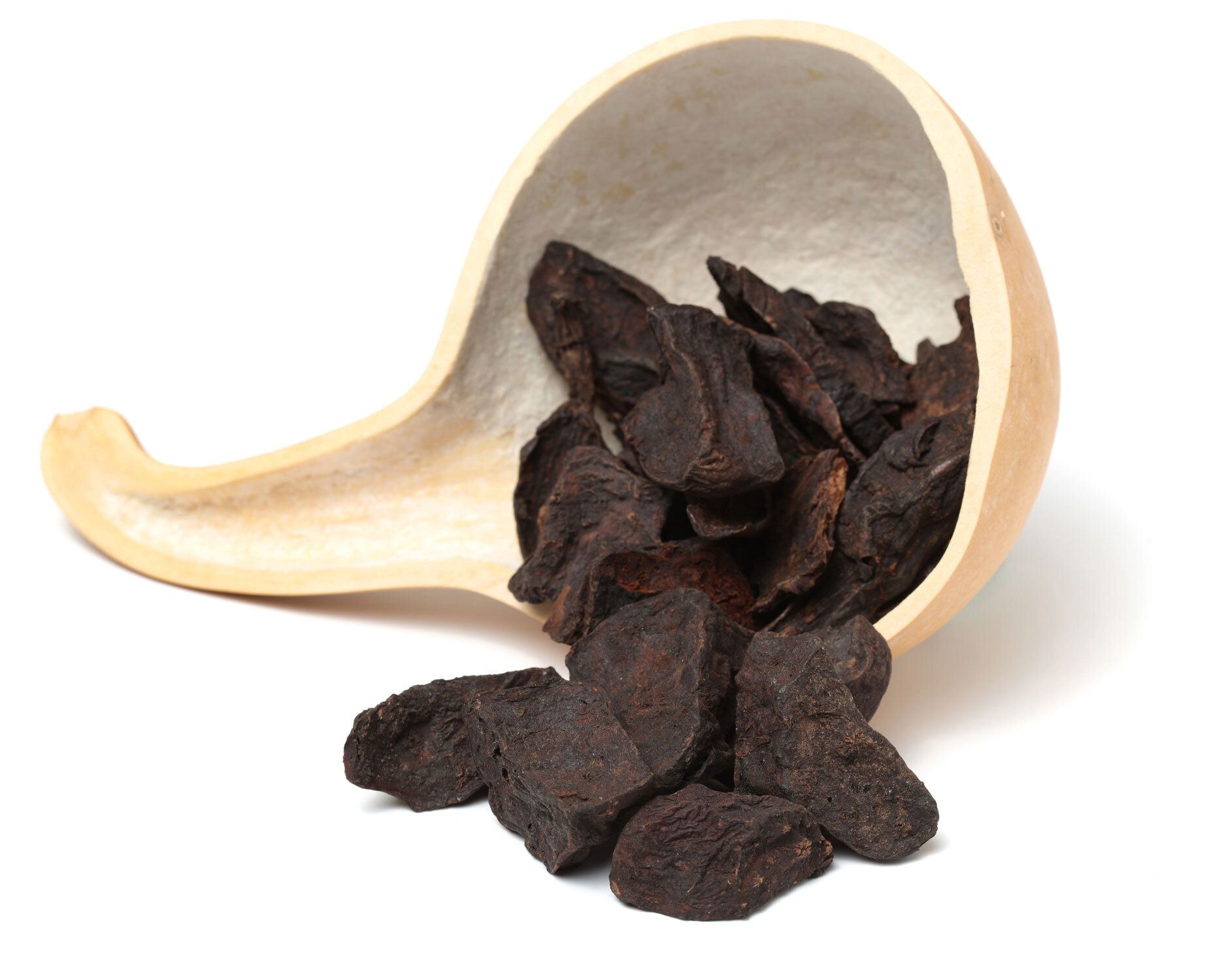
Still little known in the West, Fo-ti (He shou wu) is very popular in Asia for its remarkable effects on hair health. In 2011, a study showed that this plant "promotes hair growth by stimulating the structures beneath the skin that produce hair, bringing them back into the growth phase"[3]. It is therefore recommended to combat baldness and heavy hair loss.
What's more, the Chinese legend claiming that Fo-ti restored General Ho's dark hair turned out to be true. In 2017, researchers demonstrated its beneficial effects on premature grey hair[4].
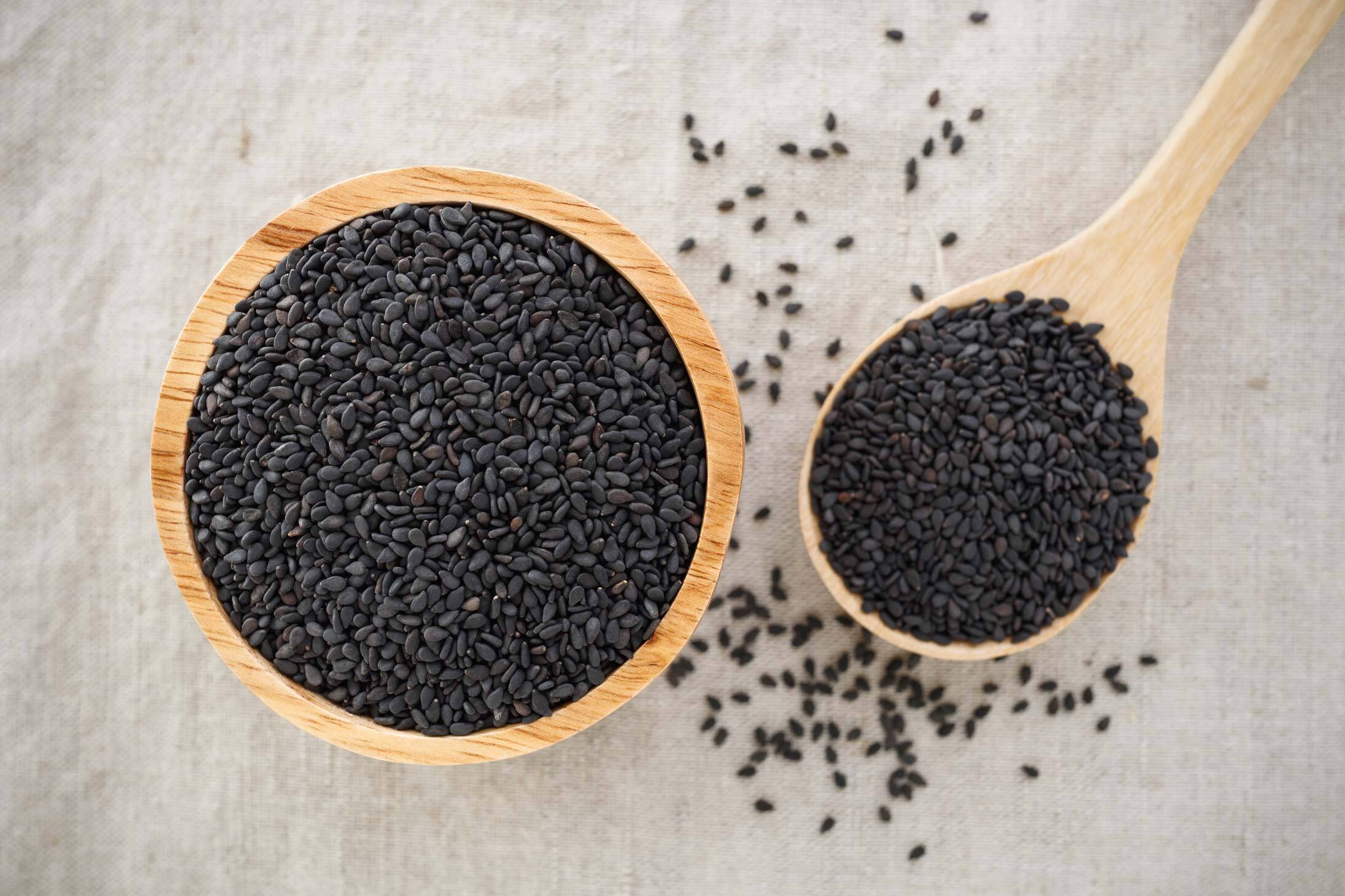
A secret beauty ingredient in China, Black sesame (Hei zhi ma) was included in the Hair Nutrition Formula for its nourishing action: it strengthens the hair by nourishing it in depth. This makes it an effective answer to dry, brittle hair.
A true ally, black sesame also promotes nail growth and helps strengthen nails.
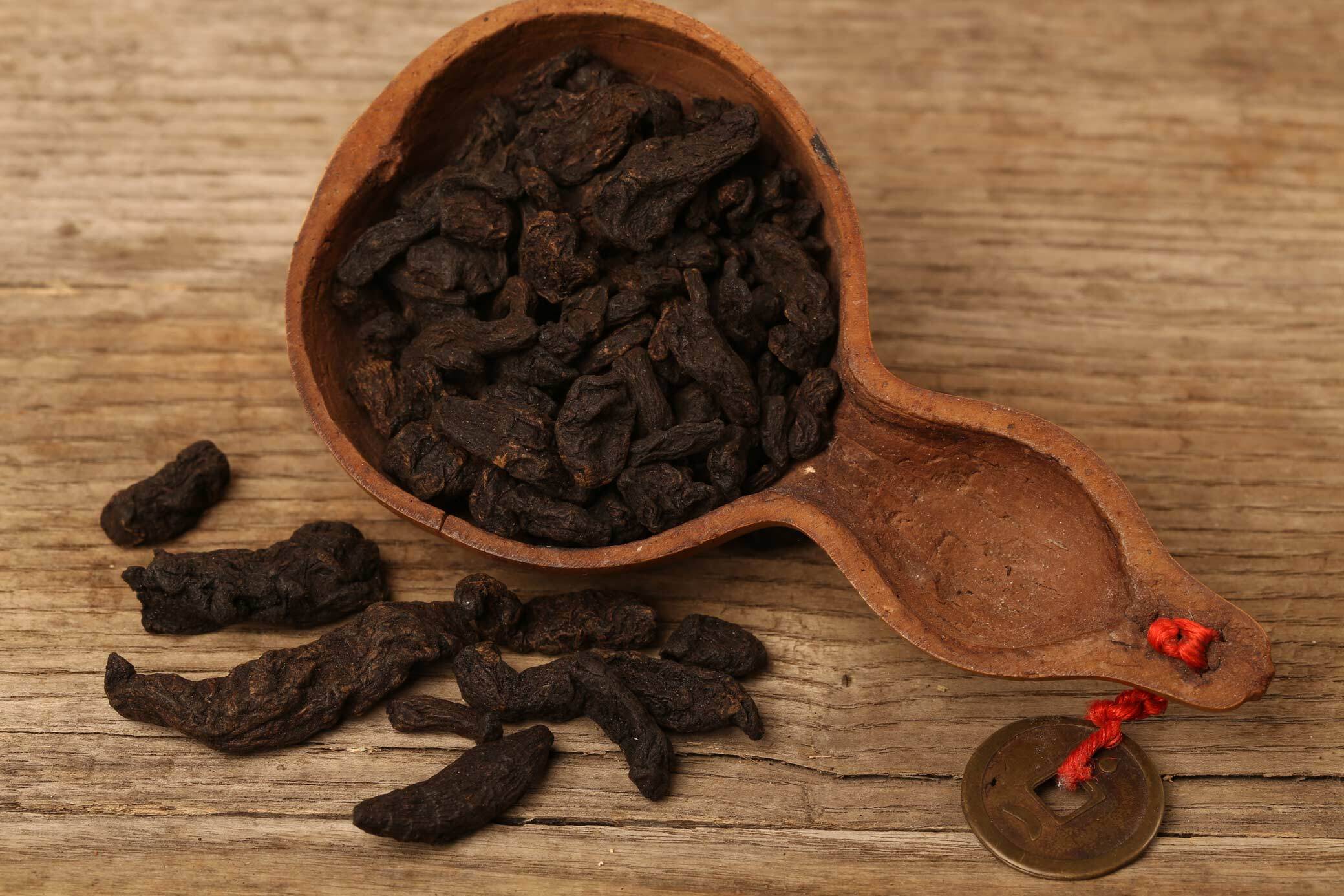
A great tonic of the Chinese pharmacopoeia, prepared rehmannia root (Shu di huang) is known to "rejuvenate the body". Besides its "anti-ageing" action, it has countless benefits for the body. As for hair health, it is reputed to strengthen hair, promote its growth[5] and slow down premature greying.
This is the thinking behind the Hair Nutrition Formula from Laboratoire Calebasse. It first brings together three emblematic herbs of Chinese tradition already mentioned above (fo-ti, black sesame and prepared rehmannia root), chosen for how well they complement each other in a holistic approach to hair health.

To this base is added a fourth plant: horsetail (Shan Cai), valued for its role in supporting the structure and strength of the hair. The formula thus combines:
- Fo-ti, traditionally linked to hair vitality
- Black sesame, valued for nourishing and strengthening
- Prepared rehmannia root, used to support the body's resources
- Horsetail, included to support the strength and hold of the hair fibre
Together, these herbs offer a more complete approach, one that is not limited to a single aspect of the hair, but seeks to support its quality, strength and vitality over time. Available as capsules or concentrated powder, the formula fits easily into a daily routine.
2. A simple recipe to nourish your hair every day
Beyond herbs, certain eating habits can also support hair quality. In Chinese tradition, simple preparations such as porridges have long been used to gently nourish the body, especially during periods of fatigue or imbalance.
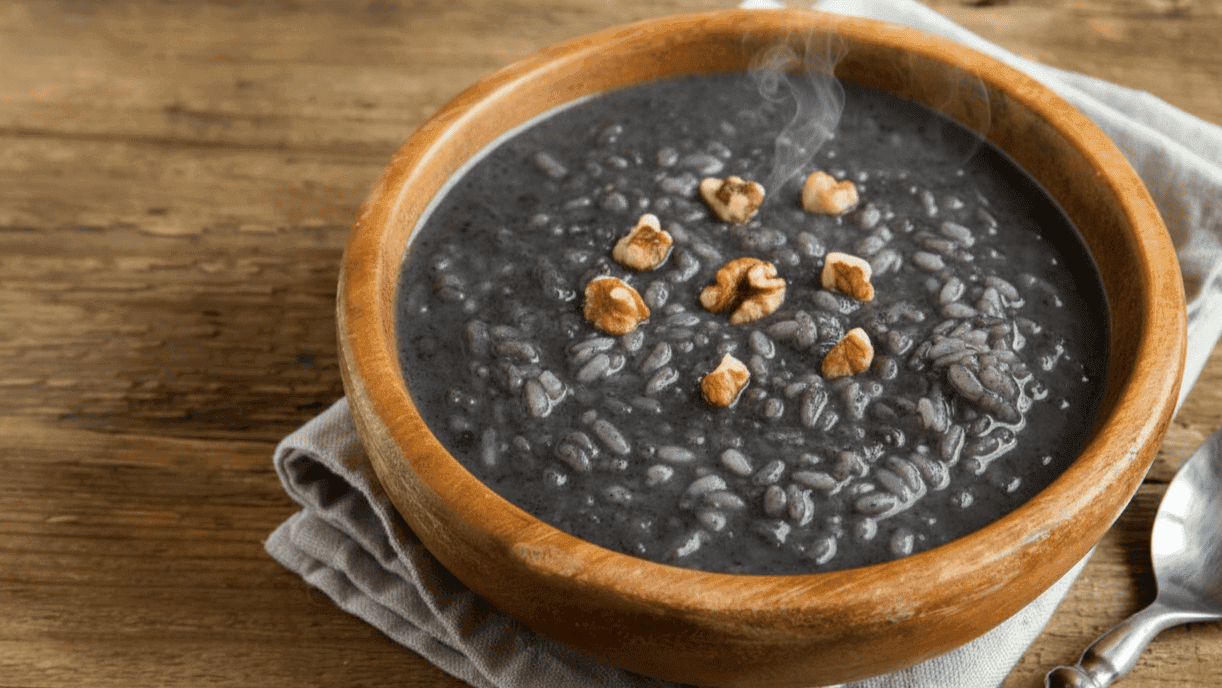
Ingredients:
- 20 g black sesame
- 15 g walnuts
- 50 g rice
- a few goji berries
- a little sugar or honey (optional)
Method:
- Rinse the rice, then cook it in water until it has a porridge-like texture.
- Add the black sesame, walnuts and goji berries, then continue cooking for a few minutes until creamy.
- Eat hot, ideally in the morning or at the end of the day.
In this approach: black sesame is associated with nourishment and strengthening, walnuts bring richness and support, and goji berries nourish the body in depth.
3. Adjusting your daily routine
Beyond herbs and diet, a few simple adjustments can support hair quality over time.
Sleep plays an essential role.
Going to bed before 11 pm and getting enough sleep allows the body to recover better and avoid fatigue that can, in the long run, show in your hair.
Stress and emotions have a direct impact on the body's balance.
Allowing yourself moments of pause (walking, listening to music, breathing) can help release built-up tension.
Diet plays a direct part in hair quality.
Favouring simple, nourishing foods while limiting excesses (sugary, fatty, very spicy) helps support the body over the long term.
Some everyday habits can make a difference:
- avoid repeated aggressions (colouring, excessive heat)
- choose gentler products
- don't wash your hair with water that is too hot
Simple details but, repeated over time, they can help preserve the quality of your hair.
References:
- Wu Chengyan, Sun Shifa and Zhou Wen, Research advances in the treatment of hair loss. Zhongyao Yaoli yu Linchuang (Pharmacology and Clinics of Chinese Materia Medica). 2015;31(2). doi:10.13412/j.cnki.zyyl.2015.02.155.
- Wen Qinjian, Liang Youya and Jiang Qiqne, A study of the causes, mechanisms and treatment of hair loss according to Traditional Chinese Medicine. China Health Care & Nutrition. 2012;II:293–295.
- Hye-Jin Park, Nannan Zhang and Dong Ki Park, Topical application of Polygonum multiflorum extract induces hair growth of resting hair follicles through upregulating Shh and β-catenin expression in C57BL/6 mice. J Ethnopharmacol. 2011 May 17;135(2):369–75. doi:10.1016.
- Nguyen Dinh Thang, Pham Ngoc Diep, Pham Thi Hong Lien and Le Thi Lien, Polygonum multiflorum root extract as a potential candidate for treatment of early graying hair. J Adv Pharm Technol Res. 2017 Jan-Mar; 8(1): 8–13.
- Chien-Ying Lee, Cheng-Chung Wei, Min-Chien Yu et al., Hair growth effect of traditional Chinese medicine BeauTop on androgenetic alopecia patients: A randomized double-blind placebo-controlled clinical trial. Exp Ther Med. 2017 Jan; 13(1): 194–202.
