Anxious and feeling low? Don't worry: warm up your body and find your smile again!

The hectic pace of working women in the city imposes constant stress: nights that are too short, pressure at work, an emotional rollercoaster... We chase success and fulfilment, but little by little the body starts sending out warning signals. Repeated insomnia, a disrupted menstrual cycle, unexplained bouts of the blues... These troubles seem trivial at first, then they settle in and make daily life feel heavier.
What if the source of this unease went far beyond stress? In traditional Chinese medicine, uterine cold (宫寒) is much more than a simple physical sensation: it directly influences emotions and the quality of sleep. When it seeps into the body, and into the uterus in particular, it blocks the circulation of vital energy, unbalancing the liver, the spleen and the kidneys. The result? Emotional fatigue, nervous tension, unstable moods.
But the good news is that there are ways to counter these effects! Discover how to warm your uterus, restore your balance and regain a calm, harmonious energy.
Part 1: Premenstrual anxiety – Harmonise your energies and soothe your mood
A few days before your period, do you feel an inner restlessness building up? Anxiety, irritability and stress seem to appear for no apparent reason, sometimes along with abdominal pain, insomnia or palpitations. If these symptoms sound familiar, it is very likely that an energy imbalance is at play, notably an excess of cold stagnating in the uterus, which disrupts your menstrual cycle.
These discomforts are part of premenstrual syndrome (PMS), an emotional and physical imbalance that can weigh heavily on daily life, especially in times of intense stress. Behind this instability, internal cold plays a key role by blocking the circulation of energy and blood, making emotions more volatile and the body more sensitive to tension.
Good news: this imbalance is not inevitable! With simple habits and natural methods, it is possible to warm the body, harmonise the emotions and regain a deep sense of well-being.

The TCM perspective
According to traditional Chinese medicine, these emotional symptoms are often the consequence of cold stagnating in the uterus, which disrupts the circulation of energy, affects the liver and gives rise to emotional troubles such as anxiety, irritability or even depression. This cold can block vital energy and cause an imbalance in the menstrual cycle.
Recommended solutions

Longan, or "dragon lychee", is a precious herb used since ancient times to tonify the blood and calm the mind. Rich in adenosine, a natural compound recognised for its anti-anxiety properties, it calms restless minds and regulates emotional fluctuations.
Longan infusion
Ingredients: 10 g longan, 3 g icing sugar.
Method: Simmer the longan and sugar until the longan becomes tender.
Benefits: Calms the mind, reduces anxiety.
Tip: You can also simply steep the longan in hot water for a soothing drink.
Longan congee
Ingredients: 30 g longan, 50 g glutinous rice, white sugar to taste.
Method: Wash the glutinous rice, then place it in a clay pot. Add clean water and cook the rice into a congee. When the rice is almost cooked, add the longan flesh and bring to the boil. Add the white sugar at the end and mix well.
Benefits: Suitable for people who are weakened, anaemic, elderly or convalescing, as well as for postpartum women suffering from anxiety and insomnia.
Tip: Longan is warm in nature, so be sure to eat it in moderation, especially during pregnancy or in case of constipation.

Jujube, also nicknamed the "Chinese date", is the fruit of the jujube tree, which grows in Central Asia. For centuries, traditional Chinese medicine has recommended its seeds (Suan zao ren in Chinese) for their benefits on sleep. Indeed, Suan zao ren (chao) is reputed to nourish Heart Yin, tonify Liver Blood and calm the Spirit. It is therefore recommended to soothe night-time restlessness and improve the quality of sleep.
Combined with wheat and jujube fruits, it balances the emotions and relaxes the body.
Wheat and jujube seed congee
Ingredients: 30 g jujube seeds, 30–60 g wheat, 100 g glutinous rice, 6 jujube fruits.
Method: Wash all the ingredients, put them in a gauze bag, bring to the boil with water, then cook over a low heat for 40 minutes before adding the glutinous rice to finish cooking.
Benefits: Brings calm and emotional balance, reduces anxiety.
Tip: Eat warm, 2 to 3 times a day.
Passionflower is a well-known medicinal plant in Europe. Rich in natural flavonoids, it is often used to treat insomnia, anxiety, menstrual pain and irritability. It helps to clear internal heat, calm the mind, reduce stress and support the body's natural healing mechanism, thus offering an entirely natural sedative effect.
Passionflower infusion
Ingredients: 10 g dried passionflower flowers, honey (to taste).
Method: Place the dried passionflower flowers in a cup, add boiling water and leave to steep for 5 to 10 minutes. Then add honey and mix well.
Benefits: A calming and soothing effect, helps to reduce anxiety and improve the quality of sleep.
Advice: As passionflower is warm in nature, it is best taken in the evening or before bed to encourage relaxation and sleep.

This traditional formula helps to harmonise the emotions and tonify the liver. It is ideal for women prone to anxiety and hormonal imbalances.
- Who is it for? Stressed, irritable women suffering from menstrual troubles.
- Recommended use: 10 to 15 days before your period, for 7 to 10 days.
- Precautions: Consult a professional before any use if you have symptoms of internal heat.

Meditation is a valuable way to relieve anxiety and stabilise the emotions. In traditional Chinese medicine, the liver plays a key role in emotional regulation. When it is under tension or its energy is blocked, this can lead to irritability, stress and emotional fluctuations.
Practising meditation helps to release these tensions by encouraging the circulation of energy and relaxing both body and mind. Through slow, deep breathing, the nervous system calms down, the mind clears and emotional balance is gradually restored.
By adding a few minutes of meditation to your daily routine, you can not only ease premenstrual anxiety but also improve your sleep and reduce certain symptoms such as dizziness or mental fatigue. Regular practice will help you manage hormonal variations better and approach this time of the month with greater serenity.
How to meditate:
- Use a cushion or a firm chair to give your hips good support.
- Adopt a comfortable posture, cross-legged or simply seated.
- Rest your hands palms up on your abdomen, or place them on your knees with the thumb and middle finger touching.
- Keep your eyes half-closed and your tongue against the roof of your mouth, and breathe slowly and deeply while maintaining inner serenity.
Yoga combines gentle movements and controlled breathing, helping to release muscle tension and restore emotional balance. With its fluid stretches and soothing rhythm, it helps to reduce stress and anxiety while improving the circulation of energy in the body.
Certain specific postures are particularly beneficial for relieving the physical and mental tensions associated with premenstrual stress, such as dizziness, tightness in the chest or palpitations. With regular practice, yoga helps to release pent-up emotions, calm the mind and regain true inner serenity.
Yoga postures to reduce anxiety:
- Bent-knee posture: Lie down, bend your knees and draw them towards your chest, resting your hands on your abdomen.
- Pelvic lift: Lying on your back, support yourself with your hands and feet, then gently lift your pelvis while keeping your back straight.
- Reverse bow posture: Lie on your stomach, lift your upper body with your arms and bring your head and feet upwards. Hold for a few seconds.
By combining meditation and yoga, women can effectively ease premenstrual anxiety, strengthen the balance between body and mind and regain their inner serenity.
- Avoid cold foods: Choose hot meals to limit the build-up of cold in the body.
- Warmth during the premenstrual phase: Use hot-water bottles or apply warm compresses to the lower abdomen to relieve discomfort.
- Lavender bath and Argy wormwood: Add 5 g of lavender flowers and 5 g of Argy wormwood to your bath, or place them in a small cloth bag. Take a 15- to 30-minute bath to reduce stress, while perfuming and softening your skin.
- Fresh flowers in the room: During periods of emotional fatigue, decorate your space with fresh flowers. According to Chinese medicine, flowers, through their colour, scent and energy, can harmonise body and mind. Their beauty and fragrance bring a sense of well-being, helping to dispel fatigue and worries.
- Learn to be alone: Give yourself 3 to 5 minutes of solitude when faced with negative emotions. Use the time to tidy your wardrobe, watch a film, listen to an album, daydream, read an inspiring text or savour a cup of tea.
By cultivating these practices, you can ease the tensions linked to premenstrual anxiety and restore a harmonious balance in your daily life.
Part 2: Dizziness and insomnia – Nourish the liver to regain peaceful sleep
Have you ever lived through those endless nights when sleep struggles to come, between frequent waking and night-time restlessness? The next day, you feel tired, overcome by a floating sensation, as if a veil of fog were stopping you from concentrating. Even reading on a computer screen becomes an effort.
Over time, sleep deprivation builds up, affecting your mood, your productivity and even your vitality. Fatigue becomes persistent, your emotions are affected and your overall well-being suffers. If nothing is done, this can eventually weaken your emotional balance and even encourage the onset of disorders such as anxiety or depression.
The TCM perspective
Did you know that insomnia, persistent fatigue and dizziness can all have a common cause? In traditional Chinese medicine (TCM), cold in the uterus is often a silent factor that disrupts the circulation of vital energy (Qi) and blood. When it enters the liver meridian, it blocks its main function: ensuring the smooth flow of energy and blood throughout the body.
The liver plays a key role in the process of detoxification and regeneration that takes place between 11 pm and 3 am. If it is hampered by cold, sleep becomes unsettled, leading to night-time waking, a feeling of tiredness as soon as you wake up, and dull skin. According to TCM, the gallbladder meridian becomes active at 11 pm, and if you are still awake at that time, it affects the Qi of this organ, thereby weakening the function of the body's other systems. Likewise, disturbed sleep between 1 am and 3 am prevents the liver from filtering toxins and producing good-quality blood, which can lead to a drop in energy and a tired appearance.
The solution? Nourish and warm the liver to regain restorative sleep.
Recommended solutions
The silk tree, also known as Albizia, is a traditional TCM herb known for its calming and liver-regulating properties. It is particularly effective in relieving dizziness and insomnia caused by stagnation of liver qi. It helps women faced with stress, emotional instability and poor-quality sleep. He Huan Pi soothes the liver, restores emotional balance and supports a better sleep cycle.
Silk tree bark rice congee
Ingredients: 30 g He Huan Pi, 100 g rice, brown sugar to taste.
Method: Boil the He Huan Pi and rice until the congee is cooked, then add the brown sugar and stir.
Benefits: Regulates Liver Qi, relieves dizziness, promotes better sleep.

Jujube fruits are widely used in TCM to treat insomnia and dizziness. Rich in nutrients, they strengthen the blood, nourish the heart and harmonise qi and blood, and are particularly beneficial for women. They help to restore heart qi and make up for blood loss, which makes them an ideal remedy for sleep disorders. When combined with other ingredients such as longan and pig's heart, their calming effects are enhanced.
Longan, jujube fruit and goji berry soup
Ingredients: Longan, jujube fruits, goji berries.
Method: Simmer the longan, jujube fruits and goji berries until cooked, then season to taste.
Benefits: Nourishes the blood, calms the heart, improves the quality of sleep and relieves dizziness.

Wu wei zi, more commonly known as the "five-flavour berry", is a traditional Chinese medicine plant reputed for strengthening the body. Wu wei zi is known for its five flavours: sweet, sour, bitter, salty and pungent. This unique herb nourishes the five organs, balances qi and blood, and is particularly useful for insomnia and dizziness caused by liver stagnation or heart fire. Wu wei zi helps to restore balance, calm the mind and encourage restorative sleep.
Five-flavour berry paste
Ingredients: 250 g wu wei zi, half a bottle of honey.
Method: Soak the wu wei zi in water for half a day, then cook it with more water. Bring to a rolling boil, then simmer until reduced, and add the honey to form a paste.
Directions: Take 2 teaspoons in hot water, once in the morning and once in the evening, on an empty stomach. Keep the rest of the paste in the fridge.
Benefits: Soothes the liver, relieves stress, improves sleep and calms the mind.

An Shen Bu Xin Wan is a traditional Chinese medicine formula reputed for soothing Heart energy and nourishing the Blood, allowing calm and tranquillity to return.
Thanks to the presence of Wu wei zi (Schisandra), reputed to help physical and mental endurance and increase the ability to adapt to stress, An Shen Bu Xin Wan is ideal for regaining serenity.
Find out more
- Who is it for? Women suffering from insomnia, restless dreams, palpitations and irritability due to emotional fluctuations, excessive stress or physical weakness.
-
Recommended use:
- To be taken in case of insomnia, anxiety or palpitations.
- A 7- to 10-day course is recommended to improve the quality of sleep and regulate the emotions.
- For people with chronic sleep disorders or significant emotional swings, long-term use may be considered on medical advice.
Precautions for use
Consult your doctor or pharmacist if you are also taking anticoagulants. No prolonged use without medical advice.
Store in a dry place, away from light and moisture. Keep out of the reach of children. Food supplement not recommended for children under 12. This food supplement should not be used as a substitute for a varied diet and a healthy lifestyle. Do not exceed the recommended daily dose. Do not use during pregnancy or breastfeeding.

The pillow relaxation exercise is a simple, accessible yoga practice, ideal for women before bed. This method helps to regulate the functions of the internal organs, balance yin and yang, calm the mind and encourage relaxation. It is particularly effective in relieving premenstrual anxiety, insomnia and other stress-related troubles. With simple movements accompanied by deep breathing, this exercise helps to relax the spine and shoulders, preparing the body for a good night's rest.
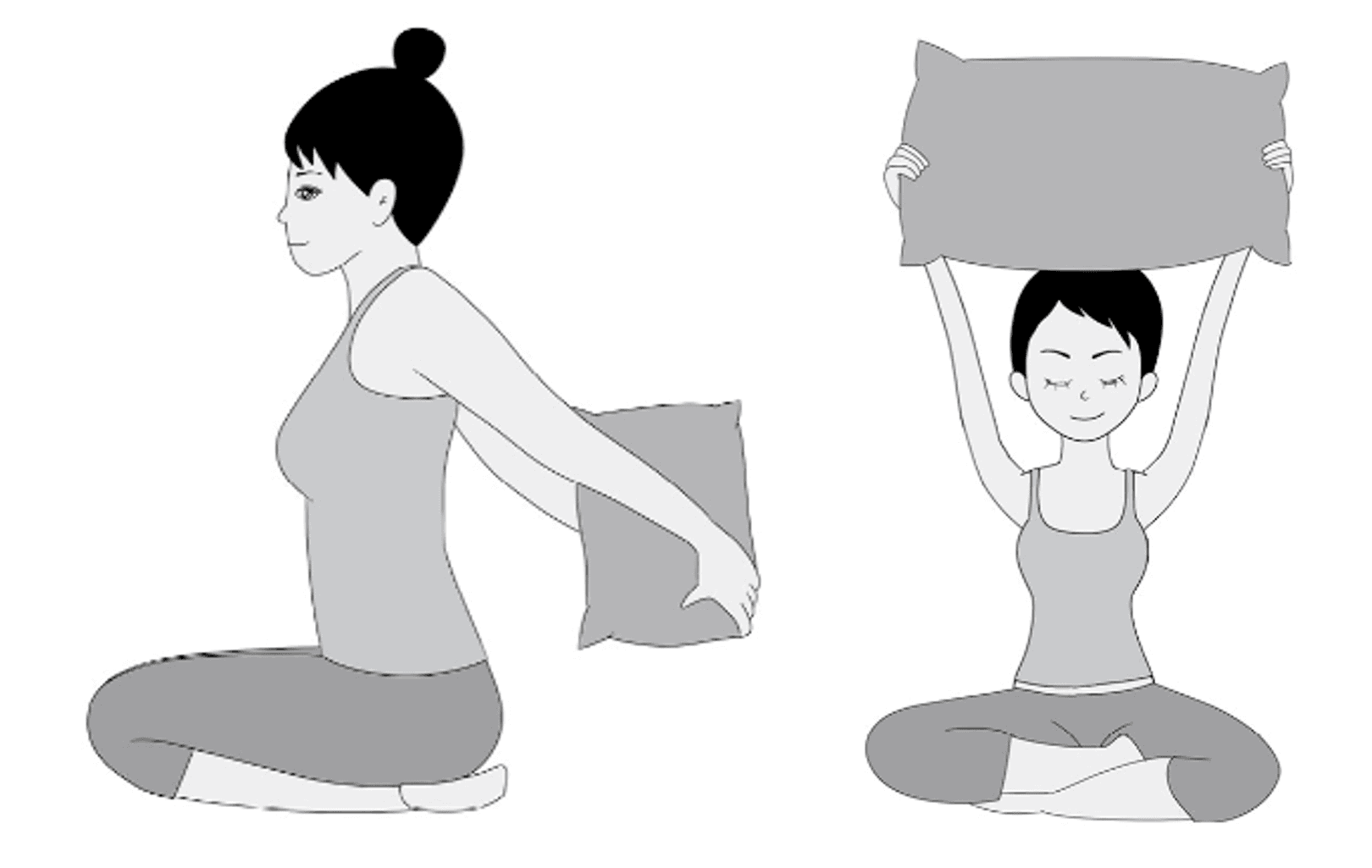
How to practise it
Specific methods:
-
Side waist stretch
- Sit cross-legged, hold both ends of the pillow in your hands and raise it above your head.
- Breathe in as you stretch upwards, breathe out as you bend at the waist to one side, and hold the position for two breaths.
- Benefits: Stretches the side waist muscles, relaxes the spine and relieves tension in the lower back and spine.
-
Leg and back stretch
- Sitting down, stretch your legs out in front of you and place the pillow on your legs.
- Breathe out as you gradually lean your upper body towards the pillow, turn your head slightly to the side and hold for five breaths.
- Breathe in to return to the starting position.
- Benefits: Stretches the leg and back muscles, relieves pressure, improves blood circulation and calms body and mind.
-
Shoulder stretch
- Kneel and sit back on your heels, holding both ends of the pillow in your hands.
- Breathe in as you raise your arms upwards, and hold the position for two breaths.
- Breathe out as you turn your body to one side and hold for two breaths.
- Breathe in to return to the centre and repeat on the other side.
- Benefits: Releases tension in the shoulders and back, improves blood circulation around the shoulder blades, promotes mental relaxation and reduces anxiety.
-
Practical tip
This exercise is ideal before bed. Be sure to breathe slowly and relax your body during the session. After these movements, you will feel a sense of lightness, which will make it easier to fall asleep and improve the quality of your sleep.
- Foot bath: Soak your feet in a mugwort or ginger solution for 15 minutes before going to bed to improve circulation.
Foot bath for sleep
Foot bath for sleep is a foot bath preparation made from 18 Chinese plants.
The foot bath is an external method commonly used in traditional Chinese medicine. By acting on the meridians of the foot, Qu shi zhu mian bao overcomes the Heat-Damp duo and helps to eliminate toxins from the body. It allows urinary comfort to return and relaxes the body so as to improve the quality of sleep.
The small pack contains 3 sachets of 30 g and the large pack contains 10 sachets of 30 g.

- Keep your Bedroom Warm: Avoid cold draughts and make sure your sleeping environment is comfortable to improve the quality of sleep.
By taking care of your liver through a suitable diet, soothing herbs and relaxing rituals, you create the ideal conditions for restorative sleep and lasting well-being.
Part 3: Low mood – Drive out the Cold, warm the Body and the Mind
Do you often feel exhausted, as if everything weighed on you a little more each day? Work, responsibilities and even moments of relaxation seem to demand considerable effort. What you once loved leaves you indifferent, and your energy dwindles over time. Anxiety, irritability and even unexplained tears take over, making your emotions unstable and unpredictable. What you saw as simple mood swings could in fact reflect a deeper imbalance. When the inner light fades, life seems duller, and even small pleasures feel far away. Have you ever felt that this emotional instability was deeply affecting your well-being and your quality of life?
The TCM perspective
According to traditional Chinese medicine (TCM), emotional troubles are not solely psychological but can be linked to an energy imbalance in the body. Cold accumulated in the uterus weakens Yang, slowing the circulation of Qi and blood, which directly affects emotional balance. In TCM, the heart is considered the master of the emotions, while the spleen plays an essential role in transforming and distributing energy. When cold settles in and disrupts these organs, it hinders good blood circulation and healthy hormonal function. The result? A feeling of emotional heaviness, recurring negative thoughts and persistent fatigue, gradually sinking into a prolonged state of unease.
Recommended solutions
Ginseng, often called the "king of herbs", holds a central place in traditional Chinese medicine for its powerful revitalising effect. It is particularly valued for its role in fighting fatigue, improving mood and reducing symptoms linked to stress and anxiety. Thanks to its tonifying properties, ginseng helps to strengthen Qi, stimulate the mind and support the internal organs, thus encouraging better emotional balance. Ideal for women facing a demanding pace of life, it helps to restore vital energy and cultivate inner serenity.
Pharmacological properties:
Ginseng is rich in ginsenosides, active compounds with many benefits. They play a key role in protecting nerve cells and stimulate blood circulation in the brain, thus helping to improve memory and cognitive function. Thanks to their neuroprotective properties, these compounds help to ease the effects of stress, mental fatigue and imbalances linked to depression, encouraging better emotional balance and renewed vitality.
Ginseng infusion
Ingredients: 3 g ginseng.
Method: Slice the ginseng and steep it in hot water. Drink 2 to 3 times a day.
Benefits: Relieves symptoms of depression, such as loss of interest and low mood, and improves vitality.

Lily bulb, or Bai he in Chinese, is commonly used in TCM to nourish yin, moisten the lungs and calm the mind, in particular to soothe anxiety and sleep troubles due to yin deficiency. Its soothing action is ideal for women going through prolonged stress. It helps to restore emotional balance and encourages restorative sleep.
Lily bulb and Chinese yam congee
Ingredients: 30 g lily bulb, 50 g Chinese yam, 100 g glutinous rice, brown sugar to taste.
Method:
- Wash the lily bulbs and slice the Chinese yam.
- Put the ingredients in a saucepan with water and cook over a low heat.
- Once the congee is ready, add the brown sugar and mix well.
Benefits: Nourishes the spleen and stomach, calms the mind and improves the quality of sleep. Perfect for relieving anxiety and stress-related sleep troubles.

Xiao Yao San is an emblematic formula of traditional Chinese medicine (TCM), recognised for its action on the harmony between the Liver and the Spleen and on regulating Liver Qi.
Made from carefully selected ingredients, this formula encourages better energy circulation, helping to relieve emotional tension and restore general well-being. It is particularly recommended for easing symptoms of melancholy, irritability and mental fatigue often linked to a Liver imbalance and Qi stagnation.
By supporting emotional and physiological balance, Xiao Yao San helps women regain lightness and serenity in everyday life.
Who is it for?
-
Mainly recommended for women suffering from depression due to uterine cold, especially those with:
- Irregular periods, mood swings, persistent fatigue and a feeling of cold hands and feet.
- Emotional symptoms such as melancholy, irritability or anxiety.
- Suitable for women with a uterine cold constitution accompanied by emotional troubles.
Find out more
Directions for use:
- Recommended period: Start 7 to 10 days before your period and continue for 5 to 7 days.
- Benefits: Helps to regulate the liver, balance Qi and blood, and soothe depressive emotions caused by uterine cold.
- Long-term use: Can be taken over a longer period to harmonise the body, stabilise the mood, strengthen vitality and increase resistance to cold.
Precautions:
- To be avoided by people with excess dampness or symptoms of internal heat.
- Not to be taken by pregnant women.
- Advice: Consult a practitioner of Chinese medicine before starting the treatment, to check that it suits your constitution and to avoid any undesirable effects.
Ba Duan Jin, an ancient set of health exercises, includes a movement called "Swaying the head and tail", a simple yet powerful movement for stimulating blood circulation and vital energy. This movement helps to relax the mind, relieve stress and regulate mood.
The principle of swaying the head and tail: This movement stimulates key acupuncture points of the body, such as the Da Zhui point and the Ming Men point, strengthening Yang energy, opening the meridians and improving kidney energy. The Da Zhui point is considered a gathering place for Yang energy, while the Ming Men point is essential to the body's vitality. Through the coordinated movements of the different parts of the body, this movement encourages blood circulation, reduces stress and soothes the emotions.
How to practise it
- Stand with your feet shoulder-width apart, legs slightly bent, and squat down slightly.
- Keep your torso upright and place your hands on your lower thighs near the knees, thumbs pointing outwards.
- Lift your chest and relax your waist, look straight ahead, then make snake-like movements with your torso, swinging your head from one side to the other.
- The head and tail movements should be coordinated, slow but powerful.
- Repeat 15 to 30 times on each side.
Benefits: Through "swaying the head and tail", this movement stimulates Yang energy, strengthens the kidneys, regulates blood circulation and relieves depression by balancing body and mind, bringing relaxation and purification.
When your mood is low or you feel a persistent sadness, massaging the armpits and chest muscles can be a simple and effective way to ease tension and rebalance the emotions.
Why does this massage work?
According to traditional Chinese medicine (TCM), the heart and pericardium meridians run through these areas. Massaging them helps to encourage the circulation of energy, release the feeling of heaviness in the chest and calm the mind.
Modern medicine also confirms the benefits of this massage. The armpit area is rich in nerve endings, and gently stimulating these points activates sensory receptors that send signals to the brain. This process triggers the release of endorphins, the feel-good hormones, contributing to immediate relaxation and an improved mood.
How to practise it
- Stretch out your hands with the four fingers together, and slide the four fingers (not the thumbs) under your armpits.
- Place your right hand under your left armpit and your left hand under your right armpit, with your thumbs resting naturally on your chest muscles.
- Apply firm pressure to the armpits and chest muscles, holding the pressure for 2 to 3 seconds, then release briefly before starting again.
- Breathe deeply for 1 minute.
With this simple massage method, you can quickly dispel sadness, release tension and regain a feeling of lightness and serenity.
- Protect yourself from the cold: Wear warm clothing, especially on the lower body, to stop the cold from seeping in and weakening your vital energy.
- Exercise in the morning: Every morning, between 8 am and 10 am, make the most of the gentle sunshine to go for a 10- to 20-minute slow jog, 3 to 5 times a week. If running doesn't suit you, opt for a brisk walk or a yoga session. These exercises stimulate blood circulation and boost Yang energy in the body.
Whether it is dizziness, insomnia, low mood or premenstrual anxiety, internal cold, especially in the uterus, can be an underlying factor. By combining traditional Chinese medicine, a warming diet, medicinal plants, physical exercise and lifestyle adjustments, it is possible to restore the balance of body and mind. May every woman cultivate warmth and serenity every day.