
Lightness & Drainage Trio – Job’s Tears, Lotus Seeds & Mung Beans
莲子薏米绿豆羹
A naturally nourishing trio that gently cares for the body, especially appreciated during hot weather or when you're looking for a lighter feel.
1 Small Packet plant 200g
Description
A traditional recipe for a lighter feeling
According to the principles of Traditional Chinese Medicine, this combination is particularly appreciated during hot and humid periods, when the body may feel heavier and a lighter, gentler diet is preferred.
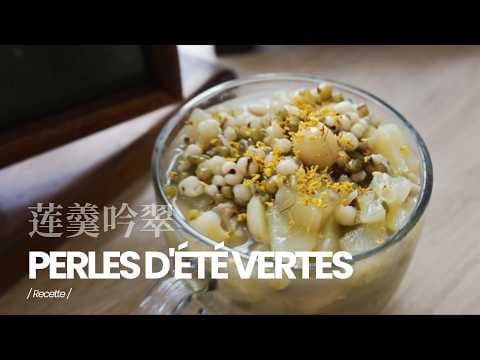
Once cooked, the preparation develops a soft, melt-in-the-mouth texture and a delicately plant-based flavour. It can be enjoyed both at breakfast and as a light meal.
-
A combination inspired by Chinese tradition
Mung beans, Job’s Tears and lotus seeds come together in a simple recipe designed to complement your daily diet in harmony with the changing seasons. -
A lighter feeling for everyday well-being
A gentle preparation that is particularly appreciated when you want to eat more simply and feel more comfortable after richer meals. -
Naturally nourishing
Combining legumes and seeds, it offers a satisfying texture that makes it ideal for breakfast or a light evening meal.
Make it your own
This preparation can be enjoyed either hot or cold. Add a little milk or plant-based drink for a creamier texture, or serve it with fresh fruit, yoghurt, a drizzle of honey or a spoonful of Supergreen.
Composition
| Composition per 200 g | |
|---|---|
| Job’s tears (Yi yi ren / Coix lacryma-jobi) | 100 g |
| Mung bean (Lu dou / Vigna radiata) | 70 g |
| Lotus seeds (Lian zi / Nelumbo nucifera) | 30 g |
Description
A traditional recipe for a lighter feeling
According to the principles of Traditional Chinese Medicine, this combination is particularly appreciated during hot and humid periods, when the body may feel heavier and a lighter, gentler diet is preferred.
Once cooked, the preparation develops a soft, melt-in-the-mouth texture and a delicately plant-based flavour. It can be enjoyed both at breakfast and as a light meal.
-
A combination inspired by Chinese tradition
Mung beans, Job’s Tears and lotus seeds come together in a simple recipe designed to complement your daily diet in harmony with the changing seasons. -
A lighter feeling for everyday well-being
A gentle preparation that is particularly appreciated when you want to eat more simply and feel more comfortable after richer meals. -
Naturally nourishing
Combining legumes and seeds, it offers a satisfying texture that makes it ideal for breakfast or a light evening meal.
Make it your own
This preparation can be enjoyed either hot or cold. Add a little milk or plant-based drink for a creamier texture, or serve it with fresh fruit, yoghurt, a drizzle of honey or a spoonful of Supergreen.
Composition
| Composition per 200 g | |
|---|---|
| Job’s tears (Yi yi ren / Coix lacryma-jobi) | 100 g |
| Mung bean (Lu dou / Vigna radiata) | 70 g |
| Lotus seeds (Lian zi / Nelumbo nucifera) | 30 g |
Usages
Rinse the blend, then place it in a saucepan with 800 ml of water.
Bring to a boil, then immediately reduce the heat. Simmer gently for 40 minutes. As it cooks, the grains will gradually begin to open and soften. The mixture will develop a progressively smoother, creamier and more comforting texture.
Please note: avoid boiling vigorously, as this may affect the delicate flavour of the ingredients and cause the water to evaporate too quickly.
Preparation tip: to help the grains open more easily and ensure more even cooking, soak the blend in cold water for 2 to 4 hours, or overnight, before cooking. This step is optional, but recommended.
Enjoy the preparation hot, warm or cold. Once cooked, you may add a little milk or plant-based drink, fresh fruit, yoghurt or a drizzle of honey, according to your preference.
Warnings
Considered rather cooling in nature by Chinese tradition, this preparation is mainly enjoyed during hot and humid periods.
Consumption should be moderated by people who are sensitive to cold, prone to cold-related abdominal pain, loose stools or delicate digestion. In that case, favour a well-cooked preparation, eaten hot or warm rather than cold.