
The seasons as we know them in the West differ from the seasons recognised by traditional Chinese medicine. While 20 March marks the start of spring in the West, in Chinese energetics spring begins earlier, around 4 February.
The arrival of this season is linked to the awakening of nature. Yang energy, associated in particular with light and warmth, grows steadily. So, to adapt our body to this energetic change, we should rebalance our plate by putting the advice of Chinese dietetics into practice.
To help you do this, we give you the essentials of energetic eating in spring and share 3 recipes to enjoy without moderation this season.
Chinese dietetics: a different approach to food
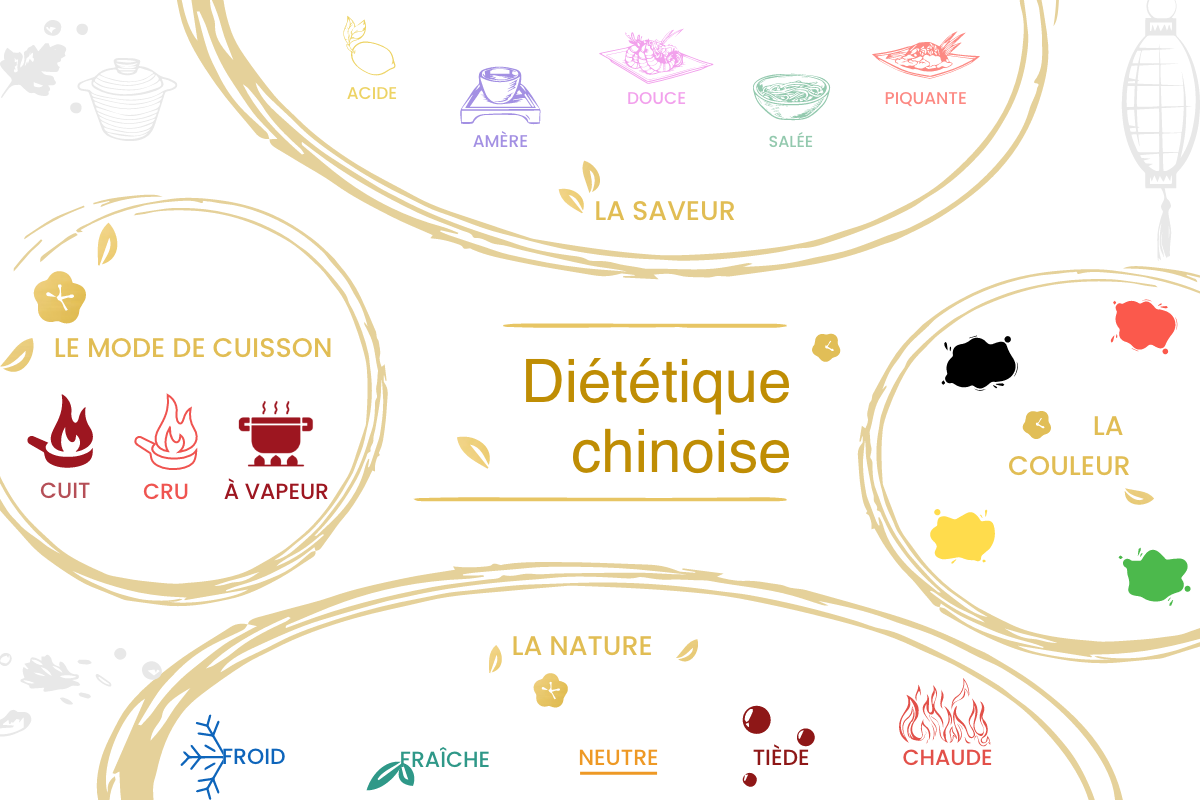
Chinese dietetics is an art of living in the service of well-being and health, rooted in Chinese wisdom. While Western dietetics focuses on the components of food (carbohydrates, proteins, trace elements), Chinese dietetics stands out for its global approach to food, seen from an energetic angle.
This highly developed discipline classifies foods according to their flavours, natures, colours, cooking methods, their various energetic effects on the body and their affinities with the organs.
What's more, Chinese dietetics considers that foods resonate with the climate and the emotions, which is why our diet needs to be consistent with the season and its energy. Discover the basics of eating in spring.
A diet that follows the rules of Chinese energetics
Balancing Yin and Yang
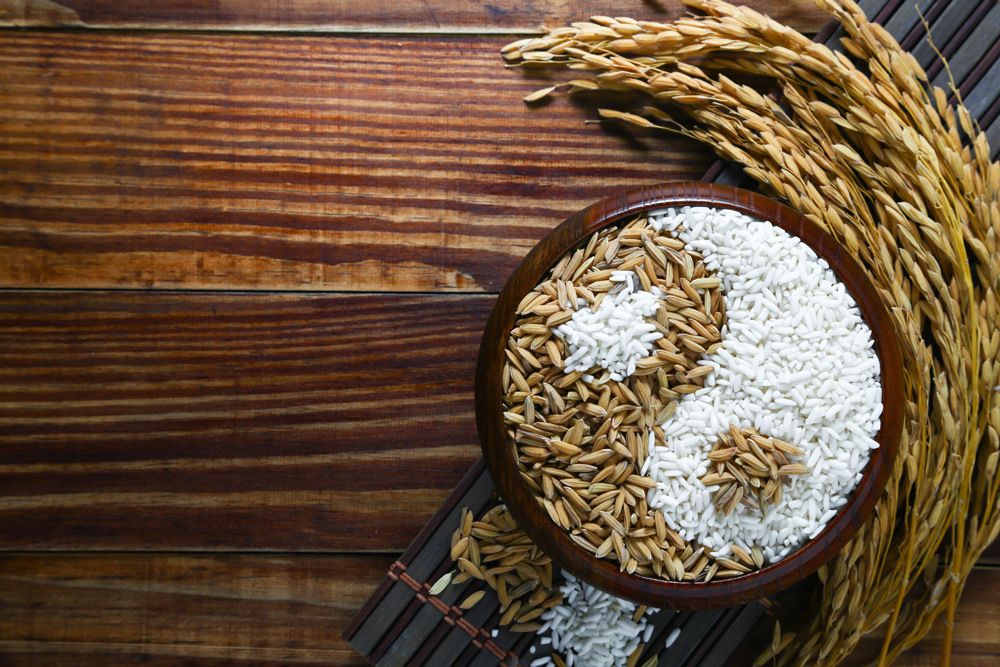
In spring, the rise of Yang energy needs to be supported. Chinese dietetics therefore recommends choosing foods that encourage energy to rise towards the upper body.
As a result, it is strongly advised to choose foods that are Yang in nature. These include figs, beetroot, red meat, spices and pumpkin, for example. Also favour lean and semi-oily fish such as cod, sea bream, skate, salmon or tuna, as well as condiments such as coriander, cumin and garlic. 1
Of course, balance is the key to keeping troubles at bay. So always take care to preserve harmony between Yin and Yang, even on your plate!
The sour flavour and its action on the Liver

In traditional Chinese medicine, the organ associated with spring is the Liver, so this organ deserves particular care during this period. The sour flavour is called for in spring, since it has many benefits for the Liver. Being astringent, it tightens the tissues, tonifies the Liver, nourishes its Yin and prevents too abrupt a rise of Yang. 2
It also helps to improve the condition of the nails and eyes, two systems closely linked to the health of the Liver. Neglecting this flavour therefore risks reducing Liver activity and opening the door to imbalances.
On the other hand, eating too much of it can lead to increased liver activity, causing fat to build up in this organ, which can lead to heart problems. So be careful not to overdo it, as it is said that excess sourness makes the Liver overflow and dries up the Spleen. 3 However, eaten in moderation, sour foods help the body retain fluids. They are therefore effective at relieving diarrhoea and excessive sweating.
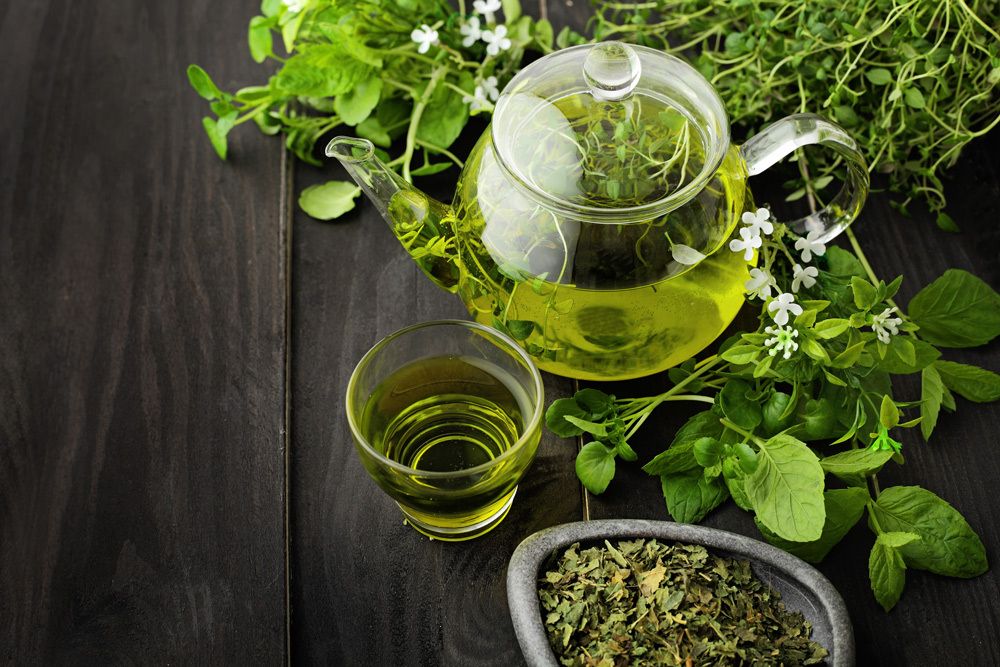
Energetically linked to the Liver, green is the colour of the season. It is therefore advisable to fill your fridge with green foods. What's more, as the weather gradually warms up, you will need to drink enough to keep your organs working properly. It's the perfect opportunity to make infusions of Lü cha (green tea): as well as hydrating the body, its leaves help to detoxify the body in depth and put an end to digestive discomfort.
3 recipes for spring
Fennel salad
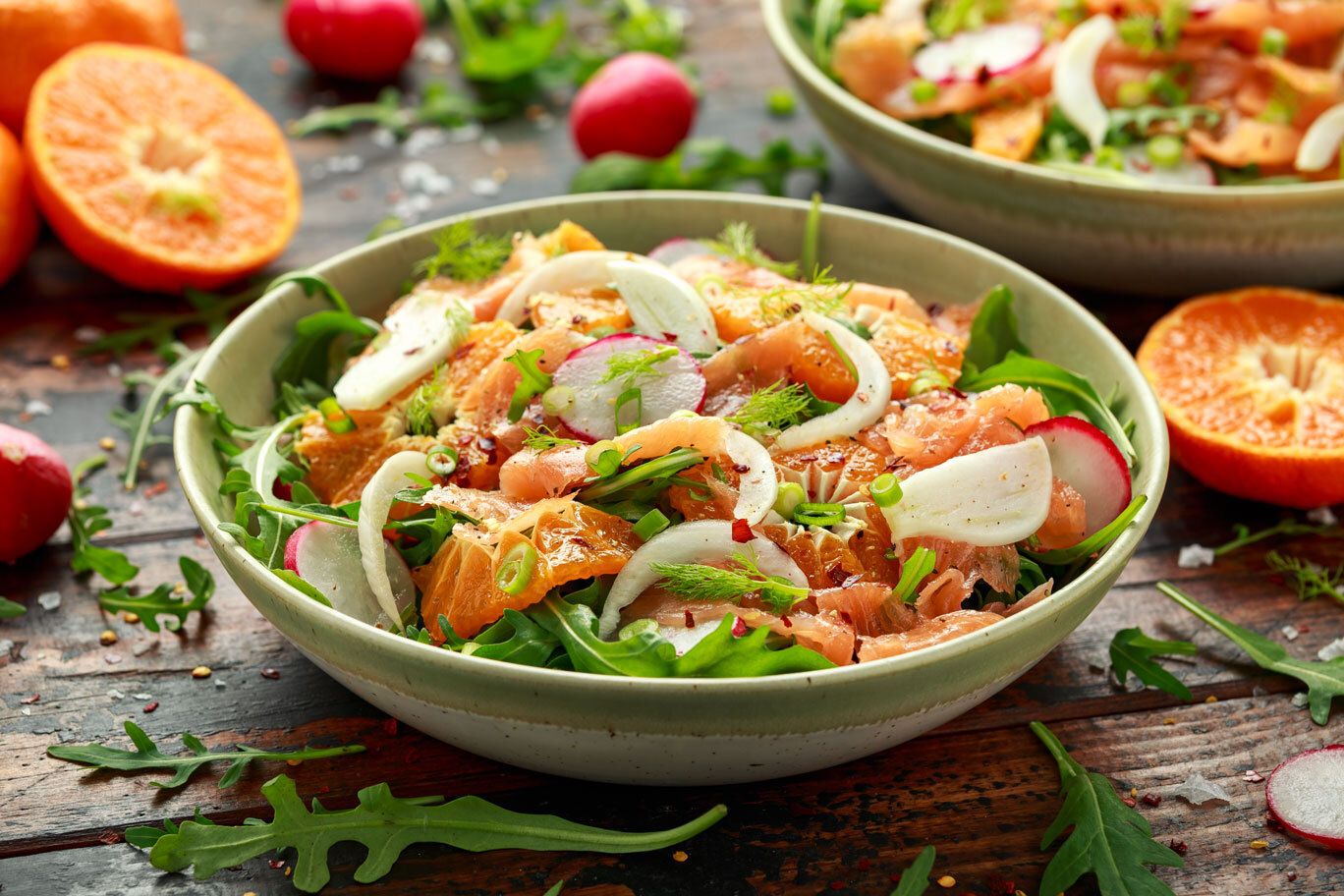
Fennel is one of the foods Chinese dietetics suggests eating in spring. Thanks to its warm nature and sweet flavour, it is an excellent vegetable for enjoying the spring season. So we suggest a fennel salad recipe, made with ingredients that will stimulate the energy of the Liver.
Do you like figs? You'll be able to enjoy them at every meal without feeling guilty! Sweet in flavour and neutral in nature, figs support the rise of energy towards the upper body.
Cider vinegar is an interesting condiment to add to your salads, as it is reputed to tonify the Liver.
As for turnip, Chinese dietetics classes it among foods that are cool in nature and pungent in flavour: it is therefore especially advisable to eat it when the first warm days arrive, to cool the body.
Ingredients
- 2 fennel bulbs
- 2 turnips
- 1 small dried fig
- 1 tablespoon cider vinegar
- 1 tablespoon olive oil
Method
Wash the fennel and turnips and cut them into thin strips. Dice the figs. In a salad bowl, mix the vinegar and olive oil and season with salt and pepper. Add the fennel, figs and turnips, then mix well.
You can also add pieces of smoked fish such as salmon. It is advisable to leave the mixture at room temperature for at least 20 minutes before serving. Enjoy!
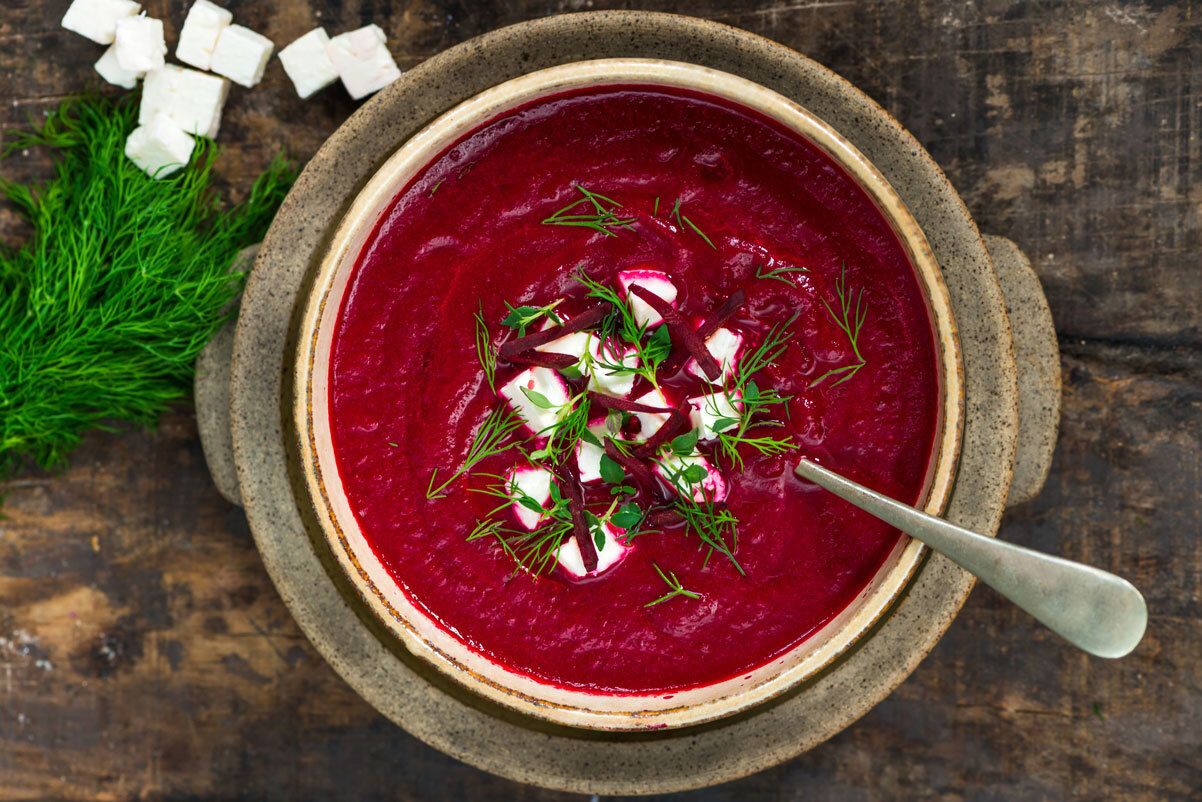
Beetroot soup with coconut milk
Good for your health, beetroot is said to help detoxify the body (thanks to its betaine content). A key ally of the Liver, according to Chinese dietetics it is thought to purify the Blood and combat fat built up in the liver. Neutral in nature and sweet in flavour, this vegetable is a perfect ally for the spring season.
Eaten once or twice a week, this light, balanced soup is a delicious way to detoxify your Liver.
Ingredients
- 3 beetroots
- 200 ml coconut milk
- 2 tablespoons coconut oil
- 1/2 lemon
- 1 onion
- 1 piece of ginger
- 3 garlic cloves
- 1 lemongrass stalk
- 1 teaspoon cumin, 1 teaspoon ground coriander, teaspoon rice vinegar
- 2 sprigs fresh coriander
Method
First, peel and chop the beetroots and onion, then grate the fresh ginger. Next, heat the coconut oil with the sliced onion. Add the lemongrass, vinegar and salt, stir and let them cook for 2 minutes.
Squeeze the lemon juice. Then add the beetroots, ground coriander, cumin, garlic, ginger and a pinch of salt. Pour in about 25 cl of water and 200 ml of coconut milk. Cook the mixture over a low heat for about 30 minutes.
Finally, blend. Add the fresh coriander as a garnish and serve piping hot.
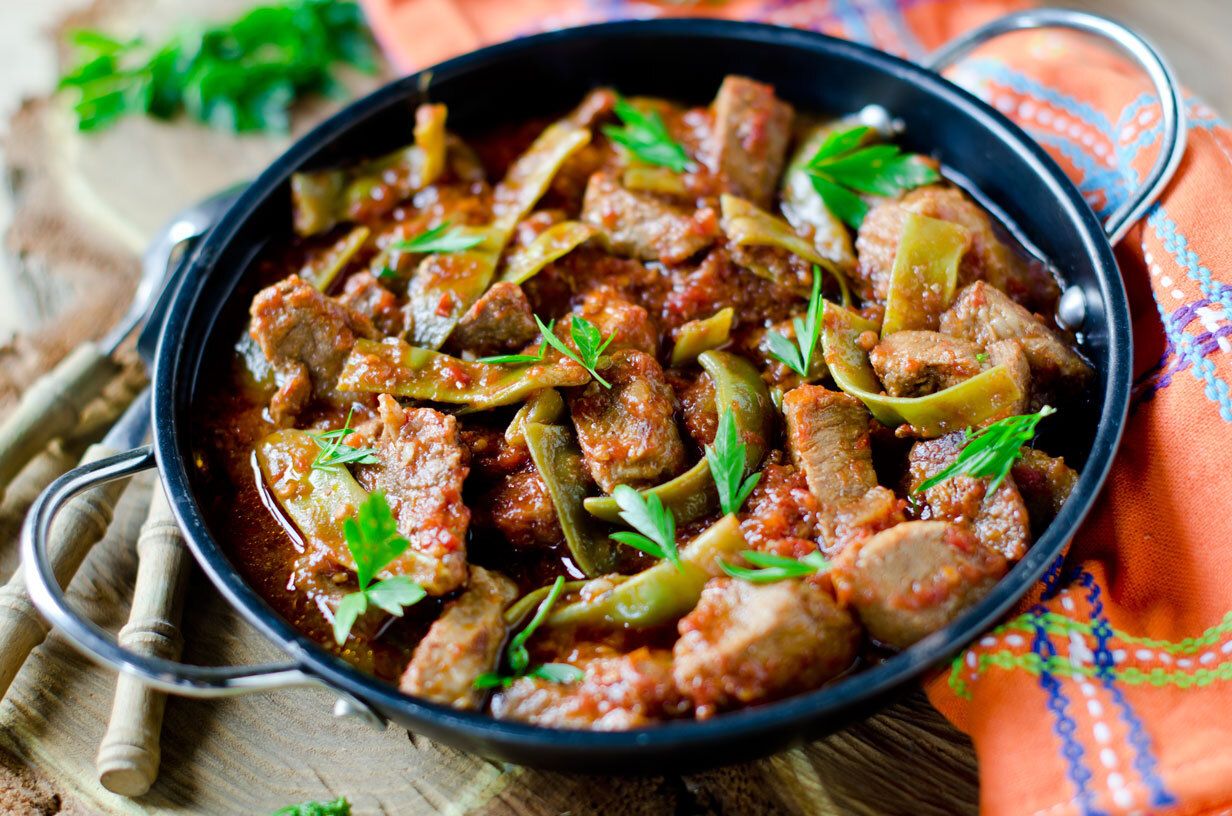
Lamb navarin with spring vegetables
A much-loved dish, lamb navarin with vegetables is an ideal recipe for spring. Chinese dietetics strongly advises choosing red meat and vegetables in this season. 4
Ingredients
- 400 g lamb neck
- 2 carrots
- 4 turnips
- 1/2 onion
- 2 green asparagus spears
- 100 g peas
- 1 sprig thyme
- 1 teaspoon cumin
- 3 sprigs fresh coriander
- 3 tablespoons olive oil
- 1/2 tablespoon white wine
Method
First, slice the onion and the asparagus stalks into rounds, setting the tips aside. Next, drizzle the diced meat with olive oil and add the white wine, thyme, cumin, salt and pepper. Leave to simmer over a low heat for about 20 minutes.
Meanwhile, cut the carrots and turnips and boil them in water for 15 minutes. 5 minutes before the end, add the asparagus tips. Once cooked, mix the vegetables with the meat, add the peas and cook for 7 minutes. To finish, sprinkle with chopped coriander and enjoy!
Taking care of your health while treating yourself is entirely possible! A change of season necessarily calls for a change in our diet. So make the most of the arrival of spring to put the spotlight on foods that, as well as reviving your taste buds and flavouring your dishes, will take care of your body and your energy.
