- What is sweating for?
- The causes of excessive sweating
- The organs involved in this phenomenon
- The Heart
- The Lung
- Chinese dietetics recommends the sour flavour
- Regulating sweating with the power of plants
- Acupuncture, a solution to the problem of hyperhidrosis


Causing discomfort and embarrassment when it becomes visible and leaves marks and a bad smell on clothes, sweating, however inconvenient it may be, is one of the body’s essential functions. Indispensable to the body, it is a defence mechanism that works for our health and protects against excessive heat.
Hard to bear, especially during heatwaves, sweating shows itself through heavy production of sweat, usually in the armpits, on the lower face and the chin, but not only there. When it is excessive, sweating can reveal internal imbalances and encourage skin problems. In TCM, sweating is sometimes linked to the Liver, a key organ for the body’s energy balance. Certain forms, such as spontaneous sweating or emotional sweating, are considered signs of a deeper disturbance and may even have a spiritual meaning.
So what is excessive sweating? What causes it? What does Chinese medicine recommend to overcome it?
What is sweating for?
Made up of 99% water, minerals, antibodies, waste and lactic acid, perspiration, also called sudation, refers to the elimination of sweat through the pores of the skin. It generally develops at puberty, when our sweat glands become active, notably in the armpits. We lose between one and one and a half litres of water a day through sweat. This amount can vary with several factors: for example, sweating after sport allows effective thermoregulation, but physical exercise increases the loss of biological fluids, so you need to make up for it by drinking more. The volume of secretion is also linked to the number of sweat glands and how active they are.
In Traditional Chinese Medicine, sweat helps to harmonise and regulate the whole body and plays a crucial role in the body’s immunity. It is a ye fluid since, unlike the thick jin fluid, it flows out but does not circulate. TCM holds that sweat has the same source as Blood since, like Blood, it is a Body Fluid of the Heart. Thanks to its purifying role, it helps maintain the right body temperature.
However, influenced by hereditary factors, stress, heat, diet, hormonal changes, tobacco or caffeine, it can sometimes be secreted excessively. What is commonly called excessive sweating, sometimes also known as hyperhidrosis, is a (little-discussed) disorder that points to an internal imbalance and threatens to exhaust the body’s fluids and, by extension, its energy. According to studies, 1% to 3% of the population experience excessive sweating. But what exactly are we talking about?
The causes of excessive sweating
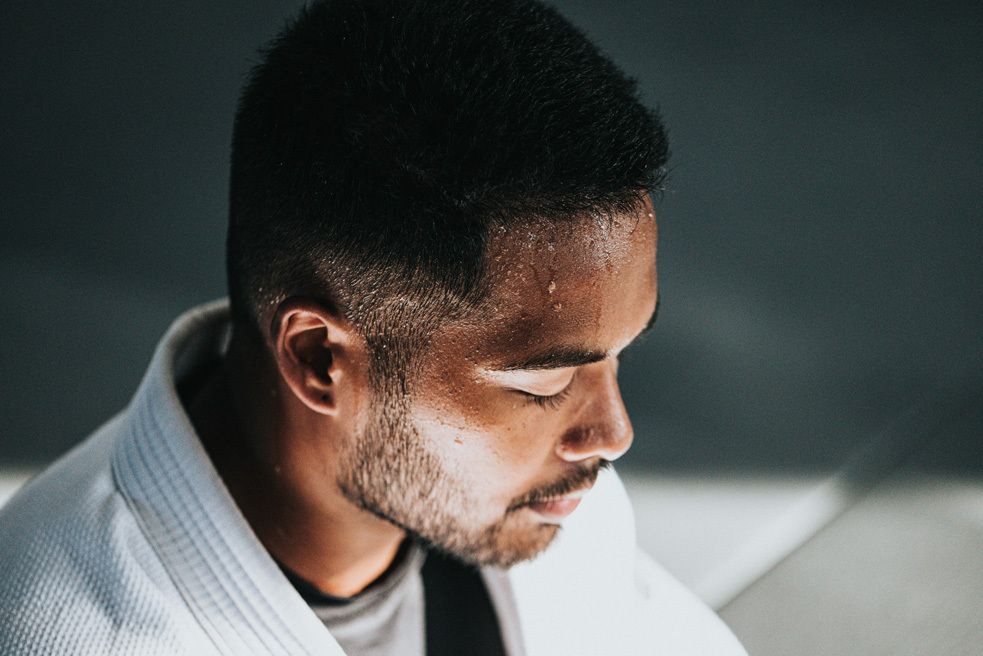
In Chinese medicine, there are considered to be three types of excessive sweating, whose origins and manifestations are very different:
• Spontaneous sweating (zihan - 自汗)
We speak of spontaneous sweating to mean frequent sweating, usually during the day. It is the result of Qi deficiency, usually of the Lung (or of an imbalance between defensive Qi and nutritive Qi), and of Yang insufficiency. It can be made worse by seasonal heat, physical activity or hormonal changes, and mainly affects the thighs, back, chest, armpits, hands and feet.
• Night sweating (daohan - 盜汗)
As its name suggests, night sweating comes on during sleep and calms down on waking. It points to Yin deficiency with rising Empty Fire, or to Heart Blood deficiency. This type of sweating is usually accompanied by several physical signs, such as sleep disorders and a feeling of heat in the chest, the palms of the hands and the soles of the feet.
• Yellow sweating (huanghan - 黃汗)
Usually located on the upper body, it takes its name from the yellow marks it often leaves on clothing. It can be accompanied by an unquenchable thirst, a bitter taste in the mouth and a lack of appetite, and can bring on fever1.
In addition to these three types of excessive sweating, there is another form that is just as significant but often overlooked: sweating linked to the emotions. Unlike the other types, which originate in specific energetic or physiological imbalances, emotional sweating is directly influenced by our mental and emotional state.
• Emotional sweating
Sometimes sweating is triggered by strong emotions such as stress or fear. In Chinese medicine, this emotional sweating can be seen as a deeper signal: an energy imbalance reflecting an inner struggle or exhaustion of the Mind (Shen), which is housed by the Heart. In this case, it can also take on a spiritual meaning, symbolising a leak of vital energy (Qi) or the body’s attempt to release buried emotional tensions.
So which organs are threatened by this phenomenon? What are the health risks?
The organs involved in this phenomenon
In traditional Chinese medicine, disharmony of Qi and imbalances in the organs can give rise to illness. In the case of excessive sweating, TCM mainly associates the problem with two organs: the Heart and the Lung.
The Heart
Yang in nature, this organ associated with summer houses the Shen, governs the emotions, controls the blood vessels and oversees the production and smooth circulation of Blood and Qi. Overly intense activity can exhaust the Blood and the Heart. People who sweat abnormally are generally prone to a deficiency of the Heart: if the sweating is spontaneous, the imbalance is due to Heart Qi deficiency. If it is a matter of excessive sweating at night, the imbalance probably reflects Heart Yin deficiency. The main signs that accompany excessive sweating include palpitations, shortness of breath, restless nights with many dreams, and fatigue.
The Lung
The organ of autumn, the Lung is Yin in nature. It governs breathing, helps propel Blood through the vessels, ensures the free flow of Qi, distributes the body fluids and controls the Exterior. The Lung controls the skin, and through this function it acts as an intermediary between the body and the outside environment, and is thought to manage the opening and closing of the pores at the sweat glands. When Lung Qi is weak, excessive secretion of sweat may be noticed. It will usually be accompanied by shortness of breath, difficulty speaking and a pale complexion.
To combat excessive sweating, the two organs we therefore need to strengthen are the Heart and the Lung, and Chinese dietetics has some valuable advice to share on this.
Chinese dietetics recommends the sour flavour
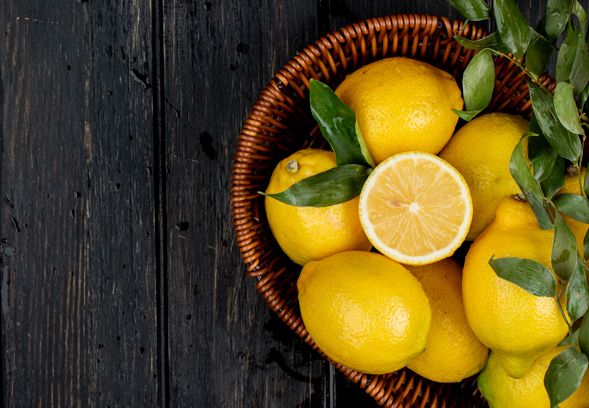
Chinese dietetics embodies the art of healing oneself through food. A fundamental branch of traditional Chinese medicine, it classifies foods in order to prevent and treat imbalances with the aim of preserving health. To reduce the secretion of sweat, it naturally makes sense to set aside foods that stimulate the sweat glands, and dietetics above all recommends favouring foods with a sour flavour. Yin in nature, this flavour helps to retain energy. Thanks to its astringent action and absorbent properties, it prevents the body from releasing too much fluid and water. To regulate your sweating, choose sour foods such as vinegar, peach, plum, lemon or pomegranate.
Note: while the sour flavour is strongly encouraged, the pungent flavour, on the other hand, is not recommended, since it pushes Qi and Fluids outwards and causes sweating. So avoid dishes containing mustard, and say goodbye to dried ginger, chilli and coriander, as all of them encourage Heat to rise in the body, speed up breathing and cause sweating.
Regulating sweating with the power of plants
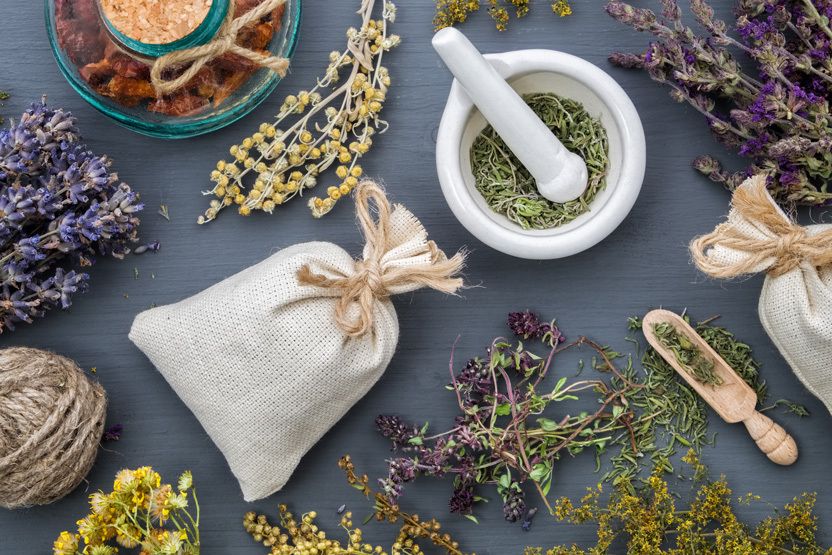
Since time immemorial, plants have been a natural solution for treating all kinds of disorders, whether more or less serious. To combat excessive sweating, you first need to assess where it comes from. Depending on the type of sweating, you will need to turn to plants that strengthen Qi, tonify Yang or rebalance Yin. Strengthening the Heart and the Lung is just as vital. Here is a selection of plants recommended by the Chinese pharmacopoeia to overcome hyperhidrosis:
• Bai shao yao (White peony root): used since the 6th century BC for its many benefits, white peony is native to the plains of northern China. It nourishes the Blood and adjusts Yin for its soothing properties on the mind.
• Nuo dao gen (glutinous rice root): a plant that soothes hot flushes caused by Qi deficiency and night sweats caused by Yin deficiency.
• Common sage: with its anti-sweating properties, it calms heavy sweating. However, it is best not to take it in the evening, as it can make it harder to fall asleep.
Acupuncture, a solution to the problem of hyperhidrosis
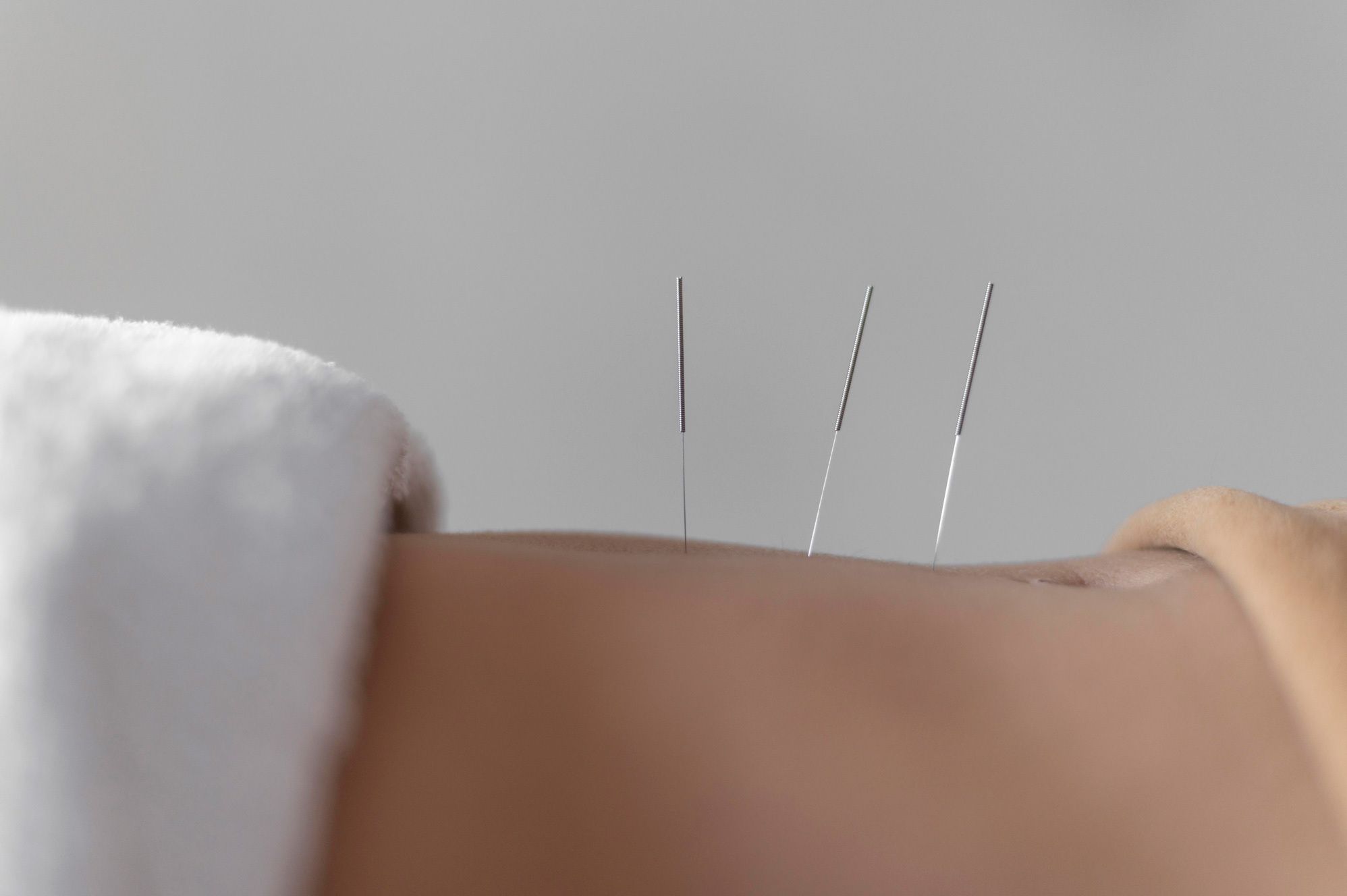
Combined with the natural remedies of the pharmacopoeia, acupuncture can also be considered as a complementary treatment. It is mainly recommended to reduce the spontaneous sweating that occurs during the day. This alternative method proves effective in treating the energy imbalances between Yin and Yang that lie behind the malfunctioning of the sweat glands. The principle of treating hyperhidrosis with acupuncture is therefore to stimulate certain points in order to harmonise the two forces and reduce Yang, which is generally behind heavy sweating.
• BL13 (Fei Shu), LU5 (Chi Ze) and BL43 (Gao Huang): stimulating them nourishes Yin, moistens the Lung and calms night sweating.
• HT6 (Yin Xi) and LI4 (He Gu): these two points are stimulated to clear Heat and overcome excessive sweating.
Also called the “Han Zheng” syndrome, hyperhidrosis is one of the syndromes recognised and long studied by traditional Chinese medicine. Revealing significant internal imbalances, sweating disorders can greatly affect the quality of life of those who suffer from them. Traditional Chinese medicine stands as a major alternative for combating these disturbances, with natural and effective solutions.