- The energy of summer
- The basics of Chinese dietetics
- Which cooking methods should you favour?
- Which nature should you prefer in summer?
- The bitter flavour, essential in summer
- Red foods in the spotlight
- The summer essential: staying well hydrated


“To follow the seasons is to possess life, peace and health; not to follow them is to risk illness and death.” Su Wen
Summer means heat and holidays, which is why the start of the season generally brings a wave of good humour. It is the time of family meals, travel, nights out and barbecues with friends. In short, summer is the season of conviviality. So in summer there is just one watchword: enjoy! That is why this much-loved season is often associated with excesses of all kinds and an unbalanced diet.
Chinese dietetics, one of the five branches of Traditional Chinese Medicine, teaches us to adapt our diet so as to live the summer season well and enjoy it with complete peace of mind. So what are we advised to eat during this season?
The energy of summer
According to the Chinese calendar, we are steeped in the energy of summer from the beginning of May until the end of July. Summer is the season of Joy; in TCM it is associated with Fire and the Heart. The most Yang season, summer generally comes with toxic Heat, which threatens to upset our internal balance.
When the season changes, the body's functions also undergo changes. Heat increases and energy rises to the surface of the body. The climate, Heat, activities and sweating are real dangers to health, since they cause additional water loss for the body. This shows up notably as increased thirst. When the internal fluids decrease, this can lead to a feeling of fatigue and general discomfort, making the body more vulnerable to summer imbalances. The signs of Dryness are generally a dry cough, dry skin, a sore throat and constipation. So, to live the summer well and avoid the pathogenic factors that lurk during this season, Chinese dietetics recommends adapting your diet.
The basics of Chinese dietetics
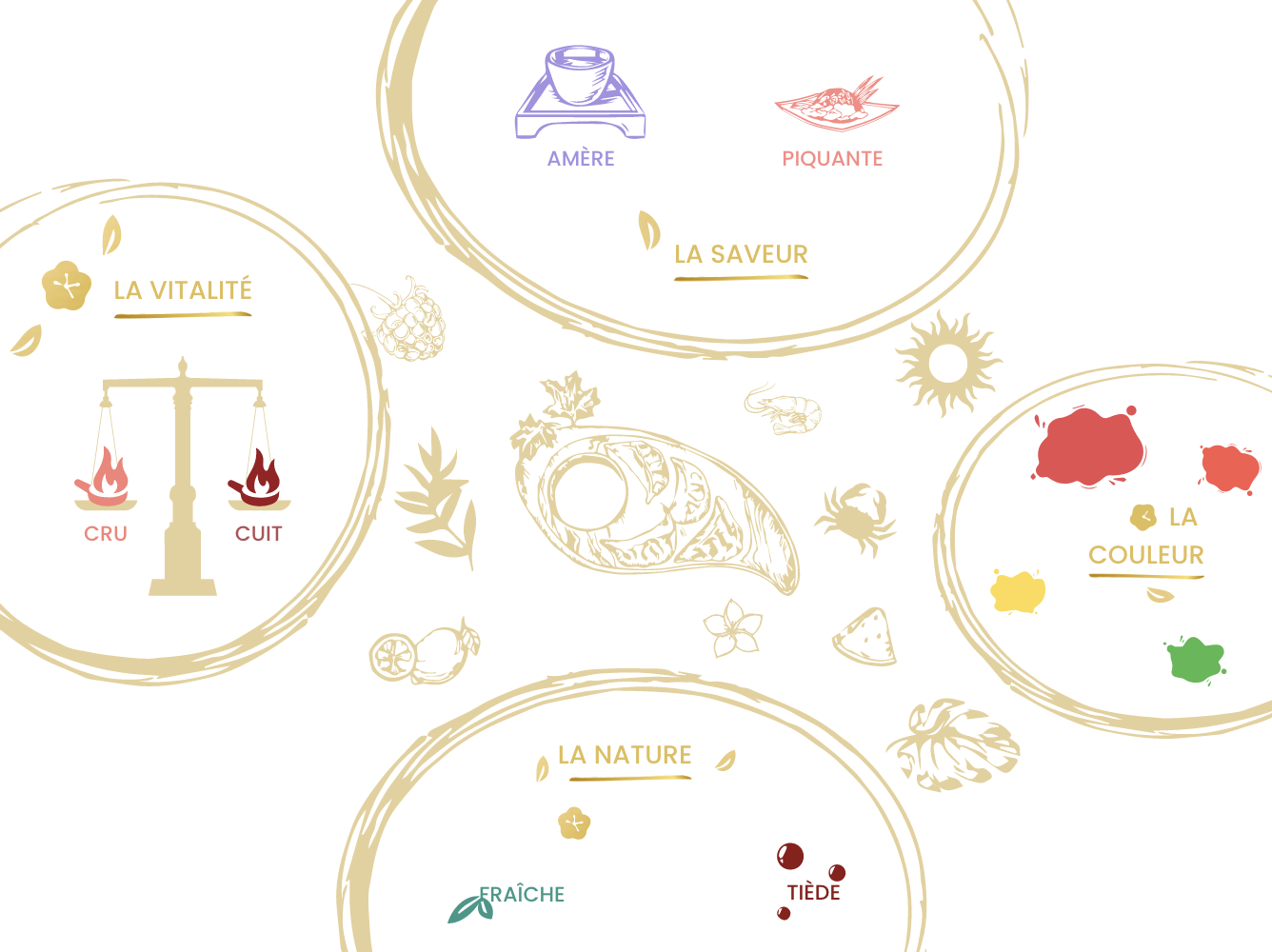
Far from the food constituents we are used to (proteins, fats, carbohydrates, vitamins, etc.), Chinese dietetics assesses the therapeutic potential of foods by focusing on very different aspects. It classifies foods according to their vitality, their nature, their flavour and their colour. Several factors therefore need to be considered to adopt a balanced diet in keeping with the body's needs, as each food plays a role in internal harmony.
Which cooking methods should you favour?
“One of the great secrets of cooking, and therefore of eating, is knowing how to master the fire. ”
The way food is cooked has a great impact on the balance between Yin and Yang. According to Chinese dietetics, the hotter and more drying the cooking, the more Yang the food will be. Conversely, a raw food will be Yin.
In summer, the rise of Yang in the body needs to be kept in check. It is therefore advisable to balance raw and cooked while preserving the vitality of foods. Not cooking at all is to be favoured in periods of high temperatures, as raw foods help moisten the body and combat Heat.

- Supports the balance of the digestive center
- Helps clear internal excesses
- Supports steady, well-distributed vitality
- Promotes inner clarity and a sense of stable balance
Which nature should you prefer in summer?
The nature of foods is a fundamental classification criterion in Chinese dietetics. We speak of “nature” to refer to the thermal and physiological effect a food produces in the body. Some foods stimulate the organs and physiological functions1, while others warm or cool them. It is on the basis of these effects that a nature is assigned to each food.
At the beginning of summer, it is recommended to eat foods of a warm nature, such as cherries, apricots or peaches, since they accompany the rise of Yang in the body. Then, at the height of summer, it is best to opt for foods of a cool nature, such as tomatoes, cucumbers, aubergines, wheat and mushrooms, which moisten the body and combat Heat2.
The bitter flavour, essential in summer
In TCM, flavours are classified according to their actions on the organs and on the rising and falling of Yin and Yang. Chinese dietetics encourages eating foods with a bitter flavour in summer. It is found in certain vegetables such as asparagus and celery. In traditional Chinese medicine, this flavour is associated with dispelling Heat, an energetic factor that can affect internal balance during the summer. Bitterness encourages a natural cooling dynamic and supports the elimination processes.
Like all flavours, it should be consumed in moderation, because in excess it can cause vomiting, attack the Qi and the bones, and deplete the Blood and the Yin. However, since the bitter flavour is less and less present in our diet, overdoing it is rare.
Another flavour that can be beneficial in summer is the pungent flavour. Known for being externalising and dispersing, it carries the Fluids to the surface of the body and is recommended to accompany the rise of energy. But be careful not to overdo it, as an overly spicy diet can speed up sweating and consequently deplete the Fluids and dry out the body.


Red foods in the spotlight
As red is the colour of summer, it is advisable to favour red-coloured foods, known to tonify the Heart, the organ of the season.
So foods such as raspberries, redcurrants, red beans, crab, prawns and goji berries are highly recommended during the summer season. Of course, don't forget to favour harmony and fill your plate with red foods, but also with yellow, green and white ones.

The summer essential: staying well hydrated
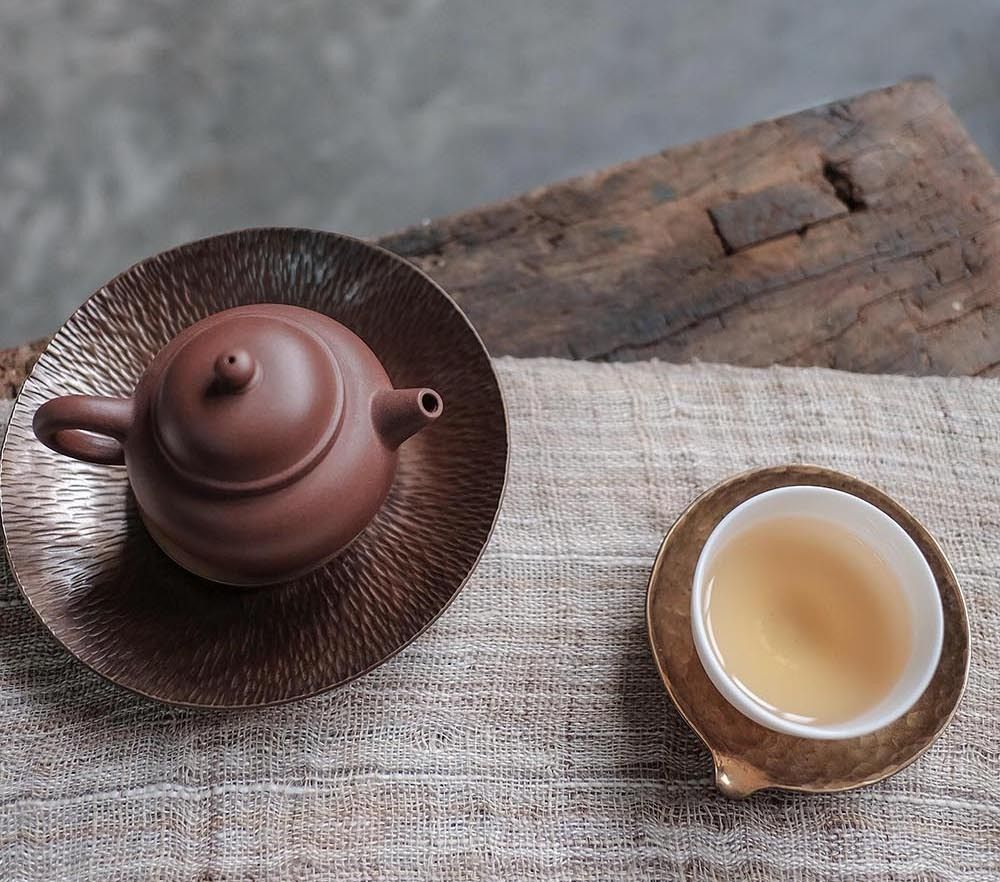
While it is important to watch what you eat, it is also vital to stay well hydrated in summer. According to the American College of Traditional Chinese Medicine3, to make the most of the summer season it is essential to drink plenty of water, watermelon juice and, of course, green tea. Indispensable in Chinese dietetics, green tea disperses Heat, eliminates impurities, helps calm the Mind and soothes the Stomach and the Lung.

- Helps with weight loss
- Contributes to a good digestion
- Drains excess water
So, to enjoy summer to the full, let's apply the valuable advice of Chinese dietetics!
