
Through its journey across the centuries, this ancestral practice has evolved, been refined and left a considerable mark on Chinese culture. How did Traditional Chinese Medicine become the cornerstone of Chinese civilisation?
From magic to “learned medicine”
The birth of the Chinese pharmacopoeia
History tells us that the first traces of this discipline appeared in primitive times, when people lived only on what they gathered. Sometimes they ate certain plants that caused notable discomfort or unwanted effects, which could at times be serious. This quickly led them to identify these plants, catalogue them and study their possible uses.
This is how the science of medicinal plants came into being in China, also known as the Chinese pharmacopoeia.
From spiritualism to theory
Under the first Chinese dynasties, the prevailing idea was that ancestors were the cause of people's illnesses1. Damaging the health of their descendants was supposedly a way for them to express their anger and displeasure. According to the shamans (people who led the rituals, acted as doctors and had the gift of communicating with the gods), only offerings of tea, food or fabric could appease the forebears and, consequently, the ills that tormented people.
Closely associated with spirituality in Antiquity, the practice of traditional Chinese medicine gradually aroused interest. It was during the Spring and Autumn and Warring States periods (770–221 BCE) that its use developed, with the appearance of the first writings, notably those of the physician Bian Que (whose existence, according to some, belongs to legend). He was the first to develop the practice of diagnosis, which is fundamental in TCM2. It was also in this period of history that the three fundamental principles were theorised: Qi, Yin and Yang, and the Five Elements.
Founding works and the influence of philosophical thought
The influence of Confucianism and Taoism
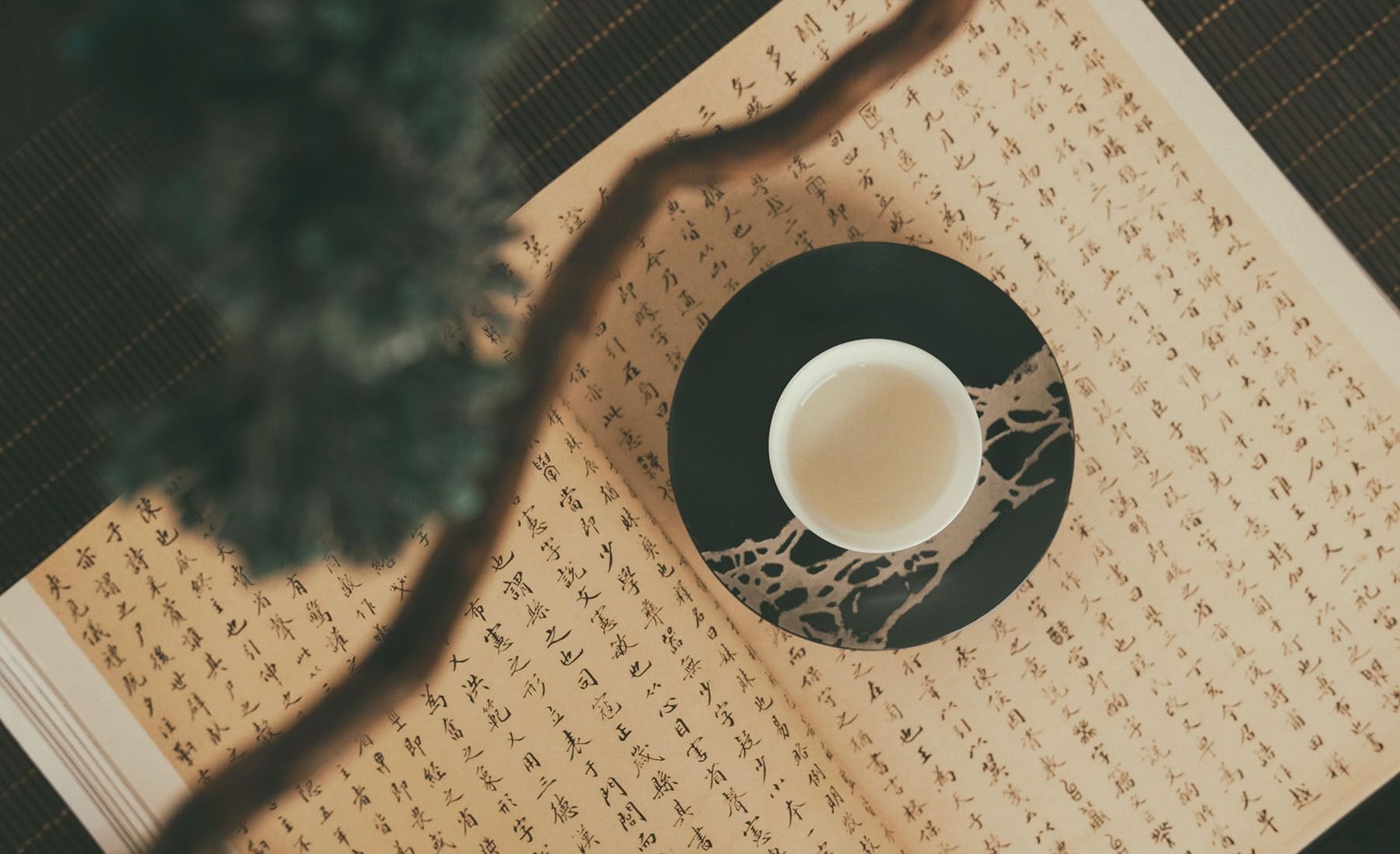
Strongly influenced by traditional philosophy, TCM developed by drawing on two schools of thought very dear to Chinese culture: Confucianism and Taoism. These two philosophical pillars are largely at the origin of the fundamental theories of TCM. Scholars took more and more interest in this discipline, which was gaining in coherence and becoming more refined. This is how many works came into being.
We can mention the Yellow Emperor's Classic of Internal Medicine (dating from 770–221 BCE), a famous and very comprehensive treatise on the foundations and major medical concepts of traditional Chinese medicine. Shen Nong's Classic of Materia Medica, another important work, is one of the oldest collections on the basics of the pharmacopoeia, written according to legend by Emperor Yan (Shen Nong) and his descendants around 100 BCE.
The rise of TCM
The era of the Sui (589–618) and Tang (618–907) dynasties marks the golden age of Chinese civilisation. Economic and political stability greatly encouraged the country's development, and it was in this same period that medical teaching became official. While medicine was making impressive progress, the advent of printing allowed medical writings to be widely distributed in institutes and academies, leading to the sharing of knowledge3.
Western medicine and traditional Chinese medicine
The impact of conventional medicine on traditional medicine in China
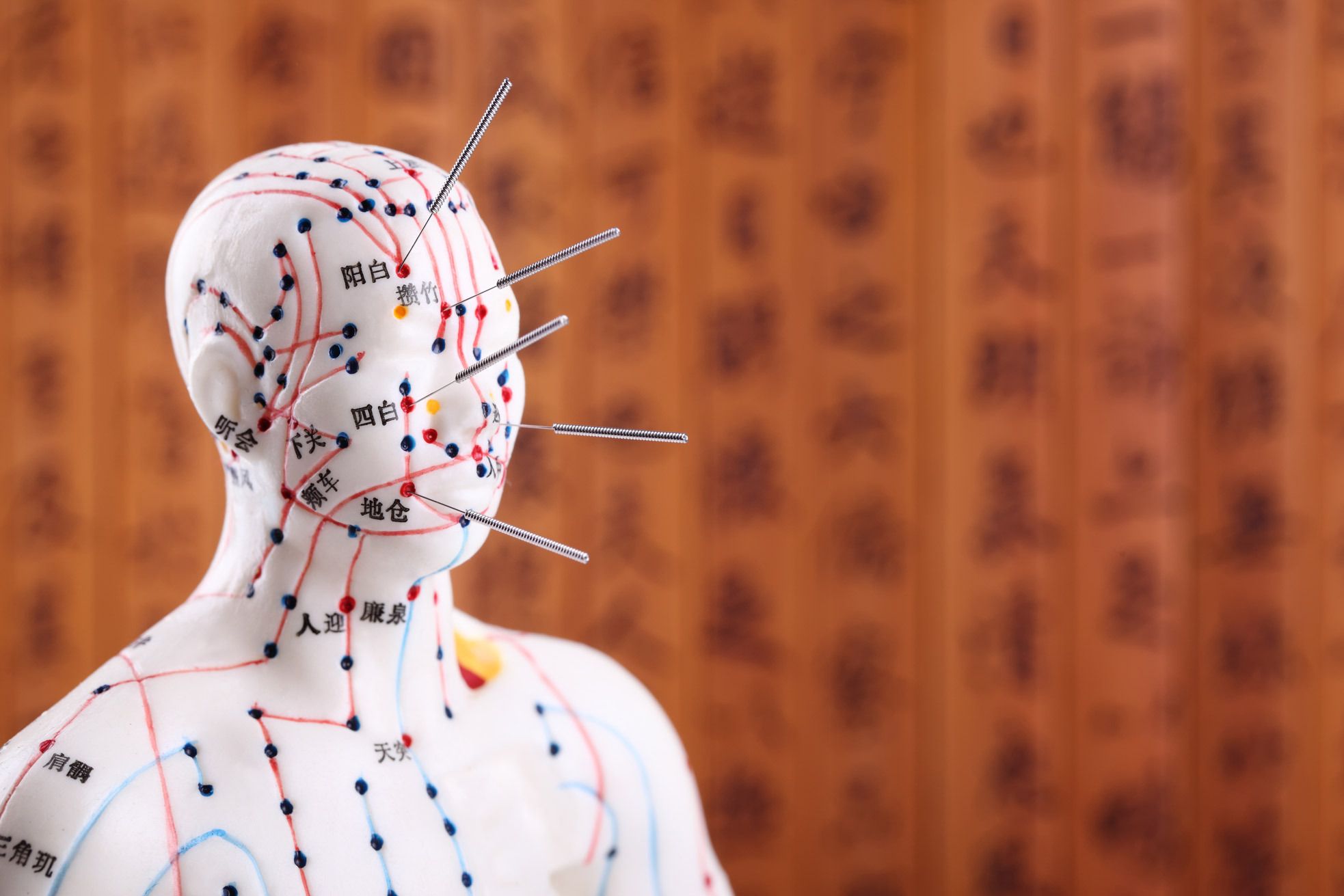
In 1911, a revolutionary movement overthrew the Qing dynasty. Western medicine made its entrance into the Republic of China, unleashing a wave of fierce criticism of TCM. Then, in March 1929, some Chinese people trained in conventional medicine called for the ancestral discipline to be banned, but in the face of general disagreement their request came to nothing. To mark this day of rebellion, the importance of traditional medicine in China is celebrated on 11 October.
After rejecting it for a long time, Mao Zedong eventually gave TCM a new impetus, considering it an integral part of Chinese heritage, and restored its standing by calling it a “national treasure” in 1958. He did, however, express his wish to modernise it and integrate it with Western medicine. Subsequently, the government took measures to develop Chinese medicine. Public universities and training centres were created, as were hospitals specialising in TCM.
In 2015, the Chinese pharmaceutical researcher Youyou Tu was awarded the Nobel Prize in Medicine for her discovery of artemisinin, a substance found in sweet wormwood that is a treatment for malaria.
During the Covid-19 epidemic, patients infected with the virus in China were given medicinal plants in addition to antiviral treatment, which, according to Chinese researchers, could offer better protection against infection. Plants such as astragalus, atractylodes, Japanese honeysuckle and forsythia have an action that strengthens the immune system and helps fight pathogens.
Conquering the West
In the West, TCM was first discovered in the 16th century through Jesuit missionaries4. Little by little, works travelled and introduced this discipline to a few curious minds. In the 19th century, the practice of acupuncture attracted interest and grew, but in truth this method of care was poorly understood, as Westerners wrongly separated it from Chinese medicine and its traditional foundations.
At the end of the 1970s, China opened up further to the Western world. University and trade exchanges made access to the pharmacopoeia possible and allowed more authentic knowledge and practice to develop. Despite a degree of scepticism, Chinese medicine gradually made its way to the West, where its accuracy and the effectiveness of its treatments are arousing more and more interest.