
In traditional Chinese medicine (TCM), women were long overshadowed, yet some managed to assert their knowledge and leave an invaluable legacy. We pay tribute to those who defied prohibitions, pushed back boundaries and left their mark on history. From the earliest medical treatises to modern scientific discoveries, these five iconic figures revolutionised TCM, each in her own way. Let's dive into their stories.
Yi Shuo – China's first woman doctor
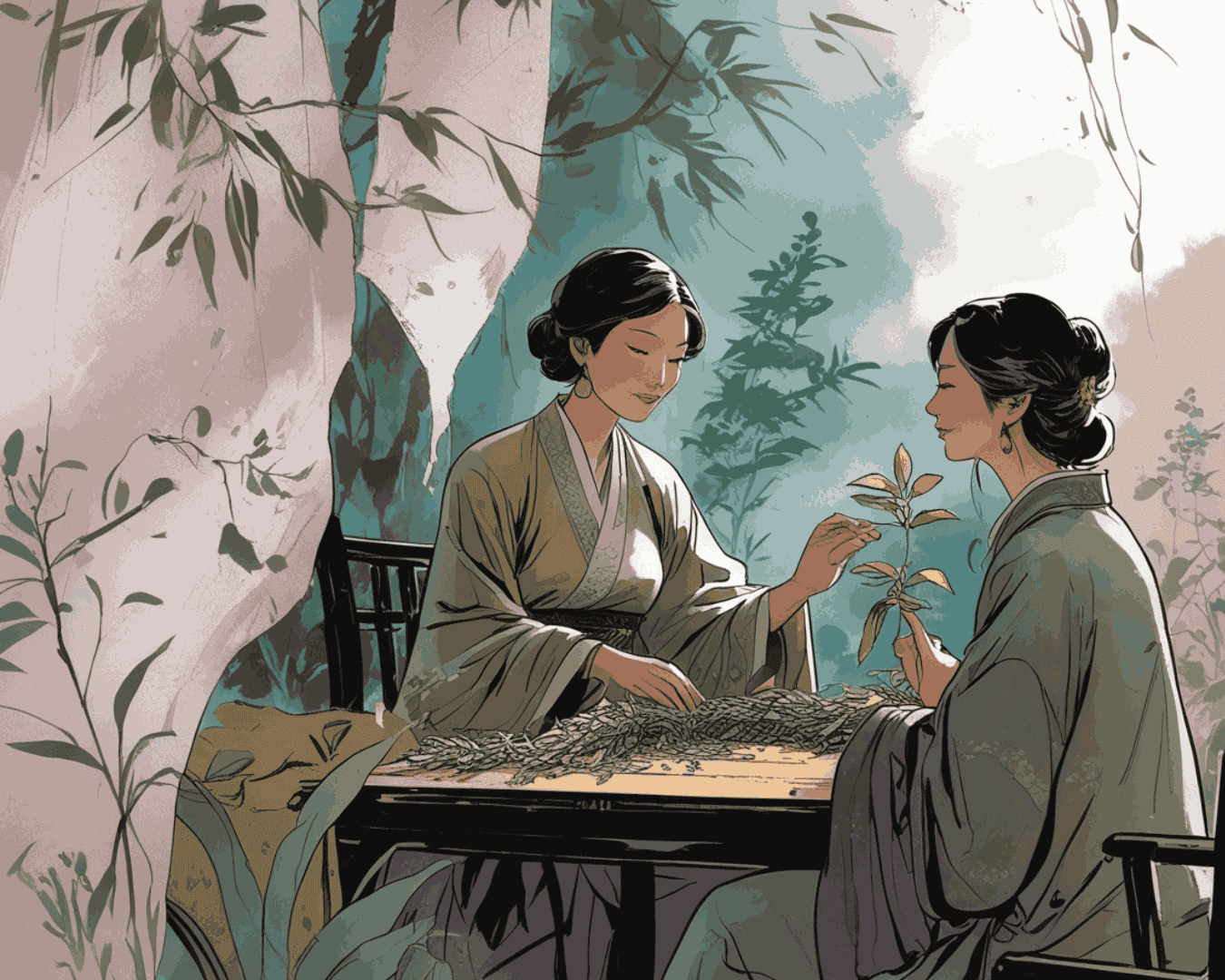
Yi Shuo is the first woman doctor mentioned in China's historical records. She was a highly respected healer, known for her commitment to caring for the people and for her exceptional medical expertise, which earned her great recognition among the common people and the elite alike.
She was skilled at treating many illnesses, but she was particularly renowned for her skills in gynaecology. Her talent eventually caught the attention of Emperor Han Wudi, who summoned her to the imperial court. Yi Shuo was then appointed official physician to the ladies of the court, and more specifically put in charge of caring for Empress Dou. Her work and expertise allowed her to win the Empress's trust, which strengthens her place in the history of traditional Chinese medicine.
Thanks to her knowledge and her unique status as a woman doctor in ancient China, Yi Shuo is a pioneering figure who paved the way for other women in the medical field.
A remarkable case that made Yi Shuo famous
One day, a seriously ill patient was brought from far away to consult Yi Shuo. Her abdomen was abnormally swollen, even larger than that of a woman about to give birth. Her navel protruded, her body was extremely thin, and she seemed utterly exhausted, barely able to breathe.
Yi Shuo examined her carefully and, after a precise diagnosis, carried out a treatment combining acupuncture and traditional Chinese medicine. She used several silver needles, which she inserted precisely into the patient's abdomen and legs. Next, she applied a medicinal powder to her navel, covered it with a cloth soaked in hot water, then gave the patient a decoction of medicinal herbs.
A few days later, the swelling began to go down gradually and, in less than ten days, the patient regained enough strength to get back on her feet.
Thanks to this spectacular treatment, Yi Shuo won immense admiration. Very soon her talent was known to all and her name spread throughout the region. She became a renowned and respected doctor, whom many people trusted for their care.
Bao Gu (4th century) – The first woman doctor specialising in moxibustion
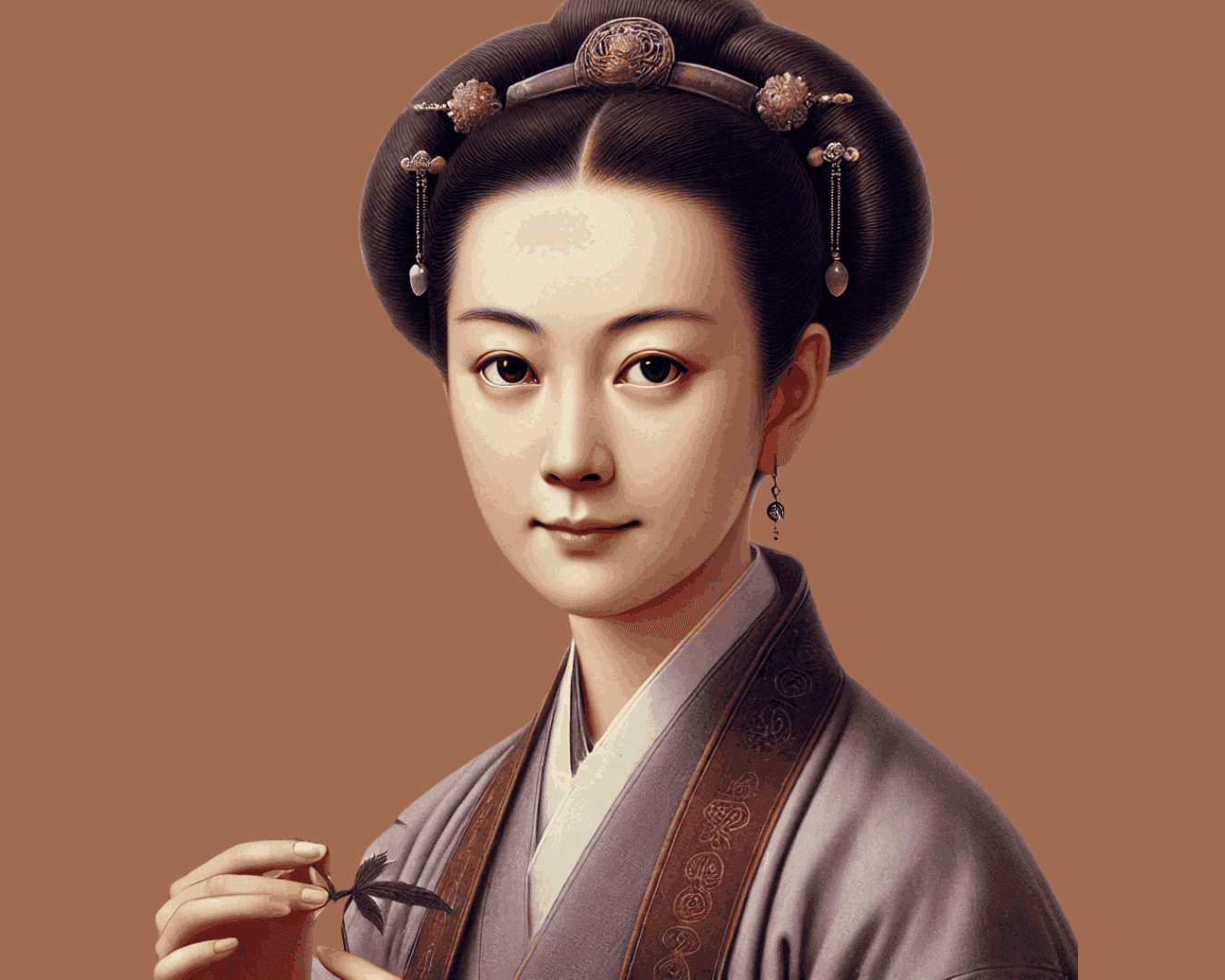
Bao Gu lived in the 4th century, a time when medical knowledge was mostly passed down from master to disciple, within very closed circles. She grew up in a family of physicians and Taoists, where she was influenced by Taoist thought. Later, she settled with her husband in the Luofu Mountains, in Guangdong, where she practised medicine and science.
She was an expert in moxibustion, a technique that uses heat to heal. She became known for her effective treatments for benign tumours and warts. Bao Gu used a local variety of red mugwort, a plant with medicinal properties, to treat her patients. Because of its effectiveness, this plant was later called "Bao Gu Ai" in her honour.
It was said of her method: “A single application was enough to cure warts. As well as healing, it also improved the appearance of the skin.”
Bao Gu is therefore recognised as the first woman moxibustion specialist in Chinese history, leaving a precious legacy in traditional Chinese medicine.
She was an expert in acupuncture and herbal medicine and used advanced techniques to treat wounds and chronic illnesses. But what made her famous was her humanitarian commitment: rather than limiting herself to the elite, she cared for wounded soldiers and disadvantaged people.
Tan Yunxian (1461-1554) – The doctor devoted to women
In imperial China, women had no access to medicine and, paradoxically, they often could not consult male doctors. Tan Yunxian changed this by becoming one of the few recognised doctors of the Ming dynasty.
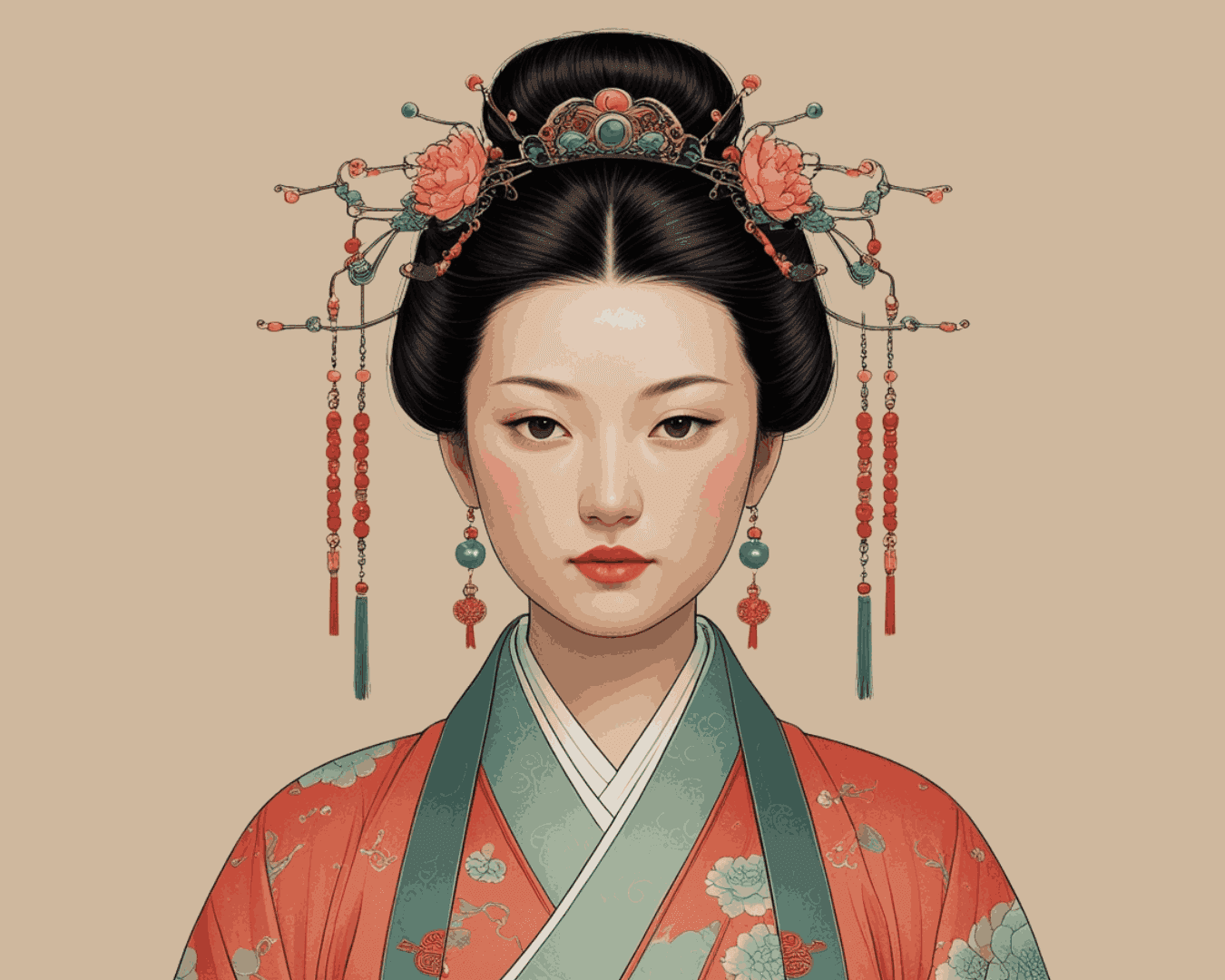
She devoted her career to women's illnesses, notably menopause, infertility, hormonal imbalances and menstrual disorders. Unlike Western medicine at the time, which neglected these subjects, Tan Yunxian highlighted the importance of imbalances of Qi (vital energy) and their impact on women's health.
Chuang Shu-chi (1920–2015) – The pioneer of cancer prevention
Born in Taipei in 1920, Chuang Shu-chi is recognised as the first officially licensed woman TCM practitioner in Taiwan. From the age of 10, she began studying medicine in secret, helping her father in the family pharmacy, the Kuanghotang Pharmacy.
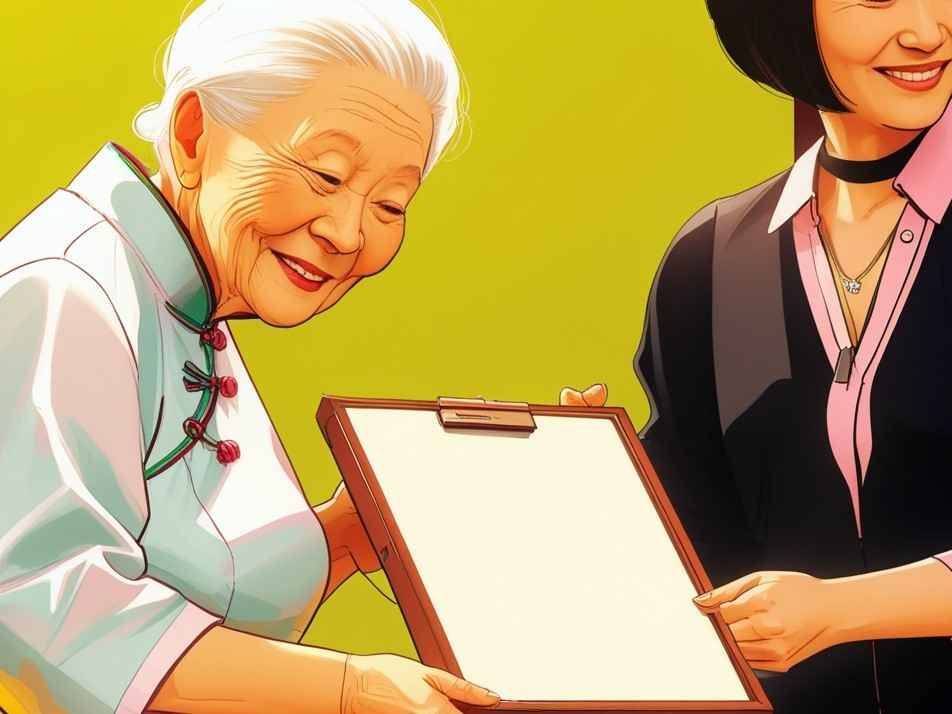
In 1951, she obtained her licence, thus becoming the first woman officially recognised as a TCM practitioner in Taiwan. She reopened her father's clinic with the help of her brothers and earned the nickname "Lady Doctor".
Later, Chuang went to Japan to deepen her knowledge. She studied at Keio University, where she specialised in cancer prevention. She obtained a doctorate there, becoming the first Taiwanese woman to receive this title from that institution.
Back in Taiwan in 1988, she devoted herself to raising awareness of cancer prevention, organising activities and promoting specific exercises to improve health. She is affectionately nicknamed the "godmother of cancer prevention" for her dedication.
Youyou Tu (1930 - ) – A contemporary medical revolution
In 2015, Youyou Tu made history by receiving the Nobel Prize in Medicine for her discovery of artemisinin, a revolutionary treatment for malaria. But her path is unique: instead of following a strictly scientific route, she drew inspiration from ancient TCM texts.
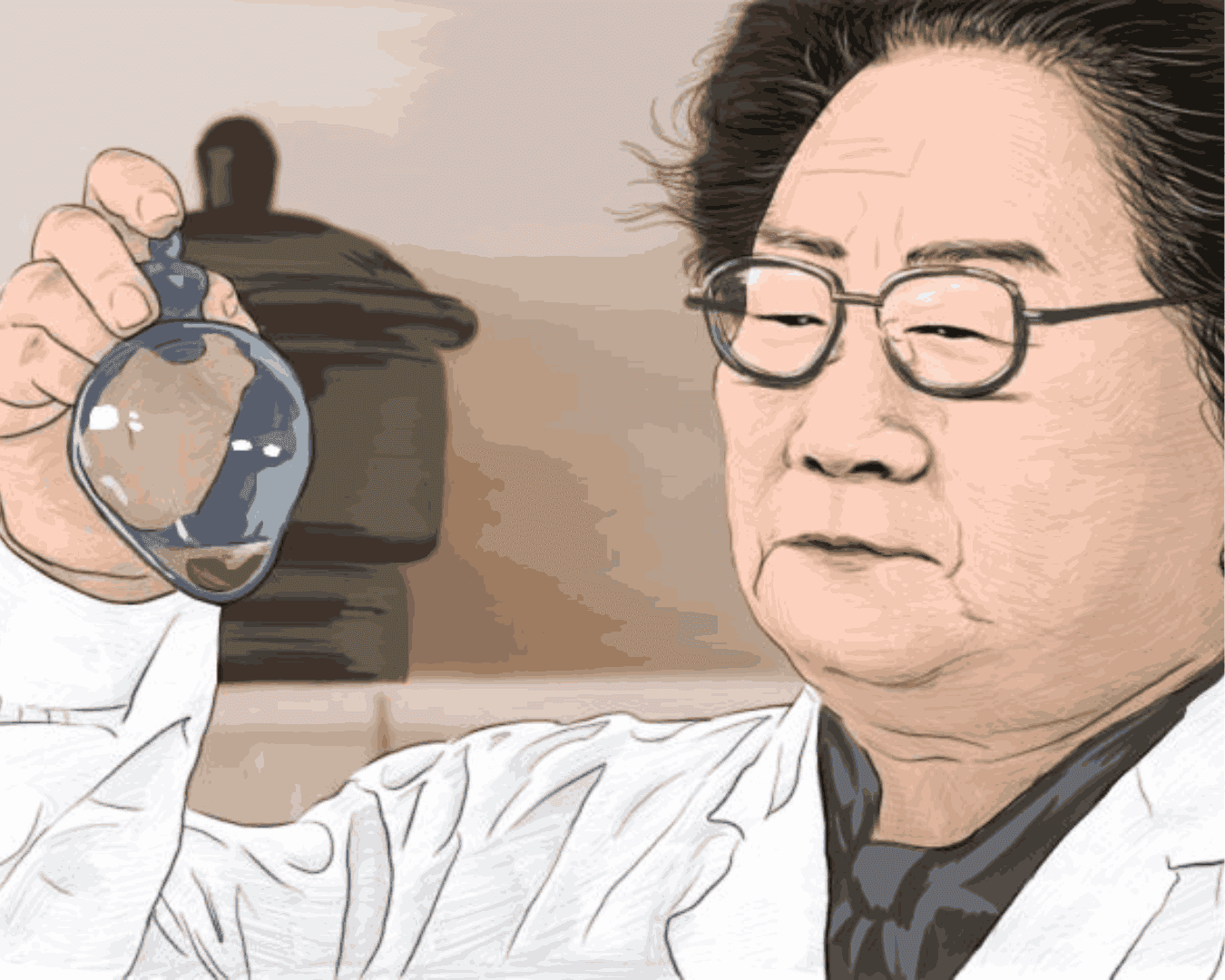
In the 1970s, China was looking for an effective treatment for malaria. Youyou Tu analysed thousands of TCM formulas and rediscovered a recipe mentioning Artemisia annua, a plant used for centuries. Through intensive research, she succeeded in isolating artemisinin, a molecule able to stop malaria quickly and effectively.
Today, her treatment is used all over the world and has saved millions of lives.
See more about Youyou TuConclusion
Throughout history, many women have left their mark on traditional Chinese medicine through their discoveries, their practices and their commitment. Although they long remained in the shadows, they played an essential role in developing and enriching TCM. Their contributions were not limited to common illnesses; above all, they helped improve the care of women's illnesses, a field often neglected by the medicine of their time.
Thanks to their expertise and determination, these pioneers not only saved lives but also perfected methods that are still used today. From acupuncture to moxibustion, by way of herbal remedies and modern scientific advances, their legacy continues to influence contemporary medicine.
Their journeys show that women's health has always had committed champions, and that TCM would not have been as complete and effective without their contributions. Today, these inspiring figures remind us of the importance of passing on knowledge and of the role of women in medical progress, in China as in the rest of the world.