
Winter is the season of change, the one that makes way for the cold, snowball fights, festivities and hot chocolate by the fire. Associated with Yin in traditional Chinese medicine, this season above all evokes darkness and ice. During winter, our body is put through severe tests, both psychologically and physically. So what does TCM advise to get through this season well?
Winter in Traditional Chinese Medicine
Winter is one of the five seasons recognised by Chinese medicine. It begins around November and ends at the beginning of February according to the Chinese lunisolar calendar. It marks the end of farm work and the storing of the autumn harvest. From an energetic point of view, Yin grows gradually until it reaches its peak at the winter solstice. In nature as in human beings, energy sinks down into the depths.
While nature and animals fall asleep, the cold sets in and begins to invade our bodies, causing our immune defences to weaken and, consequently, the onset of many winter ailments such as flu, sore throats and bronchitis. From an energetic point of view, it is an important season, since it considerably upsets our balance. Indeed, after spending energy all year long, this season invites us to rest and recharge.
The Kidney, organ of winter
The Kidney (Shen) is the organ associated with winter. In TCM, it is considered the body's fundamental reserve. It allows the other organs to draw on resources when necessary, which is why it is essential to tonify it during this season. Characterised by the movement of Water (Shui), the Kidneys take part in transporting the pure part of the Fluids. Traditionally, a distinction is made between the Yin Kidney (left) and the Yang Kidney (right). That is why the Kidneys are also called the “Organs of Water and Fire”1 (Shui huo zhi zang).
The Kidneys are very important organs because they store the Jing essence, one of the three pillars of Traditional Chinese Medicine along with Qi (Energy) and Shen (Spirit). Jing houses the reproductive functions and governs the body's growth process; it is essential to the proper development of the body.

To protect the Kidneys during winter, TCM recommends practising Qi gong, a traditional exercise system that includes exercises specific to Kidney health. Certain massages can also be done to tonify the Kidneys. Simply warm your hands well by rubbing them together, then massage the lower back and kidney area.
The pathogenic energies of winter
In Traditional Chinese Medicine, six external Energies surround us. Among them is Cold (Hán), which characterises winter. Cold is a Yin perverse energy which, in excess, can affect Yang. Likewise, if Yang is weakened, the circulation of Qi and Blood slows down.
The main manifestations of Cold are a chilled body, pain, a pale face and great fatigue. There are, however, two types of Cold: first, external Cold (Shang Han), which affects the outer surface of the body, blocking the skin and muscles. If the defensive energy (Wei qi) is not strong enough, flu-like manifestations may be observed: fever without sweating, aches and pains, and a “fear” of Cold and Wind. Then there is internal Cold (Zhong Han), in which Cold penetrates directly into the body because of a Yang insufficiency. This internal Cold will affect in particular the Heart, the Spleen and the Kidneys, and may lead to signs such as cold limbs, digestive disorders, abdominal pain and even nausea.
All these manifestations can be eased by bringing in warmth to strengthen Yang. For example, as far as diet is concerned, it is advisable to avoid cold and raw foods, such as fruit or salad, and to favour soups, stews and herbal teas.
In TCM, moxibustion is also recommended in the case of an Excess Cold syndrome. It consists of warming an acupuncture point with moxa sticks and letting the heat penetrate through the skin2. This practice can be useful for preventing and easing joint pain, digestive disorders and menstrual discomfort.
Plants: an ally against external attacks
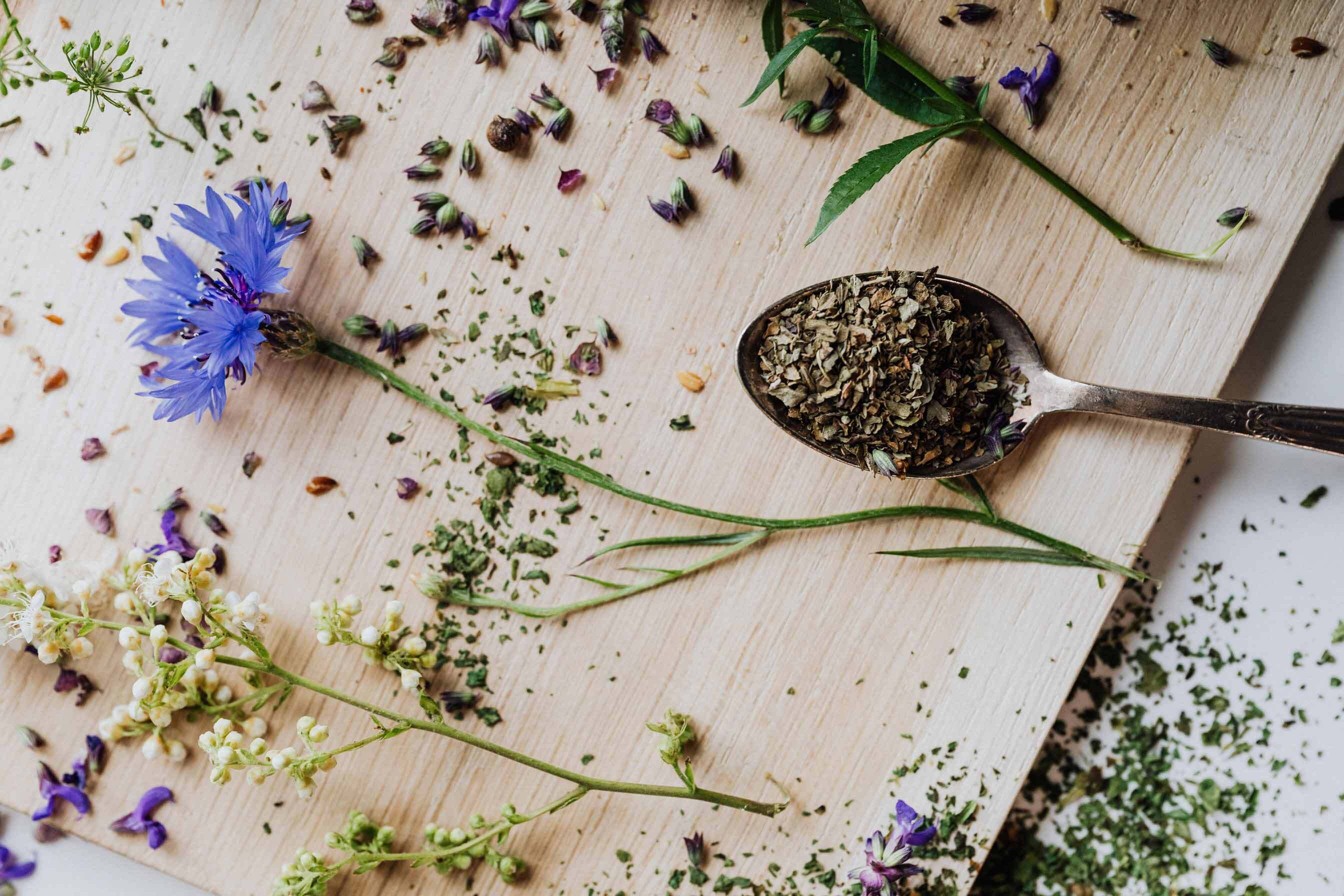
To combat Excess Cold, the use of medicinal plants has proven its worth. Indeed, the Chinese pharmacopoeia recommends a wide choice of plants for getting through winter well, protecting yourself against the Cold and strengthening your immune defences. Among them are:
- Huang qi - Astragalus: frequently used in TCM, it has excellent virtues for stimulating and strengthening the immune defences and for tonifying Qi.
- Ling zhi - Ganoderma: an adaptogenic mushroom, it improves the body's response to stress, strengthens immunity and preserves the body's vitality.
- Ren shen - Ginseng root: very popular in the West, where its benefits are well established, Ginseng root boosts physical and intellectual performance and helps you recharge your energy.
- Ding xiang - Cloves: a plant reputed for fighting winter ailments, Ding xiang warms the body and fortifies the Kidneys.
Moreover, often associated with a dip in form, the arrival of winter is marked by a feeling of fatigue and a drop in mood and energy. So, to recharge your batteries this winter, the Chinese pharmacopoeia recommends using tonifying plants:
- Bu zhong yi qi cha - Body-tonifying herbal tea: made up of 8 plants, this herbal tea is a preparation designed to reduce fatigue and strengthen energy.
- Xing bao gu - King oyster mushroom: this mushroom is valued for its tonic virtues on the body and is therefore recommended in case of fatigue.
A good diet for good resistance
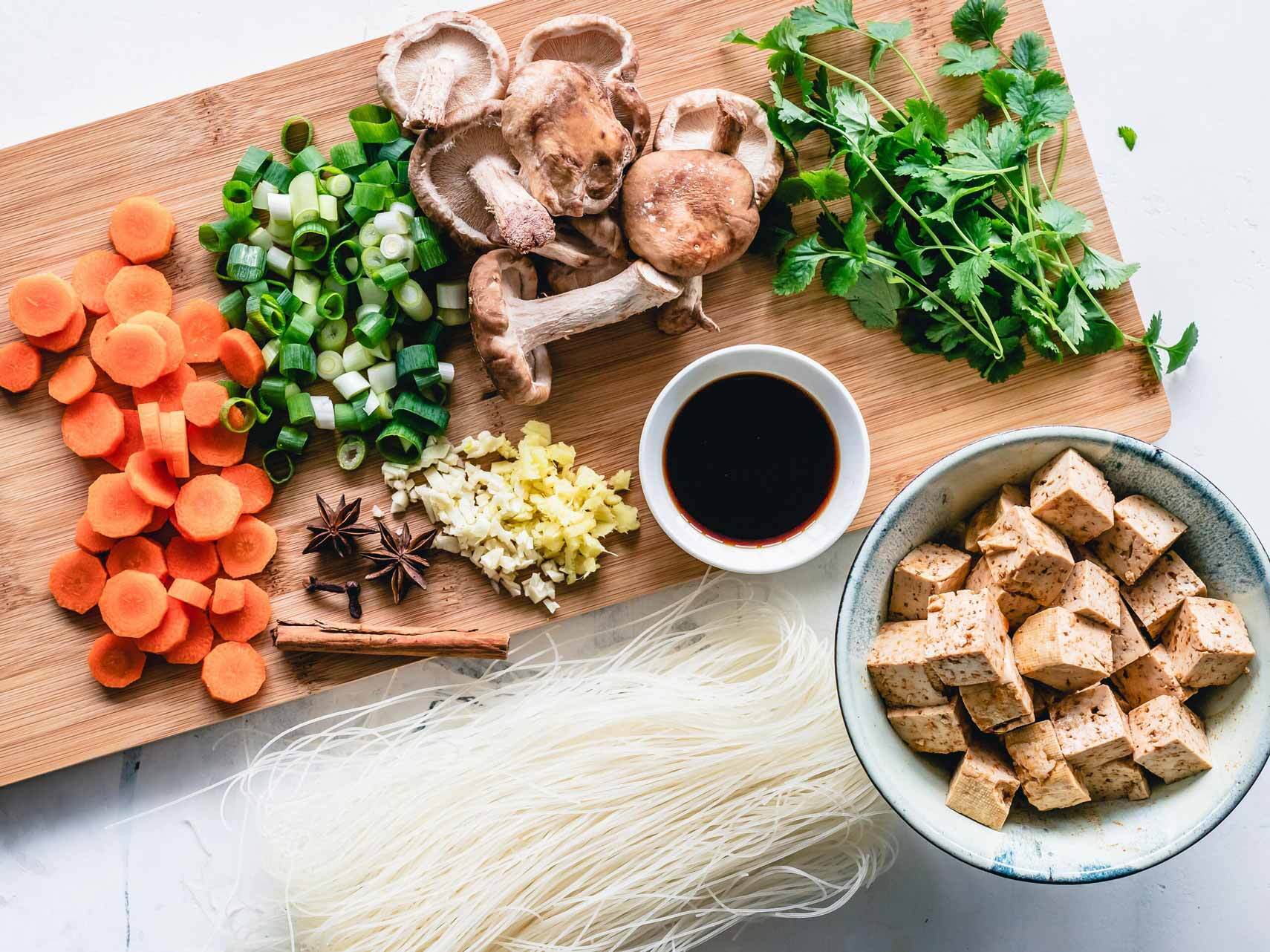
Naturally, it is essential to adapt your diet to the new season. Snow, cold, viruses, the blues… So many things to face during winter. Sūn Sīmiǎo (581–682), a famous physician of the Tang dynasty, said: “A proper diet maintains health and protects against illness; it makes it possible to prolong life.” Indeed, our winter diet should stimulate the Kidneys and also be in harmony with the season. Which foods should we favour?
In Chinese dietetics, a branch of treatment in TCM, winter is associated with the salty flavour. The Kidneys will need it, but in moderate amounts. You should also make sure you eat foods of a hot and warm nature, and stay well hydrated (tea and soups without moderation!). Here are some foods to eat in winter:
- Pulses: lentils, dried beans, chickpeas, soya
- Root vegetables: carrots, turnips, pumpkin, Jerusalem artichokes, parsnips, potatoes, leeks, kohlrabi, beetroot
- Cereals: buckwheat, sesame, rye, oats, barley
- Meat: duck, pork, mutton
- Fish and seafood: crab, prawns, oysters, mussels, octopus, cuttlefish
- Fruit: apples, chestnuts, dried fruit
- Spices: ginger, cinnamon
Careful! Don't forget to vary your diet well, alternating from time to time: mutton or prawns to tonify Yang, duck and goose to nourish Yin, for example.
A well-deserved rest

Finally, winter has frozen the landscape and time, which is why life seems to slow down. Our energy decreases and we need more rest. As this is the season when Yin is at its peak, it is time to recharge in order to increase your Yang.
Indeed, sleeping well is essential, especially in winter! So TCM suggests increasing your sleep time and encourages us to go to bed as early as possible. Taking the time for a short nap during the day or during our lunch break, meditating and resting the mind can help recharge our batteries, which is essential for getting off to a good start in the new year that is fast approaching.
- In winter, priority should be given to mental calm, meditation and tranquillity. Our mind also needs to rest.
- Silence, like that of snowy landscapes, is to be favoured.
- Sleeping before 11 pm is strongly advised. Indeed, Kidney energy recharges between 10 pm and 2 am. Moreover, in TCM it is said that the hours of sleep before midnight count double.
Be careful, however, not to stay too inactive. On the contrary, getting a good breath of fresh air and walking during the day is strongly encouraged. This will benefit your sleep and help eliminate the fats and toxins from our somewhat richer meals, a detail not to be overlooked, especially as the festive season approaches! Enjoy this new season and don't forget: “a smile can be worn in summer and winter alike; everything turns grey when you lose it”!


