Ginkgo biloba: properties, benefits and use in traditional Chinese medicine

Known for its exceptional strength and longevity, Ginkgo biloba, commonly called ginkgo, is a tree whose composition is rich in active ingredients.
The oldest tree in the world, it is (among other things) the symbol of life and fertility, and is recognised as a legendary tree in many Asian countries.
But what makes this tree so special? How is it used in the Chinese pharmacopoeia? And what are its virtues for the body?
A very ancient tree
Where does ginkgo come from?
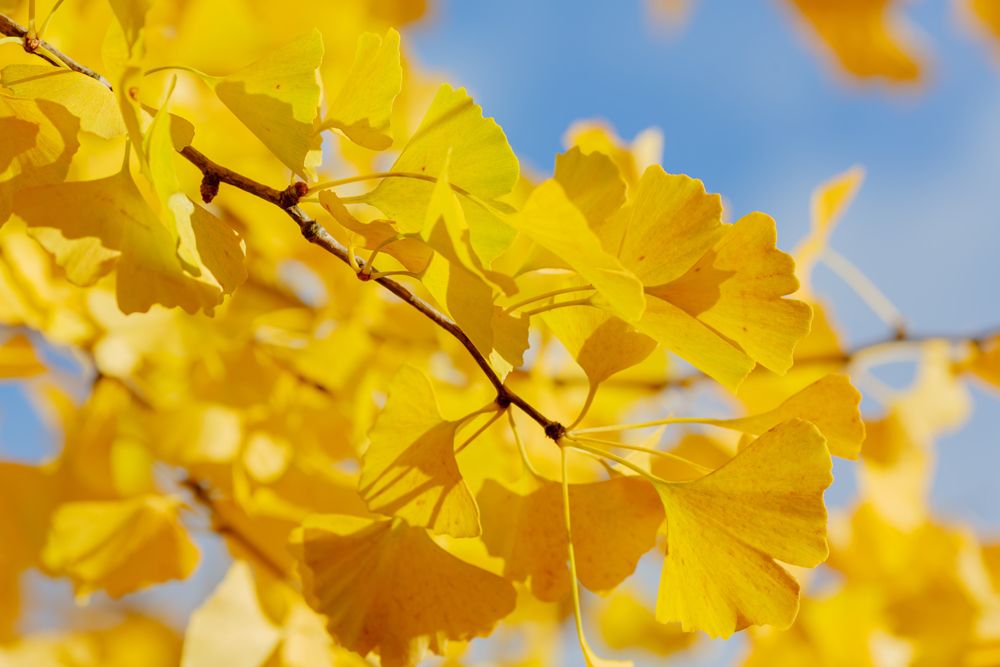
Belonging to the Ginkgoaceae family, Ginkgo biloba is the only remaining representative of this botanical family. It originates in south-east China, in the Tianmu mountains.
It is often likened to a “living fossil”, since it is said to have appeared more than 300 million years ago and to have survived all the planet's climatic upheavals.
Thanks to its great resilience, it is able to grow in any conditions, which is why this tree species is found in many places around the world.
Ginkgo biloba can grow up to 50 metres tall and live for up to 1,000 years. The word “biloba” comes from the term “bilobed” (having two lobes), and refers to the tree's fan-shaped leaves, which are divided into two lobes.
Moreover, its leaves are bright green and turn a magnificent golden yellow in autumn.
Ginkgo, a legendary tree
Legend has it that after the atomic bomb exploded over Hiroshima, several ginkgos managed to survive and rise from their ashes, a reminder of this tree's exceptional resilience.
What's more, in Japan this tree is a symbol of motherhood. It is said that villagers regarded the ginkgo as the God of birth. After each birth, women would pray to it, asking it to allow them to produce breast milk to feed their babies.
Its use in traditional Chinese medicine
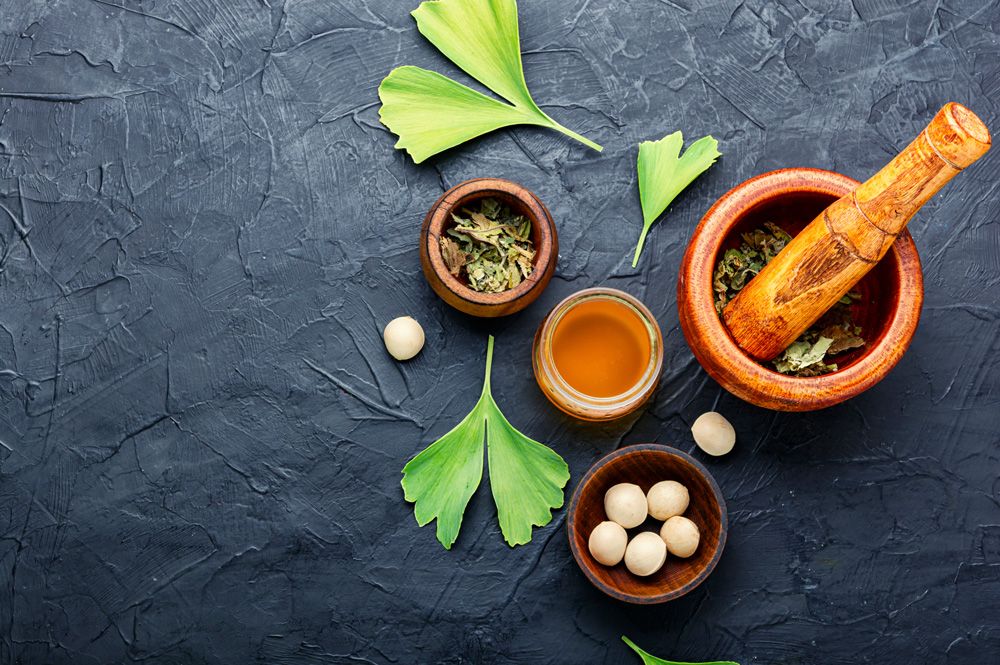
Ginkgo biloba holds a prominent place in the Chinese pharmacopoeia. Indeed, for many centuries it has been used by the Chinese in the treatment of certain disorders, as reported in the Chinese medical treatise Shennong Bencao Jing.
In Chinese medicine, two parts of the Ginkgo are used: its seeds and its leaves.
-
Ginkgo seeds (Bai guo) are recognised for their ability to support the balance of fluids in the body. They are valued for contributing to respiratory comfort, particularly during sensitive periods. In TCM, they are also used to harmonise energy in cases of Damp-Heat.
-
Ginkgo leaves (Yin xing ye) are neutral in nature and sweet, bitter and astringent in flavour, and their tropism is the Lung meridian. Besides their ability to protect the Lung, they are used to support mental vitality and maintain good clarity of mind, particularly in older people. Ginkgo is also recognised for promoting good microcirculation, notably in the brain.
Many virtues for health
For years, a multitude of studies have been shedding light on the potential medical applications of Ginkgo. So what are its virtues?
Its antioxidant power

Among its best-known properties is its natural antioxidant power, linked to its content of flavonoids (plant pigments of the polyphenol family). These compounds help protect cells from oxidative stress, a natural process linked to exposure to free radicals. Ginkgo is thus recognised for supporting cellular vitality and contributing to more harmonious ageing. 1
Several studies have looked at Ginkgo leaves and their wealth of antioxidants, highlighting their role in protecting cells against oxidative stress. 2
Boosting blood circulation

Ginkgo leaves are traditionally recognised for promoting good circulation, notably in peripheral areas such as the legs, to combat heavy legs. Indeed, they are particularly valued during hot periods or prolonged standing, supported by their wealth of antioxidants and their action on microcirculation.
Moreover, it is not unusual to find this plant in food supplements, notably for its role in supporting circulation.
Improving cognitive functions

Ginkgo leaves (Yin xing ye), rich in flavonoids and antioxidants, are traditionally recognised for supporting mental clarity and aiding concentration, notably during periods of fatigue or overwork. Ginkgo is also valued for promoting good microcirculation, including in the brain.
A study carried out on healthy patients aged 60 and over showed that its use improves memory, attention and concentration and can bring a feeling of well-being. 3
Many studies are now exploring ginkgo's potential in the context of cognitive ageing, looking in particular at its effects on memory and concentration in older people. 4
Limiting the symptoms of premenstrual syndrome

Premenstrual syndrome refers to several symptoms that a woman may have to face before her period, and which generally disappear shortly after it arrives. Difficult to live with, it often shows itself through irritability, anger and insomnia.
Thanks to its naturally soothing properties, Ginkgo is traditionally valued for supporting women during periods of hormonal transition, particularly when the menstrual cycle comes with tension or mood swings.
Indeed, studies have highlighted the potential of Ginkgo biloba to support emotional well-being in women, particularly during the phases of the cycle associated with emotional discomfort or heightened sensitivity. Ginkgo extract (EGB 761) has notably been studied in this context.5 6
A sacred tree in several Asian cultures, Ginkgo is highly resilient. Besides the many benefits of its seeds and leaves for the body, it is an exceptional ornamental tree that beautifies our gardens in autumn.
