Digestion After the Holidays: Recovering from Overindulgence with TCM

Bloating, stomach ache, heartburn… all these signs indicate that you are suffering from digestive problems. Did you overdo the Yule log and champagne over the holidays? Don't panic, TCM offers valuable advice to help you feel well again.
The main digestive disorders
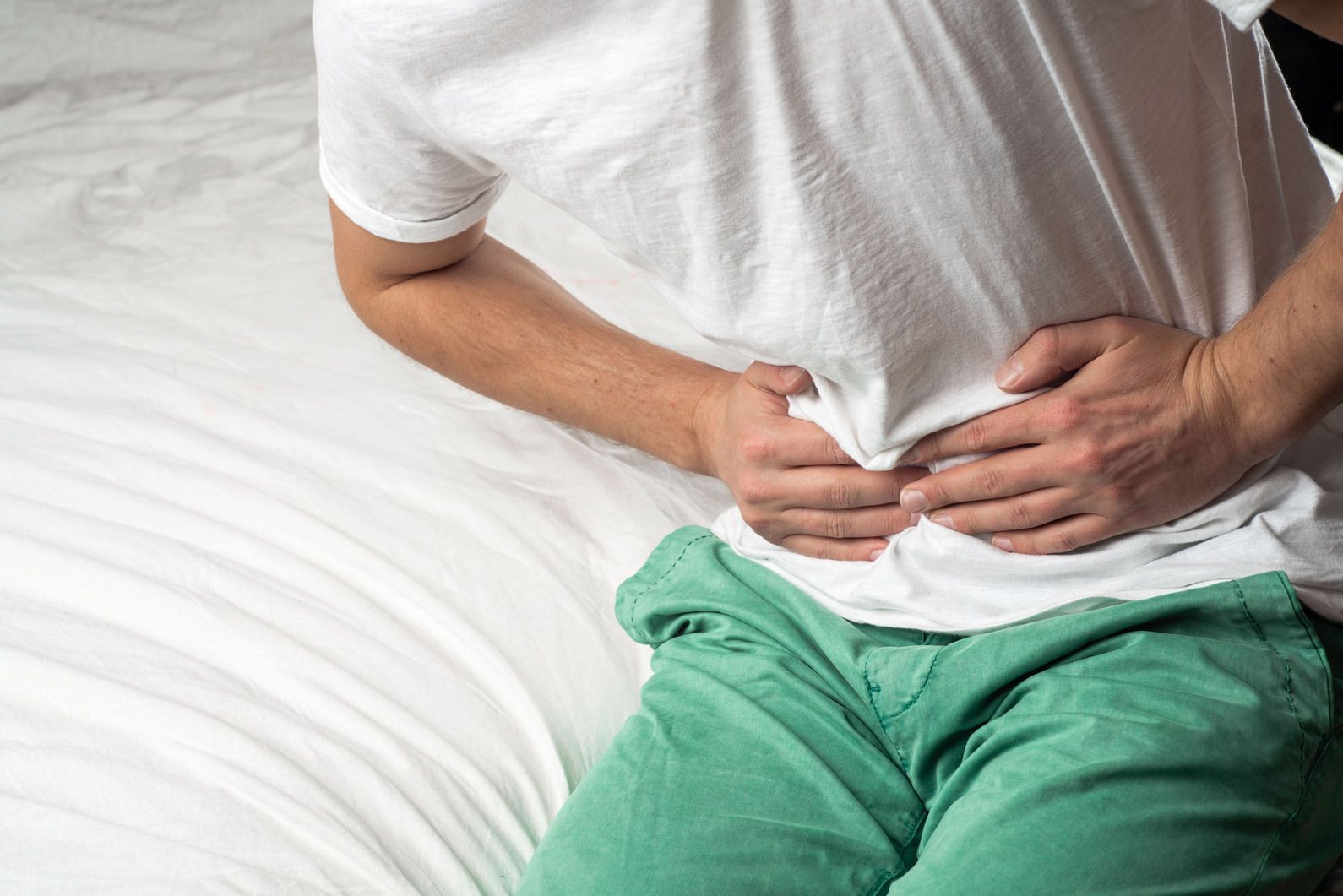
Rich, heavy meals are one of the major causes of the digestive problems that arise after the festive season. These digestive disorders show up as bloating and a feeling of an overfull stomach, but also as pain in the abdomen. Care is needed, because overindulgence can also cause more severe problems, such as indigestion.
Among the most common disorders are:
-
Bloating, which is a build-up of gas in the small intestine. This build-up puts the intestine under tension and so makes the abdomen swell. It can also cause stomach ache, “gurgling”, spasms and tension.
-
Heartburn, which refers to gastric juices rising into the oesophagus. The acidity then causes a burning, irritated feeling in the stomach.
-
Diarrhoea (acute and passing, or sometimes even chronic), which shows up as soft or liquid stools several times a day and intestinal pain.
-
Indigestion, which occurs when the stomach cannot churn food properly, so the food stagnates without being digested. Indigestion can lead to nausea and/or vomiting.
What Western medicine recommends
For passing digestive problems or after difficult digestion, it is recommended to drink plenty of fluids and favour a light diet, including rice, porridges or soups. Products to relieve discomforts such as frequent stools, nausea or acid reflux can also be used, whether on prescription or available from the pharmacy.
Finally, probiotics are also often valued for their effectiveness in restoring and protecting the intestinal flora. They regulate transit and bring back digestive comfort.
Advice from traditional Chinese medicine
In traditional Chinese medicine, the work of the Stomach (Wei) always goes hand in hand with that of the Spleen (Pi). The Spleen, which belongs to the Zang organs (called “full” organs), is Yin. The Stomach, which belongs to the Fu organs (called “hollow” organs), is Yang. As in Western anatomy, the Stomach plays a major role in digestion. It receives food and begins breaking it down, while the Spleen takes care of transforming it and producing nutrients, Qi and Blood. Once transformed physically and chemically, the food is passed on to the Small Intestine.
The Liver (Gan) then takes care of distributing Blood and Qi, and takes part in the secretion of bile, which is essential for digesting fats. Too much fatty, sugary or cold food can be one of the factors behind Liver Qi stagnation, which then damages the Spleen. Once the Spleen is weakened, health problems can set in much more easily. As soon as problems such as fatigue, insomnia, pain or constipation appear, it means that energy is insufficient, unbalanced or poorly distributed.
Relieve your discomfort with plants
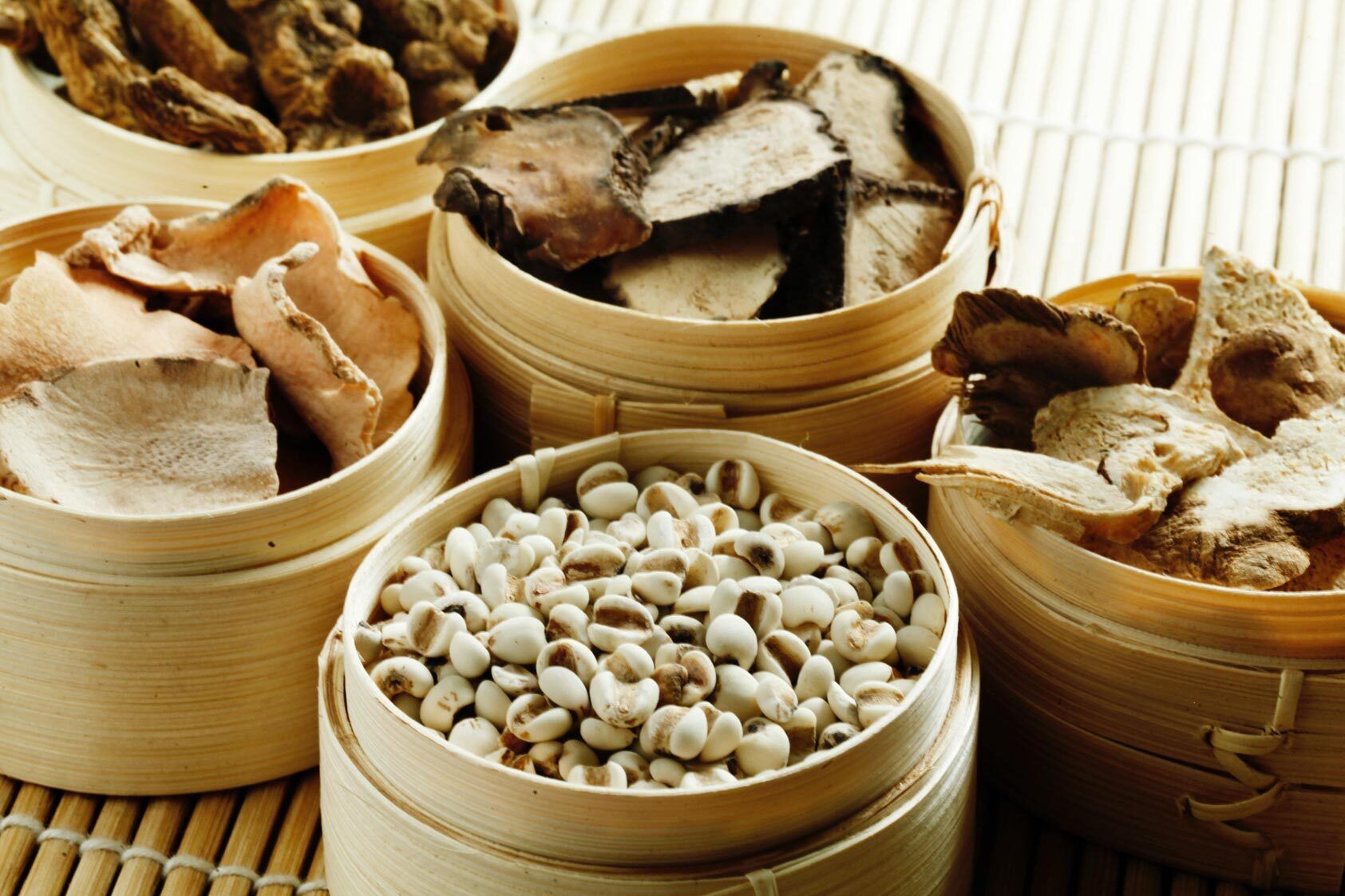
One of the natural solutions suggested is therefore to protect the Spleen (Pi) and tonify it. To do this, TCM recommends several natural ingredients listed in the Chinese pharmacopoeia:
-
Dang shen (Codonopsis): Also called “imperial ginseng”, Dang shen helps tonify the Qi of the Spleen and Lung. It is therefore recommended to overcome discomforts such as diarrhoea, lack of appetite or fatigue.
-
Bao he wan: One of the best-known formulas in Chinese medicine. It is used to soothe the effects of overeating, digestive problems, burning sensations in the stomach and frequent stools… It clears food stagnation and eases the passage of the food bolus.
-
Shu gan zhi tong wan: this formula is made up of several plants that act on digestion and help preserve stomach comfort. It supports stomach activity, strengthens the muscles responsible for digestion and soothes acid reflux.
-
Mai ya: malt grains ease digestion, strengthen the Stomach and encourage the circulation of Liver Qi. They support intestinal movement and eliminate excess fluids, bringing relief from bloating, nausea and loose stools.
-
Ding xiang (Clove): besides its many benefits for the digestive system, this plant is reputed to reawaken the appetite in people whose diet is unbalanced.
-
Chen pi (Mandarin peel): known for its benefits for the respiratory system, it also has virtues for digestive health, since it harmonises the Stomach and stops vomiting.
Adopting the principles of Chinese dietetics
Staying well hydrated
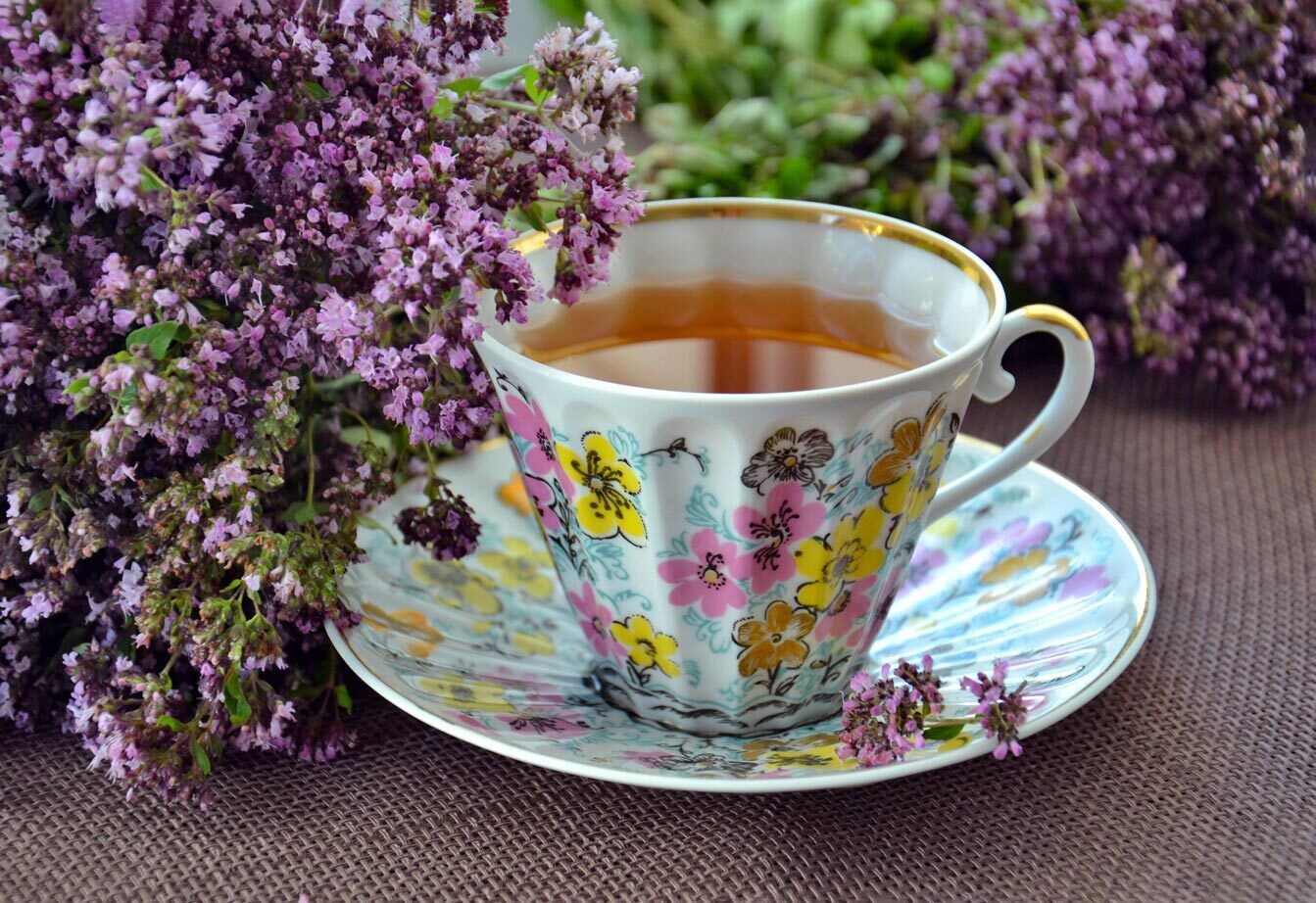
To recover from a heavy, overly fatty meal, Chinese dietetics also recommends staying well hydrated. But not just any way! As digestion is a process that takes place at around 38°, a hot drink such as herbal tea or tea will warm the body so that digestion is quicker and easier.
Matching your choice of drink to your symptoms will make its effects even more effective. A citrus infusion, which is fairly acidic, helps reduce or even stop diarrhoea, while tea helps stimulate digestion and calm nausea and vomiting. If you have overdone the wine or cocktails lately, note that tea is also known for its purifying action and helps soothe the effects of alcohol.
If you are more of a herbal enthusiast, opt for a decoction. This method of preparation uses boiling to extract all the virtues of the plants. Drunk hot, the decoction will bring the body all the benefits of the plants and help stimulate the digestive process.
So let yourself be tempted by herbal blends reputed to support better digestive health: Zhang qi tang (Bloating Herbal Tea) relieves swollen bellies and dissolves wind, Run chang tang (Transit Herbal Tea) supports elimination and the return of healthy transit, Jian qian xiao shi tang (Digestive Herbal Tea) tonifies liver function and eases the digestion of heavy meals…
Foods that heal the digestive system
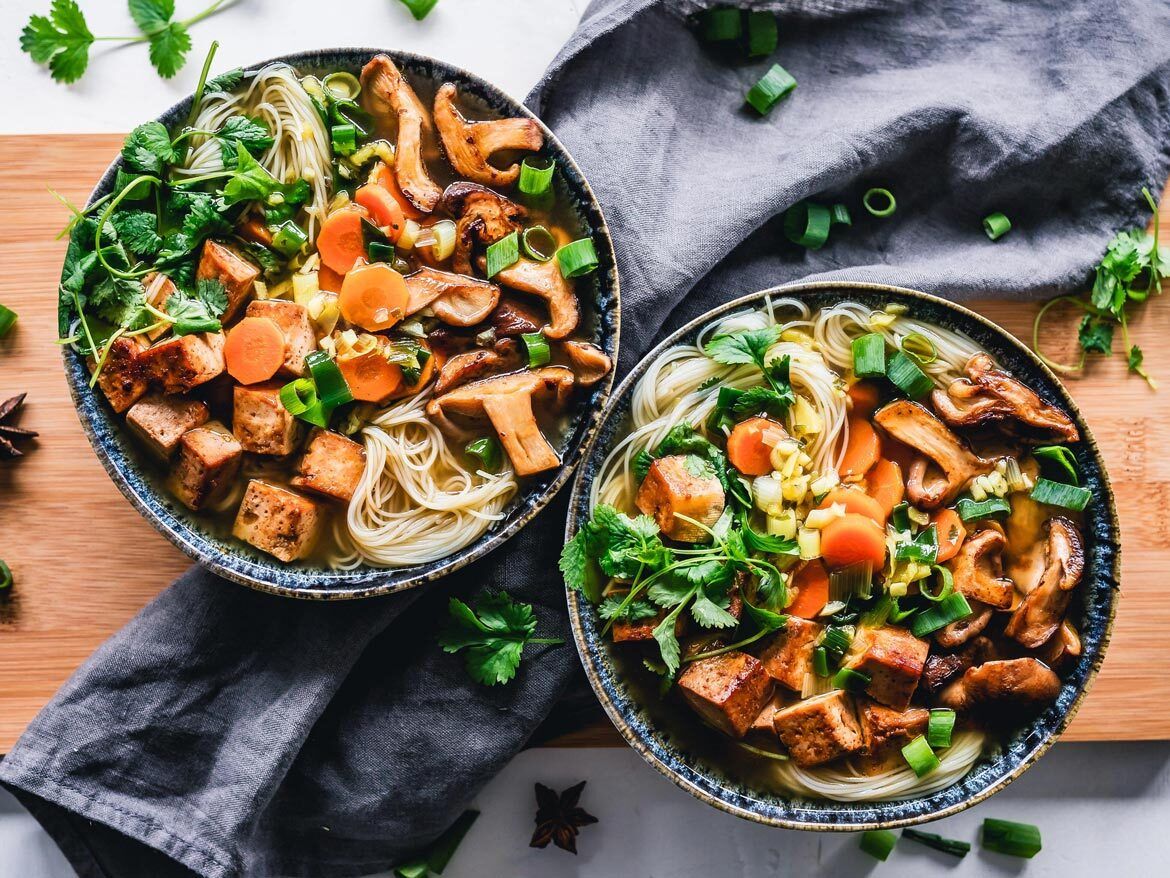
For stomach pain due to food stagnation, Chinese dietetics advises avoiding raw and cold foods and opting instead for broths and porridges to dispel food stagnation and harmonise the Stomach. For example, rice porridge, eaten for breakfast in Asia, is ideal after a heavy meal. It is a light, digestible and very filling meal. It can also be served with jujube, reputed to strengthen the Stomach and Spleen.
To put an end to diarrhoea, Chinese dietetics recommends cutting out foods with a cold or hot nature, chewing food well and opting for light, regular meals, favouring fruit and vegetables such as mandarin, garlic or potato.
To treat constipation naturally and get the bowels moving, it is best to set aside raw foods as well as foods with a cold nature and sour flavour, and to give pride of place to the pungent flavour, as it mobilises Qi. So turnip, tofu, oils, honey and coffee will do you a world of good.
To calm nausea and harmonise the stomach, it is suggested to favour foods with a sweet, sour and salty flavour. Opt for foods such as fresh ginger, oregano, mango and lemon. 1
How about some Qi gong?
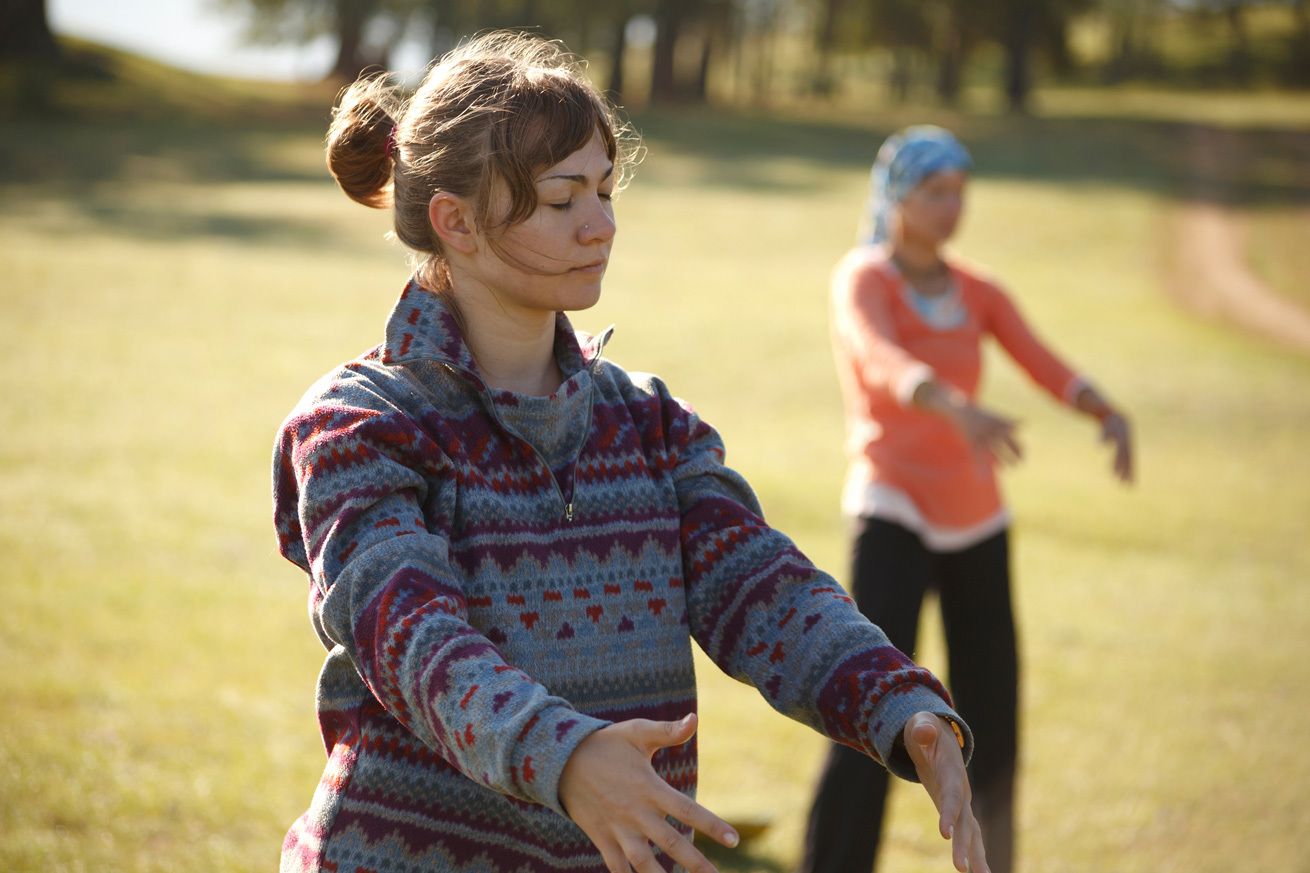
There is no point planning a morning jog the day after the festivities: the cold, the queasy feeling and fatigue will join forces to keep you in bed. On the other hand, a Qi gong session will certainly do you a world of good…
A gentle energy exercise, Qi Gong has many health benefits, particularly for digestive problems. Certain movements are recommended for their ability to stimulate the Spleen and Stomach and support digestion.
Digestive problems generally stem from an energy imbalance in the Stomach, the Spleen or the Liver. So, to overcome the discomfort, you need to treat its source, and therefore work on restoring the flow of energy. Qi Gong helps undo energy blockages because it stimulates the circulation of energy in the body. By encouraging the proper movement of Qi, the practice of this ancestral exercise helps relax the belly and support transit. Many postures are suggested to help you feel well again: the “Sweeping the rainbow” movement is known to balance the Spleen and Stomach meridians, and the “Moving hands like clouds” movement is recommended to improve digestion…
So digestive problems caused by overindulgence are an ordeal for those who experience them. Still, don't feel guilty for having enjoyed yourself! Holidays are meant to be celebrated!
First the treats, now the effort: it is time to take care of your body. Trust the digestive plants of the Chinese pharmacopoeia to help you recover from overindulgence. A liver detox should not be overlooked: gently cleansing your liver after meals too rich in sugar and fat will give your digestive system a new lease of life (ideal for getting the new year off to a good start!).


