
This is nothing new: physical activity is essential for maintaining health and for stimulating mind and body. Moving is at the heart of our balance, since it is well established that it considerably reduces the risk of imbalances. Regular sporting activity stimulates immunity and speeds up the metabolism, thereby helping to prevent problems such as excess weight, cardiovascular disorders, diabetes, bone fragility, the risk of cancers and many others.
Chinese medicine did not wait for recent research to understand the health benefits of physical activity. A very long time ago, it integrated into its treatment methods a discipline that holds rich knowledge and age-old wisdom: Qi Gong What is Qi Gong? What are its benefits for the body?
What is Qi Gong?
Qi Gong is (along with Tai Chi) a branch of Traditional Chinese Medicine in the same way as the Chinese pharmacopoeia or acupuncture. An energy exercise, Qi Gong comes from the Chinese “Qi”, which refers to “vital energy”, and “Gong”, which is translated as “work”. It represents a philosophy of life that consists of identifying and mastering Qi through gentle, extremely slow movements synchronised with the breath. This discipline, beneficial for both body and mind, is sometimes defined as a science of breathing based essentially on mastery and knowledge of the breath. Founded on a holistic approach, it brings together a set of very slow exercises and essentially works on the harmony between three elements at the heart of our fulfilment, namely: the body, the breath and awareness.
Since its introduction in France in the 1970s, this energy discipline has been hugely appreciated for its virtues. In 2020, it was estimated that 40,000 French people practise Qi Gong regularly. This appeal goes hand in hand with the enthusiasm for meditation, yoga and Reiki, and is akin to a slow walk towards total well-being. By working on the body, we nourish the soul and the brain, and by circulating energy through the body, we undo energy blockages and blood stasis.
As Chinese medicine is known for treating the origin of illness rather than its symptoms, it is no surprise that a wide range of exercises is offered in a Qi Gong session in order to reach the root of the problem. Qi Gong sessions usually take place in calm and silence. However, they can be accompanied by relaxing music. Wait a minute… where exactly does Qi Gong come from?
The origins of this traditional exercise
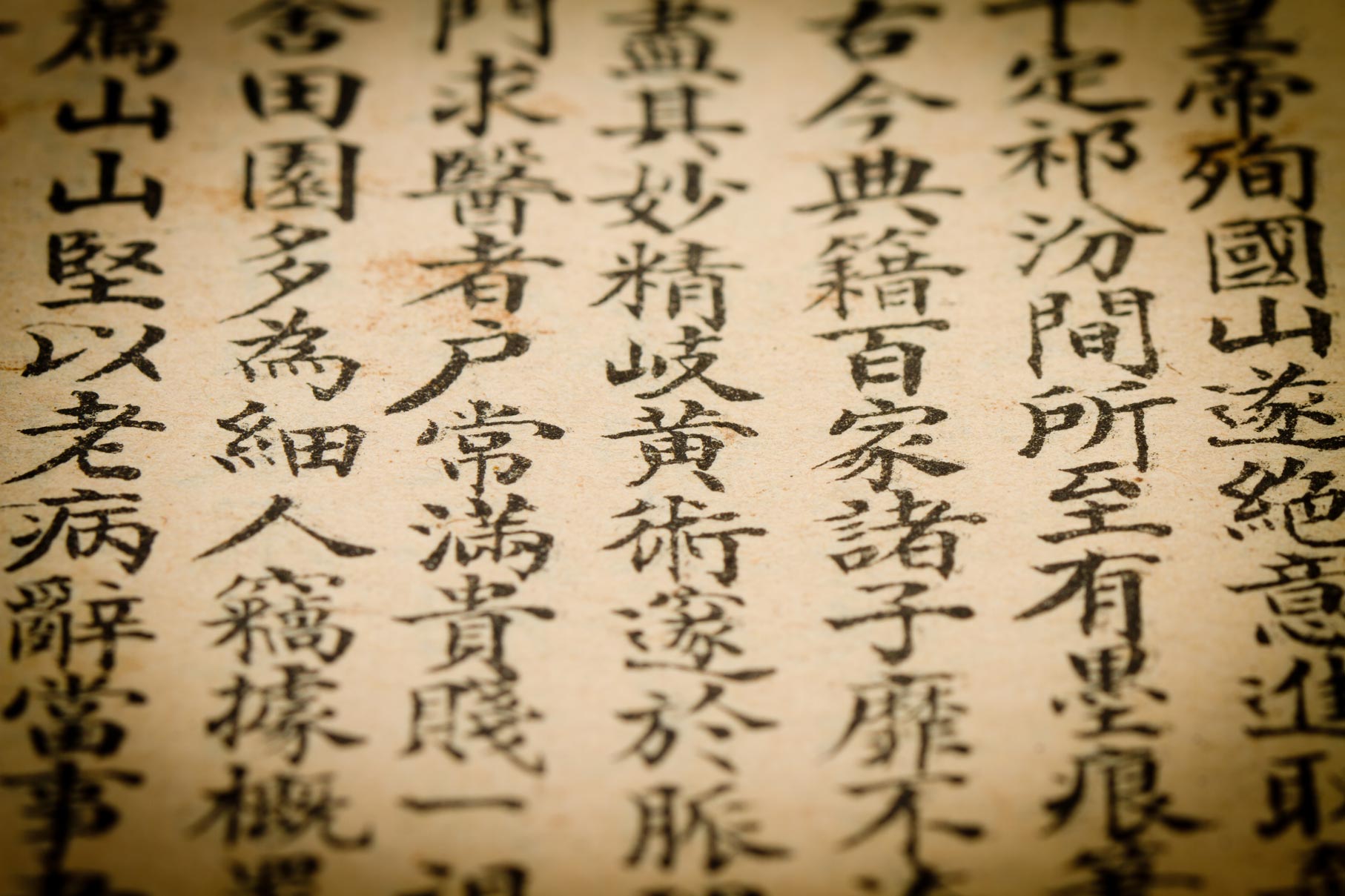
Sinology, the field that studies Chinese culture, history and civilisation, has paid particular attention to the birth of this practice, which, let us remember, is an ancestral art at the heart of TCM and of Chinese heritage. The beginnings of Qi Gong go back thousands of years. However, it was not until the 1980s that archaeologists discovered the first traces of its birth.
Historically, the emergence of Qi Gong is linked to many schools of thought (Buddhism and Taoism), which also greatly influenced Chinese culture and traditional Chinese medicine. This exercise was initially reserved for and practised by Taoist monks who sought to stay in good health in every season. It then spread very quickly to a much wider public. Since then, it has been the focus of growing enthusiasm: at a time when we often feel a disharmony between body and mind, its approach, which consists of uniting body and head and combining rhythm with awareness, arouses interest.
Qi Gong: many virtues for the body
Intended to improve health, Qi Gong promotes both mental and physical well-being. This energy art helps regulate and balance the Three Treasures (Qi, Shen and Jing), work on oneself, improve concentration and rediscover harmony with nature. In addition, one of its main objectives is to strengthen the Dan Tian, the places in our body where vital energy is produced and stored. There are three of them, and they relate to the Three Treasures: the lower Dan Tian is linked to Jing and sexual energy, the middle Dan Tian is associated with Qi and breathing, and the upper Dan Tian with Shen and awareness.

Relieving joint pain with Qi Gong
Besides the use of plants strongly recommended by traditional Chinese medicine to relieve joint pain, you can turn to Qi Gong to overcome these problems. Certain movements help make the body's muscles more supple and toned and are able to overcome joint pain. According to one study, certain exercises offered in Qi Gong sessions help people with arthritis to ease the pain linked to this condition. 1
Among the movements that relieve these ailments is “Pushing the steles to the left and right”. This movement circulates the Blood, relaxes the trapezius muscles and shoulders and develops inner strength.
The other movement worth practising in this case is “The horse-riding stance to gather celestial energy”. Called “Ma Pu” in Chinese, this movement is one of the most difficult to perform. It requires a great deal of practice and perseverance, and it helps increase flexibility and strengthen stability in the legs.
Regulating your digestive functions is possible
In TCM, the digestive system is governed by the Spleen and the Stomach. So, to relieve digestive problems, you need to focus on regulating the energy of these two organs. To do this, it is advisable to practise the “Sweeping the rainbow” movement. Well known for balancing Spleen energy, this movement helps regulate digestive functions by stretching the abdominal cavity.
In the service of women
This exercise is widely recommended to help women regain their comfort. Among its many benefits, Qi Gong has a very interesting action on the menstrual cycle: it helps prevent and soothe the discomforts associated with the arrival of menstruation. It supports women during pregnancy by ensuring the communication of energy between child and mother, and it also helps women going through a difficult menopause.
A wealth of benefits for our inner balance
To drive away negative emotions
Besides its countless benefits for physical well-being, Qi Gong is often cited for its tendency to promote relaxation, calm and inner peace, states that are necessary for good psychological balance. It makes emotions easier to manage, reduces stress and lowers the risk of depression. Chinese medicine considers it a way to soothe the soul and the Shen.
For example, the “Fire and water harmonise” posture is reputed to drive away torments: it stimulates the energy of the Heart (which houses the Shen) and the Kidneys, soothes emotions that can be pathogenic (such as sadness, fear or anger) and fosters self-confidence. Qi Gong is a tool for cultivating self-confidence and increasing our energy. Several exercises are suggested for this, notably “The crane lands on the rock”. In China and in Chinese art (mainly in legends and painting), the crane often appears as a symbol of balance. This exercise was designed with that in mind. It ensures better balance and allows you to work on your self-confidence.
To harmonise Yin and Yang
“Qi Gong is the balancing pole that keeps us from falling into the Yang abyss on the left and the Yin abyss on the right. The better our practice, the longer the pole.” (Chinese proverb)
The Yin/Yang balance is essential for achieving harmony between body and mind and for ensuring the proper circulation of energy. Several movements and postures aim to maintain this balance and harmonise these two forces. Among them is “Heaven and earth communicate”. Practised in the morning, this movement helps you fill up on energy for the day and restore the balance between Yin and Yang. The “Moving from empty to full” movement is also recommended, since it encourages listening to your body and awareness of your balance.
Each season has its movement!

In traditional Chinese medicine, there are five seasons. Each has its own rhythm, its own element and its own energy. It is vital to adapt to the changes in nature in order to be in harmony with it and its movements. TCM offers different postures and movements depending on the season.
The two movements “The tree grows by taking root” and “The green dragon shows its claws” are recommended in spring because they correspond to the movement of Wood and stimulate Liver energy. As the Heart is the organ of summer, the movements “The flower of the heart blossoms” and “The heart becomes as calm as clear water” should be added to your routine to nourish and calm it. In autumn, priority is given to the Lung, which needs great care, so it is advisable to choose the “Purifying and nourishing the lungs” movement to strengthen the respiratory system. Finally, in winter, the “Turning energy inside the Dan Tian” movement is suggested to strengthen the energy of the Kidneys, the organs of the season.
At the heart of traditional Chinese medicine and an integral part of Chinese culture, Qi Gong is a gentle exercise well worth practising every day. As well as offering precious moments of calm and serenity, it soothes the negative emotions that overwhelm us, increases our vital Energy and keeps imbalances at bay. By championing well-being and self-awareness, Qi Gong allows us to connect deeply with ourselves and with the nature around us.