- When our internal clock loses its rhythm
- An age-old wisdom in harmony with modern science
- The secret of good sleep: regularity and enough of it
- Finding a stable rhythm when the clocks go back


Sleeping better when the clocks go back: where science meets Chinese wisdom

Every autumn, we put our clocks back an hour. This year, the switch to winter time takes place on 26 October, and many of us are delighted: an extra hour of sleep, at last!
But our body is not always so pleased.
This small shift, seemingly harmless, is sometimes enough to disrupt our natural rhythm and disturb our nights.
When our internal clock loses its rhythm
Our body follows a natural rhythm of around twenty-four hours, set by daylight and nightfall.
This biological clock, called the circadian rhythm, regulates much more than sleep: it also influences our hormones, our energy, our mood… and even heart health. But when we suddenly change the time, or stay up too late, this delicate mechanism goes out of sync.
Melatonin is no longer secreted at the right time, the body gets confused, and nights become less restorative.
Researchers point out that the best time to fall asleep is between 10 pm and 11 pm: that is when body temperature drops, the brain slows down and sleep becomes deeper.
Ultimately, sleeping well simply means getting back in step with your body's rhythm.
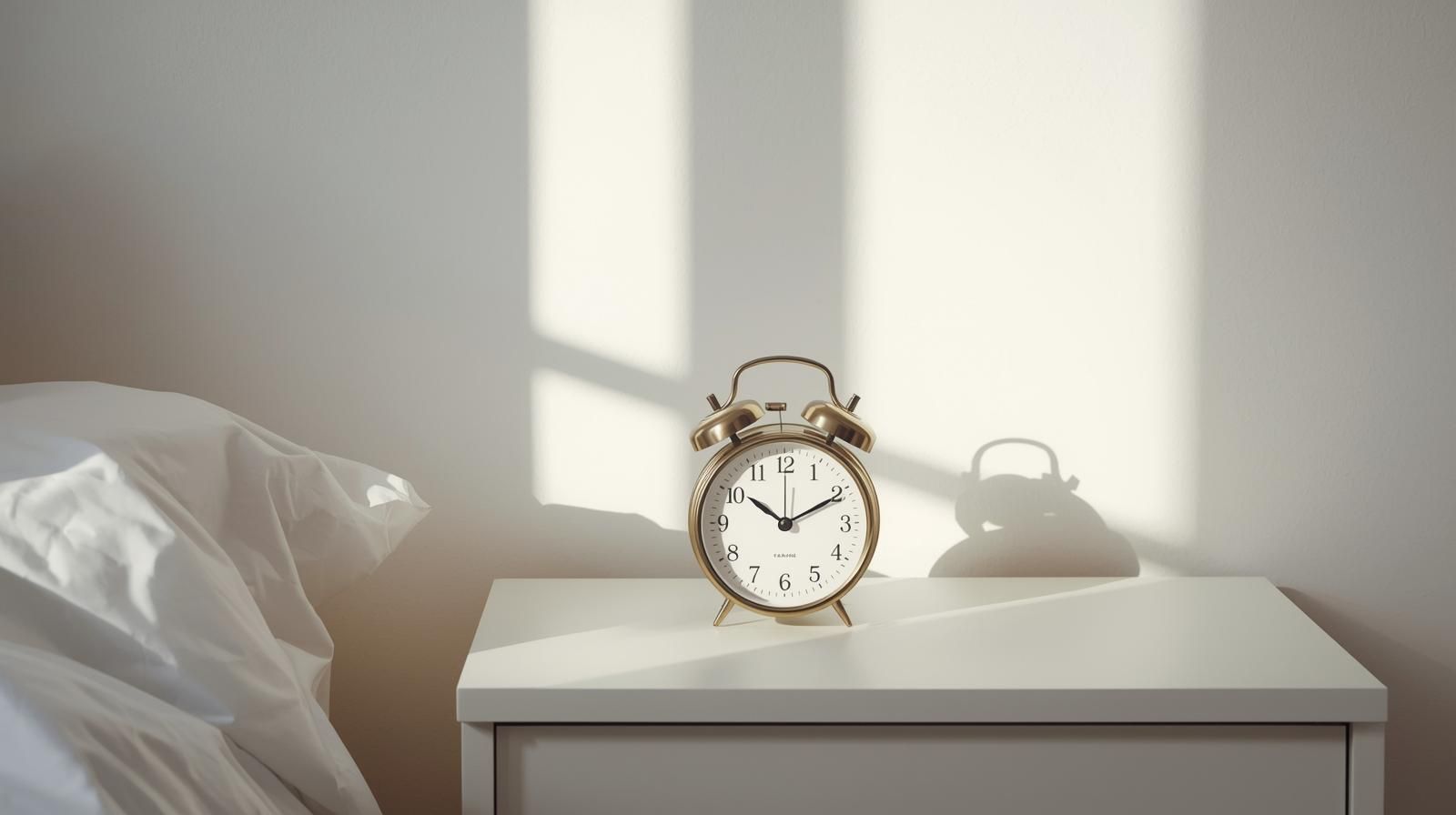
An age-old wisdom in harmony with modern science
Traditional Chinese Medicine (TCM) has always seen the body as an echo of the natural world. Everything within us follows a cyclical movement: a twenty-four-hour breath in which vital energy, Qi, flows from one organ to the next, between activity and rest.
The night belongs to Yin: it is the time for withdrawal, calm and restoration. And when winter sets in, the Huangdi Neijing recommends going to bed early and getting up later, to preserve inner warmth and nourish Qi.
Sleeping at regular times, before midnight, allows the Liver and Heart, guardians of Blood and the spirit (Shen), to fully play their role of repair and regeneration.
So, without knowing each other, TCM and modern science echo one another: one speaks of Qi and Yin, the other of hormones and melatonin, but both remind us that good sleep is above all about living in rhythm with nature and time.

The secret of good sleep: regularity and enough of it
Sleeping at the right time matters. But what counts even more is sleeping at regular times, day after day, and for long enough for the body to have time to repair itself. Our body loves regularity: it stabilises when we keep a regular sleep rhythm.
Conversely, short nights, late evenings or shifted wake-up times scramble the signals of our internal clock; sleep becomes lighter, the mind less clear, and fatigue gradually sets in.
This is also why you can sleep for a long time and still wake up tired: the body has not had time to find its true rhythm.
TCM sums it up simply: when the body's rhythm stabilises, Qi flows freely, the Shen calms down and energy flows smoothly again.
Good sleep is not a question of quantity, but of balance: that of time, body and mind.
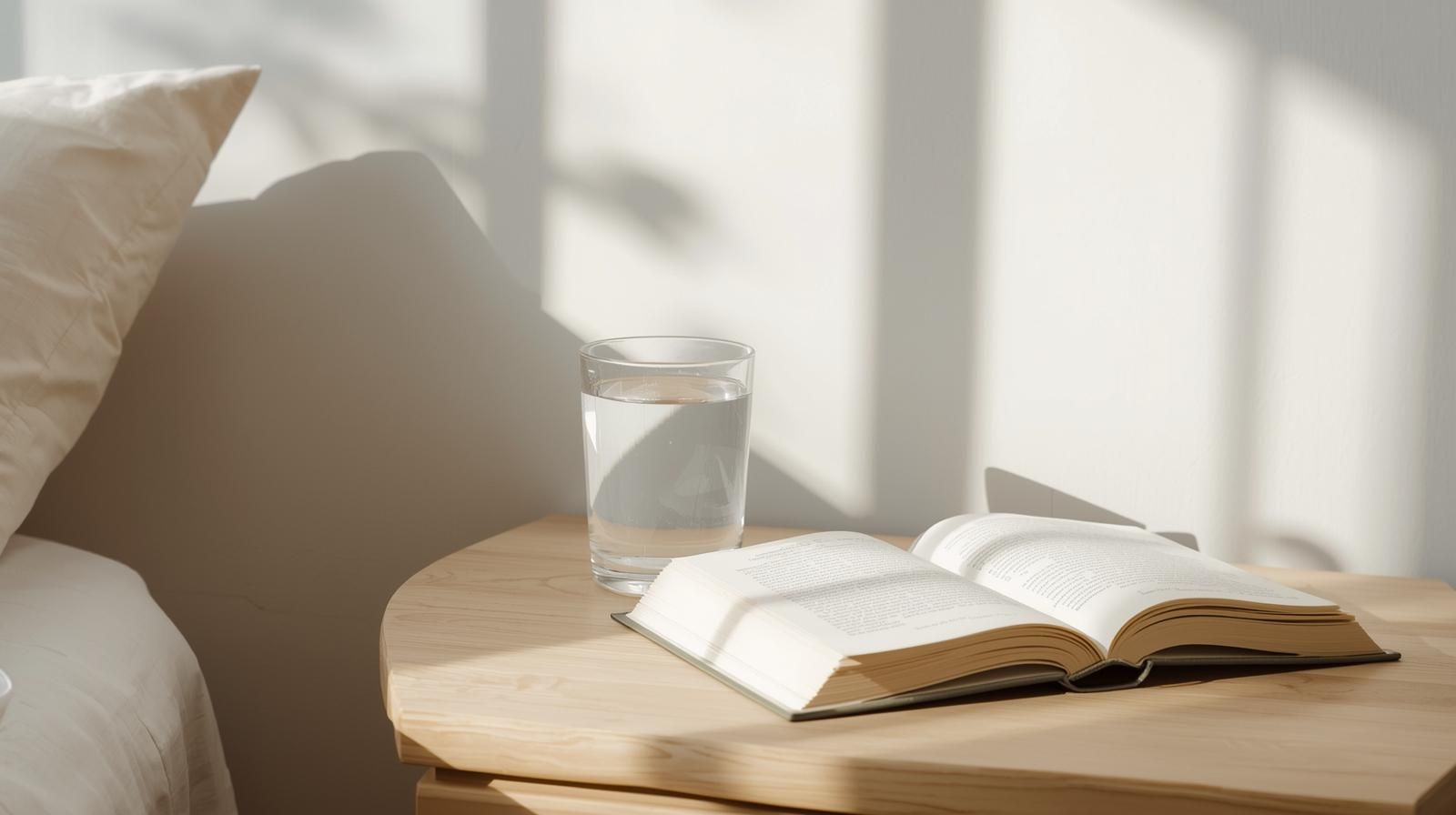
Finding a stable rhythm when the clocks go back
The switch to winter time is often a small shock to our system: the days get shorter, light becomes scarce, and the urge to cocoon grows. But this is precisely the right time to adopt a gentler, more regular rhythm, in tune with the season.
Here are a few simple habits to help the body regain its balance:
- Keep a steady bedtime.
Even at weekends: regularity helps the internal clock reset naturally. - Get some morning light.
As soon as you wake up, open the curtains: daylight revives energy and mood. - Keep evenings light.
Screens, heavy meals, stimulants… anything that stimulates the body delays sleep. - Create an evening ritual.
A hot herbal tea, slow breathing, a bath or a few pages of a book are enough to signal to the body that night is beginning. - Get enough sleep.
Seven to eight hours, depending on individual needs: winter is not the season for excess, but for rest and repair.
For this moment of calm, certain plants are precious companions:
Rosebuds (Mei gui hua), to improve sleep quality and calm the Shen (the spirit).
Jujube seeds (Suan zao ren), to help you fall asleep and improve sleep quality.
The Sleep Formula (An mian wan), melatonin-free, ensures complete restorative sleep; ideal for anyone looking to improve their sleep quality naturally.
Small habits, but a big step towards more peaceful nights.

Slowing down is already a way of taking care of yourself. Winter is an invitation to listen to time: that of the world, and that of our body.
