Postpartum: Living Well Through Your Baby's Arrival with Chinese Medicine

We often hear that there is nothing more beautiful than the arrival of a baby and that motherhood is a wonderful time in a woman's life… While forgetting that, in reality, for many women the postpartum period is far from a dream! Feeling low, baby blues, anxiety, fatigue, intense emotions, physical changes… welcoming a baby certainly brings a lot of joy, but it is also an event that turns daily life upside down.
For centuries in China, women have followed the recommendations of traditional Chinese medicine to get through the postnatal period well. These recommendations even gave rise to a tradition called Zuo yue zi, or the “Golden Month”...
What is the postpartum period?
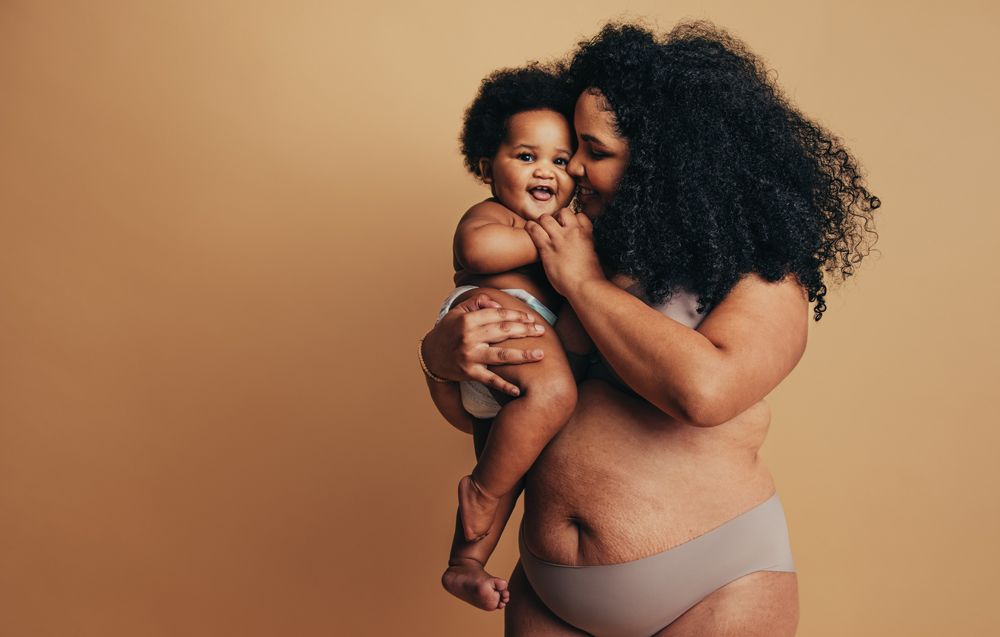
We speak of postpartum (or post-delivery) to refer to the period following childbirth. It therefore begins with the baby's birth and generally ends when menstruation returns, in other words, with the first period after pregnancy.
The postpartum period is full of emotion: baby is finally here! However happy the arrival, it completely upends daily life: the newborn needs all of its parents' attention, which forces them to adapt quickly to their new roles.
Having been supported throughout their pregnancies, new mothers suddenly feel very alone after giving birth. They are left to fend for themselves, set loose with their newborn and their new identity. The postpartum period can therefore turn out to be extremely distressing for some women. Unfortunately, it is also a period that is rarely talked about and for which they are not prepared (or poorly prepared).
What happens after childbirth?
After childbirth, some mothers experience deep distress. After pregnancy, they face numerous upheavals, both in the organisation of their daily lives and in their physical and psychological health.
The effects of childbirth on the body
More and more women say they suffer during the postpartum period, suffering that very often shows up as insomnia, intense fatigue, constipation or physical pain (stomach ache, swollen and painful breasts, contractions…).
Intense fatigue
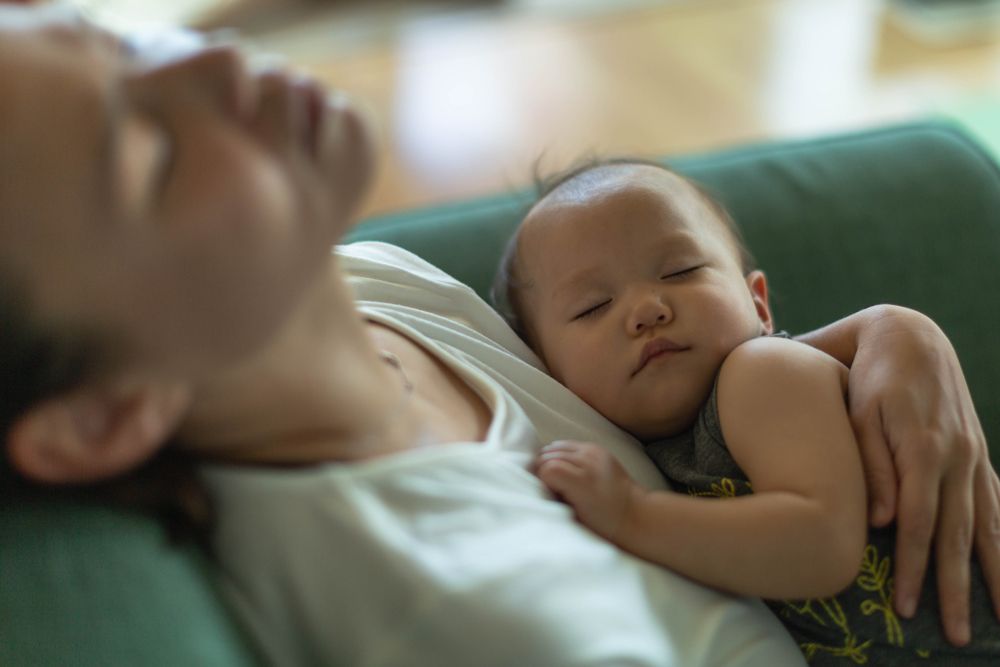
Postnatal fatigue is said to be one of the biggest challenges after childbirth. And with good reason: it is common among women, and few resources are made available to help them take care of themselves during this period.
If pregnancy is already a trying and exhausting time, the postpartum period is far from restful! Baby is now here and needs looking after! A new adventure begins, one that can prove very stressful for new parents…
Indeed, having a child is an ambitious project that demands a great deal of energy and commitment (is there any greater commitment?). Sleepless nights, breastfeeding, giving all your time to baby and pacing your days around their needs is exhausting. What's more, the mother's body is tired and worn out and needs rest and time to recover properly.
Postpartum bleeding, or lochia
Other discomforts often occur after childbirth, such as “postpartum bleeding”, also called lochia. This bleeding helps expel the residues of pregnancy. It generally lasts between three weeks and a month and requires special pads or period pants. Although inconvenient, lochia is nevertheless completely normal and gradually decreases over the weeks.
In addition, many women experience anal flare-ups after childbirth. Pushing encourages haemorrhoids to protrude, as do slower bowel movements (common during the postpartum period) and blood circulation problems.
Urinary leaks and pain when urinating
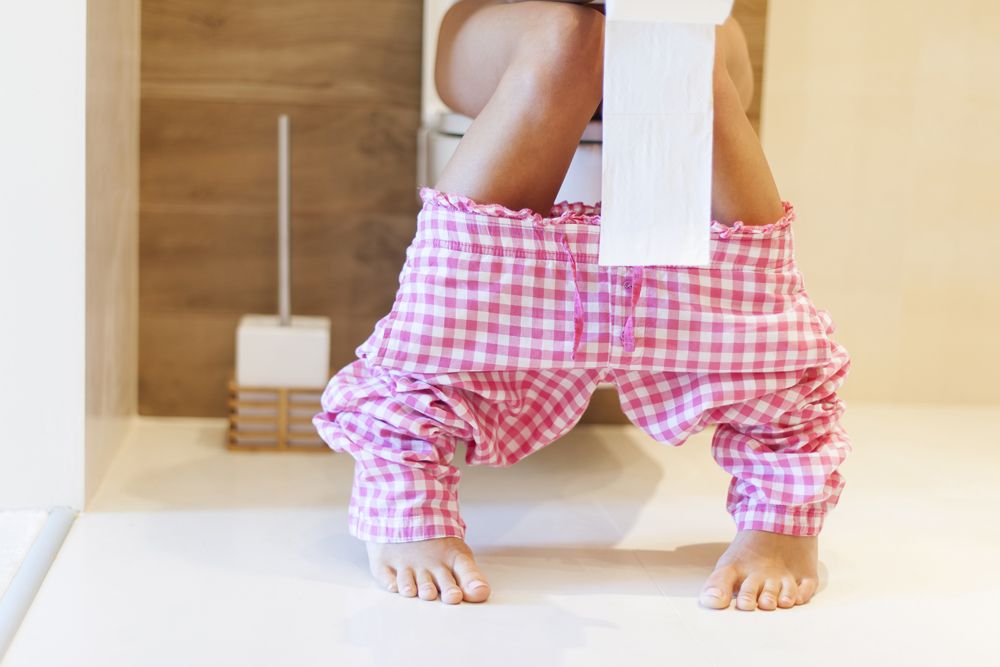
Besides bleeding, new mothers sometimes experience urinary leaks. Holding it in can be difficult after childbirth, partly because of the slackening of the perineum and of the muscle fibres. What's more, whether or not an incision was made at the bottom of the vagina to ease the baby's passage, the skin of the perineum is still sensitive, and they sometimes feel a burning sensation when urinating.
As the saying goes: “9 months to make and 9 months to unmake”! A pregnancy fundamentally changes a woman's body, so it is natural that it takes time and patience for this body, which created and carried life, to regain its vitality.
While the many discomforts that follow childbirth are entirely common, they are not without consequences. They can weigh heavily on the state of mind of new mothers, especially when their mental health is shaken too…
Fragile mental health
Hormones and the postpartum period
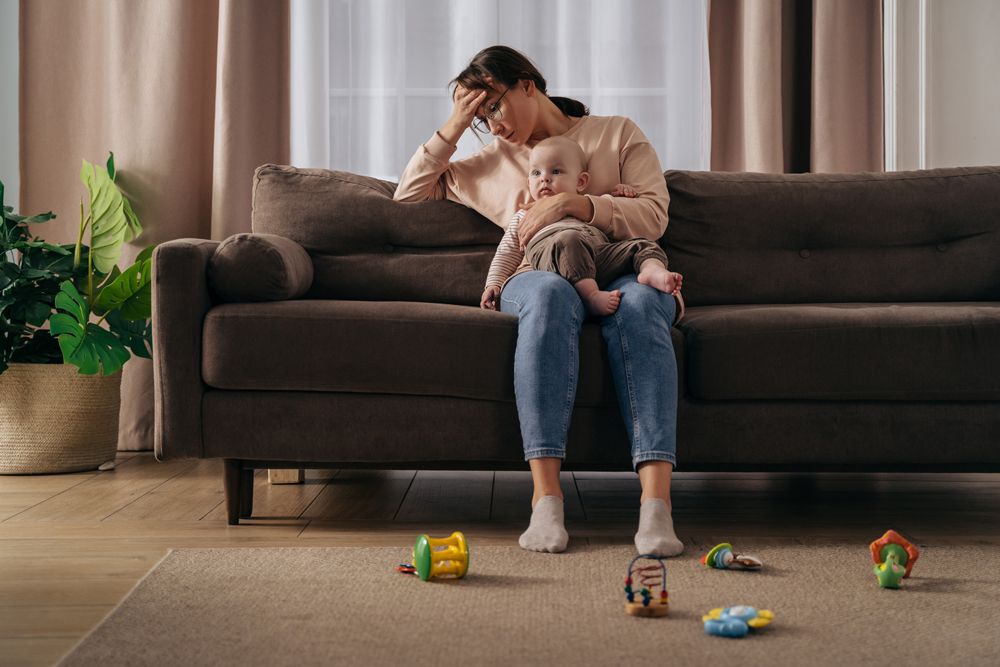
While childbirth has repercussions on the body, mental health is also fragile during the postpartum period. In the days following childbirth, pregnancy hormones drop sharply.
These hormonal variations affect well-being: they are responsible for postpartum hair loss and also for vaginal dryness, which can make the first sexual intercourse after childbirth painful. They also affect mental health, since they are at the root of what is known as the baby blues.
The famous baby blues
Fatigue, stress and hormones are responsible for this phenomenon, which mainly shows up as mood swings, frequent tears, irritability, a feeling of being overwhelmed, a passing low mood… The baby blues is therefore not an illness, but rather a natural reaction caused by all the hormonal, physical and psychological changes women go through after giving birth.
As a rule, the baby blues appears a few days after childbirth and can last up to several weeks. When it persists and emotions seem to intensify, it is advisable to see a doctor, as postpartum depression could be the cause…
Women and their self-image after childbirth
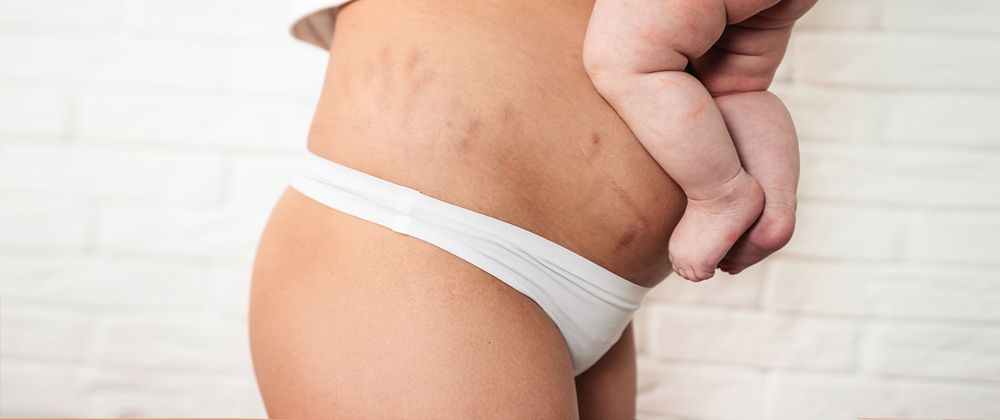
It's no secret: the arrival of a child turns a woman's life upside down, from her daily routine, her relationship and her identity to… her self-esteem.
For many new mothers who proudly showed off their rounded bellies during pregnancy, discovering their body after childbirth is a difficult step. Naturally, this body that carried a new life for several months has changed a lot: it had to make a little room, stretch and round out to welcome baby. The postpartum period is therefore often marked, for new mothers, by a deep lack of confidence and lower self-esteem.
Yet the bodies of these new mothers, which have been asked to do so much, are tired and ask only to be loved. However, these many physical changes (stretch marks, bellies that are still round, hair loss, weight gain, scars…) can seriously affect their self-image and mental health.
The postpartum period in traditional Chinese medicine
Zuo yue zi, the famous Chinese “Golden Month”

In China, after giving birth, women enter what is called Zuo yue zi (which can be translated as "sitting the month”), also called the “Golden Month”. It is a tradition followed by all new Chinese mothers (whatever their social status), inspired by the recommendations of traditional Chinese medicine.
For forty days, the new mother is the centre of attention and her only concern is… to rest! As a rule, her mother or mother-in-law takes charge of looking after the baby and the new mum while she recovers gently.
In China, this period is seen as an investment in the future: being pampered and receiving suitable care after childbirth preserves the new mother's health (goodbye stress and pressure!) and gives her time to adapt and build a beautiful bond with her child.
Advice based on Chinese medicine
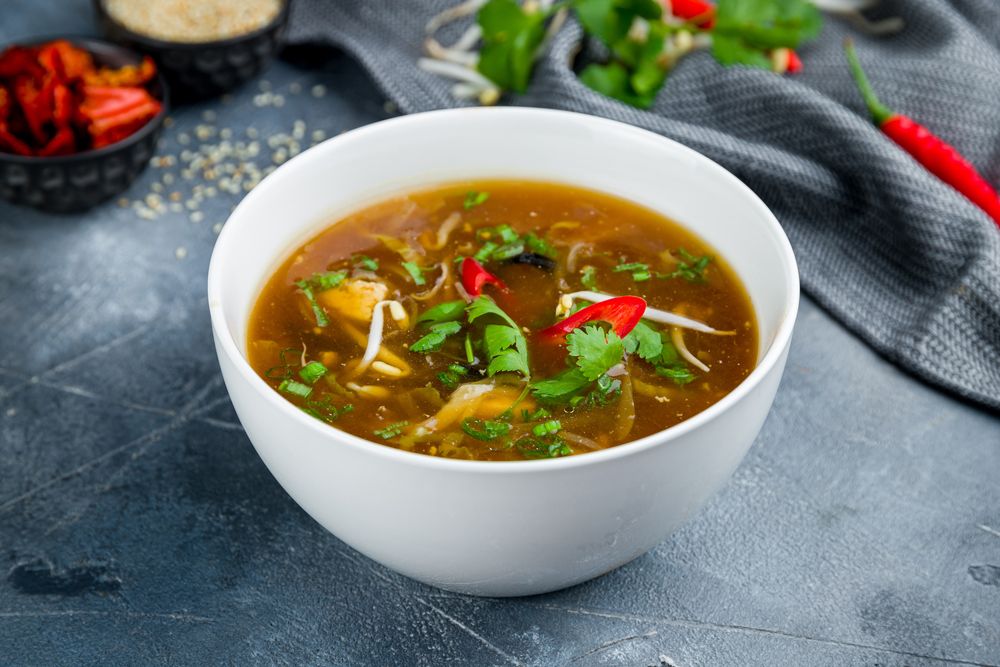
Again according to tradition, women who have just given birth must follow a special diet to improve their recovery. To nourish Yin and Blood and strengthen the Spleen (the organ in charge of producing Blood), it is recommended to favour soups and broths, foods with a sweet and sour flavour, long cooking and hot dishes.
In addition, it is essential to “nourish the new mother emotionally” and spare her stress and emotional tension. Physical effort and overwork are forbidden! Rest is the only watchword.
It is also important to avoid exposure to cold. New mothers are advised to wear a hat to keep their head warm, and to keep their feet (where Kidney meridian points are located) and lower back warm at all times in order to warm the Kidney. In Chinese medicine, the Kidney is considered the main organ of sexuality: it stores Jing (Essence), the energy responsible for sexual and reproductive functions, which needs to be strengthened after childbirth.
Furthermore, new mothers are asked not to wash their hair during the Golden Month and to avoid showers and baths.
According to traditional Chinese medicine, lack of rest, an unsuitable diet and stress can cause serious problems for the mother, problems that will stay with her throughout her life. It is therefore essential to take the time to recover properly after pregnancy and to allow yourself as much rest as possible.
Chinese plants that support postpartum recovery
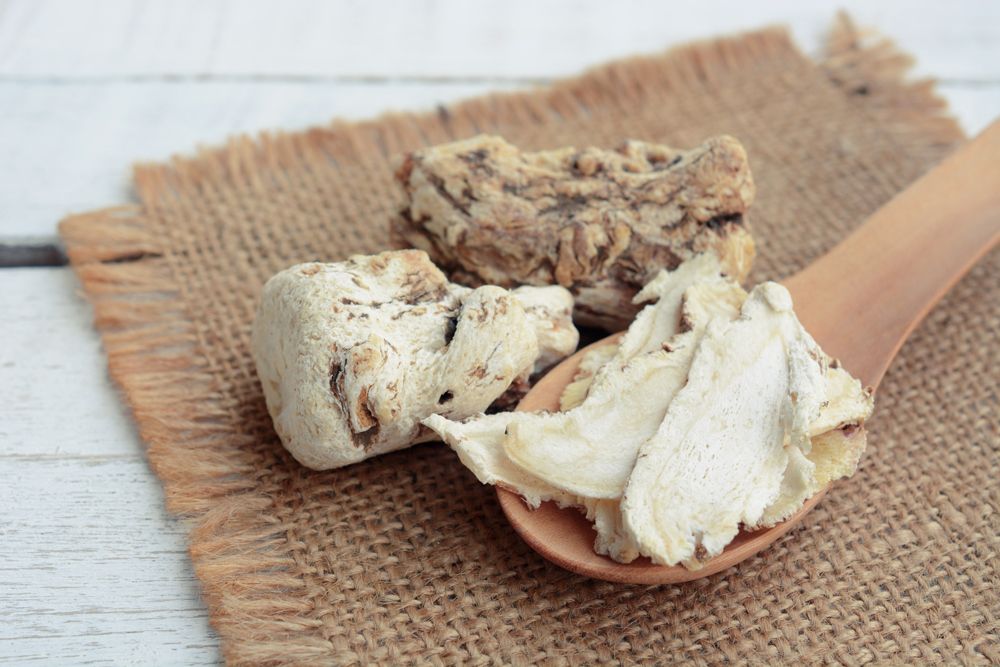
To help women after pregnancy, TCM suggests tonifying Blood and Qi to allow recovery after a Deficiency. It therefore encourages favouring medicinal plants that act on the Spleen, the organ that produces Blood.
It thus encourages turning to plants that nourish Blood and Yin, because good blood circulation and a smooth movement of Qi cleanse the uterus and allow it to recover well, just as good irrigation of the body benefits the mind and the well-being of the whole organism.
To name a few plants frequently recommended by the Chinese pharmacopoeia during the postpartum period:
• Ma chi xian (Purslane): in the Chinese pharmacopoeia, it cools the Blood. It is therefore mainly recommended to reduce heavy bleeding, particularly when menstruation returns.
• Gou qi zi (Goji berries): strengthen Kidney Yin and Blood and enrich Jing. They are recommended to combat postnatal fatigue and regain energy.
• Dang gui (Chinese angelica root): tonifies Blood and unblocks the intestines. Nicknamed “female ginseng”, Dang gui is the ideal plant to relieve abdominal pain, regulate digestive function and harmonise the first periods after childbirth.
• Sheng hua tang (Postpartum Herbal Tea): by invigorating the Blood, the Postpartum Herbal Tea dissolves stasis. It improves blood circulation, supports recovery and boosts energy.
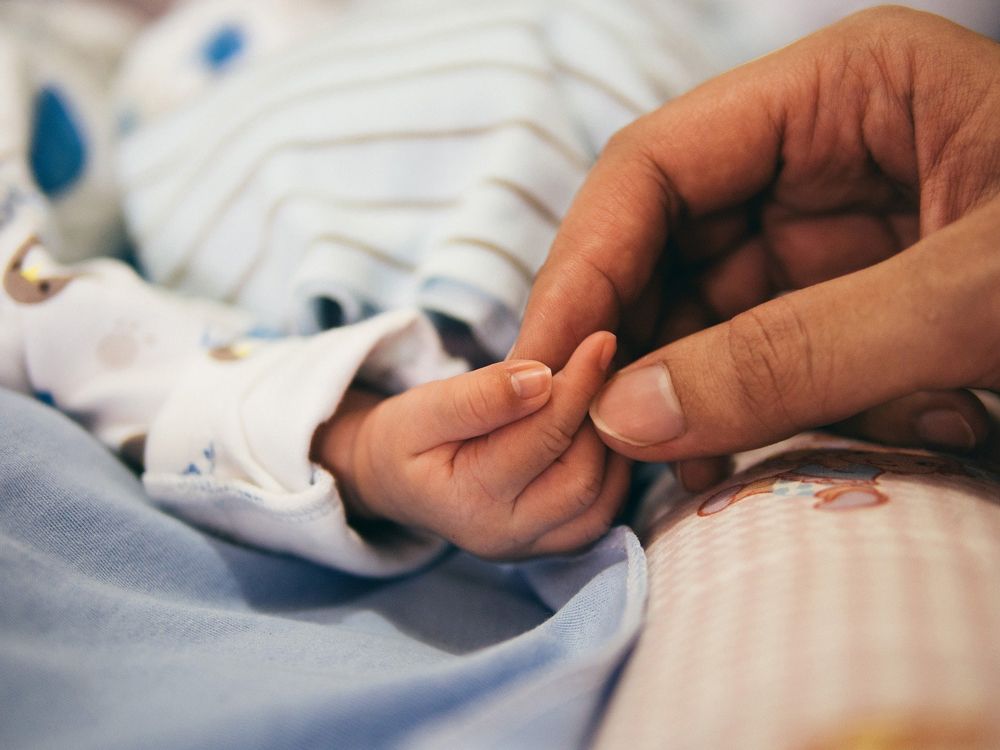
The postpartum period is a wonderful time, full of magical moments and intense emotions. However, baby's first month can be hard to manage: the baby needs a great deal of attention and care. So, during this period of change, many women feel alone, overwhelmed and exhausted, and feel they are not up to the task.
To get through the postpartum period well, it is fundamental to take care of yourself as much as possible. Naturally, finding time for yourself when baby demands constant attention can be complicated… That is why feeling supported, surrounded by loved ones and accompanied by a health professional is just as important. Besides, there is no need to rush to get back in shape: you need to arm yourself with patience and let things happen naturally. It is the best way to avoid stress, preserve your well-being and live the first months with baby serenely.


