- The role of sleep in health
- Chinese medicine and sleep disorders
- The origins of sleep disorders
- TCM's explanation
- Acupuncture: a proven solution
- Plants as a natural alternative

Sleep disorders, apnoea, waking in the night… The list of sleep disorders is a long one. While the need for rest varies greatly from one person to another, sleep remains a vital need for every human being. Tiredness is a serious threat to our internal balance and affects our well-being, our productivity, our ability to concentrate and our mood.
We have all experienced sleepless nights, difficulty falling asleep or feeling tired despite resting, but for some people these problems can turn out to be much more serious and last over time. According to Santé Publique France, one person in five suffers from sleep disorders1.
What's more, in our societies dominated by stress and screens, this phenomenon is constantly on the rise, and enjoying restorative nights of 3 to 5 cycles of 90 minutes, as health experts recommend, is increasingly rare.
But what are the origins of these disorders? What impact do they really have on health? What does Chinese medicine advise for getting good nights' sleep again?
The role of sleep in health
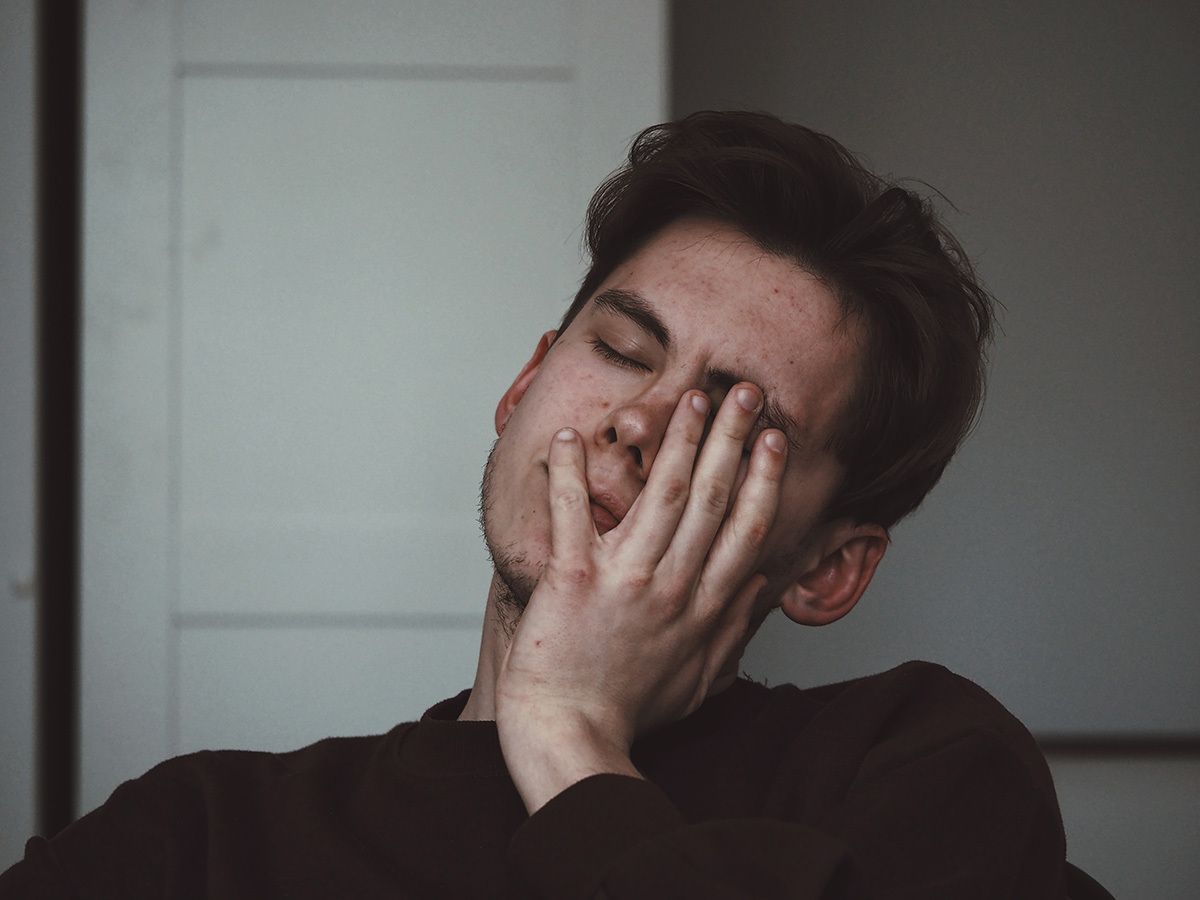
While some like to say that resting is a waste of time, it's actually quite the opposite: sleeping well is essential, since sleep plays a crucial role in our physical and psychological health. That explains why we spend roughly a third of our lives asleep.
A so-called "normal" sleep cycle generally has 4 phases: drowsiness, light sleep, deep sleep and the end of sleep, in other words when waking time approaches. It is when the cycle is disturbed that we speak of sleep disorders, and it goes without saying that these can have very negative effects on health. Sleep disorders are generally classified into two categories: parasomnias, physiological phenomena that occur during sleep, and dyssomnias, which affect the quantity and quality of sleep.
Some disorders are more common than others; we can mention insomnia, for example, or the absence of sleep, a disorder with heavy consequences for health. Sleep disorders often tend to persist over time, being mainly influenced by emotional factors or by one-off external factors that can disturb mental and physical balance.
Parasomnia, for its part, covers all the forms of agitation that occur during rest. It shows up as sleepwalking, recurrent nightmares, night terrors, excessive sweating or incontinence: signs that may seem less serious but that affect the quality of our nights just as much.

Sleep disorders are often the result of a fragile emotional state, strong feelings of stress or anxiety, or a change of environment, and they can also be caused by the light from the screens we find so hard to step away from.
So while they can arise at the slightest upset, their consequences for health can be formidable: they help to weaken the body's overall balance and can lead to circulatory strain, deep physical weakness or metabolic imbalances. What's more, intense fatigue can accentuate physical discomfort, heighten emotional sensitivity, disrupt eating habits and considerably reduce the ability to concentrate.
Conventional solutions often include the use of substances that help people fall asleep, for those facing restless nights or irregular sleep. While these methods offer temporary relief by aiding recovery, they don't act on the origin of the imbalance and don't treat its underlying cause.
What's more, prolonged use can make sleep increasingly dependent on these substances. Given this, what does TCM suggest for getting back to full, restorative nights?
Chinese medicine and sleep disorders
The origins of sleep disorders
Essential to health, sleep allows many hormone secretions to adjust and keeps the body's internal temperature stable. Disturbed sleep can cause exhaustion, to the point of weakening our immune system.
Many factors can cause sleep disorders, such as overuse of certain substances (like caffeine), work overload or excessive screen use, for example. However, the main sources of imbalance are generally:
-
Mental agitation: it is said that you must put the Heart to sleep before falling asleep. Emotional instability, stress, torment, overwork and nervousness have a heavy impact on the Shen (the Spirit), which is housed by the Heart. Sleep therefore depends on psychological well-being, so it is essential to look after our emotional health.
-
Diet: regularly eating meals that are too rich, too sweet, sour or salty seriously degrades the quality of our sleep. Chinese dietetics advocates a light diet, suited to the season and, in the evening, preferably Yin in nature to help you fall asleep.
-
The intensity of physical effort: intensive physical activity late in the day or in the evening can make it harder to fall asleep. It is better to choose energy exercises or gentle exercise such as Qi Gong.
TCM's explanation
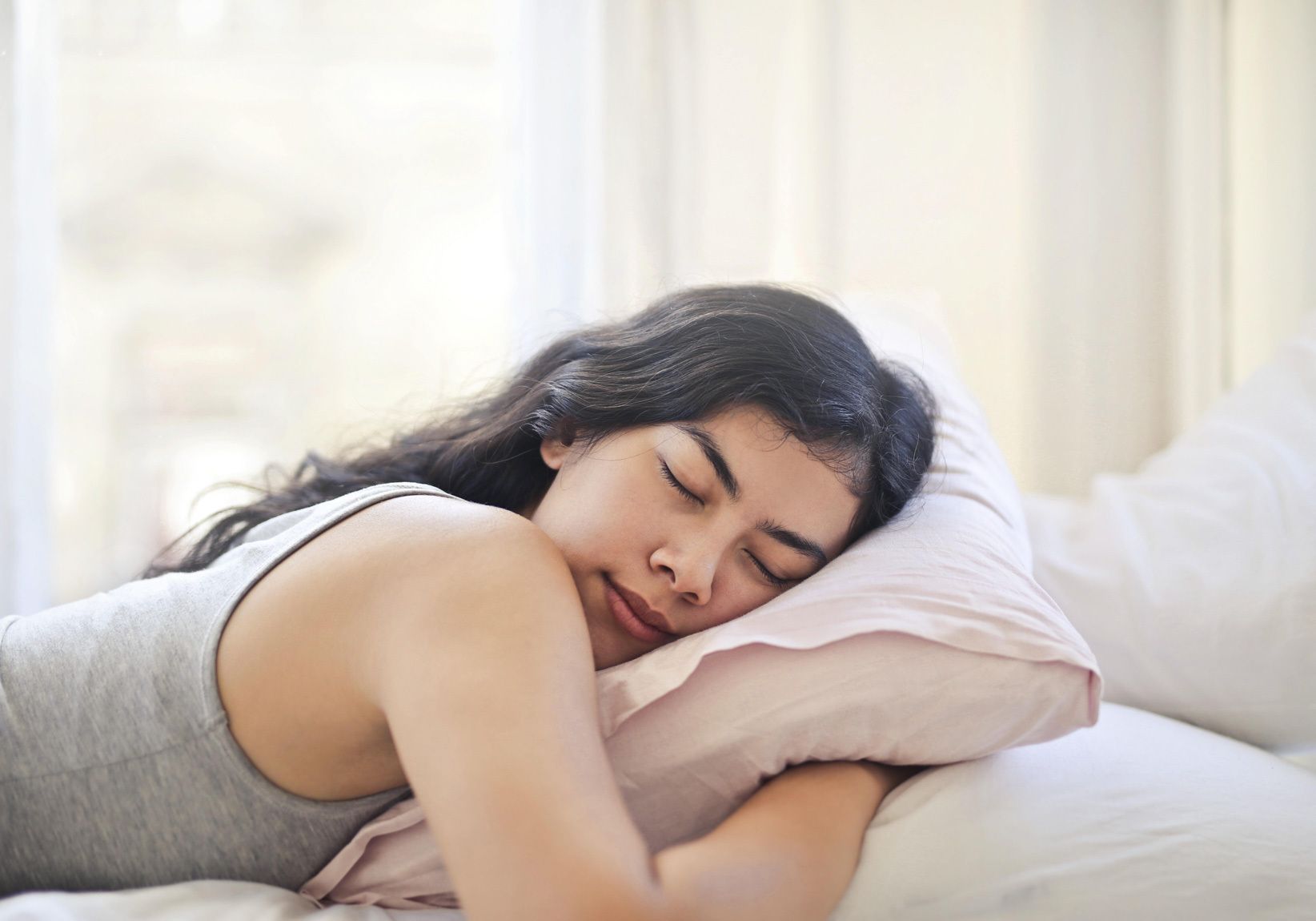
"Even the tiger needs sleep. " Chinese proverb
According to TCM, sleep disorders come from an energy imbalance. It considers that there are three of them: difficulty falling asleep, waking in the night and poor-quality sleep, and that each of them requires a particular treatment.
At bedtime, Yang declines to make way for Yin, and so for rest and stillness of body and mind. Sleep disorders reflect an imbalance at this level: insomnia points to an excess of Yang or a deficiency of Yin, and thus to an inability to find calm and rest, but also to an instability of the Shen ("the Spirit"); waking in the night occurs when the energy cycle between the organs is broken; finally, sleep that isn't deep enough, and therefore isn't restorative, is due to Yang failing to give way completely to Yin and settle down.
Traditional Chinese medicine offers several alternatives for overcoming sleep disorders. First of all, it advises against overly large meals before bed, late dinners, stimulants (tea, coffee, fizzy drinks) and overly strong flavours that could disturb the Heart and therefore, by extension, the Shen.
It encourages a light diet and recommends easily digested foods, mainly those that are neutral or warm in nature and sweet in flavour. Naturally, its advice varies according to the type of disorder being treated. Very often, acupuncture is suggested. This discipline has proven itself in regulating sleep.
Acupuncture: a proven solution
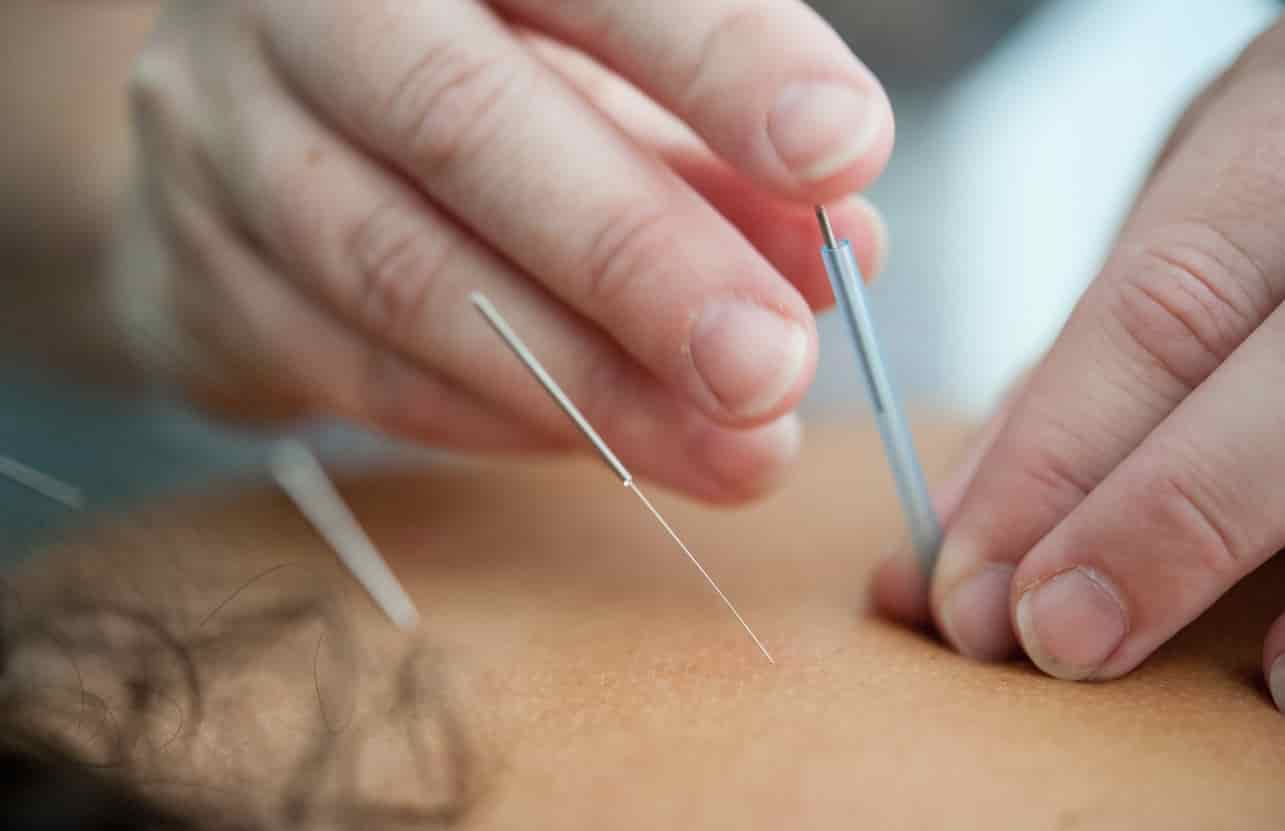
A treatment branch of traditional Chinese medicine, acupuncture is probably the most popular in the West. This system of care is based on stimulating very precise points, spread over the body along the meridians, using fine needles. The meridians are linked to the skin by 365 points. It is these points that are worked on during an acupuncture session to regulate the circulation of Qi, and so fill energy gaps, clear excesses or release blockages.
For people prone to sleep disorders, it is wise to choose this method, since it restores good circulation of Qi and promotes harmony between Yin and Yang, as well as between body and mind, which are inseparable in the treatment of disease.
By stimulating precise points, the acupuncturist manages to treat the causes of these disorders and regulate the flow of energy to make it easier to fall asleep. The points usually stimulated are the following:
- Ben Shen, GB13: located on the forehead, it is indicated to calm the Shen and for its ability to act on obsessive thoughts and torment.
- Wan Gu, GB12: located behind the ear, this point is stimulated to soothe restless hearts, help you fall asleep and relieve insomnia.
- Feng Chi, GB20: located on the nape of the neck, it is stimulated to overcome insomnia and to act on depression2.
The frequency of sessions is for the therapist to decide, but closely spaced sessions, around 2 to 3 times a week, generally give more conclusive results. What's more, acupuncture has proven itself in the treatment of sleep disorders: many studies attest to the effectiveness of this method, and trials recently published in the journal Medicine3 stated that acupuncture could offer a genuine supportive alternative for people suffering from post-stroke insomnia.
Plants as a natural alternative
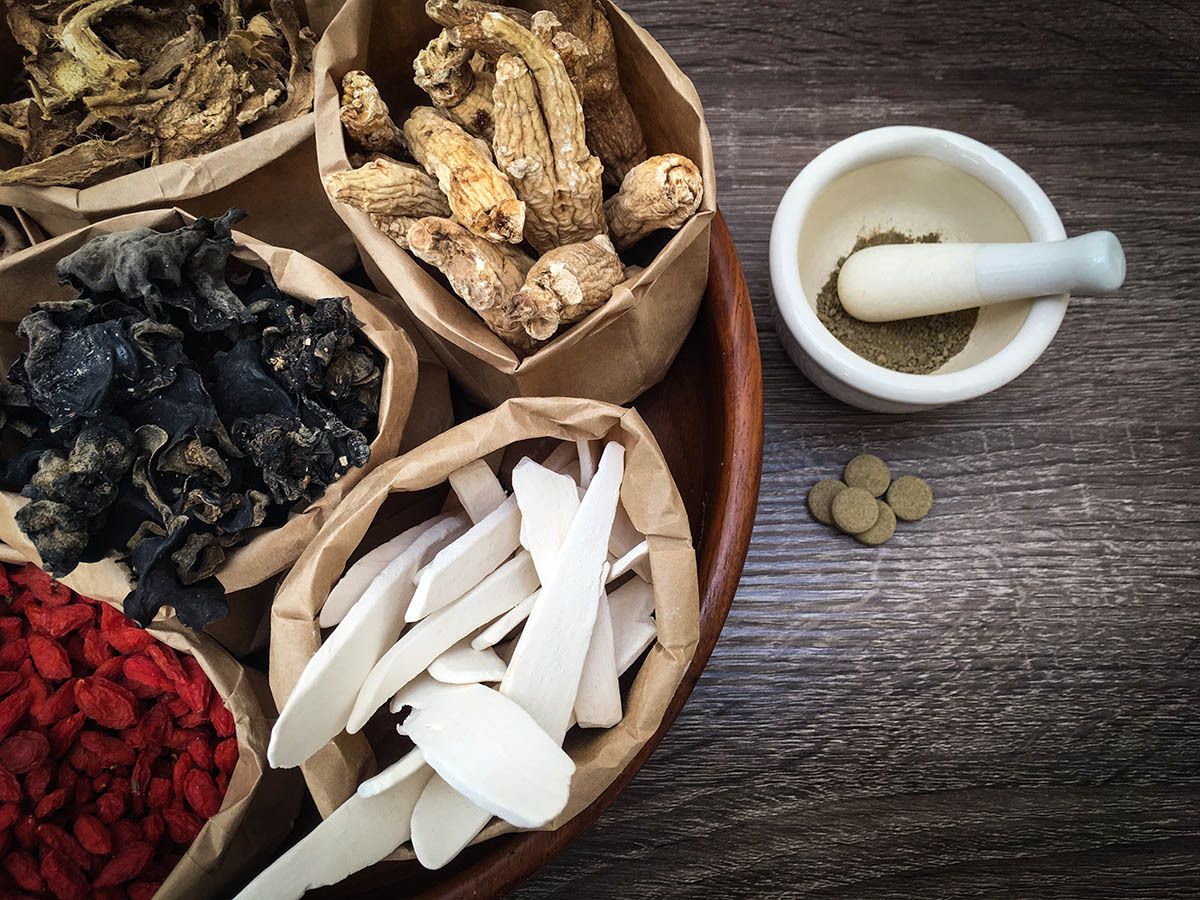
Besides the effectiveness of acupuncture, certain medicinal plants are also strongly recommended by Traditional Chinese Medicine. Their miraculous health benefits promote relaxation of body and mind and make it easier to fall asleep, bringing back peaceful nights. Their soothing, calming properties are a formidable solution for preventing and relieving sleep disorders. In response to the treatment solutions of Western medicine, the Chinese pharmacopoeia offers a natural alternative with a plant-based treatment that will calm the Shen, nourish Yin and calm the excess Yang behind sleep disturbances.
Here is a selection of plants widely recommended by the Chinese pharmacopoeia for getting back to peaceful nights:
- Jujube seeds (Suan zao ren): also known as "Chinese dates", Suan zao ren nourishes Liver Blood (the system responsible for the emotions), soothes the Heart and calms the Spirit.
- Knotweed creeper (Ye jiao teng): it has been used for many years in TCM to nourish Heart Yin and calm the Spirit, to regain tranquillity and deep, restorative sleep.
- Rose buds (Mei gui hua): much appreciated in Asian cooking, they are highly recommended for their calming properties: Mei gui hua regulates the circulation of Qi and calms the Liver so as to soothe nervous troubles and help you fall asleep.


True treasures of the pharmacopoeia, these plants are ideal for regaining inner harmony and restorative rest.
Chives, well known for their essential place in the kitchen, are also valued in Chinese medicine for their many virtues. Though little recognised for their effects on sleep, they are a warming plant that supports Kidney Yang, essential for maintaining vital energy and avoiding the imbalances that encourage insomnia. By unblocking stagnant Qi, stimulating digestion and calming mental agitation, chives act indirectly to improve the quality of sleep. Eaten fresh in light dishes in the evening, they encourage a harmonious flow of energy and prepare the body for restorative rest.
Sleep disorders are thus considered a major public health issue. As a system of well-being, traditional Chinese medicine takes a global approach and stresses the importance of identifying the origin of disorders in order to treat them. So let's pay attention to our rhythm and our sleep needs, and not forget that "rest is the secret of any job well done"!
