- In TCM, everything starts with digestion
- Eating well, with moderation and regularity
- A balanced plate, not a pile of superfoods
- As summer approaches: cool, yes; iced, no
- Adapting your plate to your terrain
- Herbs that support the body's resources
- A recipe inspired by Chinese dietetics


When viruses are going around, we often look for what to eat to "strengthen our immunity". Citrus fruit, ginger, garlic, honey, probiotics, vitamins… the advice quickly piles up.
Yet the right reflex is not to look for a miracle food. No food on its own protects against viruses. On the other hand, a regular, varied diet that is rich enough in nutrients can support the body's proper functioning, in particular by providing energy, protein, fibre, vitamins and minerals that are useful to natural defences.
In Chinese medicine, the question goes even further: it is not only what you eat that counts, but what the body is able to do with it.
In other words: a nutrient-rich food is only truly useful if it can be digested, transformed and assimilated without exhausting the body.
In TCM, everything starts with digestion
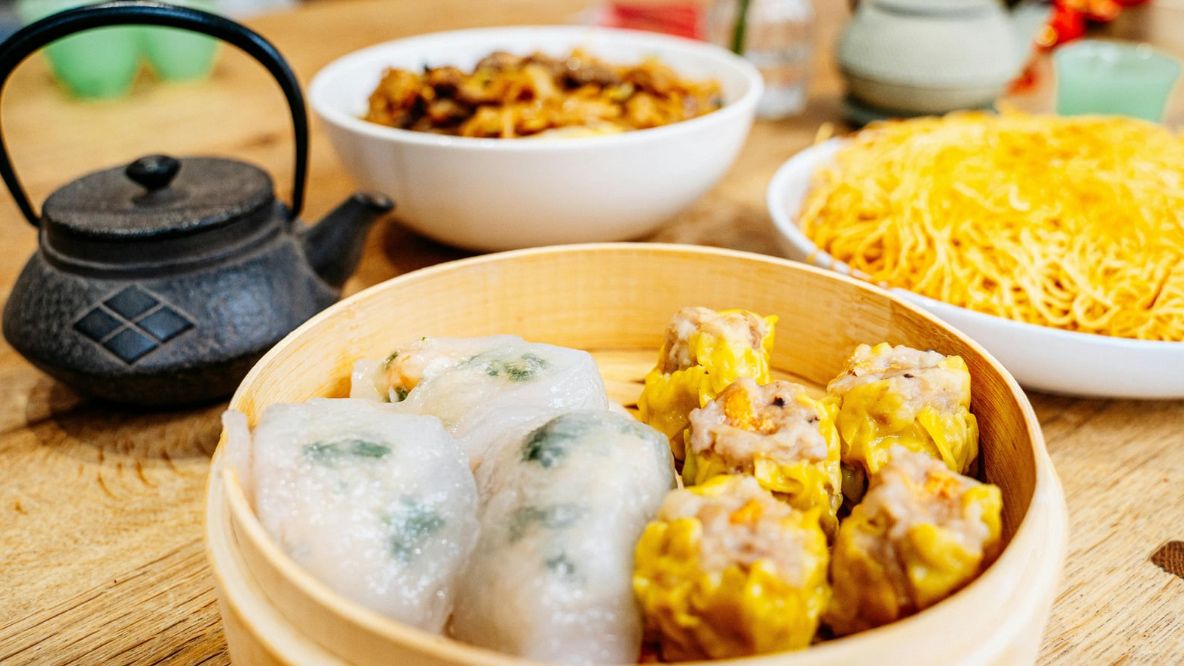
In TCM, supporting the body begins with a simple question: does the plate help the body produce resources, or does it add yet another burden?
That is why it should not simply be "rich": it should be regular, simple and suited to your digestive capacity at the time.
To learn more about the TCM view of immunity, you can read our dedicated article: Strengthening your immune system with TCM.
Eating well, with moderation and regularity
The Huangdi Neijing, the founding text of Chinese medicine, does not talk about miracle foods. It first insists on the idea of measure: "食饮有节", which can be translated as "eat and drink with regularity and moderation". This phrase appears in a broader passage that links health to balanced rhythms: eating in moderation, living with regularity, not exhausting the body.
This idea remains highly relevant. During viral periods, the body does not only need foods that are "good for immunity". Above all, it needs a stable rhythm: regular meals, a clear plate, foods that are easy to transform.
Eating at very irregular times, skipping a meal and then eating too heavily, snacking all day or eating lots of very cold foods can disrupt this foundation.
In TCM, supporting your body therefore starts with something simple: giving the body back a rhythm it can follow.
A balanced plate, not a pile of superfoods
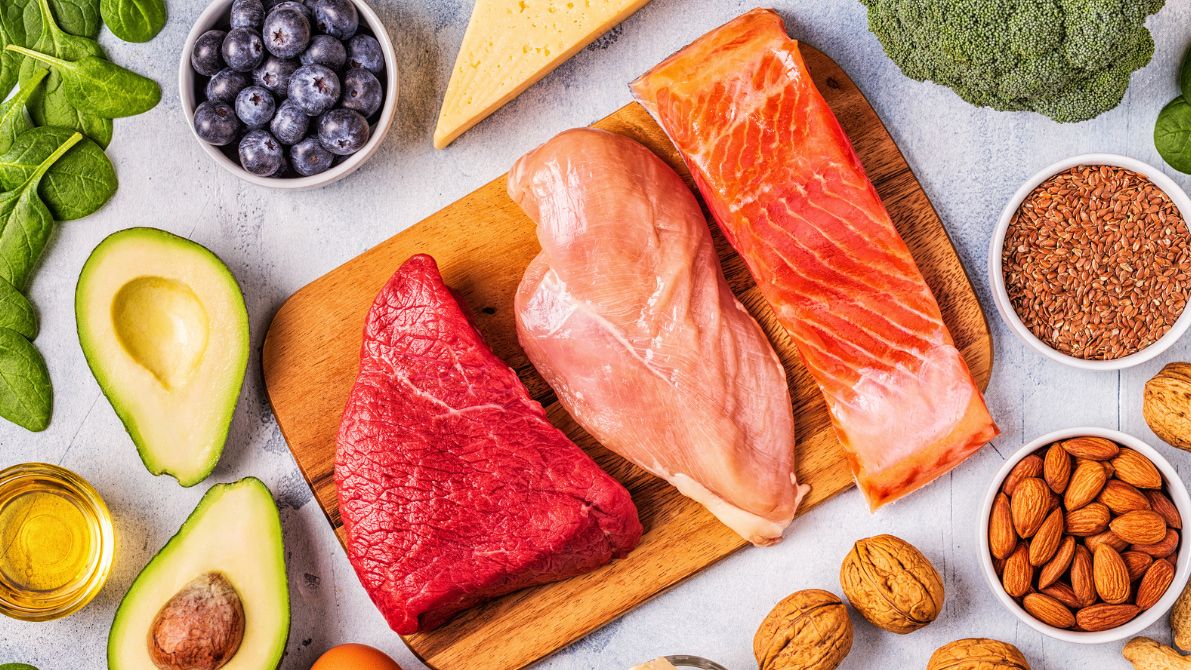
The Huangdi Neijing sums up dietary balance in a simple phrase: "五谷为养,五果为助,五畜为益,五菜为充". In other words: grains form the base, fruit accompanies, protein completes and vegetables enrich.
This vision is a reminder of an essential idea: during viral periods, the body does not need an isolated "superfood", but a regular, varied plate that is easy to assimilate. In practice, you can build this plate around four pillars:
- A nourishing base: rice, millet, oats, sweet potato, soup or broth with a starchy food.
- Colourful vegetables, preferably cooked if your digestion is fragile: carrot, squash, broccoli, spinach, fennel, mushrooms.
- A source of digestible protein: egg, fish, poultry, tofu, well-cooked pulses, plain yoghurt if tolerated.
- A touch of fruit, seeds or nuts: citrus fruit, kiwi, red berries, walnuts, almonds, pumpkin seeds.
Vitamins, minerals, fibre and good fats all have their place. But what matters in TCM is not only what a food contains: it is also how the body can transform and use it.
Nourish without overloading: an essential rule
The Huangdi Neijing also reminds us that eating to excess can harm digestion: "饮食自倍,肠胃乃伤", often understood as "when you eat beyond measure, the stomach and intestines suffer".
During viral periods, especially when the body is tired, the aim is not to eat richer or more stimulating food, but not to add an extra burden. It is therefore better to limit meals that are too fatty, too sugary or too large, alcohol, iced drinks, too many raw vegetables, ultra-processed products and supplements taken without an identified need.
TCM invites us to find the right measure: nourishing enough to support the body, light enough not to weigh it down.
As summer approaches: cool, yes; iced, no

This question becomes particularly important as summer approaches. When it is hot, we naturally crave coolness: salads, fruit, cold drinks, ice cream, lighter meals. This can be pleasant and appropriate. But in Chinese medicine, coolness does not mean too much cold.
Too many iced drinks, too many raw vegetables or cold meals can tire people whose digestion is already fragile: bloating, heaviness, a cold feeling in the belly, fatigue after meals. The idea is not to cut out cool foods, but to find the balance:
- prefer water at room temperature rather than iced;
- serve raw vegetables alongside a hot or warm dish;
- choose cooked vegetables, steamed or quickly stir-fried, if your digestion is sensitive;
- avoid replacing every meal with a cold salad;
- keep regular mealtimes, even in hot weather or when travelling.
A summer plate can stay light without becoming cold for the body: a few cooked vegetables, a base of rice or millet, a digestible protein, fresh herbs, a seasonal fruit and a non-iced drink are often enough to strike the right balance.
Adapting your plate to your terrain
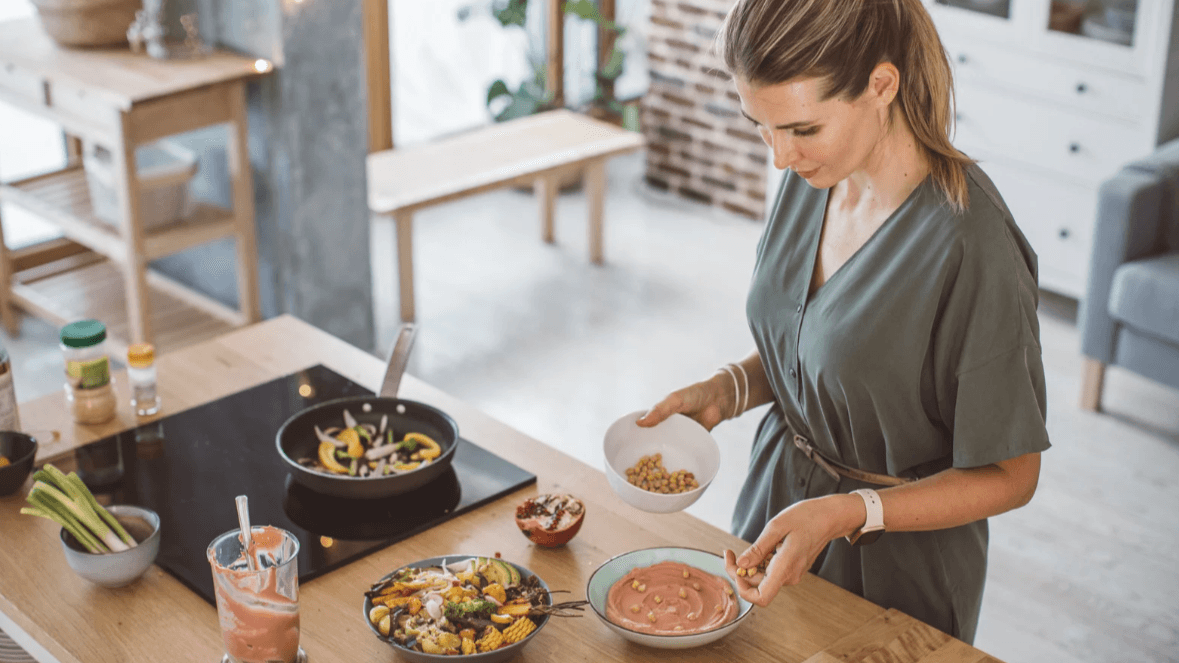
In TCM, there is no ideal plate for everyone. During viral periods, diet must also adapt to the terrain. The aim is not to look for "anti-virus" foods, but to preserve the body's resources, so that the terrain does not become more fragile while viruses are circulating.
- Fragile digestion will need warmth and simplicity: soups, rice, millet, cooked vegetables, broths.
- A lack of energy will call for a more nourishing base: grains, starchy foods, digestible protein, small amounts of good fats.
- A feeling of heat or dryness will call for more gentleness and hydration: seasonal fruit, light broths, water-rich vegetables, always without too much cold.
- A tendency to heaviness, on the other hand, invites you to limit sugar, alcohol, fried food, overly large meals and iced foods.
Herbs that support the body's resources

In the same spirit, certain herbs from the Chinese pharmacopoeia can complement the diet when the terrain calls for more targeted support.
- Astragalus is one of the key herbs for supporting Qi and Wei Qi, the defensive energy described in TCM.
- Ginseng is more suited to periods of marked fatigue, when drive and mental clarity seem diminished.
- Codonopsis offers a gentler alternative, useful when you are looking for gradual energy support without upsetting digestion.
- Reishi, finally, fits into a logic of deeper balance, especially when fatigue sets in alongside stress or mental overload.
This is the spirit behind the Anti-Fatigue Formula: a synergy of Ginseng, Reishi and Astragalus, designed not as an instant boost, but as gradual support for the body's resources.
A recipe inspired by Chinese dietetics

Light millet porridge with pear, jujube and astragalus
Ingredients for 1 to 2 bowls
- 50 g millet
- 3 to 4 pitted jujubes
- 1 small pear, cut into pieces
- 3 to 5 thin slices of astragalus
- 500 to 600 ml water
- A few goji berries
Optional: a little honey, once the porridge has cooled slightly
Method
- Rinse the millet.
- Cook the millet with the water, jujubes and astragalus slices over a low heat.
- Cook for 25 to 30 minutes, until the texture is soft.
- Remove the astragalus slices before serving.
- Add the pear towards the end of cooking, then cook for a few more minutes.
- Off the heat, add the goji berries.
- Leave to cool slightly before enjoying.
Why this recipe?
- Millet forms a gentle, digestible base, ideal for nourishing without weighing down.
- Jujube adds natural sweetness and makes the recipe more comforting; in TCM, it is valued for supporting the digestive sphere, often associated with the Spleen and Stomach.
- Astragalus, or Huang Qi, is a major root of the Chinese pharmacopoeia, traditionally used to support Qi and the body's resources. In this recipe, it is used as a gentle decoction: it flavours the cooking water and is then removed before eating.
- Pear brings gentle freshness and a melting texture, welcome as summer approaches, without tipping into too much cold.
- Goji berries add a slightly sweet, nourishing touch; in TCM, they are traditionally associated with supporting vitality and the body's resources.
Enjoy warm or at room temperature: a simple, light bowl that is easy to digest.

During viral periods, eating well does not mean looking for the "strongest" food or the one with the best reputation for immunity. Rather, it means building, day after day, a regular, digestible and balanced plate that can nourish the terrain without weighing it down.
This is where Chinese medicine offers a valuable perspective: before asking what "strengthens", it invites us to look at what digests well, what transforms well and what respects the body's rhythm.
A simple, varied diet, warm or at room temperature, then becomes a concrete way of supporting the body day to day: no miracle promises, just regularity and good judgement.
References:
[1] Harvard T.H. Chan School of Public Health, Nutrition and Immunity, The Nutrition Source.
[2] Huangdi Neijing, translated and annotated by Yao Chunpeng, Zhonghua Book Company, Beijing, 2010.
