- Do you know that strange feeling that comes with the arrival of spring?
- From winter preservation to spring rebirth
- In spring, everything starts with the Liver
- Spring rituals in China: preparing the body for the season of renewal
- Biting into spring: the art of eating in tune with the season
- Walking in the green: stepping into the rhythm of spring
- Going further


Do you know that strange feeling that comes with the arrival of spring?
The days are gently getting longer, the first buds are appearing on the branches, and yet... your body seems to resist this universal rebirth. Lingering fatigue despite the return of the light, unexplained irritability, a feeling of being "stuck" in the heavy energy of a winter that refuses to leave.
Far from being anecdotal, this experience affects millions of people every year. In TCM, it reveals a deep energetic transition that our body goes through, one that should be supported wisely rather than endured passively.
From winter preservation to spring rebirth
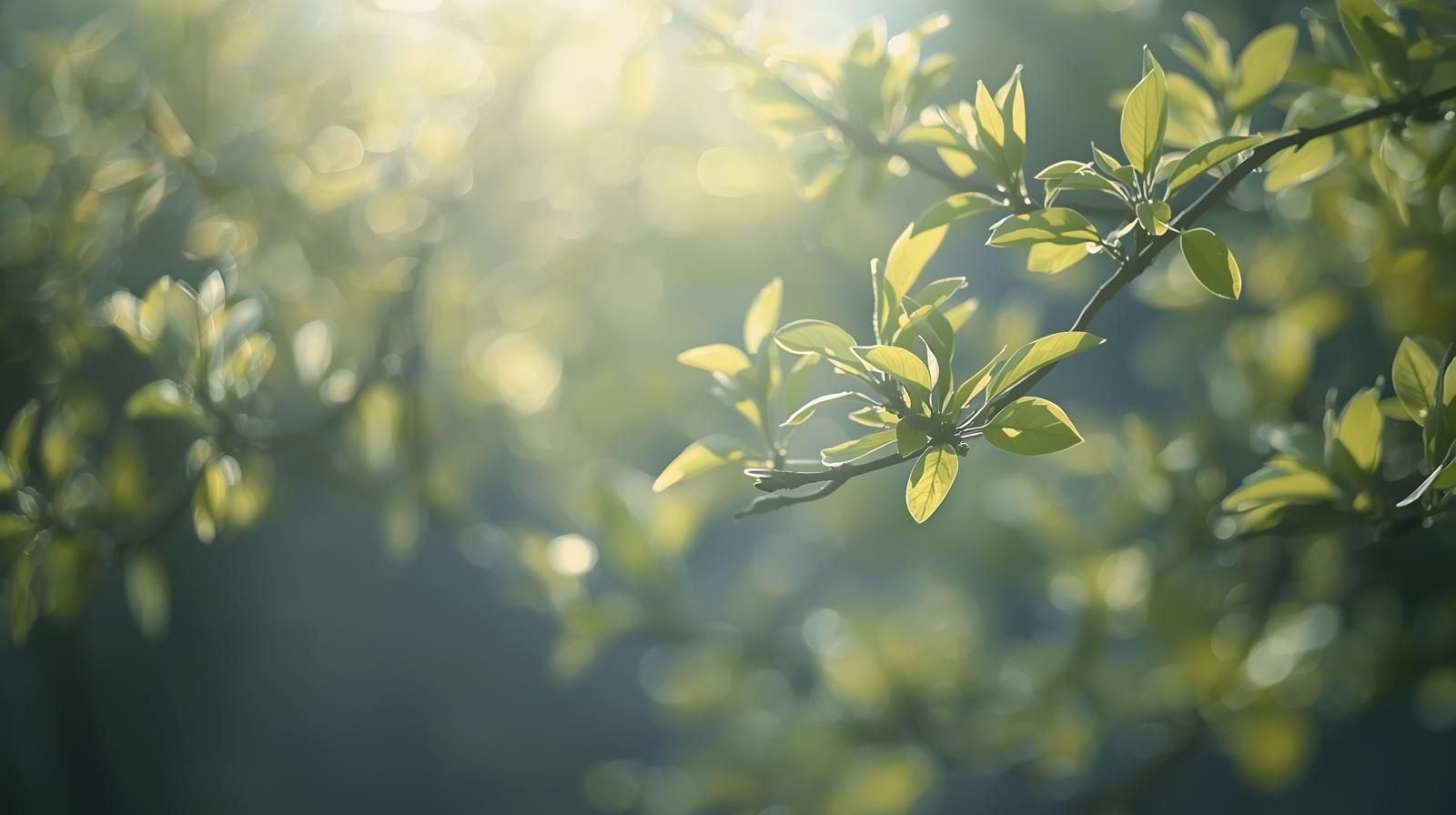
In TCM, each season corresponds to a specific dynamic of living things. Winter is associated with Dong Cang, a phase of storing and preserving energy. The body slows down, draws inwards, conserves.
Spring marks the start of a new dynamic: that of renewal and setting things in motion, called Chun Sheng (春生), literally "bringing life into being".
The body, however, needs time to leave this inner rhythm behind. The shift from storing to expanding does not happen instantly.
Without support, this transition can leave a feeling of stagnation: lingering fatigue, diffuse tension, slower digestion, a less clear mind.
Preparing for spring starts here: supporting the exit from Dong Cang so that the movement of renewal can settle in gently.
In spring, everything starts with the Liver

In TCM, spring is associated with an energy of growth and momentum. It is the season when living things seek to express themselves, to expand, to start moving again after winter. This spring dynamic relies largely on the Liver, considered the master organ of the season.
In TCM, the Liver plays a central role in regulating the circulation of energy and blood in the body. It allows Qi to unfold freely, supports the smooth running of digestive processes and contributes to emotional balance by encouraging inner tensions to be expressed fluidly.
When this function is harmonious, the body feels light again, momentum returns, digestion is easier and the mind becomes clearer. But after winter, if this dynamic struggles to get moving again, energy can stagnate. That is when certain imbalances typical of spring can appear: unusual fatigue, irritability, muscle tension, slower digestion, more reactive skin.
According to TCM, these signs are not problems to be eliminated, but signals that the body needs support to accompany the work of the Liver and the transition into spring. And the Chinese have been supporting the body in this way for thousands of years.
Spring rituals in China: preparing the body for the season of renewal
Through traditions handed down over thousands of years, Chinese wisdom shows us how the body can come into resonance with spring.
Biting into spring: the art of eating in tune with the season
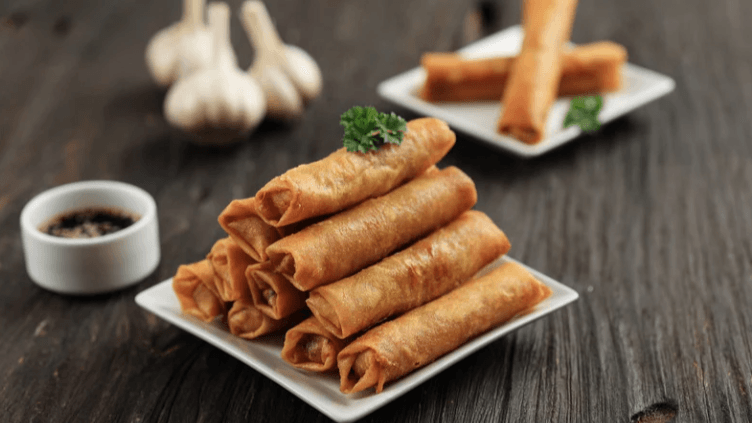
In Chinese tradition, the arrival of spring is also celebrated around the table. This is known as "biting into spring (咬春 yǎo chūn)", a simple, joyful ritual that symbolically marks the passage into a new season.
On this occasion, people share a platter of fresh vegetables and young shoots, sometimes lightly spiced, sometimes wrapped in thin pancakes. This gesture, both playful and seasonal, was about tasting renewal, bringing spring into the body even before it had fully arrived outside.
Behind this tradition lies an essential TCM idea: in spring, food does not aim to nourish deeply as it does in winter, but to gently awaken the momentum of life. Young, green, simply prepared foods are preferred, supporting the body as it gets moving without rushing it. According to TCM, it is also the time to cut back on sour flavours and make more room for sweet ones, to support digestion and help the Liver regain its natural capacity for circulation.
In this spirit, certain foods traditionally eaten in spring, such as jujube fruit, Chinese yam, white radish, squash and mandarin peel are appreciated for their gentleness and their ability to support the seasonal transition.
Biting into spring ultimately means eating with the season, letting food become a gesture of transition, pleasure and harmony with the rhythm of life.
Walking in the green: stepping into the rhythm of spring

Beyond food, another essential way of entering the rhythm of spring is to go out and meet it directly. This approach is embodied in the practice of tàqīng (踏青), literally "walking in the green", a Chinese tradition of walking outdoors to go along with the rising energy of the season.
Walking in spring, breathing the crisper air and watching nature come back to life helps energy circulate, helps the Liver unfold and soothes emotional tensions built up over winter. Originally, tàqīng was not conceived as a physical activity, but as an instinctive gesture of harmony with the season.
Ancient texts also mention a whole range of gentle spring pleasures, intended to nourish movement without forcing it: walking in nature, contemplating the mountains, gardening, listening to music, reading, sharing a calm conversation, drinking tea, or simply sitting in silence.
Other lighter, joyful activities, such as flying a kite or swinging on a swing, also accompanied this season when energy seeks to spread and flow freely.
This intuition is still alive today: in China, spring outings are part of the culture from childhood, a reminder that preparing for spring also means going out, walking and letting the momentum of life flow through us.
Going further
Preparing for spring is not just about what you eat, or how you move. It is a way of connecting with the season, respecting the time the body needs to change its rhythm.
In Chinese tradition, these gestures (eating with the season, walking, observing, slowing down) set the framework. They pave the way for more precise support of the body and its spring energy.
If you would like to explore this approach further, our guide to spring energy according to TCM explores in more detail how diet, movement and daily routines can support this season of transition, with accuracy and gentleness.
