
In the Chinese lunisolar calendar, the winter solstice is the 22nd solar term of the year and begins around 21 December in the Gregorian calendar. In many civilisations, this event, which marks the shortest day of the year (the shortest day and the longest night), is widely celebrated. A festival with ancient origins, the winter solstice is known as Dongzhi in China: it is a very important event that gives rise to many festivities. Translated literally as “the extreme of winter”, this day also marks the coldest day of the season and holds an important place in Chinese culture, as the old Chinese saying “it isn't truly cold until the winter solstice” shows.
The origins of the Dongzhi festival
The changes in Yin and Yang on this day
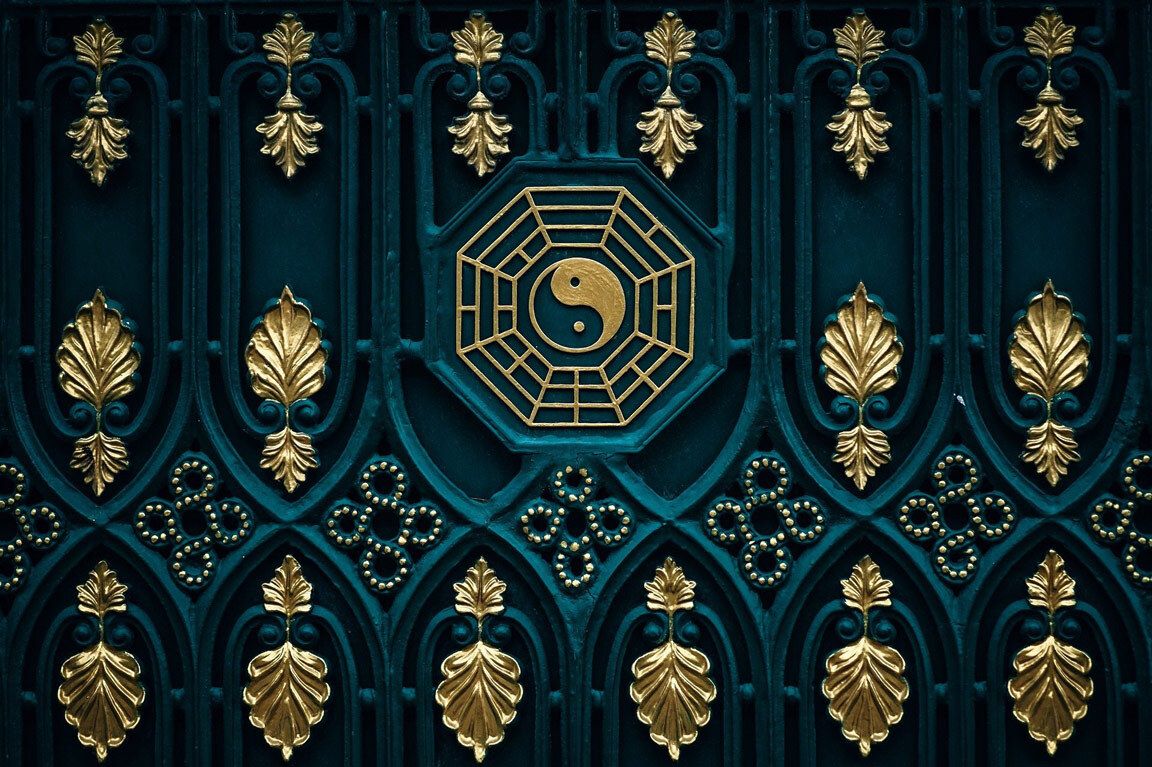
Some say that the celebration of the winter solstice has its origins in the notion of Yin and Yang. Two opposing yet interdependent forces, Yin and Yang symbolise balance and harmony; they lie at the heart of Chinese philosophy and have deeply shaped traditional medicine. Yin is associated with darkness, calm and night. So, while it reaches its peak at the winter solstice, Yang, which refers to day, light and activity, reaches its lowest point.
In the West, this day marks the first day of winter; in China, it marks the high point of the season, which, according to the Chinese lunisolar calendar, began around November. The days following the solstice grow longer: the nine days after this day are called the “Nine coldest” in China. We also see the rise of Yang energy. The return of light confirms the start of a new cycle, a rebirth, and brings a shift in energy marked by positivity and optimism. It is therefore considered an auspicious day in China.
A festival with ancient origins
In the past, the Ancients considered the Dongzhi festival “more important than the New Year”, which says a lot about the regard in which this event was held. Traces of this celebration go back more than 2,000 years. They date from the Han dynasty (206 BC), when Dongzhi was chosen to be the winter festival. At that time, an official ceremony was held every year.
In China today, the Dongzhi festival, like many other Chinese celebrations, is an occasion to bring the family together around a good meal and admire the changes in nature.
Culinary traditions to warm the body
Enjoying Tangyuan
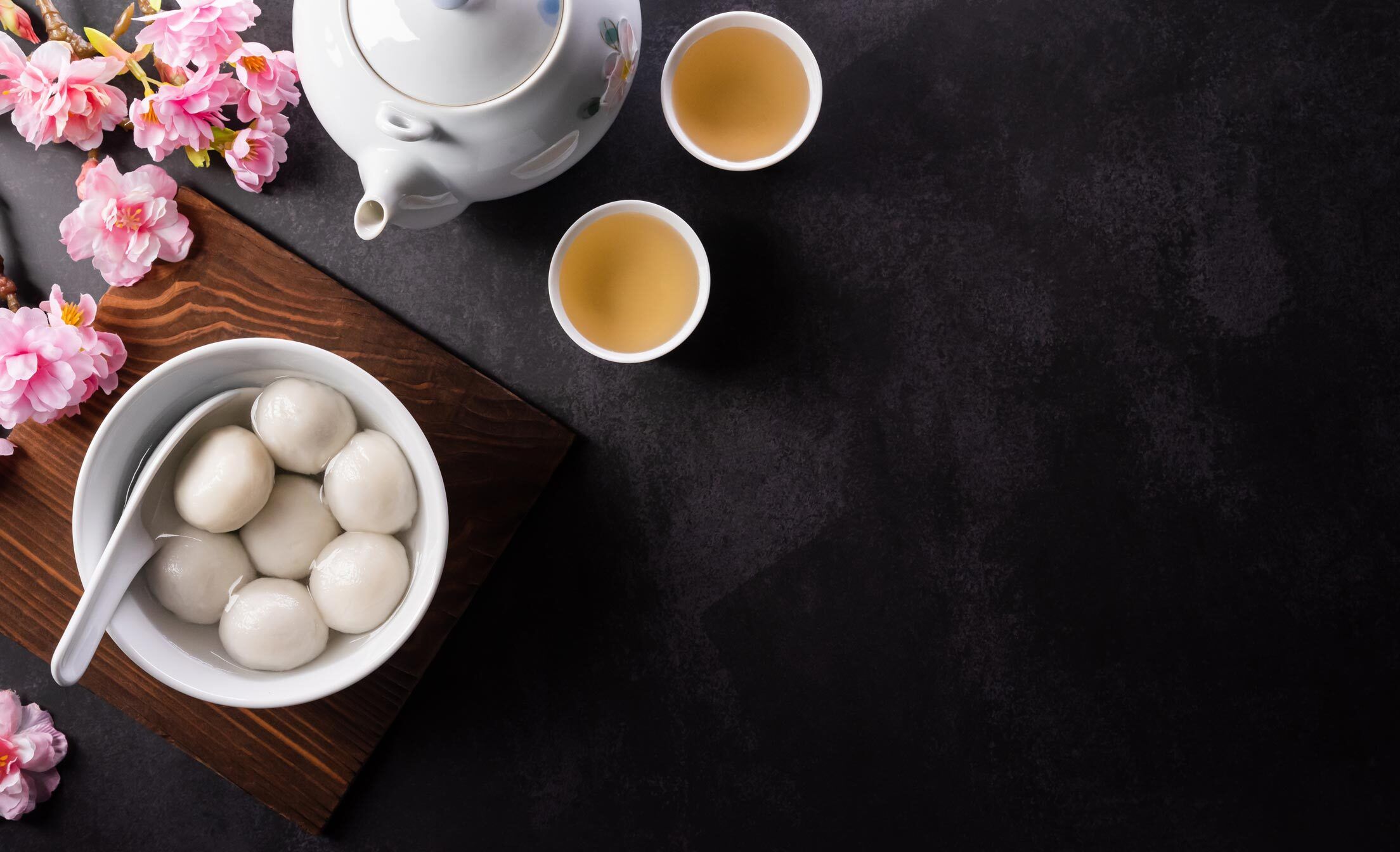
Most Chinese festivals are marked by one or more culinary specialities, and Dongzhi is no exception! Among the culinary traditions associated with this festival is the famous preparation of Tang yuan. These are glutinous rice balls filled with peanut, black sesame or red bean paste, or with meat and herbs, so they are either sweet or savoury. These tasty treats are generally served in a soup or a sweet broth, and they symbolise coming together.
They are often prepared with ingredients such as ginger or garlic, foods that Chinese dietetics strongly recommends eating in winter because they warm the body, have energising powers and fight the fatigue that follows us everywhere in winter. According to tradition, these rice balls represent reunion, prosperity and fulfilment all at once!
Another chance to eat dumplings!
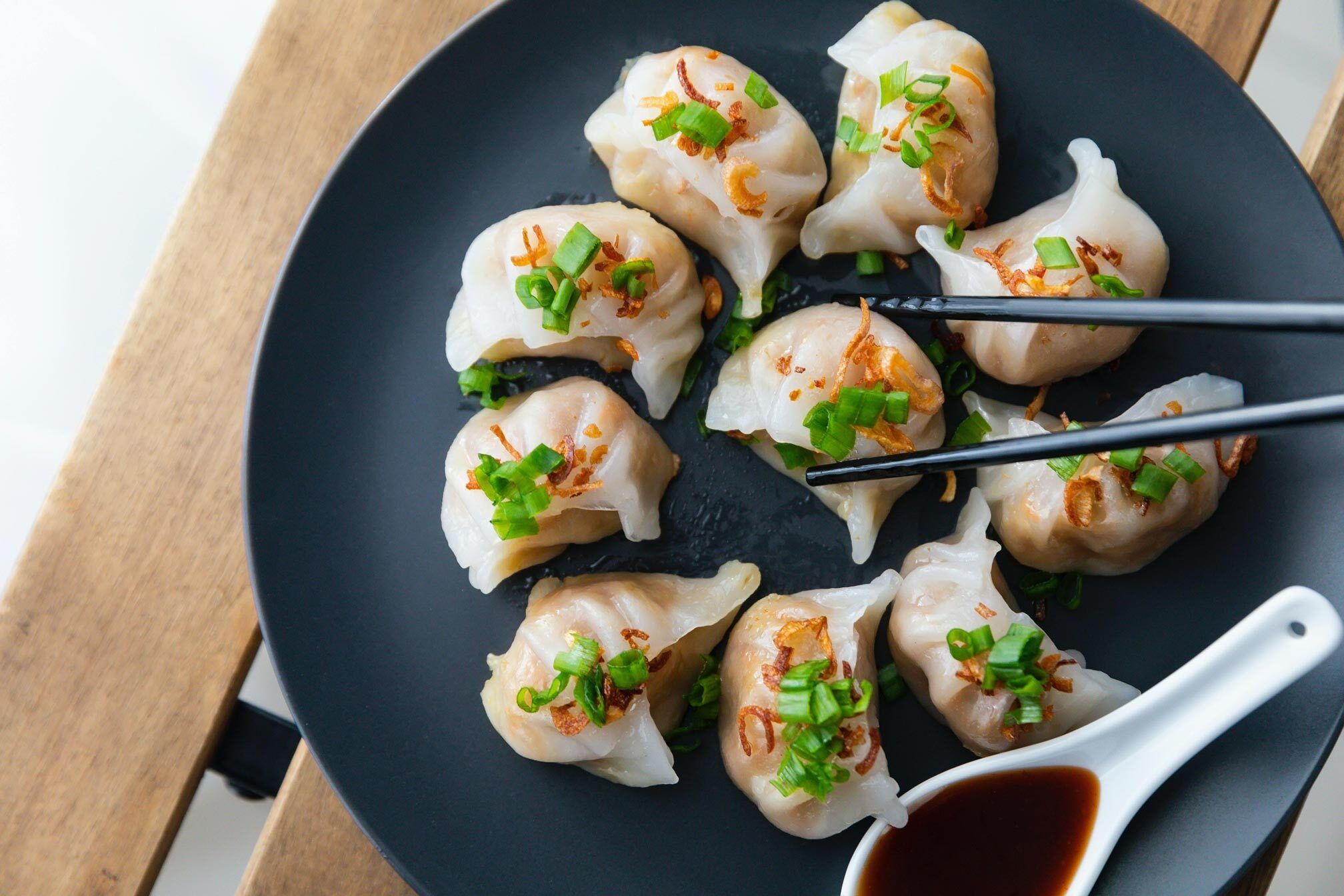
China being a very large country, it is important to note that culinary traditions (and others) vary considerably from region to region. While Tang yuan takes pride of place in the south of China, in the north, dumplings are on the menu! Some say that dumplings are made at Dongzhi to pay tribute to Zhang Zhongjing, one of the greatest physicians in Chinese history. Legend has it that during the winter solstice, having noticed many poor people suffering from frostbitten ears because of the bitter cold, he decided to set to work and began treating them. He ordered dumplings to be made: these ear-shaped parcels, filled with lamb, were handed out to the destitute to ease their ailments.
Dumplings have always been considered food that fights the cold: it is highly recommended to eat them in winter because they help keep the body at a good temperature and boost energy during the dark, difficult winter months. So beware: if you turn down dumplings at Dongzhi, your ears might freeze!
Drinking osmanthus wine
Osmanthus wine is a sweet, traditional wine with floral notes that is very popular in China. It is customary, especially in the city of Suzhou, to drink it to warm up in winter. At Dongzhi, one of the coldest days of the year, a glass of osmanthus wine is not to be refused.
Born of Chinese thought, particularly the notion of Yin/Yang, the Dongzhi festival is linked to many traditions. Besides the many culinary specialities enjoyed on this day, the winter solstice celebration is a time for the family to gather while waiting for the sun to return and to welcome longer days.