
Since its discovery by Shen Nong nearly 5,000 years ago, tea has been of great importance in China. There are around 3,000 varieties of tea, which come as white tea, green tea, yellow tea, blue-green tea, red tea and dark tea.
So if tea is today the most widely consumed drink in the world after water, it is not for nothing! It is estimated that four tonnes of tea are drunk every year, first for its many flavours, but above all for its wonderful benefits for body and mind.
Tea picking in China
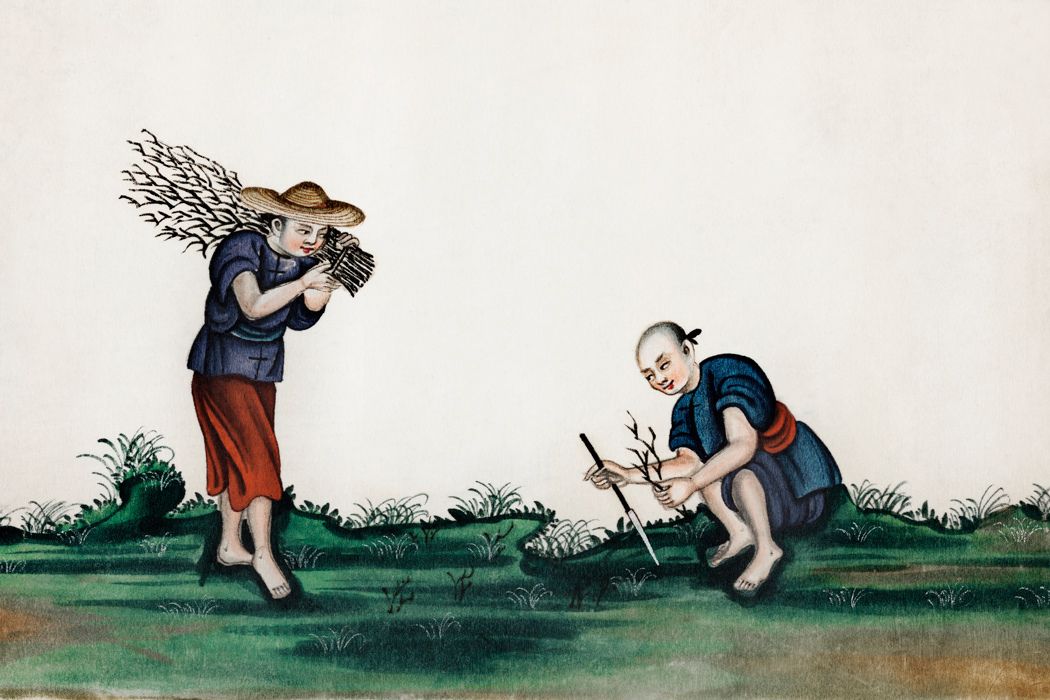
Tea comes from the tea plant (Camellia sinensis), a species of shrub of the Theaceae family native to Asia. It is grown mainly for its leaves which, once dried and more or less oxidised, are used to make tea.
Traditionally, the main tea-leaf harvest takes place in spring: a first picking in mid-March, a second in April and a third in May. The summer picking gives a more bitter tea, unlike the autumn picking, which gives the tea a very light taste.
So the time of picking, like the variety, influences the flavour of the tea.
The main varieties of Chinese tea
White tea
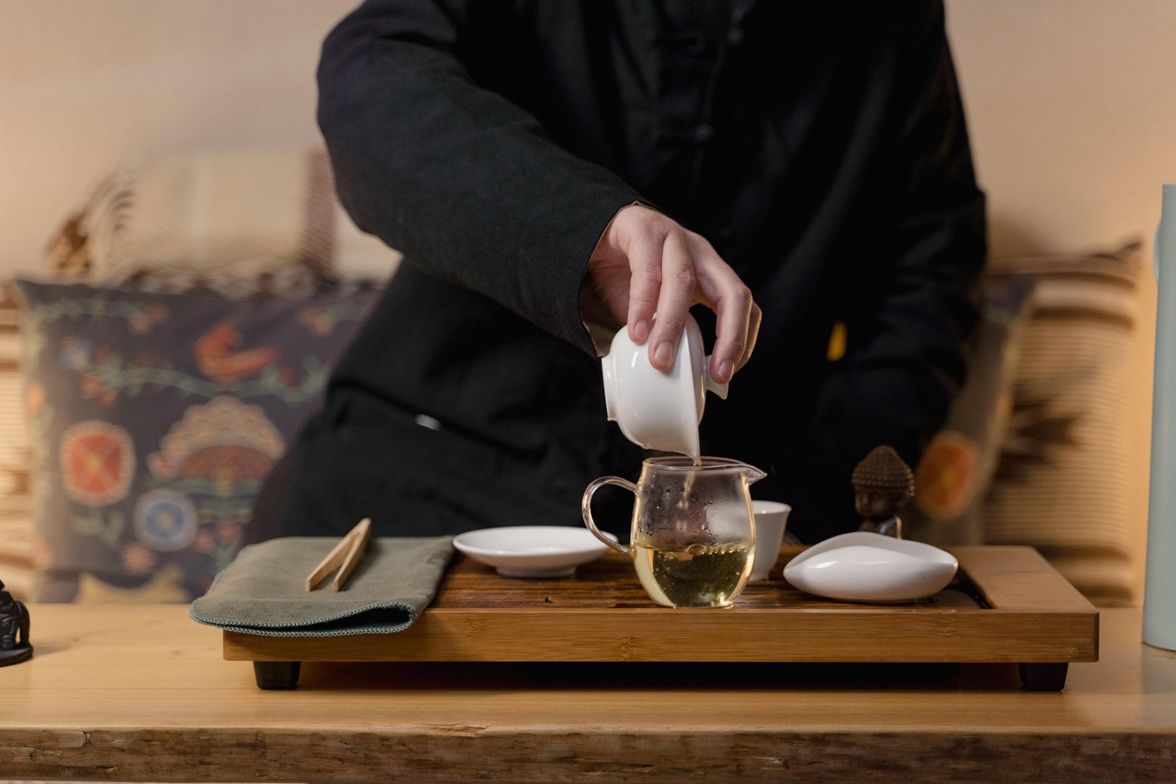
A utensil of Chinese origin, the Gaiwan is a very fine porcelain cup without a handle, with a lid and a saucer
It is the most Yin, the coolest and the mildest of teas. It has strong antioxidant virtues and is made with water at 70–80 °C. Ideally, it is prepared in a Gaiwan (also called Zhong in the Canton region), a small cup with a lid. The lid is used to stir and aerate the tea, and then to strain it as you drink. It is a great speciality of Fujian province.
Green tea
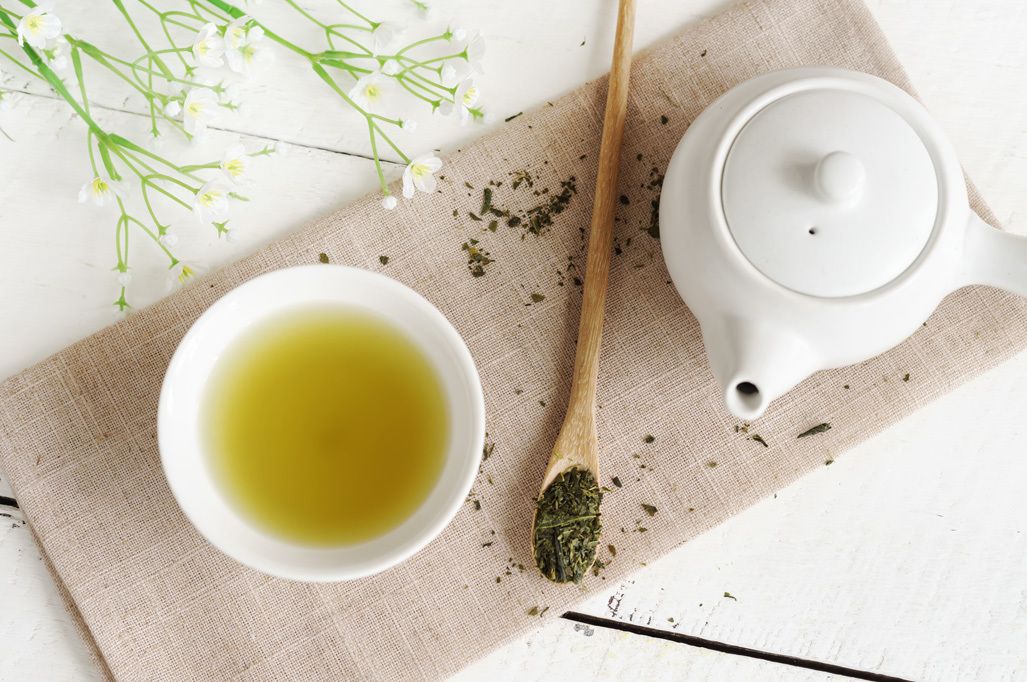
Unoxidised, green tea is simply dried after being briefly stirred by hand in very hot pans. It is slightly cool in nature and rich in vitamin C. It is best prepared in a glass with water at 70–80 °C. It is also antioxidant, thanks to the polyphenols it contains, but less so than white tea. It is the most widely drunk tea in China, and its virtues for the body are highly appreciated worldwide.
Yellow tea
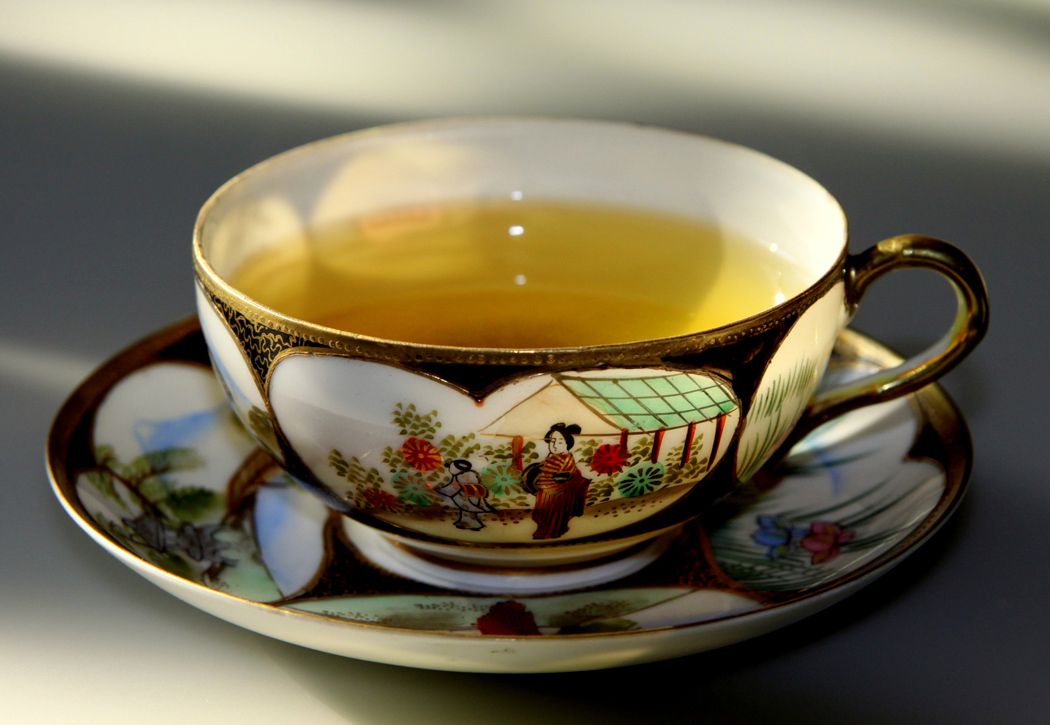
It resembles green tea, but it is a distinct variety. It is a tea that is dried and then very lightly fermented.
Excellent for concentration and memory, it is also infused with water at 70 °C if it is buds only, and at 80 °C if it is buds and leaves.
Blue-green tea (oolong)
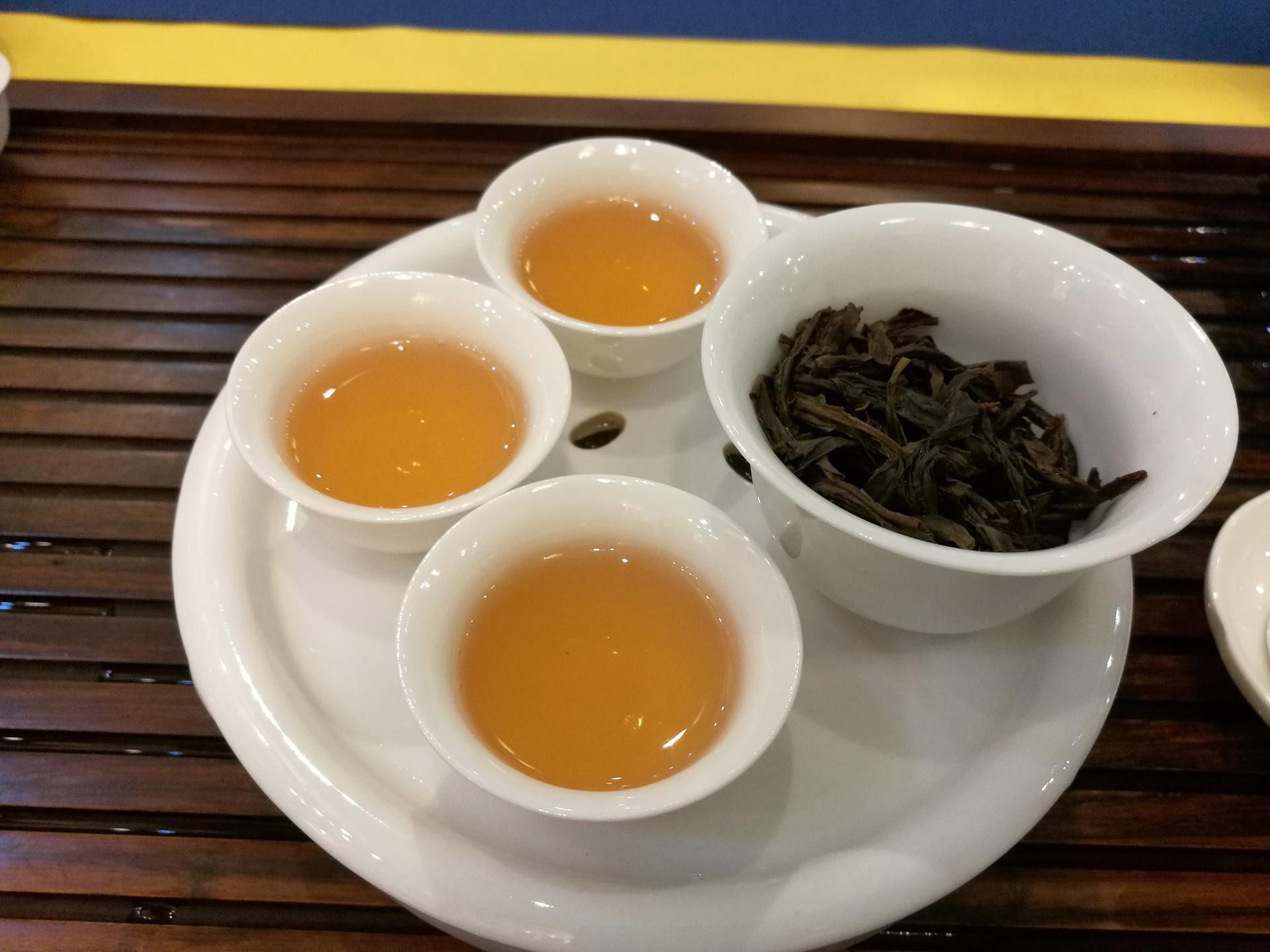
It is a “semi-fermented” tea. There are around 1,500 kinds in China. Some are lightly fermented and some more fermented, ranging from almost green to almost red. It is relatively neutral in nature and is known for being low in theine.
Oolong tea needs a lot of heat, so the clay teapot is warmed by scalding it, as are the cups. It helps strengthen the energy of the Kidneys. Its name, oolong, comes from the Chinese wu long, meaning “black dragon”.
Red tea
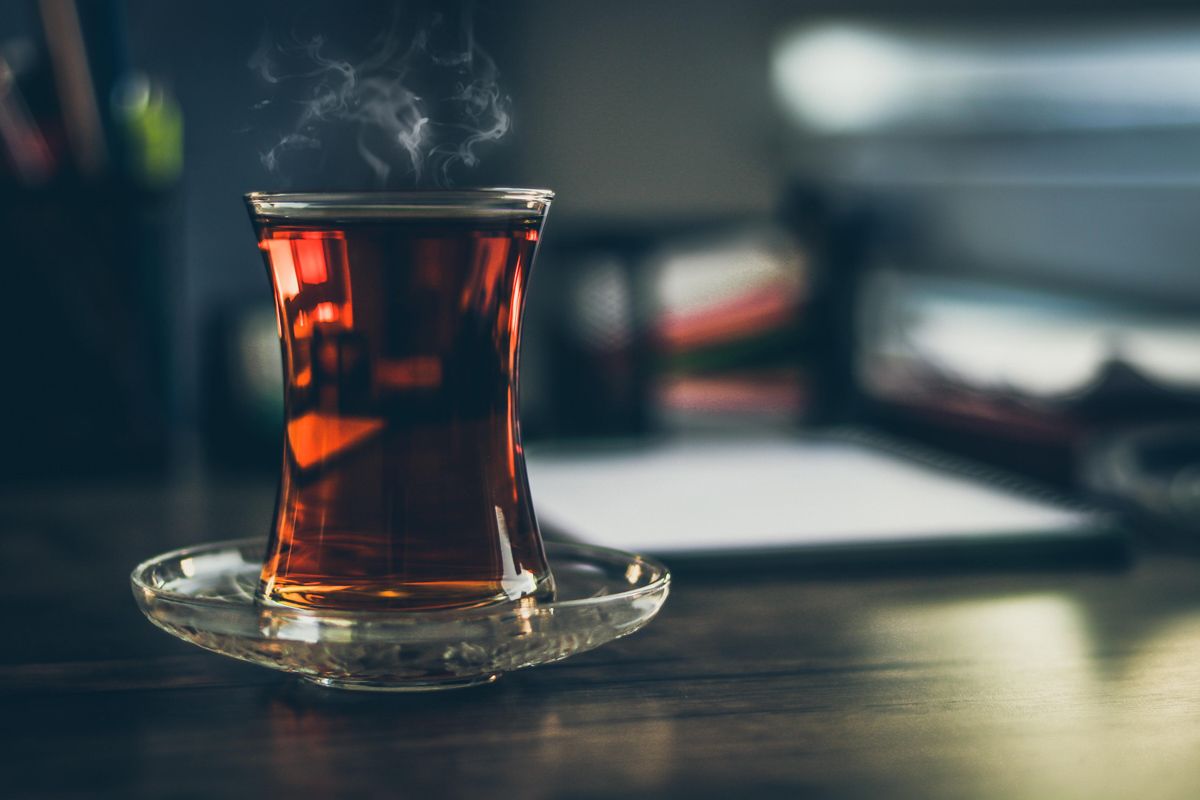
Red tea is fermented tea, which in the West is called “black tea” because of the colour of the fermented leaves. The Chinese call it red tea because of the colour of its infusion. It is the richest in theine.
Dark tea, pu'er tea
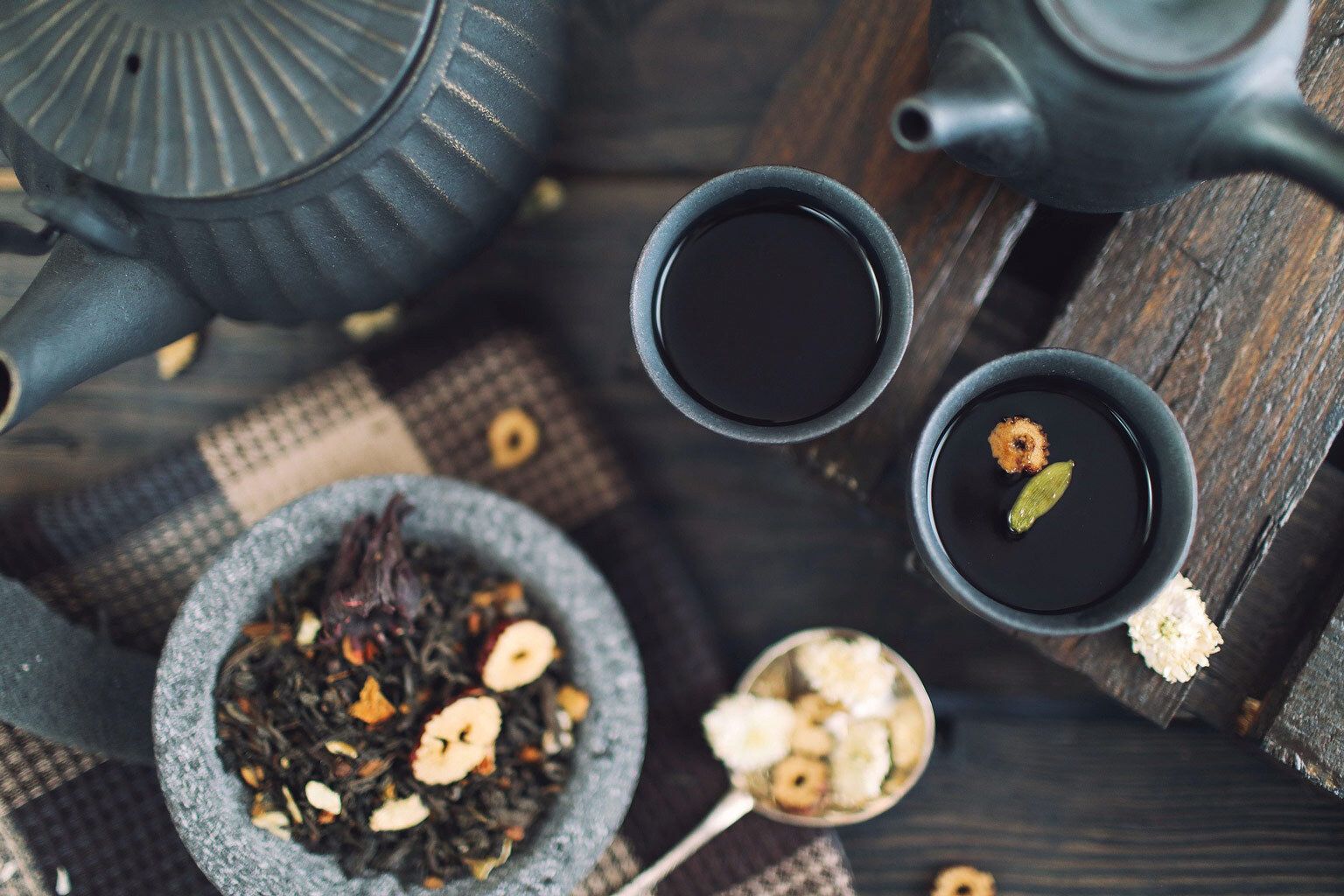
Dark tea, or pu'er, is an aged tea. It is fermented in cellars for several years, rather like a good wine in France. It therefore has the particularity of improving with age.
It is generally found in the form of pressed cakes. Warm in nature, pu'er tea cleanses the liver and helps regulate cholesterol. It should be infused with boiling water.
It is recommended to discard the first infusion. On the other hand, it can be infused several times.
The water for making tea
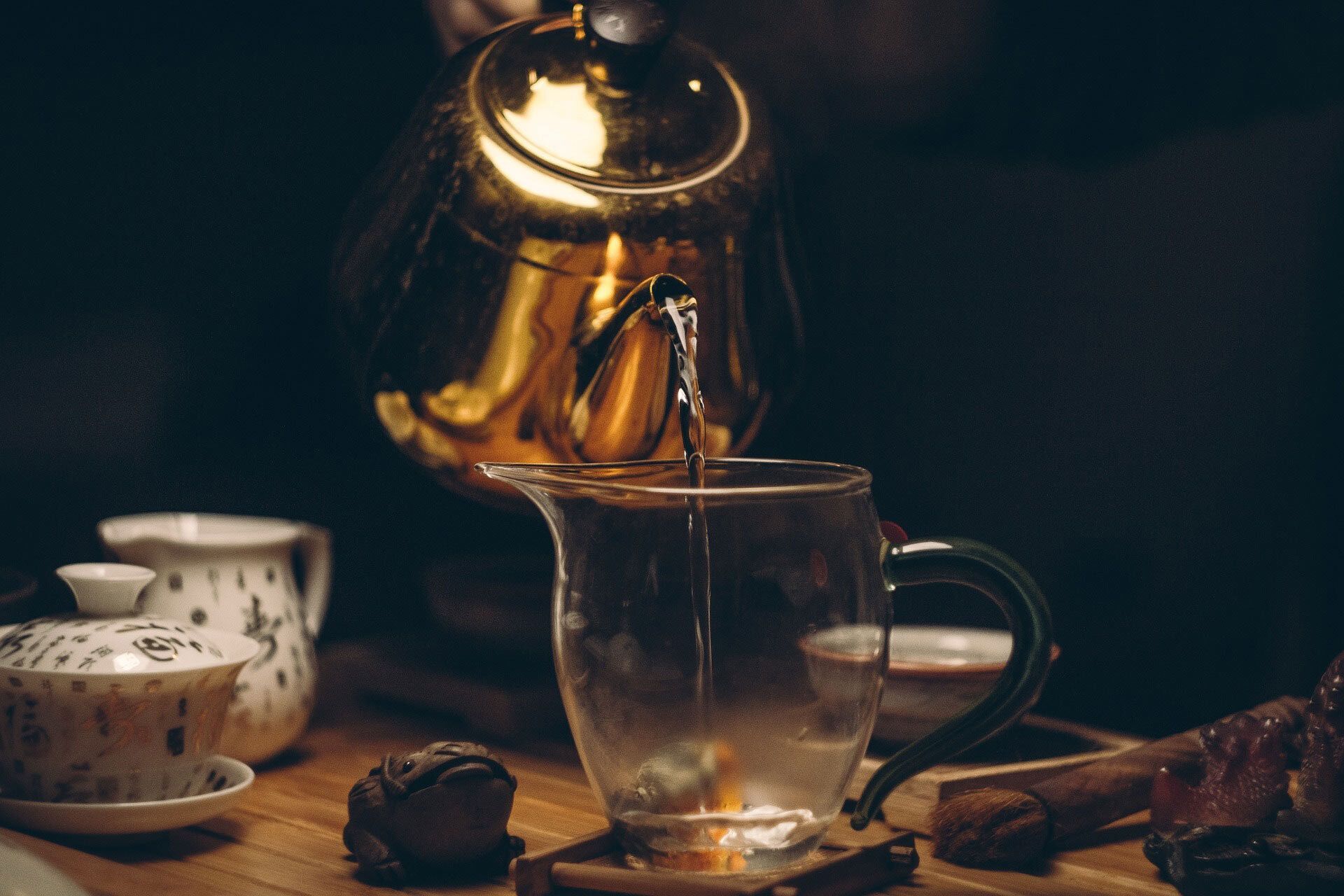
Spring water or mineral water is best for infusing tea. Soft water gives a more fragrant tea. Hard water alters the molecules and stops the taste receptors from doing their job. Chinese teas should be infused several times, and it is strongly recommended to quickly discard the first infusion if the tea is not organically grown. The second infusion is the one that best develops the tea's aroma; from the third infusion onwards, it becomes more therapeutic.
It is strongly advised not to re-infuse the previous day's tea leaves, but you can use them for your foot baths or put them on your plants – they make an excellent fertiliser!
How to make a good cup of tea
After putting in the leaves, it is recommended first to pour a little water at the right temperature around them (avoiding pouring directly onto them), then wait a few seconds and add the rest. Infusion lasts 1 to 5 minutes depending on the tea (white tea is infused very briefly, red and dark teas for longer). When there is still a little tea left in the teapot, add water: the leaves must not dry out. Repeat the process.
People often think that to stop tea keeping them awake, it should be made weak, that is, infused for only a short time. In fact, it is better to use less tea and let it infuse a little longer, so that the theine (caffeine) content gradually decreases. A tea that you have used throughout the day, topping it up with water, will not keep you awake, because the successive infusions have markedly reduced its theine content.
The benefits of tea

In traditional Chinese medicine, tea is recognised for quenching thirst while awakening the mind. It is traditionally used to support mental clarity, calm inner restlessness and encourage attention. It also supports digestion and, according to the classical texts, helps harmonise the circulation of phlegm (Tan) and of excesses linked to diet.
In China, tea has long been valued for its balancing effects, notably in cases of digestive discomfort or after an overly rich meal. In some traditions, it is also drunk to support the body in the face of imbalances brought on by treatments or trying situations.
Modern research is looking into the potential effects of tea on the body, notably for its antioxidant polyphenols. These compounds are being studied for their role in cellular and metabolic balance, and tea remains a traditional drink associated with general well-being in many cultures. 1 2
Here is the best news of the day: as well as enjoying a delicious tea, you are taking care of your health! So let's get out the gaiwans and let ourselves be carried away by this flavoursome drink with its remarkable properties.


