
Although it is a source of worry for some, seasonal hair loss remains an entirely natural phenomenon. If you experience it in autumn, don't panic: you are far from being an isolated case.
Indeed, this phenomenon should be distinguished from alopecia (abnormal, sudden and progressive hair loss) because it is temporary and generally occurs at a specific time, in this case from the beginning of autumn. Fortunately, there are very effective natural remedies to prevent and/or slow down seasonal hair loss.
Discover everything there is to know about this phenomenon, the explanation offered by Traditional Chinese Medicine and its solutions for strengthening your hair.
The hair cycle
A hair is divided into two parts: an invisible part, the root, and a visible part, the hair shaft. It is 95% made up of keratin, a fibrous protein.
Our hair constantly regenerates according to a hair cycle that repeats itself around 25 times over a lifetime. This cycle varies from 2 to 6 years depending on sex, and it includes the three life phases of a hair: the anagen phase, during which the hair grows. It lasts between 2 and 5 years and is generally longer in women than in men. Then comes the catagen phase: a resting period that can last from 2 to 3 weeks, during which the hair stops developing.
Finally, the telogen phase corresponds to the hair's growth coming to a halt: it no longer grows and simply remains attached to the hair follicle. Towards the end of this phase, the old hair falls out and makes way for a new follicle in the anagen phase, and the hair cycle starts all over again.1 This shedding is completely normal; it is linked to the natural succession of the life cycle of hairs, which are born, grow and then die.
Why does our hair fall out in autumn?
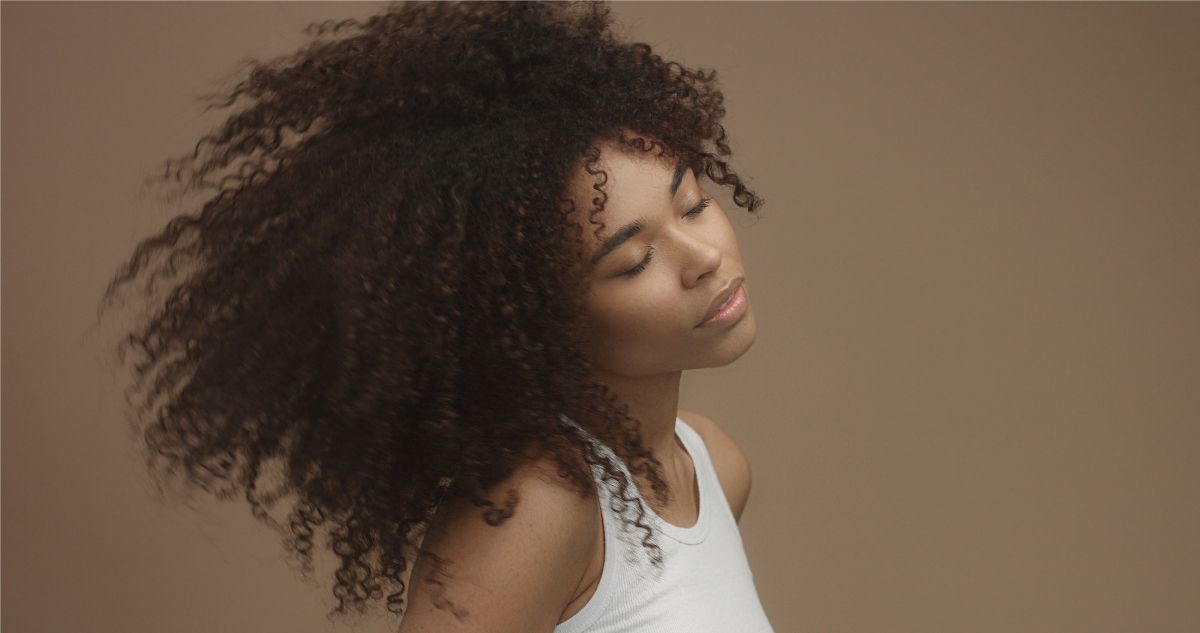
On average, we lose 20 to 25 hairs a day in winter and summer, 45 in spring and 60 hairs a day in autumn. A study carried out on 823 women showed that this phenomenon was indeed more frequent in autumn: the researchers found that September, October and November are the times of year when we lose the most hair.2
It should be noted that hair loss is considered abnormal, or even pathological, when a person loses more than 100 hairs a day over a period of up to two months, which can be a real problem, especially for people with fine, fragile hair.
Many factors, generally linked to the change of season, can be behind hair loss in autumn (stress, a drop in energy, lack of sunshine or reduced light), leading to a physiological peak in hair loss. First of all, this peak can be explained by the radical change in climate that takes place between summer and autumn. In summer, exposure to the sun's rays accelerates and stimulates hair growth.
Moreover, the change in light brings about a variation in hormones that affects our body: the secretion of melatonin and serotonin decreases in the body, which has a major impact on our energy during the day.
In addition, the arrival of autumn often goes hand in hand with the end of the holidays, the return to work or school, and the arrival of cold, dark days. As a result, stress and fatigue are quickly felt; they weigh on our mood, have a heavy influence on the health of our hair and increase hair loss. On top of a general slump comes a weakening of the immune system, which encourages hair loss.
Chinese Medicine's solutions for preventing seasonal hair loss
The TCM explanation
Chinese Medicine considers that the health of the hair is closely linked to the Blood and to the Kidney Essence (Jing). Its thickness and shine come from the Liver. For example, hair loss can reflect a Blood deficiency, and dull, brittle hair can be one of the manifestations of a Liver Blood deficiency.
Moreover, in Chinese medicine, each season is linked to an element and an emotion. Autumn is associated with Metal, an element that symbolises hardness, and the predominant emotion during this season is sadness, which shows itself in nature through the falling leaves… This emotion, entirely natural and liberating, only becomes a source of illness if it is experienced too intensely or lasts over time. Among the effects of pathogenic sadness are fatigue, anxiety and irritability.
In some cases, it can deplete Liver Blood, particularly in women, and therefore affect the health of the hair. So the melancholy or feeling of sadness we may feel as autumn sets in could partly explain this hair loss.
What does Chinese Medicine offer to overcome this phenomenon?
Chinese medicine plants to combat hair loss
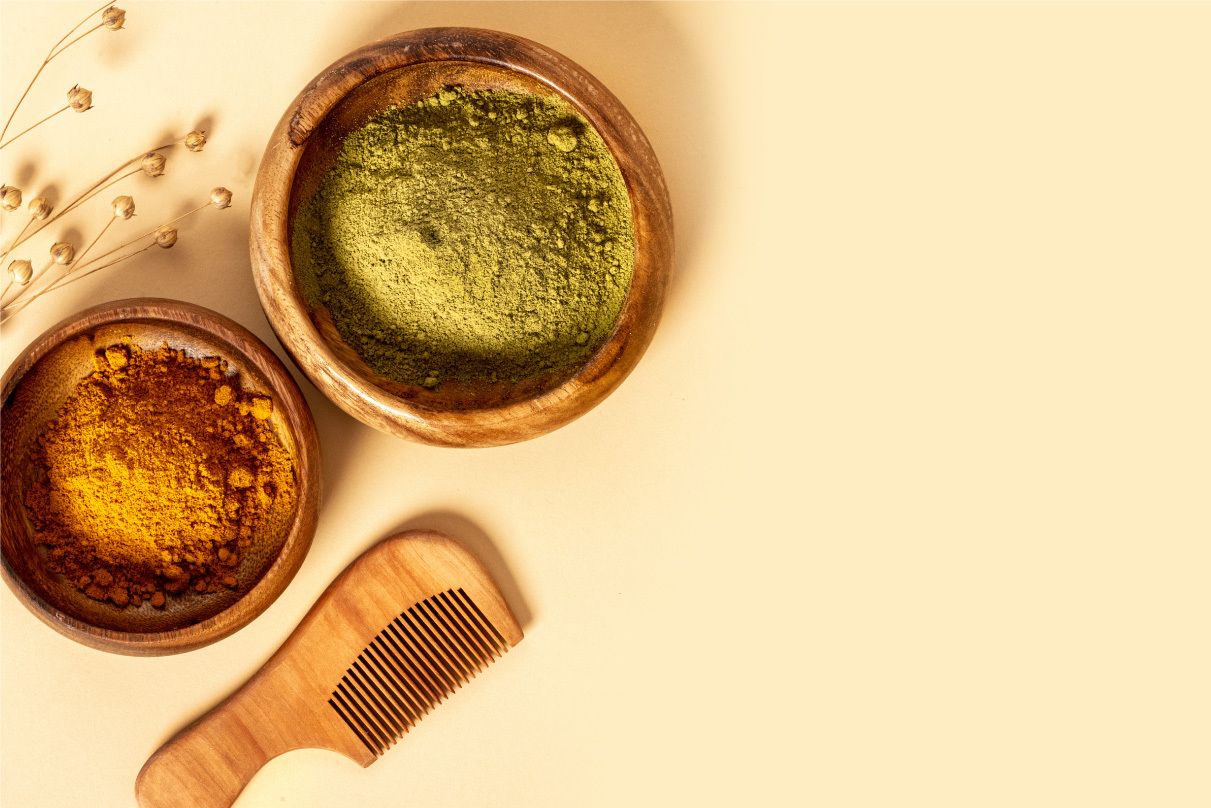
There is no need to repeat how essential it is to adopt a diet in tune with the season. On the other hand, it is worth recalling the value of turning to the plants of the Chinese pharmacopoeia to preserve the health of your hair.
Long used and now recognised for their therapeutic properties, these medicinal plants have proven their worth in the prevention and treatment of many illnesses. Here are the best-known Chinese medicine plants for slowing hair loss and protecting hair health:
-
He shou wu - Fo-ti (Chinese knotweed): a flagship plant of traditional Chinese medicine, He shou wu is a plant with many benefits for hair health. A symbol of longevity in Asian culture, it preserves the health of the hair by slowing the appearance of white hairs and limiting hair loss.
-
Hair Nutrition formula: made up of 3 plants with many benefits for the hair, this formula developed by our laboratory deeply nourishes the hair to restore its strength and shine.
Let us remember that, unlike Western medicine, Traditional Chinese Medicine focuses on the source of the illness rather than on treating its symptoms. So, in order to treat this temporary hair loss, it is important to identify the origin of the problem. To combat the fatigue and weakened immunity that come with autumn and encourage hair loss, choose:
-
Bu zhong yi qi cha - Body-tonifying herbal tea: made up of 8 plants, this herbal tea is one of the oldest preparations in TCM. Designed mainly to strengthen the immune defences, it fortifies the body and fights off attacks.
-
Huang qi - Astragalus roots: the immunity plant par excellence. It strengthens the body, mobilises the natural defences and helps you get through the changes of season with ease.
-
Bai hua rong – Chaga: this medicinal mushroom is renowned for giving the immune system a boost and providing renewed energy.
So seasonal hair loss is often described as temporary. However, it can become pathological and have very serious consequences, especially for people who tend to lose their hair throughout the year.
The psychological effects of hair loss are significant: losing your hair has a formidable impact on our well-being and can cause real psychological suffering as well as a loss of self-confidence.
So, to prevent this phenomenon and care for your hair in depth, it is essential to look after your health in general and to live in harmony with the season. In autumn, it is advisable to adapt your diet to protect the body from pathogenic attacks, but also to strengthen your immunity to support the body through the climatic and energetic upheavals that the change of season represents.


