All about Chinese medicine: ancestral wisdom in the service of health

Traditional Chinese medicine is a complete health system encompassing theories and practices that aim to improve human health by treating energy blockages and maintaining the balance of Qi (vital energy).
The earliest traces of this medicine go back to primitive times: it is in fact one of the three great traditional medicines, alongside Galenism, a medical system developed in the Middle Ages, and the traditional Indian medicine known as Ayurveda. TCM considers the individual as a whole, taking into account not only physical aspects but also energetic and emotional dimensions.
Made up of five branches, this medicine rooted in Chinese culture has made its way to the West thanks to its significant progress and the proven effectiveness of its various branches in treating many diseases: in 2015, Tu Youyou was awarded the Nobel Prize in Medicine for research work largely inspired by TCM. In 2020, the European hospital of traditional Chinese medicine opened its doors in Barcelona, Spain, a first (long-awaited) step towards making this medicine accessible to all.
What are the treatment branches of TCM, and how are they used in the service of health?
Acupuncture, the art of mastering needles to treat ailments

Probably the most popular branch in the West, acupuncture is a technique that uses very fine needles (single-use) inserted along the meridians to stimulate precise points. The aim is to undo energy blockages and regulate the flow of Qi. Acupuncture is thus an answer to many ailments: it improves blood circulation, relieves pain, calms the mind and can help in case of hormonal imbalances.
Since 2002, the World Health Organization has recognised the effectiveness of this technique in treating certain diseases, such as rheumatoid arthritis and depression, and certain symptoms such as nausea, vomiting and headaches. 1 Indeed, traditional Chinese medicine considers that disease is the result of energy imbalances. Stimulating acupuncture points therefore helps to restore the circulation of Qi.
Acupuncture sessions are sometimes seen as a last resort for a problem that seems to have no solution: acupuncture helps to combat stress, supports people who want to stop smoking and relieves joint pain, for example. It can also be used preventively: it helps to prevent seasonal hair loss and to boost the immune system. What's more, acupuncture is safe for your health.
The Chinese pharmacopoeia: an ally for health
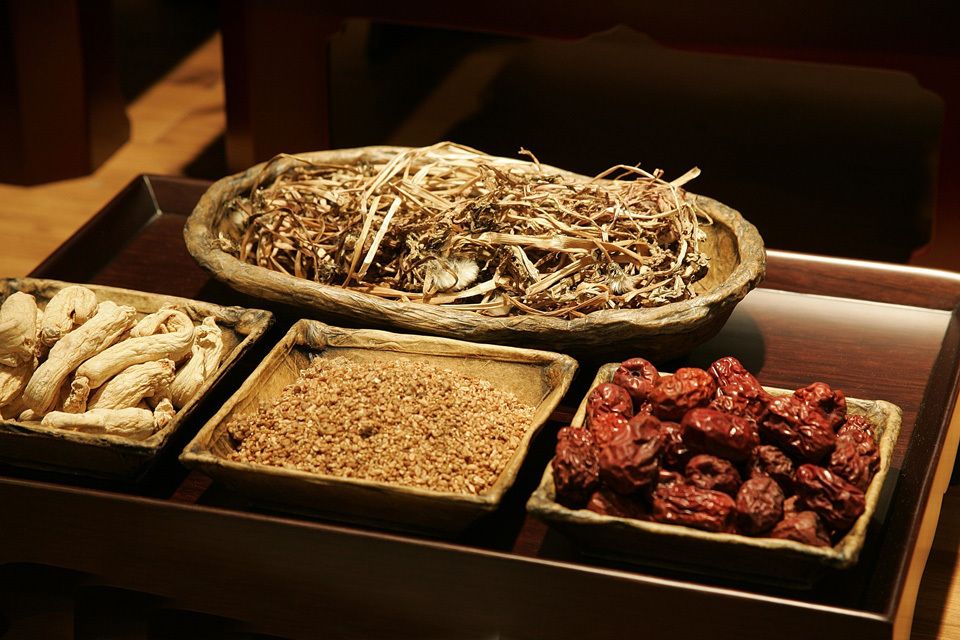
The Chinese pharmacopoeia studies the use of plants for therapeutic and preventive purposes. It lists a wide range of plants (flowers, leaves, roots, seeds, fruits…) and minerals to treat a great number of conditions.
Among the flagship medicinal plants used by Chinese medicine, we find plants that are famous worldwide:
- Ren shen – ginseng: nicknamed the "root of life", this plant tonifies Qi and has many benefits for the body: it reduces fatigue, stimulates concentration and strengthens the body.
- Huang qi – astragalus: it tonifies Wei Qi (defensive energy) and is best known for its ability to boost immunity.
- Da zao – jujube fruits: they are nicknamed "Chinese dates". They nourish the Blood and calm the Shen (the mind). They relieve menstrual pain and stimulate blood circulation.
- Pearl powder: it is one of the flagship products of traditional Chinese medicine. It is intended to be used as a food supplement to improve the quality of the skin and delay ageing.
- He shou wu – Chinese knotweed: a plant highly valued in TCM, He shou wu tonifies the Liver and Spleen to strengthen hair health. It is known for slowing the premature appearance of white hair.
Many scientific studies confirm the benefits of Chinese plants in treating many disorders, and their use is increasingly encouraged by the major health organisations.
Chinese dietetics: learning to eat energetically for better health
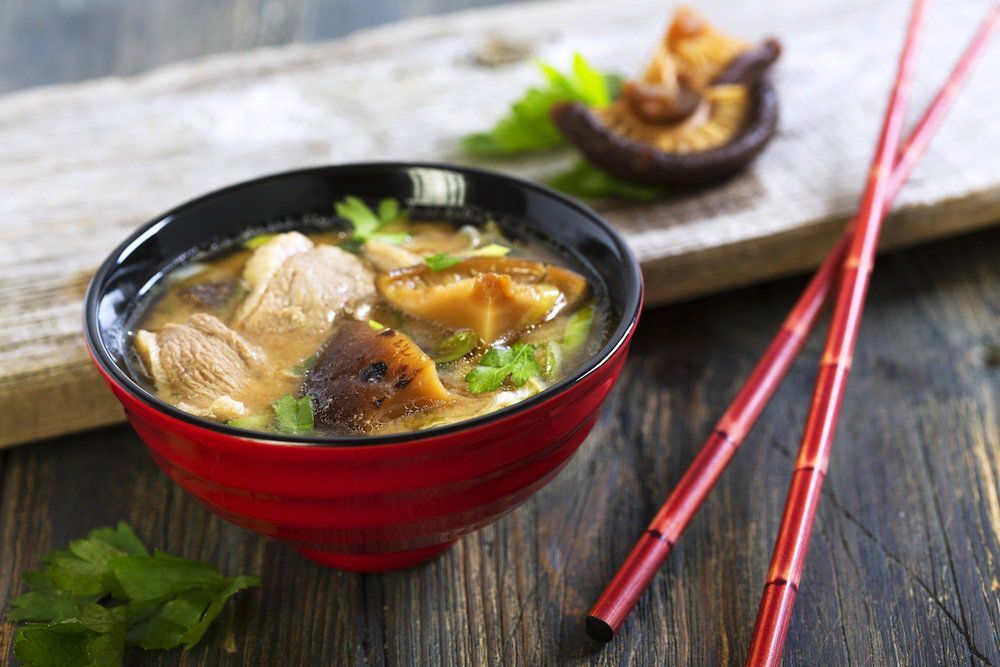
Chinese dietetics refers to a set of dietary rules to follow in order to stay healthy. It is based on the harmony between Yin and Yang on the plate and on the energetic aspect of foods.
Chinese dietetics classifies foods according to five natures (cold, hot, cool, warm and neutral). For example, foods that are cold or cool in nature (melon, watermelon, courgettes) cool the body and should be favoured in summer. Foods that are hot in nature (ginger, curry, lamb) warm the body and should be preferred in winter.
It also recognises five fundamental flavours (sour, bitter, sweet, pungent and salty), each of which has an impact on the body and on the organs. For example, the sour flavour influences the Liver and Gallbladder, and the bitter flavour influences the Heart. Note that the energetic flavour doesn't necessarily correspond to how the food tastes. The choice of food colours is also important. For example, green should be given pride of place in spring, while black is to be favoured in winter.
In short, in Chinese dietetics it isn't enough to eat healthily to be in good health: an energetic diet in tune with the season is called for.
Chinese dietetics also advocates a diet tailored to your state of health. Flavours and natures have therapeutic properties. To illustrate this idea: the sour flavour is advised to overcome excessive sweating, and sweet, warm flavours help to relieve constipation.
Tui na: traditional Chinese massage
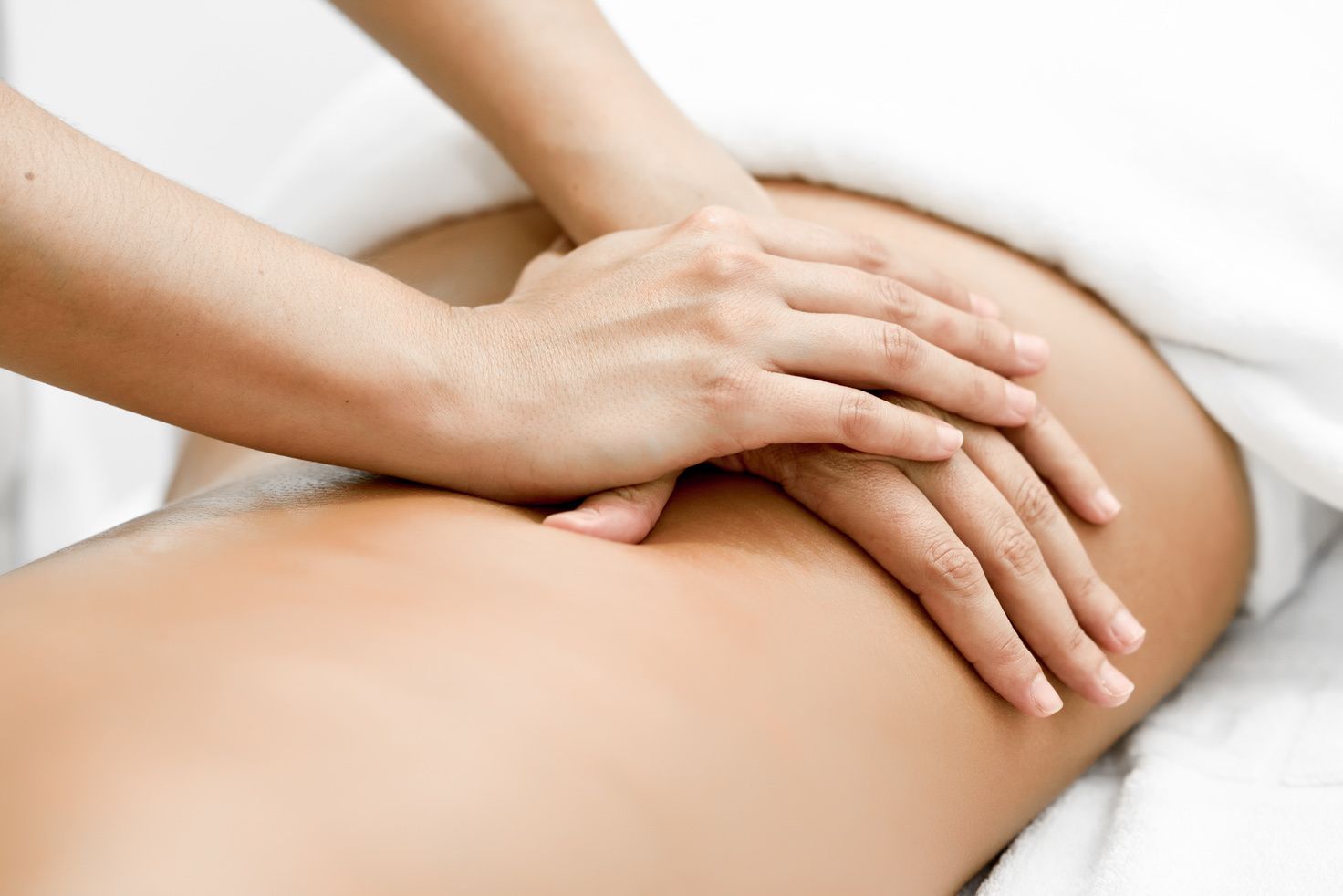
Literally translated as push (tui – 推) and grasp (na – 拿), Tui na massage is based on digipuncture, also called acupressure, which consists of stimulating acupuncture points by touch.
Like acupuncture, Tui na massage aims to unblock Qi in order to relieve ailments. It can be useful for headaches, difficult digestion, water retention or lack of energy. Studies have shown that this massage is notably effective at relieving lower back pain. 2
Tui na massage also acts on the Shen (the Mind). It brings relaxation to the body and gives a deep sense of well-being.
Chinese energy exercises: Tai Chi and Qi Gong
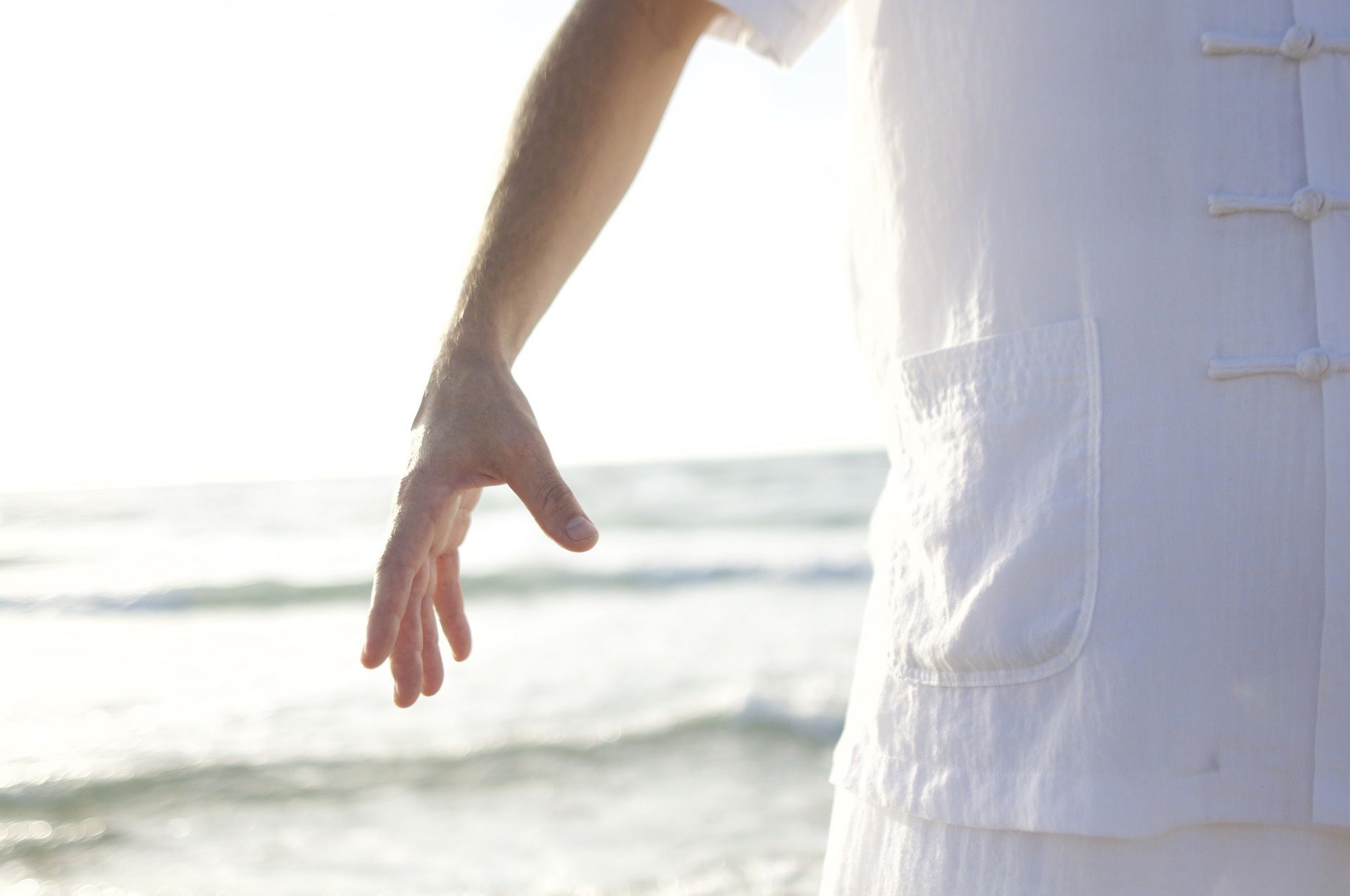
Finally, traditional Chinese medicine has attached great importance to physical activity for centuries, which is why energy exercises are one of its five branches.
Tai Chi is a martial art that puts the whole body into action. Qi Gong is more specialised, since certain postures aim to strengthen very specific organs. For example, practising the movement "The green dragon shows its claws" is advised in spring, since it tonifies the Liver, the organ of the season.
In any case, both of these energy exercises aim to make Qi circulate: they drive away stress, cultivate inner harmony and improve flexibility.

"The human being is born of Earth, life is born of Heaven. The energies of Heaven and Earth unite, and life comes to Man." The Yellow Emperor's Classic of Internal Medicine
If TCM is gradually getting the attention it deserves (in the West, more and more people are deciding to turn to gentle medicines and natural alternatives)3, it is thanks to its global approach and its precise conception of the human being, a living being in step with the nature around it.


