
The start of autumn refers to the 13th solar term of the Chinese calendar and corresponds to the beginning of August in the Gregorian calendar. Characterised by a gradual drop in temperatures and a return of Yin energy, autumn is the season when our immune defences are put to the test, which is why we need to adapt to it by filling our meals with the foods our body needs during this season. Indeed, in Chinese dietetics, a well-chosen diet helps to preserve health and allows each of us to avoid a certain number of illnesses. In autumn, it is advisable to put this discipline's advice into practice to get through the season well and above all to escape the flu, colds and bronchitis, as well as intestinal conditions such as constipation and the inflammations that abound during the season.
The basics of Chinese dietetics in autumn
Approached from an energetic angle, foods are classified according to their nature, flavour, colour and cooking method. To learn to eat better during this season, it is essential to know about the energetic qualities of foods and, of course, to adapt our plate to the changes in climate. In autumn, three basic principles should be put into practice: moisten Dryness, purify the Lung and nourish Yin.1 To apply them, it is important to opt for a healthy, suitable diet. So we share with you the secrets of Chinese dietetics for staying in top form, even in autumn!
Which cooking method should you favour?
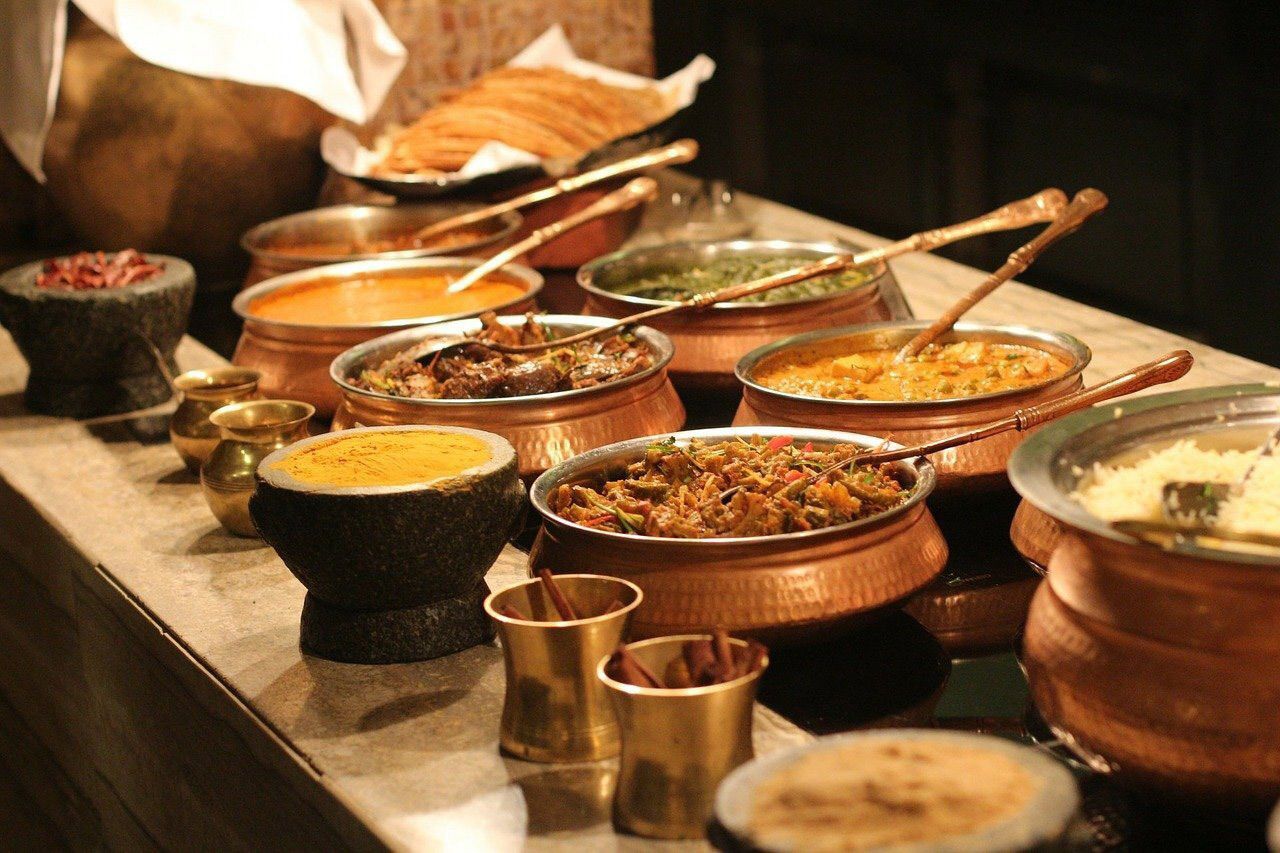
Vitality is one of the defining qualities of foods in Chinese diet therapy, since it helps maintain internal balance. Indeed, it is important to choose a cooking method suited to the season, as it has a considerable influence on the energetic value that foods contain.
To avoid Dryness, a pathogenic energy that threatens in autumn and leads to all kinds of discomforts (sore throats, constipation, coughs, dry skin and hair, etc.), and to nourish Yin, you should favour cooked foods, set aside raw ones and favour slow, long cooking. Above all, prefer cooking in water, as it helps to moisten the Lung!
Which natures should you eat in autumn?
Moreover, there are different natures that Chinese dietetics recommends eating to get through this season well. First, it suggests favouring foods of a cool nature at the beginning of autumn. Indeed, as Heat is still present, it should be cleared to reduce its potential manifestations (irritability, agitation, fever, etc.). 2 Opt for foods that moisten the Lung and promote the production of body fluids, such as apples, aubergines, mushrooms or pears, for example.
Then, when the weather begins to cool, it is recommended to favour the warm nature. This is strongly advised, since it helps to warm the body and protect it from the external cool. It is found in foods such as almonds, anchovies, basil, chestnuts and chicken.
In autumn, bet on the pungent flavour
A very important aspect of every food, flavour delights our taste buds, but not only that! It also helps to protect our body. In autumn, the pungent flavour is the one to bet on. Indeed, it has affinities with the Lung and is linked to the Metal movement. Often recommended for expelling Cold, Dampness and Wind and their manifestations in the respiratory sphere (colds, coughs, bronchitis, even fever…), it helps to regulate Lung energy.3 It is known for its ability to disperse perverse energies and make energy circulate. So Chinese dietetics recommends eating foods such as spring onion, garlic, mustard and pepper. You should not overdo it, however, because when eaten in excess, this flavour causes sweating and the elimination of body fluids.
The other flavour to favour is the bitter flavour. Eaten in small quantities, it helps to retain energy. But be careful not to overdo it, as it can become drying. It is also possible to combine the sweet and sour flavours, as they help to eliminate the Dryness that harms the Lung.
White is in season!
White represents the storing and internalising of energies, and it brings the individual the nutritional values essential for survival. In Chinese medicine, eating white foods strengthens the Lung and the Large Intestine, the organs associated with autumn. 4 So eat cereals such as rice and flour, and fruit and vegetables such as coconut, white cabbage or chicory.
However, to follow the advice of Chinese dietetics properly, it is essential to fill your plate with every colour to ensure a balanced meal. Indeed, let us not forget that it is all a question of harmony.
The spices of the moment
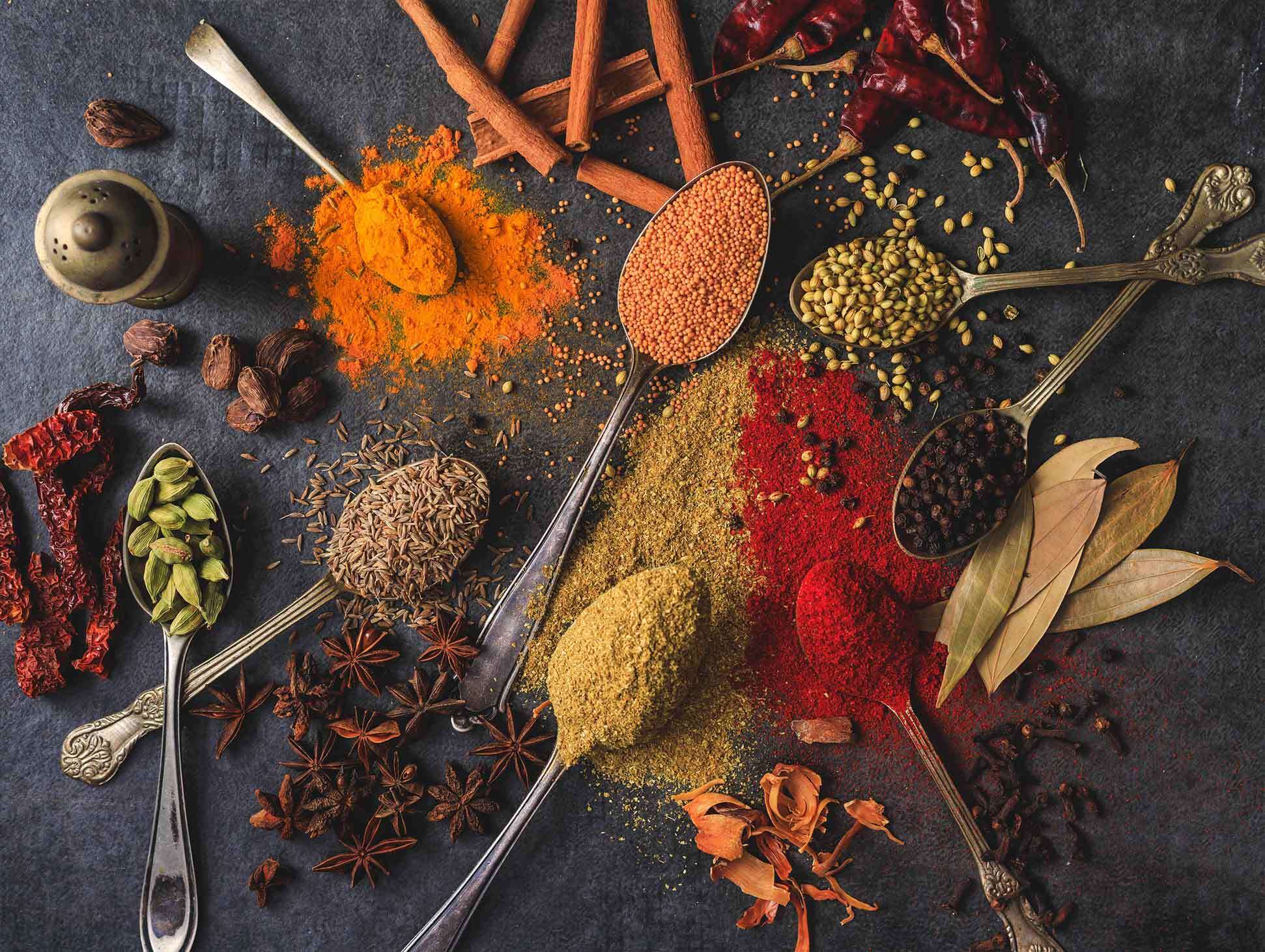
As well as giving flavour and colour to our plate, spices have valuable health benefits. Certain condiments are renowned for livening up our autumn dishes. Here is our selection for the season:
Cinnamon: A plant recommended in TCM for its digestive and warming properties, cinnamon gives a spice reputed to prevent colds, calm stomach aches and promote transit. Mainly used to flavour and add taste to desserts, cinnamon can also accompany your savoury dishes, such as rice and vegetable dishes.
Ginger: With its pungent flavour and warm nature, ginger is a spice to favour in autumn. It is also prized because it aids digestion and stimulates blood circulation. Don't hesitate to add it to your recipes to spice up your dishes.
Turmeric: This spice, native to Asia, is highly valued in Chinese medicine for its many health benefits. Studies have shown that consuming it helps to strengthen immunity and soothes digestive disorders. Moreover, used externally, turmeric can be an excellent solution for preventing seasonal hair loss, as it has many benefits for hair health.
Each season has a considerable influence on people and nature. Autumn is the ideal time to start a self-care routine through a diet that nourishes both body and mind. Carefully applying the advice of Chinese dietetics will allow you to protect your body and get through this season of many changes well.