Ginger (Zingiber officinale): benefits and properties in Chinese medicine

The medicinal properties of ginger have been recognised for centuries all over the world. As well as being widely enjoyed in cooking, it is also considered a natural solution to a whole host of discomforts.
Used for more than 3,000 years, notably by the great scholarly medicines (Traditional Chinese Medicine and Ayurvedic medicine), ginger quickly found its way into kitchens all over the world, as much for its flavour as for its benefits.
What makes it so popular? What are its real effects on the body, and how is it used in the Chinese pharmacopoeia? Discover everything there is to know about this incredible plant.
Discovering ginger
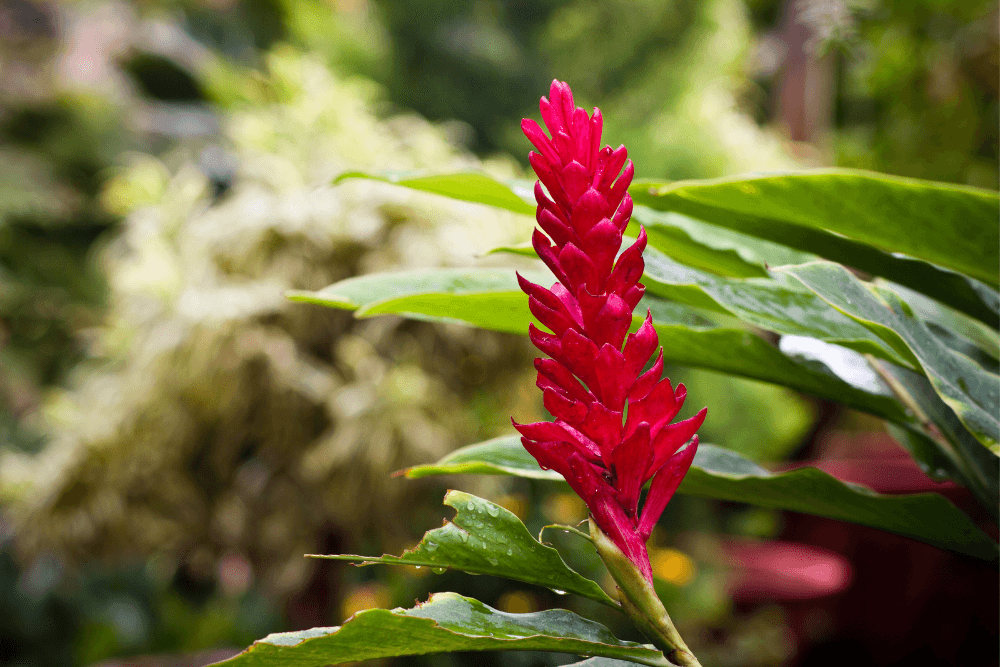
The use of ginger (Zingiber Officinale) dates back to Antiquity. Even then, its rhizome was used for its antioxidant and antibacterial properties.
Originating in India and China, ginger spread around the world through trade. It was first introduced to Europe and Ancient Egypt in the 4th century BC, then served as a currency in the Middle Ages because of its rarity. Finally, it travelled to the Americas, where it is now widely grown. Preferring hot, humid climates, it is found mainly in subtropical and tropical areas.
Like turmeric and cardamom, this aromatic plant native to East Asia belongs to the Zingiberaceae family. For its properties to develop optimally, the plant needs nutrient-rich, well-drained soil, a hot and humid climate and, finally, sun.
Ginger contains gingerol, a natural compound recognised for its antioxidant properties. In traditional herbal medicine, it is often used to support joint mobility and comfort, especially with age, while supporting cell protection against oxidative stress.
Over time, ginger has become an important medicinal herb in the traditional medicines of many cultures. Now considered a true superfood for its content of vitamins, iron, calcium, zinc, magnesium and potassium, it is also widely used in many traditions for well-documented uses that modern studies are beginning to explore with interest.
Its use in Traditional Chinese Medicine
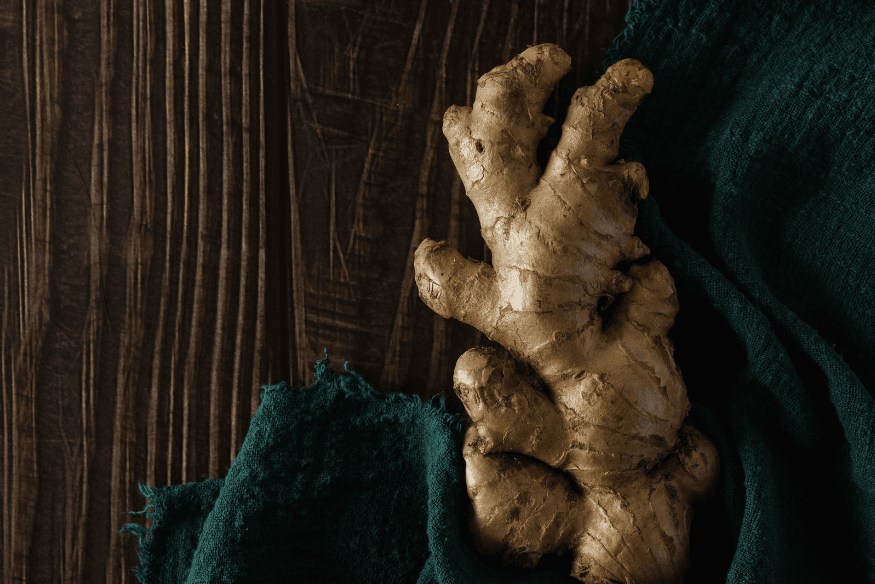
In TCM, ginger is recommended to promote blood circulation and raise body temperature by entering the Lung, Stomach and Spleen meridians.
Fresh ginger (or "raw" ginger), also known as Sheng Jiang, is pungent in flavour and warm in nature. Thanks to its properties, it disperses Wind-Cold and warms the Lung. It is used to treat digestive problems caused by Qi (vital energy) stagnation.
Sheng Jiang has interesting digestive properties: it stimulates and regulates digestion and soothes the stomach during digestive discomfort. It is also an effective detoxifier that improves respiratory function.
Dried ginger (or "dry" ginger), Gan Jiang in Chinese, is pungent in flavour but hot in nature. It is used to warm the Spleen, warm the Middle, treat symptoms of Cold and tone the digestive system. Its pungent flavour allows it to mobilise Qi.
In TCM, the role of Gan Jiang is to support the Middle Burner, so it strengthens the Spleen and Stomach and tones the immune system. Thanks to its warming properties, it is recommended for regulating bowel function. In addition, its ability to drive out Cold makes it a traditional support for tension or stiffness linked to internal imbalances.
Focus on 3 properties of ginger
A formidable natural soother

Used to improve digestion 2, ginger contains natural compounds that help stimulate the production of digestive acids and proteins, which makes food easier to digest. It speeds up the breakdown of food in the stomach and so improves the digestive process. Ginger is therefore generally recommended to soothe tummy discomfort and eliminate bloating and wind.
Thanks to its richness in gingerols and shogaols, ginger is traditionally valued for promoting joint and muscle comfort, supporting times of tension and supporting women's well-being, particularly during the cycle.4
A powerful antioxidant

Ginger is naturally rich in antioxidants and bioactive compounds that have been widely studied, notably for their antiviral potential. Traditionally used to support the natural defences, it is valued at sensitive times, especially when the seasons change. Some research suggests it could help reduce the discomfort of passing infections.
The natural compounds in ginger, such as gingerols, shogaols, zingiberenes and paradols, are recognised for their stimulating and toning properties. Traditionally used to warm the body and soothe imbalances linked to changes of season, ginger is also valued for supporting overall vitality, promoting recovery and helping protect cells against oxidative stress.
A formidable fat burner

Ginger increases energy expenditure, stimulates the metabolism and helps reduce appetite. It also helps prevent the build-up of fat.
As a result, these different effects contribute to healthy weight loss when combined with a balanced diet and regular physical activity. It is therefore a natural solution for weight loss. 6
How to prepare ginger
Whether on the plate or in the cup, ginger is ideal for looking after your health naturally. It is an ingredient you absolutely must have in your cupboards!
To enjoy the benefits of its rhizome, you will need to prepare a decoction, the preparation method recommended by the Chinese pharmacopoeia.
Ginger rhizome decoction
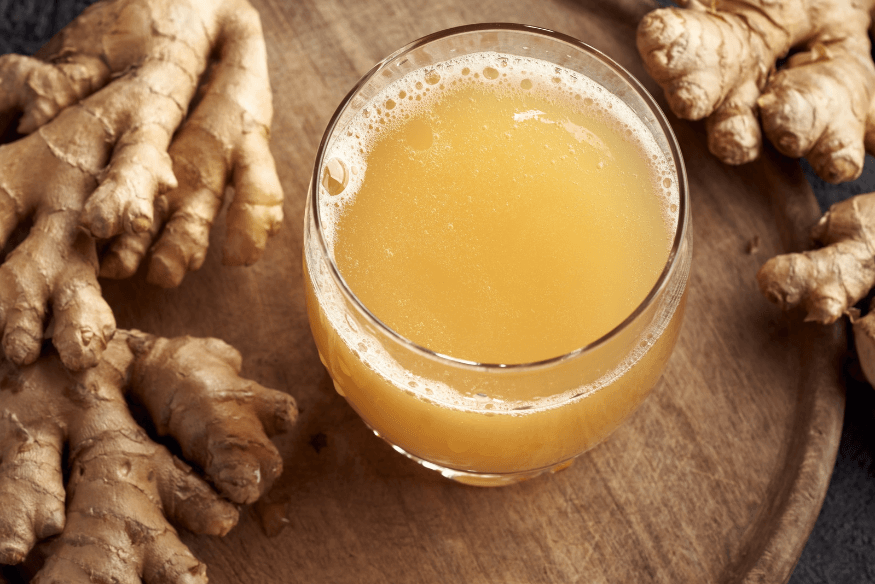
Here are the steps for preparing a ginger decoction:
-
In a saucepan, preferably earthenware, enamel or stainless steel, bring water to the boil.
-
Add 10 g of rhizome slices to the hot water and cook for about 10 minutes over a medium heat.
-
Strain out the slices and add honey and/or lemon juice to the decoction if you like.
-
Serve hot, preferably after a meal.
Enjoy this healthy, invigorating drink to help your digestion and strengthen your immune system.
