- The origins of mulled wine
- Ingredients and health benefits
- Our mulled wine recipe
- Ingredients
- Method


A famous Christmas drink, spiced mulled wine brings to mind the end-of-year festivities! Ideal for the winter season, it warms you up while you enjoy convivial moments together.
Besides its delicious taste and distinctive aroma, this drink with spicy notes offers benefits for the body thanks to the plants used to make it.
Where does spiced mulled wine come from? What are its health benefits, and how do you make it?
The origins of mulled wine
Dating back to the Roman Empire, the tradition of mulled wine was born in AD 20. It was called “Conditum Paradoxum" and was made from red wine, honey and spices such as cinnamon, saffron, bay leaf and pepper. At the time, it was believed that adding honey and spices allowed the wine to keep for longer.
Drinking mulled wine became popular in Europe in the Middle Ages. It was during this period that many Eastern spices were discovered, such as cinnamon and star anise.
Mulled wine lies at the heart of a tradition that is very popular in France and also throughout Europe. Much loved during the festive season, it is a flagship winter drink in Scandinavian and Germanic countries. You will therefore find it at Christmas markets all over Europe, and particularly in Alsace, a region renowned for the way it celebrates Christmas.
Ingredients and health benefits
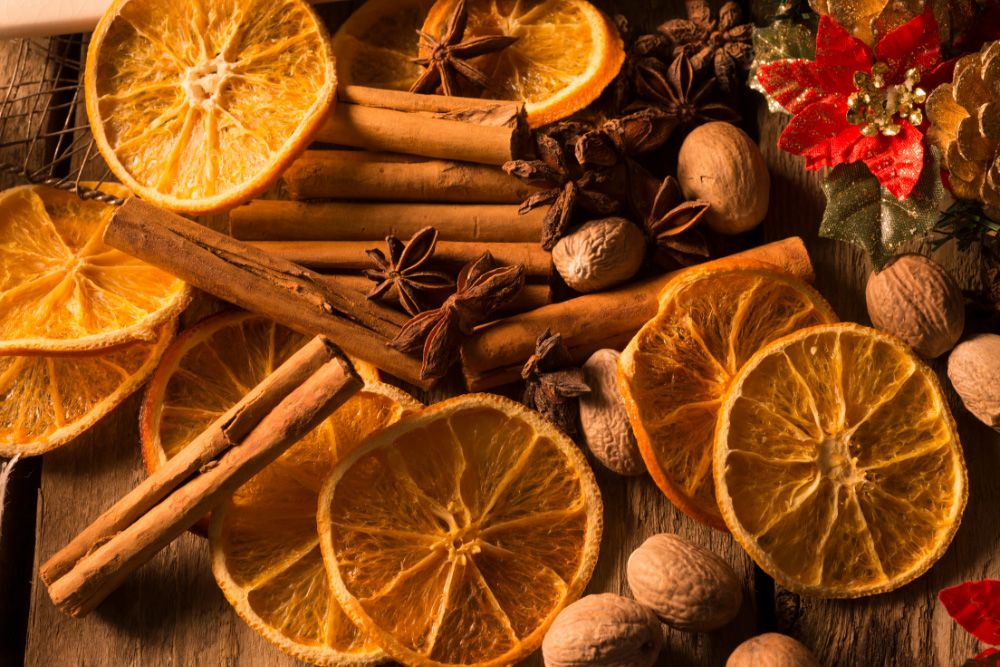
Every mulled wine lover will tell you: it is the ideal drink for warming up in the winter cold! But that's not all: it is generally made with ingredients that are valuable for health.
Several spice blends are possible for making this tasty drink. Among the most popular ingredients, we generally find cinnamon, cloves, ginger, liquorice and star anise (also called Chinese badian).
-
The star of Christmas and an essential ingredient in spiced mulled wine, cinnamon (Rou gui in Chinese) is known for its many health virtues. First of all, it contributes to digestive comfort and acts on stomach sensitivities (bloating, wind, heaviness…) to soothe them. It is ideal for enjoying festive meals in complete peace.
-
With their powerful taste, cloves (Ding xiang) give mulled wine a unique flavour. They are also renowned for their many benefits for digestion: they help combat bloating. Traditional Chinese medicine recommends them to warm the Middle Burner, open the Stomach and make the Qi descend.
-
Ginger (Gan jiang) aids digestion and contributes to the normal functioning of the intestinal tract. What's more, its root boosts energy! Just the thing to be on form for the festive season!
-
Liquorice (Gan cao) is traditionally used to soothe the throat and the digestive system. The Chinese pharmacopoeia recommends using its root to increase Qi and strengthen immunity.
-
Finally, star anise (Ba jiao hui xiang) is valued for its tonifying action, effective against fatigue. It also reduces digestive discomfort.
Our mulled wine recipe
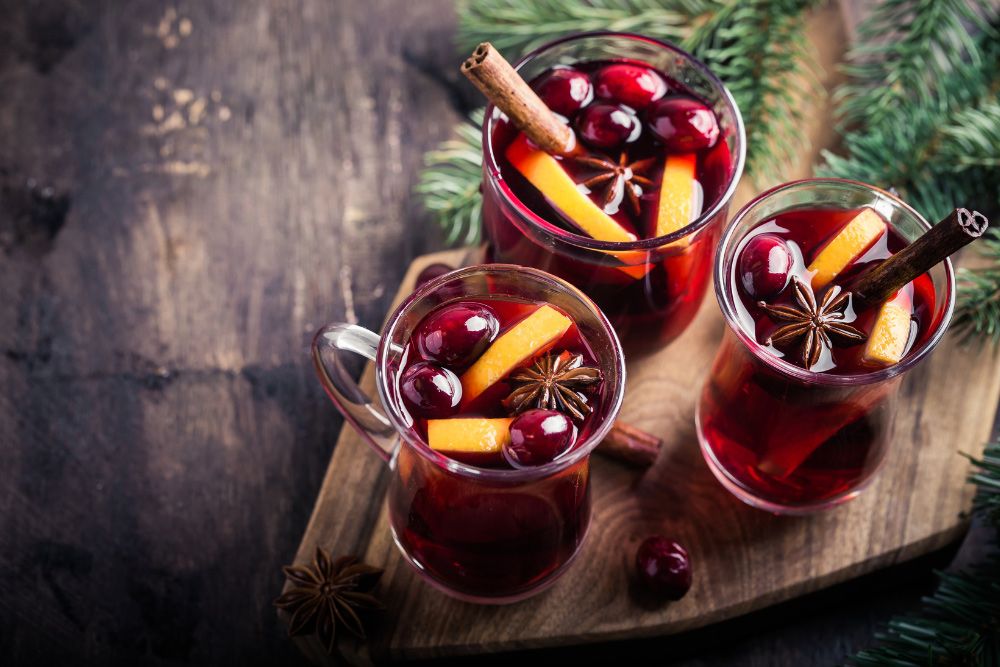
To make a delicious and original mulled wine, we have added some less usual ingredients to the traditional ones (a recipe tested and approved by the whole Calebasse team!): jujube fruits (Da zao) and mandarin peel (Chen pi), both known for toning up the body.
Ingredients
- 1 g star anise
- 1 cinnamon stick
- 1 g cloves
- 4 g ginger root
- 10 g liquorice root
- 2 or 3 jujubes
- 9 g mandarin peel
- 750 ml red wine
Method
First, pour 750 ml of red wine (of your choice) into a saucepan. Add the plant blend along with some sliced fruit (we recommend adding slices of orange or apple, depending on your preference!).
Finally, simmer over a low heat for 10 minutes. Serve and enjoy.
Tasty and comforting, spiced mulled wine brings Christmas celebrations to mind. Its heady scent fills the house and helps create the most festive atmosphere! Easy to make: find all the ingredients you need in our Preparation for mulled wine.
