- Weight gain: the TCM explanations
- Chinese medicine methods for losing weight
- Acupuncture to restore vital energy
- Draining and detoxifying herbs
- Dong gua pi (Wax gourd peel)
- Dong kui zi (Chinese mallow)
- He ye (Lotus leaves)
- Hai zao (Sargassum or brown seaweed)
- Guarana
- Adopting the rules of Chinese dietetics
- Tui Na to rebalance Qi
- Qi Gong and Tai Chi: exercise and meditation combined


Based on more than 5,000 years of knowledge, Traditional Chinese Medicine is a medical system that includes acupuncture, the Chinese pharmacopoeia, Chinese dietetics, Tui Na massage and energy exercises. What are these different disciplines, and how can gradually bringing them into our daily lives help us lose weight, whether to tackle obesity or simply to feel better in our bodies?
In a holistic approach, TCM rests on the principle that human beings, animated by vital energy, Qi, form a whole, and that disorders or discomforts are simply the reflection of an energetic imbalance in this system.
Disorders are treated with the aim of restoring the balance of Yin and Yang and activating the circulation of each individual's own Qi. Treating eating imbalances in Traditional Chinese Medicine means addressing the physical and psychological causes and symptoms that lead to excess weight.
In general, an unsuitable diet and a lack of physical exercise are the main causes… but not the only ones! Stress, water retention, overwork, depression and so on are also factors in eating imbalances. Based on an energetic assessment, the practitioner will adapt a protocol case by case for personalised treatment.
Weight gain: the TCM explanations
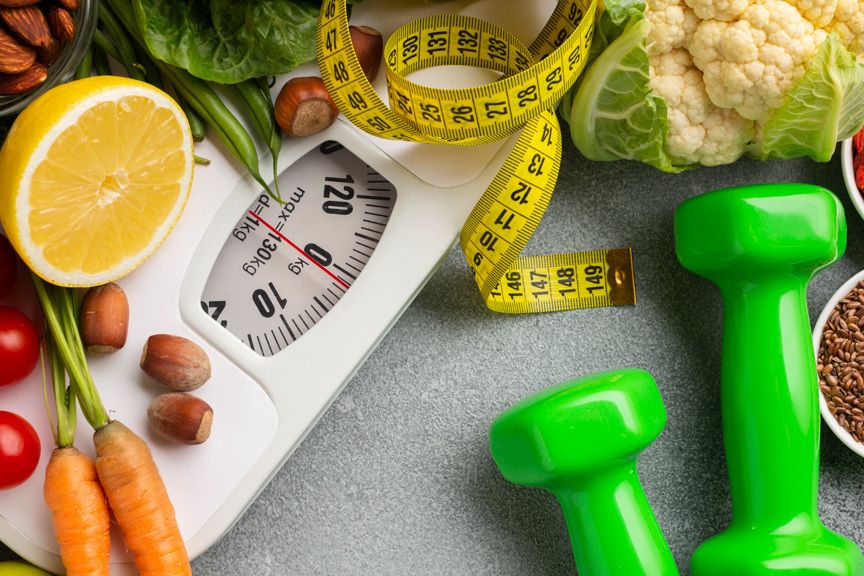
In TCM, there are several patterns that can explain weight gain1:
- Tan (Dampness) obstructing the Spleen: the human body is essentially made of fluids, whose function is to unify and regulate Yin and Yang. When the body can no longer manage Dampness properly, for various reasons, these fluids become a problem and disrupt the circulation of Energy.
The main symptoms are: excess weight, shortness of breath, a tight chest and a feeling of heaviness in the body, lack of strength and sleepiness. The treatment principles are to dissolve Tan, eliminate Dampness and tonify the Spleen.
- Qi Stagnation and Blood Stasis: when the flow of Qi becomes congested and stagnates, it disrupts the circulation of Blood, which in turn stagnates, potentially causing a series of symptoms, blockages and Stases.
Signs of this imbalance include excess weight, pain and a feeling of pressure in the chest and sides, bloating, headaches, belching and wind. The TCM treatment is to move Qi, activate Blood and reduce fat.
- Stomach Heat: this pattern appears when too many grilled or roasted foods or hot spices are eaten, causing Heat to stagnate in the Stomach and Intestines, which pushes Stomach Qi in the wrong direction.
The symptoms are: excess weight, excessive appetite and feeling hungry soon after eating, thirst and restlessness, a desire for cold drinks, a dry mouth and tongue, a red complexion or acne. In these cases, the treatment principles are to clear and harmonise the Stomach, generate Fluids and reduce the appetite.
Chinese medicine methods for losing weight
Acupuncture to restore vital energy
It is one of the five therapeutic tools of Traditional Chinese Medicine. It is a technique that stimulates certain areas of the skin, aiming to maintain good circulation of vital energy so we can live better in harmony with our environment.
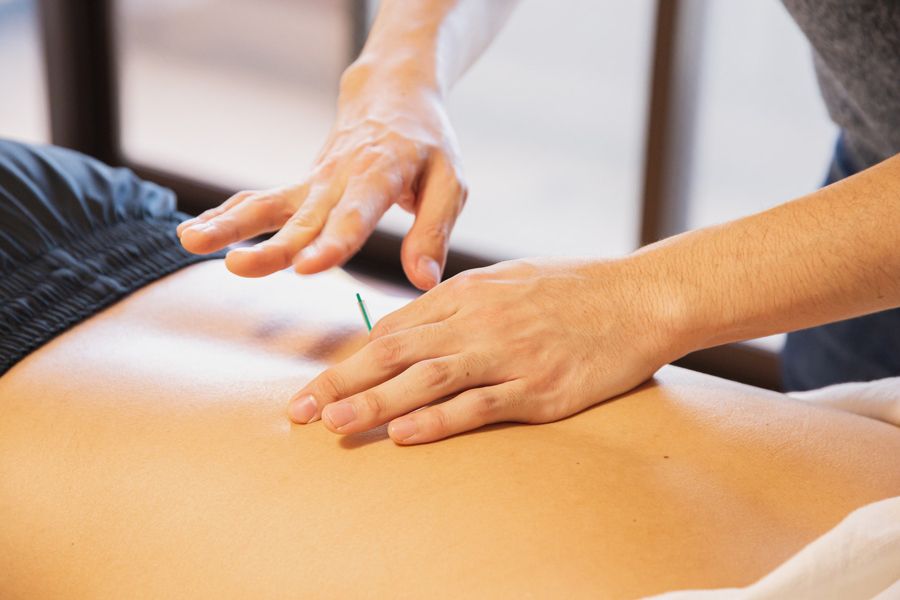
Depending on eating habits, lifestyle, state of mind, body type and how much weight you want to lose, the acupuncturist will make a diagnosis and set up an acupuncture protocol to help regulate appetite and support weight loss.
Fine, painless needles are placed on specific points of the body connected to organs by channels: the meridians. Depending on the patient's energetic state, the acupuncturist will then disperse or channel vital energy, which then circulates better through the body.
Here are a few acupuncture points used to help with weight loss:
- Ears: points ST7 (Stomach 7) and GB3 (Gallbladder 3), located near the tragus. They help control food cravings and reduce the pressure that builds up around the jaw.
- Lips: point GV26 (Governing Vessel 26), located above the upper lip, just below the nose. Activating it helps control hunger and calm the appetite.
- Arms: point LI11 (Large Intestine 11), on the inside of the elbow crease, near the outer edge. This point is directly linked to the large intestine and stimulates bowel function.
- Legs: point SP9 (Spleen-Pancreas 9), located 5 cm below the kneecap, in the upper part of the shinbone. It stimulates the proper functioning of the stomach and helps reduce water retention.
- Ankles: point KI6 (Kidney 6), located on the inside of the leg just above the ankle; this point strengthens the digestive system and stimulates its proper functioning, particularly in eliminating fats and lipids.
- Feet: point LR3 (Liver 3), on the top of the foot, between the bone of the big toe and the bone of the second toe. It is a major detoxification point that helps the Liver do its cleansing work.
Ears, upper lip, legs, forearms, ankles and so on: so many external points on our body that are stimulated to reach the internal organs and restore nervous and energetic connections.
By targeting the organs linked to the digestive system and the elimination of fats (Stomach, Liver, Kidneys, Spleen), acupuncture acts directly on our relationship with food and eases the causes and symptoms that drive us to overeat, such as stress, water retention, compulsive eating, constipation and so on.
Recent studies highlight the therapeutic effects of acupuncture in cases of obesity. According to this scientific research, acupuncture regulates levels of leptin, a hormone secreted in proportion to body fat that produces the feeling of fullness, and of adiponectin, a hormone involved, among other things, in regulating lipids and glucose in the body2. Bear in mind, however, that several acupuncture sessions are needed to have an effect on weight loss.
Draining and detoxifying herbs
With more than 3,200 types of plants, nearly 300 minerals, insects, sea creatures and animal extracts listed, and more than 400 preparations, the Chinese pharmacopoeia is one of the most important branches of Traditional Chinese Medicine.
Both preventive and curative, it is widely used in China and other Asian countries to treat and prevent illness.
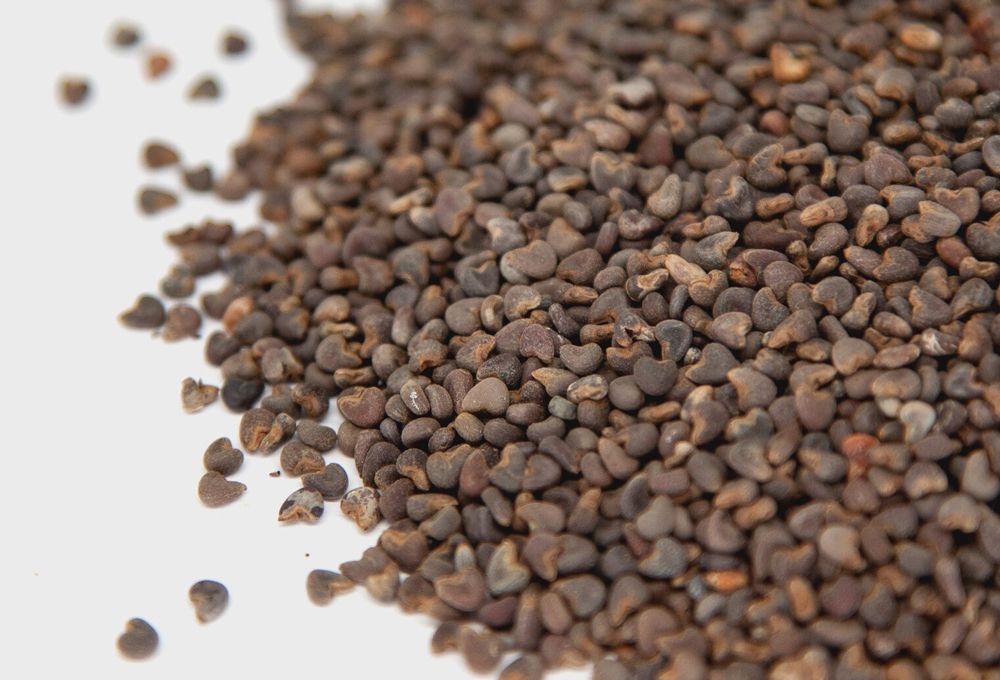
Chinese mallow, an ally in weight loss
Chinese medicinal plants are classified according to their flavour (pungent, bitter, sour, sweet, salty or astringent), their nature (cold, hot, neutral or warm), the energetic movement they generate (rising, descending, moving outwards, moving inwards) and the meridian associated with them. It is this set of characteristics that gives each of them powerful therapeutic actions.
According to a scientific study, consuming medicinal herbs leads to a reduced appetite followed by weight loss. The same research shows that medicinal plants traditionally consumed for their effect on weight contain flavonoids that are natural inhibitors of fatty acid synthase or FAS3, an enzyme responsible for synthesising fatty acids, which occurs when there is an energy surplus and energy is being stored.
Clearly, as part of a slimming programme, the Chinese pharmacopoeia is one of the most effective therapeutic resources for controlling appetite and body mass. The doctor will first make a diagnosis, taking into account both the patient's eating habits and emotional state (TCM recognises the strong link between Mind and body in the onset of ailments), then prescribe the herb or herbs that will accompany the patient in the weight-loss process.
Dong gua pi, Dong kui zi, He ye, Hai zao and guarana are the herbs most often used to act on eating imbalances. Each has its own action on the body:
Dong gua pi (Wax gourd peel)
This plant is known for its draining properties and cooling action.
- Clearing excess internal heat: Dong gua pi helps balance the body's energy, which is often thrown off by a feeling of excessive heat or discomfort.
- Gentle diuretic effect: it promotes the natural elimination of excess water, reducing feelings of swelling and heaviness.
- Draining and purifying: it supports the body's natural functions for getting rid of excesses and regaining a feeling of lightness.
- Helps with weight loss
- Drains excess water
Dong kui zi (Chinese mallow)
Chinese mallow acts mainly as a natural ally for transit and fluid balance.
- Easing transit: ideal for those with sluggish transit, Dong kui zi gently helps regulate intestinal comfort.
- Reducing water retention: its properties help eliminate accumulated excess water, relieving swelling.
- Digestive comfort: it soothes and supports optimal digestive well-being.
He ye (Lotus leaves)
Known for its draining and tonifying virtues, He ye is particularly valued as part of a slimming programme.
- Targeting fat: He ye helps break down and eliminate fat accumulated in the body.
- Supporting digestion: it strengthens digestive functions for better balance after meals.
- Purifying effect: it contributes to overall well-being by helping the body get rid of unnecessary excesses.
- Helps support a lighter silhouette
- Promotes the body’s natural drainage
- Supports healthy fat balance
Hai zao (Sargassum or brown seaweed)
Hai zao is a valuable asset for reducing localised fat and improving the appearance of the skin.
- Reducing fat: by supporting good circulation, this seaweed helps reduce fatty deposits under the skin.
- Soothing the tissues: its benefits help keep the skin supple and comfortable.
- Metabolism boost: Hai zao promotes optimal body function for more efficient energy management.
- Helps with weight loss
- Drains excess water
- Appetite suppressant
Guarana
Native to South America, guarana is known for its stimulating effects and its role in weight management.
- Speeding up the metabolism: thanks to its natural caffeine content, it increases energy expenditure, promoting more efficient calorie management.
- Support in the fight against excess weight: by stimulating the metabolism and limiting appetite, it supports efforts to reduce body mass.
- Lasting energy: guarana provides prolonged vitality, ideal for keeping up regular physical activity.
- Helps with weight loss
- Gives tonus to the body
You can also turn to medicinal formulas, herbal blends that are very effective thanks to their combined actions. The ingredients and dosage of a formula are not chosen at random but follow principles of composition and compatibility between the energetic characteristics of each herb. This increases their effectiveness and reduces side effects. Medicinal formulas are thus developed to adapt to the different causes and symptoms of weight gain.
Among the best known are:
- Wu ling san, the five-ingredient poria powder, is a classic formula that helps drain excess water (water retention). It promotes elimination through the kidneys and also contributes to the elimination of fat.
Wu ling san1 Bottle of 100 capsules - 50g
- Detoxifies the body
- Drains excess water
- Stimulates the eliminating functions
- Soothes heavy legs
31,90 €
- Jian fei wan is a formula that supports weight loss and the elimination of fat.
Slimming Formula - Jian fei wan1 Bottle of 100 capsules - 50g
- Helps with weight loss
- Soothes stress
- Soothes the mood
- Drains excess water
37,90 €
Boosting the metabolism, reducing stress, easing digestion or helping to eliminate toxins: consuming Chinese medicinal herbs as infusions, decoctions, macerations, capsules or powders has many beneficial effects on weight loss.
Adopting the rules of Chinese dietetics
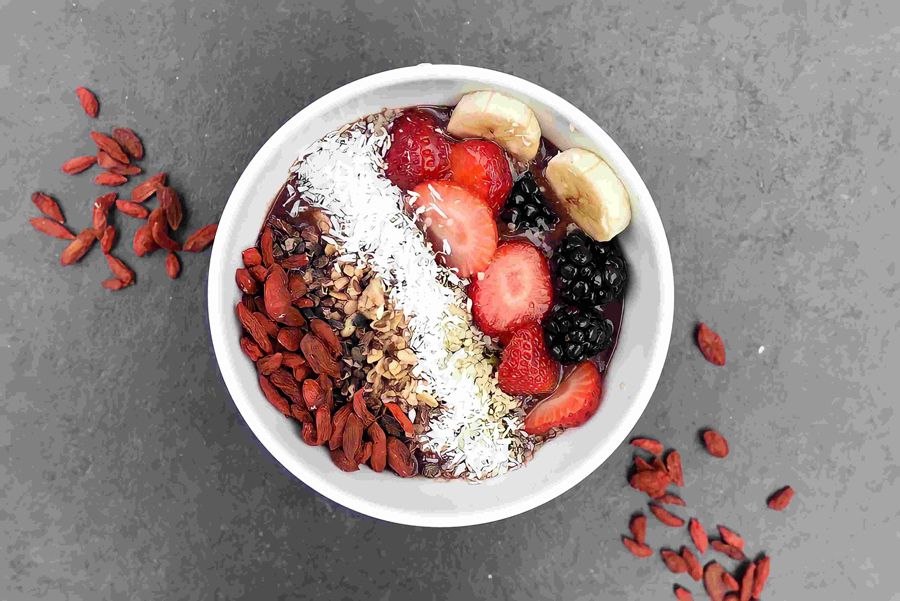
"Medicine and food share the same source". Chinese proverb.
Chinese dietetics is one of the essential therapeutic pillars of Traditional Chinese Medicine. It is a set of dietary principles that emphasises the strong link between food and medicine. Chinese dietetics is first and foremost preventive. It harmonises the natures and flavours of foods (the same principles as in the pharmacopoeia) so that the body benefits from all the nutrients it needs to function properly, thereby preventing disorders and promoting well-being, health and longevity.
It is also beneficial for health because what we eat is closely linked to our state of health. If our diet is unbalanced, long-term problems and disorders can arise, notably excess weight, which according to Chinese medicine is mainly a sign of an imbalance between Yin and Yang. It then becomes necessary to turn to Chinese diet therapy (dietetics according to Chinese medicine), a therapeutic tool of choice in Chinese medicine's arsenal.
The foods we eat are also classified according to their nature, from the hottest to the coldest: hot, warm, cool and cold, and according to their flavours: sour/astringent, bitter, sweet, pungent and salty. The nature of foods helps adapt the body to climatic conditions and rebalance internal disorders linked to cold and heat.
Flavours, for their part, correspond to movements and are associated with an organ on which they act more specifically. The sour flavour is associated with the Liver, the bitter flavour with the Heart, the sweet flavour with the Spleen, the pungent flavour with the Lung and the salty flavour with the Kidneys. Each flavour, in reasonable quantities, can tonify the organ associated with it.
Dietary rebalancing is calibrated case by case by the doctor. They will take into account the patient's terrain (age, emotional state, physical constitution, where the excess weight is on the body, state of health, etc.) and suggest a suitable diet.
In general, in cases of excess weight, Chinese dietetics recommends a varied, mainly vegetarian diet based on grains, pulses, vegetables and fruit, limiting meat, dairy products, very sugary drinks and fried foods. It advises eating slowly and in moderation at regular times (eating more in the middle of the day when the metabolism is at its strongest), and varying foods and above all choosing them according to the seasons.
These recommendations are above all universal, and by following these common-sense rules, you have every chance of losing weight and staying healthy.
Tui Na to rebalance Qi
This is a manual energy massage that is one of the 5 branches of Traditional Chinese Medicine, based on harmonising Qi. Tui means "push" and na means "grasp to control". Practised for more than 3,000 years, Tui Na moves energy and Blood through the body and rebalances Qi.
There are more than thirty fundamental manipulations (rolling, digital pressure or acupressure, the Nei Gung method, Zhenfa and so on), which require an excellent knowledge of the human body. The practitioner then uses fingers, hands, fists or elbows to perform the massage techniques as needed.
Combining strength and gentleness, Tui Na relieves stress by restoring good blood circulation. Drainage and the elimination of toxins are encouraged, and the skin becomes firmer and the figure slimmer.
Sessions last about thirty minutes to an hour. For convincing results, allow around 6 to 10 sessions, together with dietary rebalancing and regular physical activity.
Qi Gong and Tai Chi: exercise and meditation combined
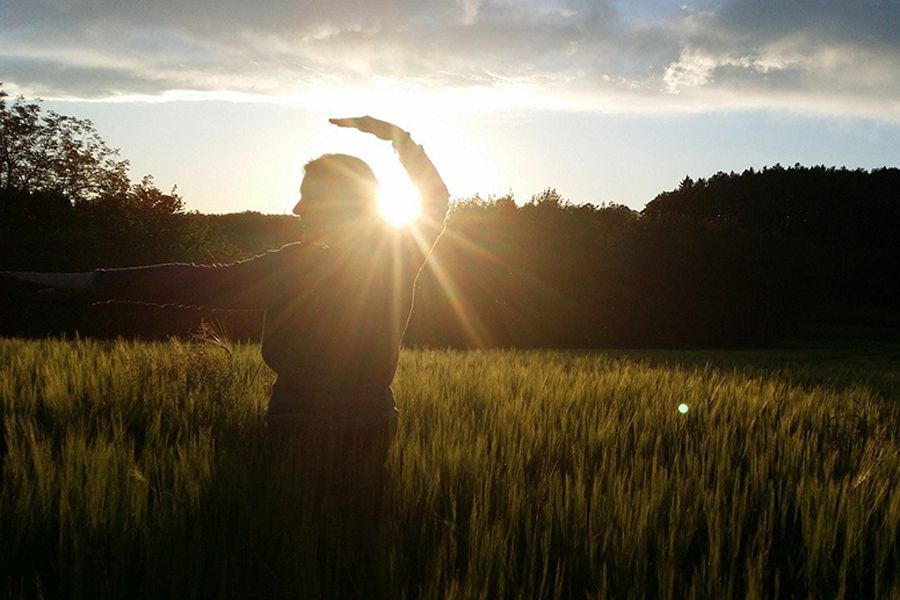
The first links static postures (holding the pose) and dynamic movements (learning the gestures) to get Qi flowing, and the second is an internal martial art. Both aim for harmony of body and Mind. They awaken awareness and activate the individual's self-defence mechanisms.
Qi gong exercises are a form of meditation in motion that promotes harmony of body, breath and awareness. They can be practised sitting, standing or lying on a mat. A session lasts between 45 minutes and an hour, and the relaxing effect, both physical and mental, can be felt from the very first session.
Tai chi is a so-called "internal" Chinese martial art. Always practised standing, its sequences of movements are supple, fluid and slow, working on the body's power, flexibility and vitality.
By detecting blockages and boosting the metabolism, practising these two energy exercises improves respiratory, digestive and cardiovascular functions. They combine sport and relaxation, ideal for gentle, long-term weight loss.
Chinese medicine takes a holistic approach to weight problems: energetic, emotional, organic and dietary. Its tools influence our appetite, calm states of stress, improve sleep and strengthen the organs linked to digestion. So don't hesitate to consult a practitioner for personalised, effective solutions.