
Stress is often nicknamed "the ailment of the century", so many of us suffer from it. According to a survey, 1 in 5 French people (19% of the population) feel stressed almost all the time1.
Contrary to popular belief, stress is not an emotion. It is actually a physical and physiological reaction of the body that occurs when it is put under pressure. When we are stressed, our peace of mind is disturbed and our emotions are raw.
When it recurs, stress weighs heavily on our mind and puts our health at risk. That is why health professionals strongly recommend treating the source of these reactions to avoid their consequences on our well-being. What does traditional Chinese medicine say about stress, and what solutions does it offer to combat it?
Stress in traditional Chinese medicine

In traditional Chinese medicine, body and mind are inextricably linked. Indeed, among the causes of disease in TCM, we find the emotions, defined as one of the main "internal" causes.
Stress therefore has heavy repercussions on health: it can lead to sleep disorders, high blood pressure, concentration problems, digestive troubles, emotional instability and a lack of sexual desire, as well as encouraging the appearance of white hair.
TCM (Traditional Chinese Medicine) holds that: "Where the mind goes, energy follows". Stress is thus the result of a disruption in the circulation of Qi (vital energy). It affects the Liver (which explains why stress affects emotional balance) and drains the energy of the Kidney. Chinese energetics essentially distinguishes two types of stress2:
Yin stress
It arises from an accumulation of stressful events (everyday pressure, stress at work, arguments, responsibilities) which, over time, cause mental tension. This type of stress is insidious and repetitive, and it can seriously harm our mental health when it persists.
Yin stress can also stem from addictions (to tobacco, alcohol or drugs) or an unbalanced diet (excess or malnutrition). It mainly affects the energy of the Heart.
Yang stress
Yang stress is the body's immediate reaction to a stressful situation and generally results from an event that happens abruptly (an accident, a divorce, a death, serious or unexpected news, a break-up, etc.).
It can lead to either a state of excitement or of panic, and it can cause a period of dejection that may bring on dizziness, loss of appetite or even depression.
Chinese medicine's solutions to stress
Medicinal plants as a natural alternative
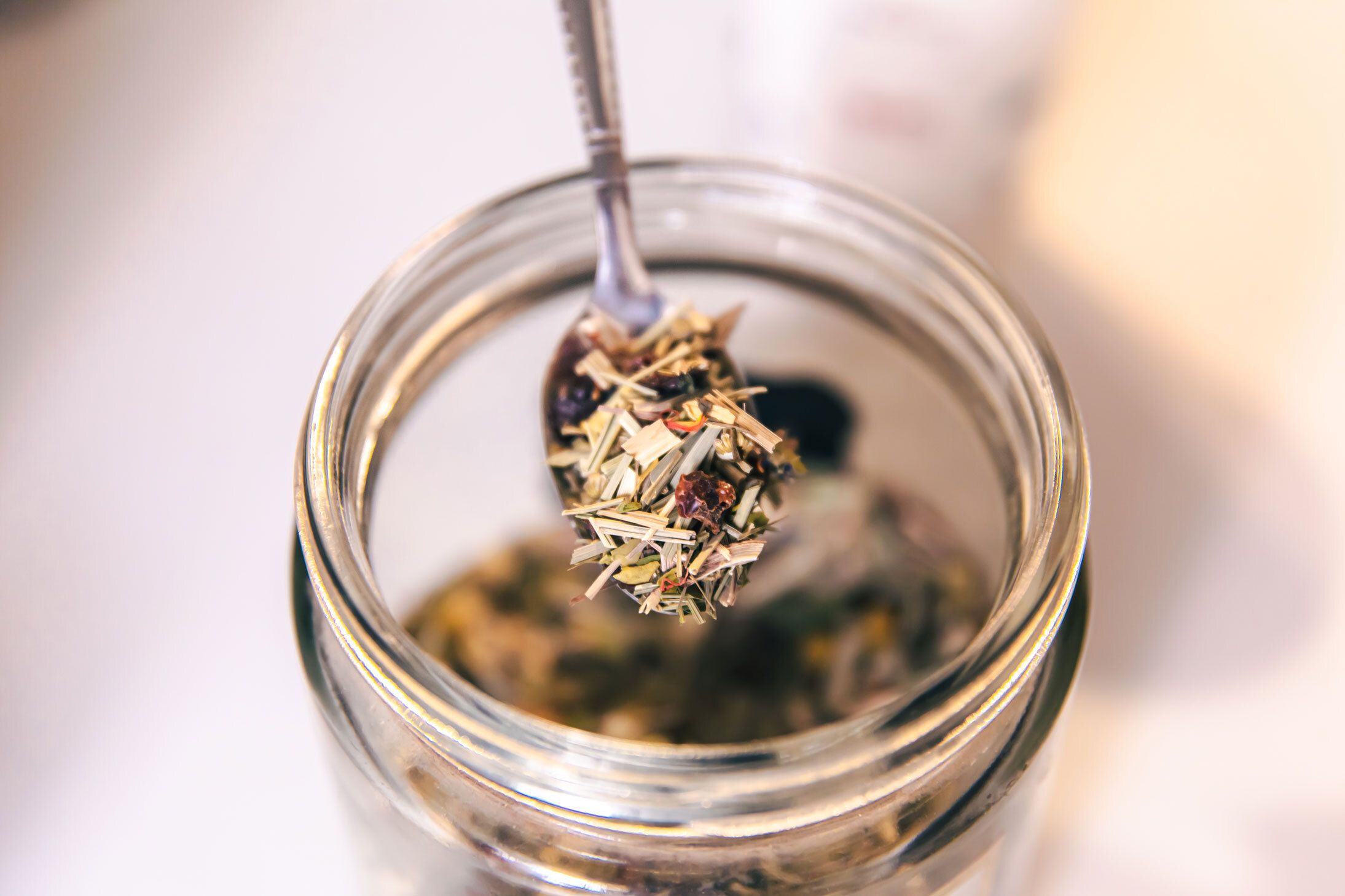
Turning to natural remedies is a healthy way to regain inner harmony. Indeed, much research carried out over the years has proven the effectiveness of certain plants listed in the Chinese pharmacopoeia on stress and anxiety3.
Here is a selection of plants and formulas widely reputed in Chinese medicine for regaining tranquillity and encouraging the relaxation of body and mind:
-
Chai hu – Bupleurum root: native to Asia, Chai hu is a very popular plant. Its roots are recommended to restore Liver Qi, which is responsible for emotional health in Chinese medicine. It thus works to restore emotional harmony and soothe stress.
-
Xiao Yao San: Known for its soothing properties, this formula of 8 Chinese plants acts on the energy of the Liver so as to calm the mind, improve mood and reduce stress.
Studies have confirmed the effectiveness of Xiao Yao San against emotional instability. Its effects on stress have also been the subject of much research, which has revealed the formula's remarkable potential4. The results have also shown that using it in combination with antidepressants increases the effectiveness of treatment for depressive disorders.
- Mei gui hua – Rose buds: rose buds are prized for their pleasant scent and their relaxing properties. The Chinese pharmacopoeia recommends Mei gui hua to calm the Shen (the Mind) so as to relieve stress and nervous states.
Eating well to overcome stress
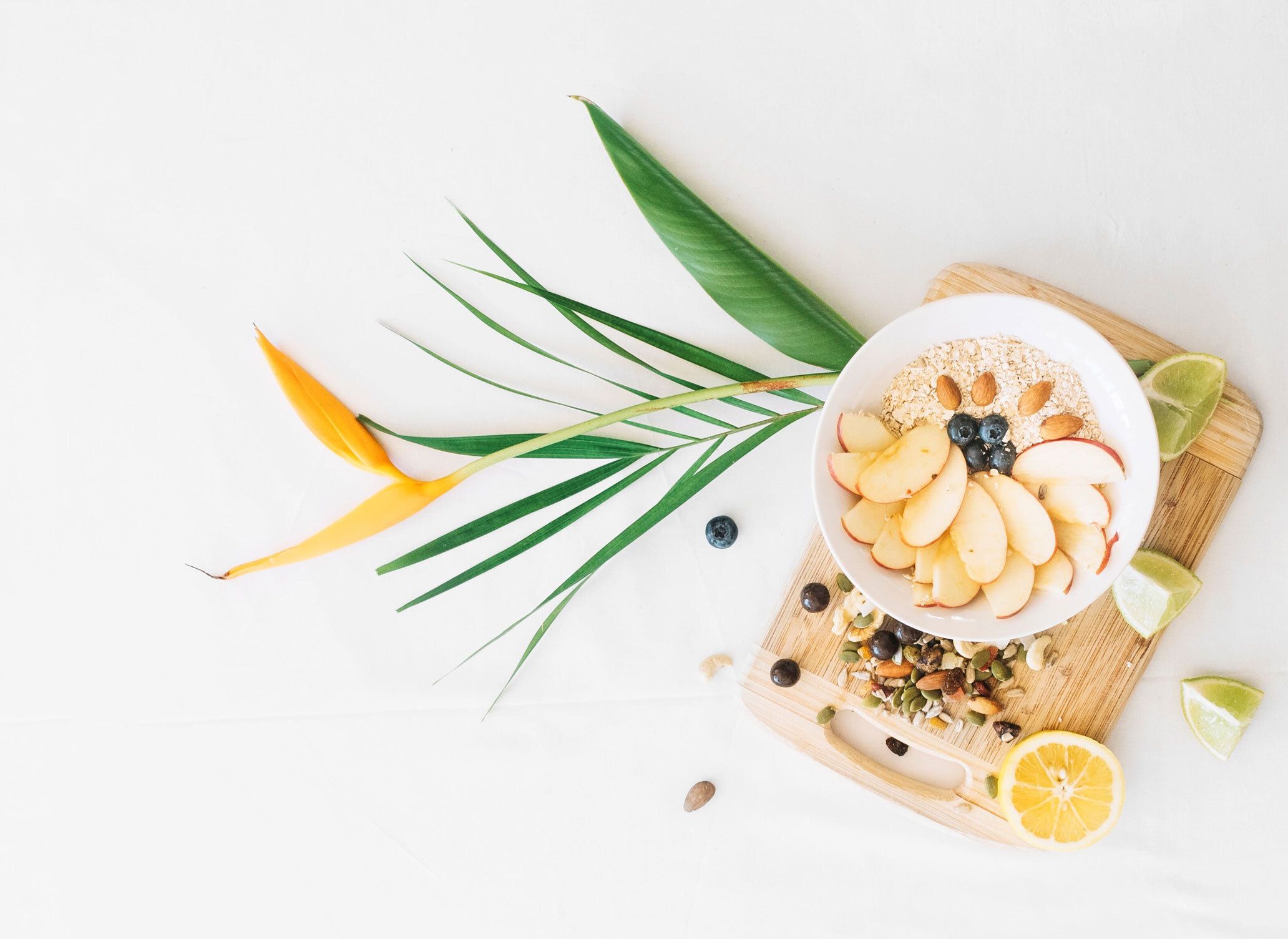
Our lifestyle and diet have a colossal impact on our health (especially our mental health) and on our brain. In case of stress, Chinese dietetics suggests adopting a light, balanced diet:
-
If the stress is of the Yin type, it is advisable to turn to foods with a salty and sour flavour. These flavours tonify the Kidneys and the Liver. So favour oysters, prawns, lemon or mandarin to prevent and soothe stress.
-
If the stress is of the Yang type, Chinese dietetics recommends turning instead to foods with a bitter flavour, as it helps to rebalance heart Qi. Choose foods such as chocolate, asparagus or artichoke, and favour tea and verbena infusions.
Moxibustion combined with acupuncture
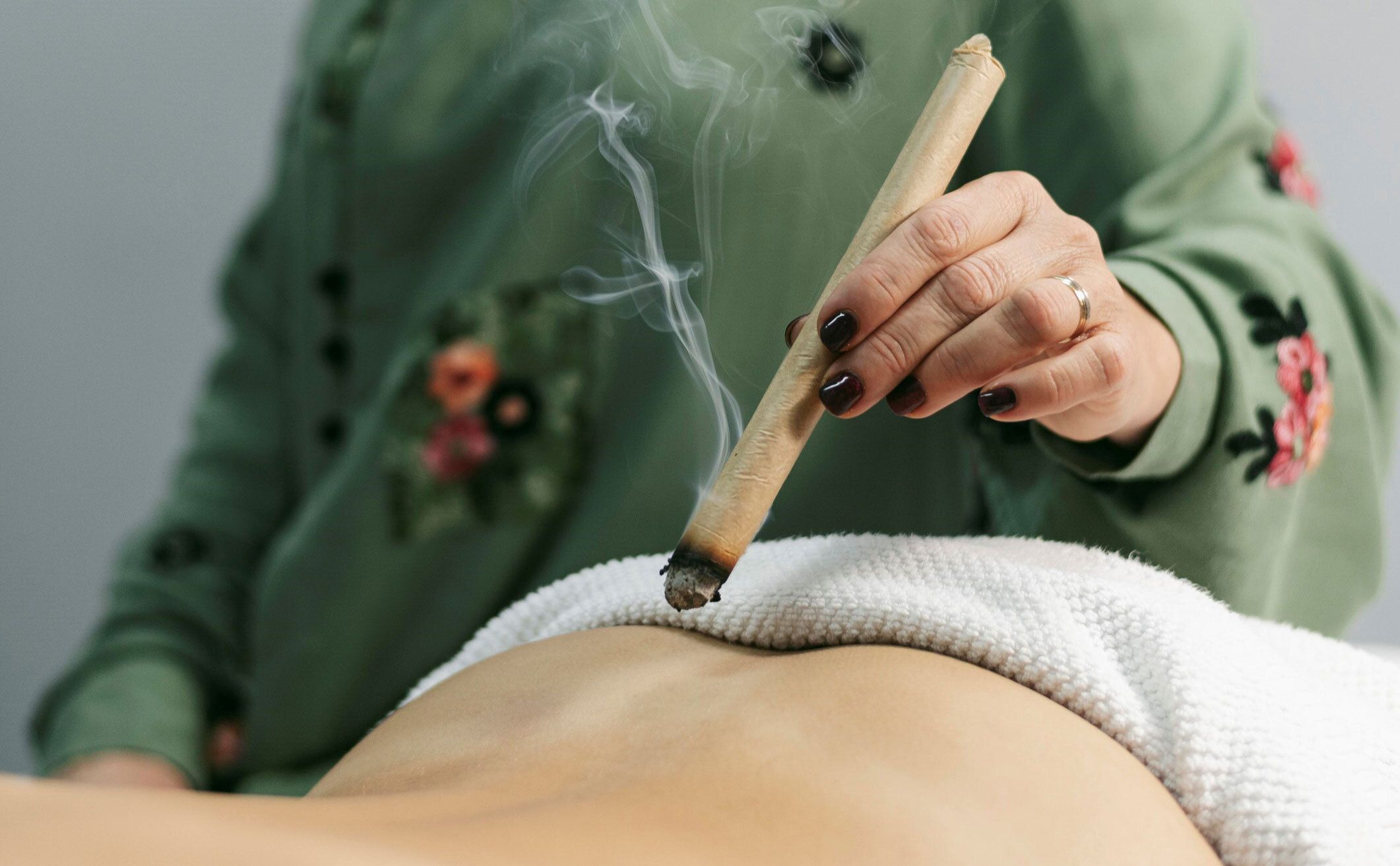
Chinese medicine has shown the world many ways to find inner calm and ease tension. Among them is acupuncture, reputed for its relaxing effect on the body, but also moxibustion. This technique from TCM helps to rebalance the flow of energy thanks to moxas (sticks made of Ai ye) that warm certain acupuncture points in order to undo blockages.
Moxibustion sessions help to reduce stress and allow deep relaxation, generally followed by a sense of well-being. Combined with acupuncture, moxibustion relaxes the body and helps to overcome stress and anxiety. Among the points usually stimulated, we find:
-
ST36, which regulates blood and Qi, relieves fatigue and helps you regain your calm.
-
PC6, which restores Heart Qi to soothe stress accompanied by sadness, anxiety and palpitations.
-
CV12, known for its anxiolytic effect: it stimulates Stomach Qi and helps with managing stress and harmonising the emotions.

"To hold on, you must first open your hand. Let go." Lao Tzu
Stress is an immense weight that bears down on our well-being and is hard to get rid of. When we feel stressed, worry, fear and frustration overwhelm us. When these feelings last over time and stress eats away at our daily lives, we feel unfairly deprived of our joy, our energy and our serenity.
To stop stress from getting the better of our well-being, we need to let go. Let's stop wanting to control everything. Letting go teaches us to detach ourselves from stressful situations and to free ourselves from stress and all the negative emotions it creates (fear, anger, sadness, etc.).
So focus on yourself: take care of your mental health and your energy, and cultivate a positive view of yourself. Leave regrets, remorse and guilt aside. Steer clear of stressful situations, put your peace of mind first and then, if stress appears, let medicinal plants do the work!


