
The onset of periods at puberty is a natural phenomenon that reflects the female body's ability to carry a child. Seen as the event that marks the transition to adulthood for young teenage girls, a girl's first period is a sacred moment that is even joyfully celebrated in some cultures around the world. However, the reality some women live through is far from a celebration.
Many women experience discomfort, cramps and pain before and during their periods. According to a study carried out in 2005, 50 to 70% of teenage girls have dysmenorrhoea, permanently or occasionally, and 15 to 20% of them have to limit their activity during their periods or even stay in bed1. One question remains: what actually causes period pain? And are there solutions for living through your periods more comfortably?
What symptoms are associated with menstruation?
Painful periods are among the most common gynaecological disorders in women. Similar to cramps, the pain generally starts a few days before or at the beginning of the menstrual period and lasts two or three days. It is located in the lower abdomen and can spread to the lower back, hips and legs. In most cases this pain is moderate, but in some women it can be very intense or even unbearable and cause nausea, headaches, faintness, diarrhoea or constipation.
Sometimes these symptoms point to a more serious gynaecological disorder such as endometriosis, uterine leiomyoma or uterine adenomyosis (a benign growth resembling endometriosis located in the muscular wall of the uterus). In that case, it is advisable to see a health professional to identify the underlying cause and consider an appropriate solution.
By the way, is it normal to be in pain?
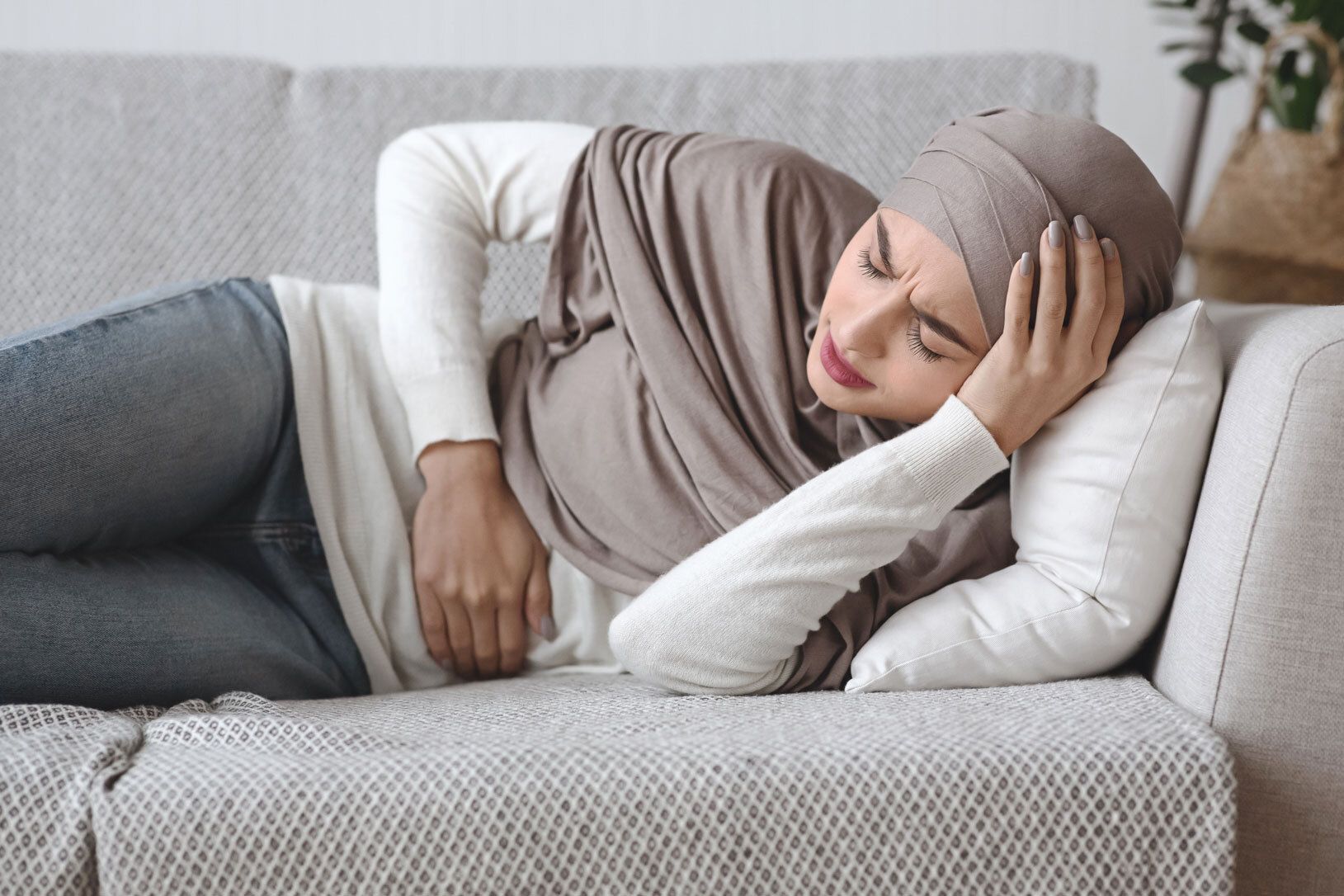
While painful periods are very common and normalised in today's society, this has not always been the case. For centuries, menstruation was seen as a very joyful stage in a young girl's life, a sign of good health and fertility. When teenage girls had their first period they were celebrated and pampered, and nobody associated the menstrual cycle with something painful and hard to live with…
So many health professionals struggle to answer this question, which is nevertheless simple: is period pain normal? Well, here is the answer: while discomforts (disrupted transit, tender breasts, aches, heavy legs…) are entirely normal and unfortunately unavoidable, intense, prolonged and debilitating pain points to a more serious problem.
Some pain can be explained scientifically: pain in the lower abdomen or lower back before a period is linked to contractions of the uterus. During ovulation, under the effect of high hormone levels, a thick uterine lining forms in the endometrium (the tissue lining the inner wall of the uterus) in preparation for receiving a fertilised egg. When there is no fertilisation, this lining is shed by the body: this is the start of the period and the start of the next cycle.
The abdominal pain some women experience during this phase of the menstrual cycle is explained by an overproduction of prostaglandins of the PGE2 and PGF2 type, substances secreted by the body that trigger contractions. These substances also act on muscles other than the uterus, which explains the other problems that can occur, such as nausea, vomiting, headaches and so on.
To sum up, to know whether the pain you feel is normal or not, you need to “measure” its intensity: occasional pain and discomfort are entirely ordinary, whereas debilitating, unbearable pain that cannot be relieved, even after taking a painkiller, is abnormal.
How does the menstrual cycle work in TCM?
In addition to the physiological aspect, Chinese medicine takes into account the “energetic” aspect of the menstrual cycle, which involves the balance of both Yin/Yang and Qi/Blood, and the direct link with the functioning of organs such as the Spleen, the Liver, the Kidneys and the Heart.
In TCM, the uterus (or Bao gong in Chinese, literally the “palace of the child”) is the system that governs periods, reproduction and pregnancy. It refers not only to the uterus but to the female reproductive system as a whole (fallopian tubes, ovaries…). To function properly, the uterus must be abundantly supplied with blood.
Blood and vital Energy go hand in hand. Blood nourishes Qi, and Qi makes Blood and ensures that it circulates properly in the body. These elements are therefore essential to the smooth running of the menstrual cycle. In TCM, the cycle is made up of three phases:
Phase 1: this is the phase of creating substance, corresponding to Yin energy. The uterine lining builds up. Phase 2: Yin energy reaches its peak and transforms into Yang. Body temperature rises noticeably. This is ovulation. Phase 3: Qi and Blood are at their peak. Yang warms the uterus while it awaits fertilisation. When there is no fertilisation, the period arrives.
What causes painful periods in traditional Chinese medicine?
Each phase can cause dysfunctions and problems. Yin can be insufficient and cause cramps, migraine and restless sleep. When Yang is deficient, blood stasis can appear and lead to fatigue, low mood, water retention and a pale complexion. When Qi stagnation and Blood stasis occur, you will notice signs such as stomach ache and irritability.
What does it suggest to relieve period pain?
Plants that relieve period pain
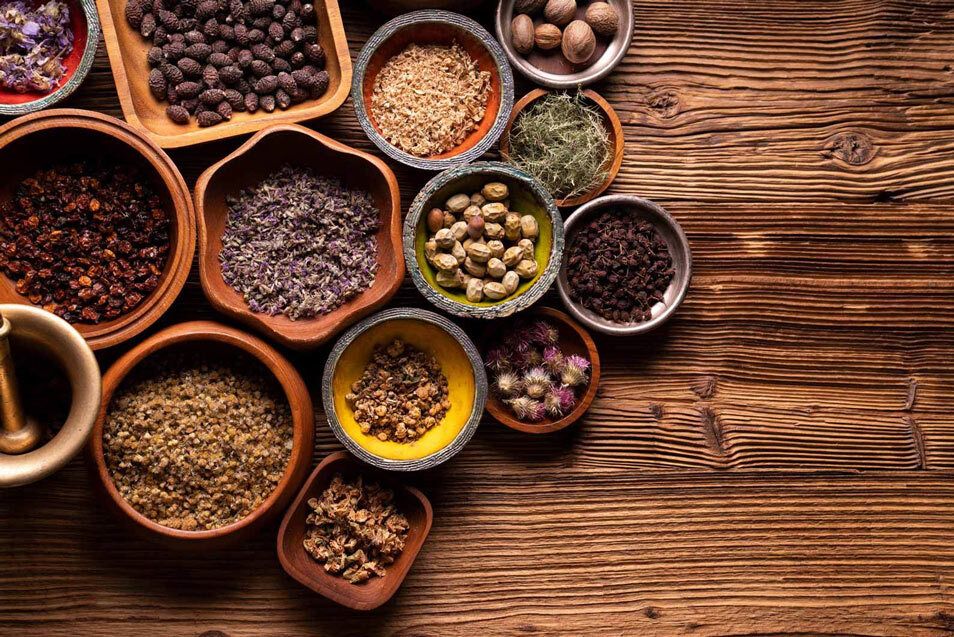
In China, plants from the Chinese pharmacopoeia have been used as a remedy for period pain for centuries. Among the most famous are:
-
Wu Yao (Lindera root) is a plant used in Asian tradition to combat stomach ache and relieve period pain.
-
Yi Mu Cao (Motherwort), which means “the herb that is good for mothers” in Chinese. Reputed above all for helping to clear stasis after periods and easing post-menstrual recovery, it also has a purifying action on the female reproductive system.
-
Dang gui (Chinese angelica), nicknamed female ginseng, is probably the most famous of them all. A powerful blood tonic, it stimulates blood circulation so as to regulate the cycle and relieve pain caused by stasis. In addition, it improves recovery after periods.
-
Da zao (Jujube): In China, it is very common to see women eating jujube during their periods. Nicknamed the “Chinese date”, it is a powerful tonic for Qi and Blood: it stimulates blood circulation, soothes period pain and gives an energy boost after the period.
Over the centuries, the pharmacopoeia has also developed medicinal formulas and herbal teas with incredible virtues for the body. Among the most appreciated is the Tong Jing Wan formula (Menstrual Comfort Formula), which regulates Qi and encourages blood circulation. Its comprehensive action soothes the symptoms associated with menstruation (fatigue, irritability, headaches, pain, abdominal swelling, nausea...).
The Tong jing zhi tong tang (Painful Periods Herbal Tea) is made from three plants (Yi mu cao, Wu yao and Xiang fu) well known for their benefits for the gynaecological sphere. Thanks to the synergy of its ingredients, this herbal tea effectively soothes cramps, calms abdominal pain and regulates the cycle.
Acupuncture sessions to feel well again
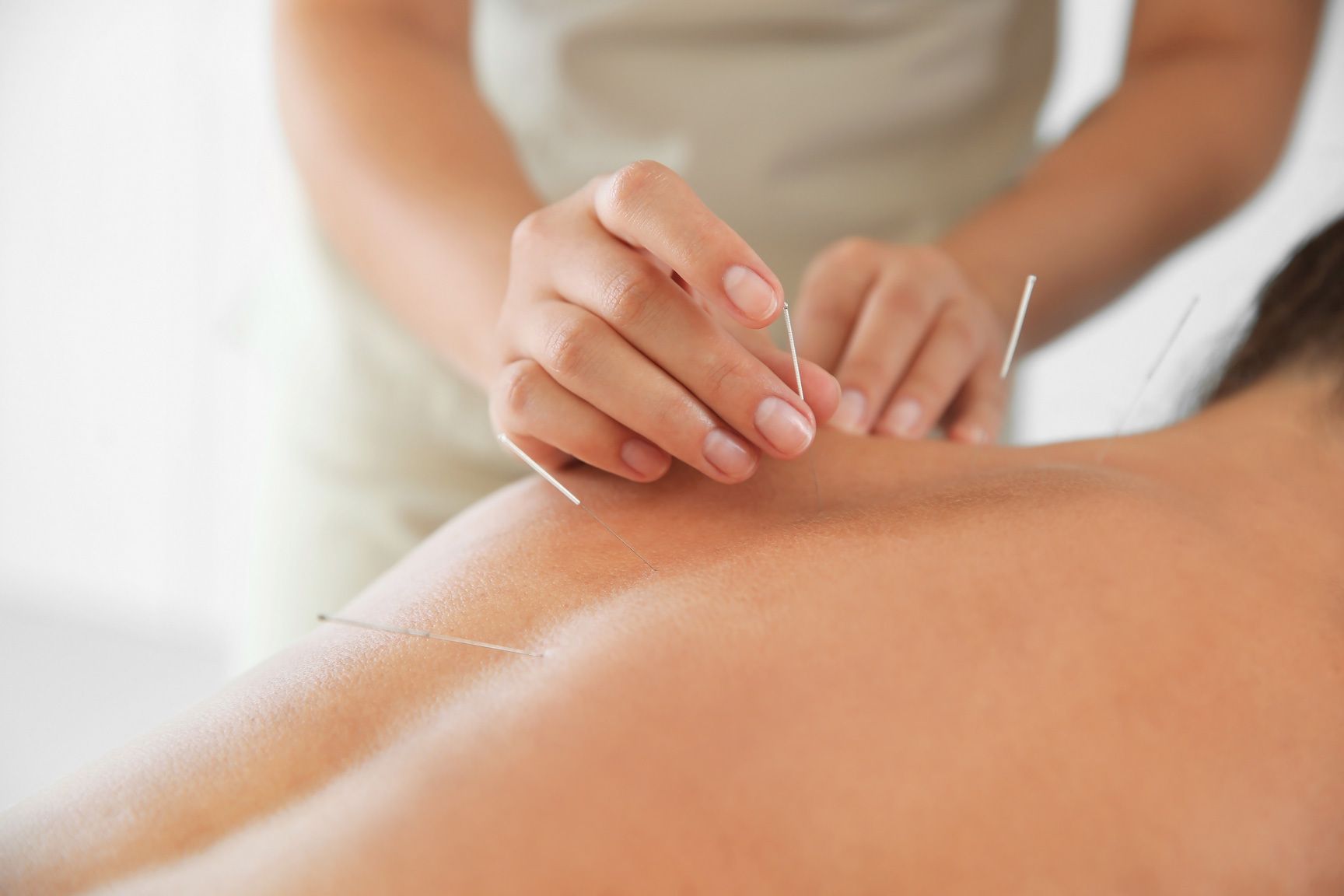
Numerous studies have been carried out to assess the effectiveness of acupuncture sessions on period-related problems, and they have all reached the same result: it is an effective approach that should not be overlooked 2. By describing the pain precisely, when it appears, how long it lasts and where it is located, you enable the acupuncturist to carry out an energy assessment and set up a personalised treatment.
The aim of acupuncture sessions is to treat the energy problem at its source in order to put an end to the discomfort. They consist of regulating the flow of vital energy circulating in the meridians so as to undo any blockages. By rebalancing Qi, Yin and Yang, and blood flow, the acupuncturist will overcome the symptoms of premenstrual syndrome and allow the patient to live through her cycle with complete serenity.
What if eating well could help too?
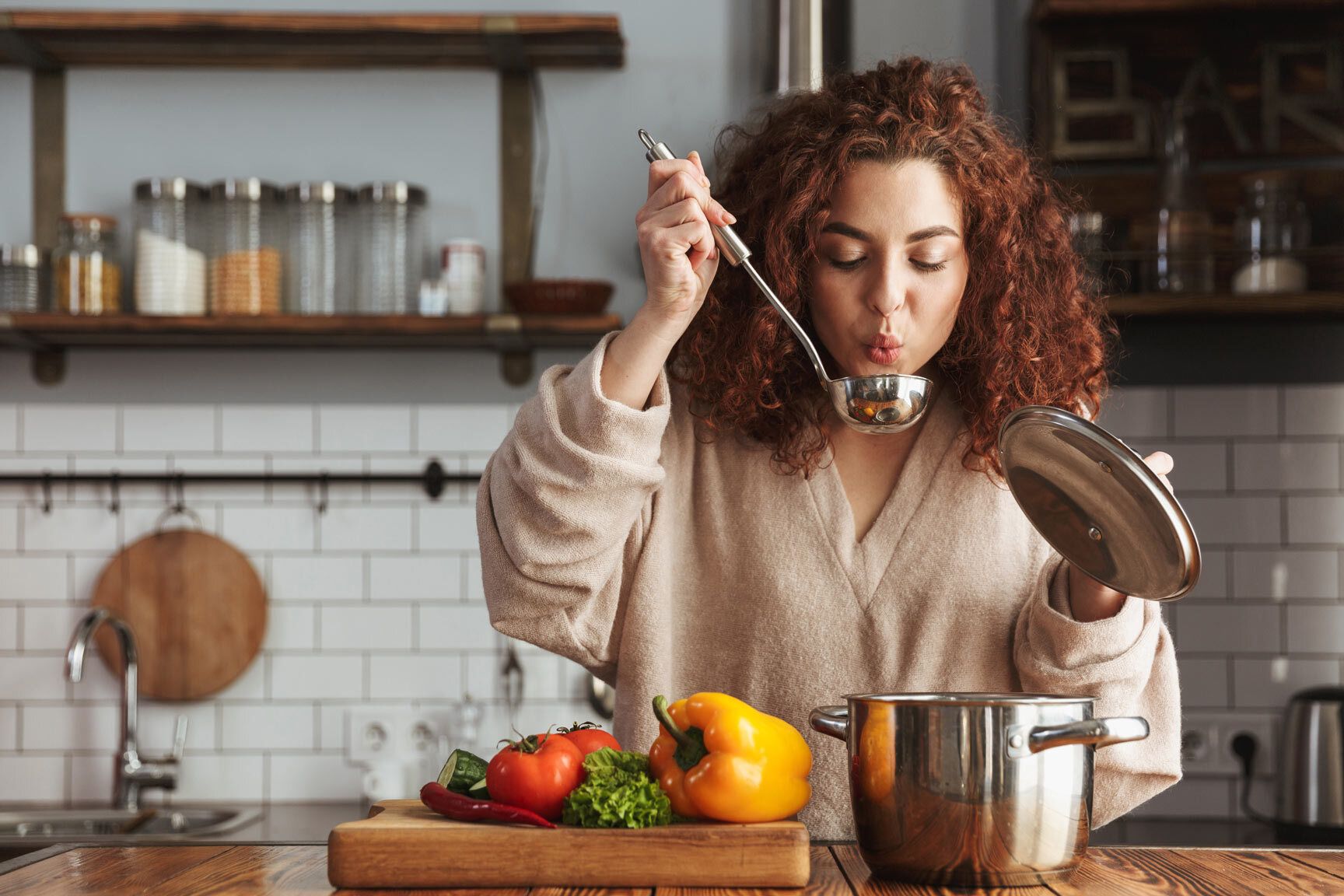
Chinese dietetics is one of the treatment branches that make up traditional Chinese medicine. It considers that foods also have therapeutic power over ailments. So it is possible to relieve your period pain simply by adapting your diet! Once the origin of the problem has been identified, it gives advice on the behaviour to adopt and the foods to eat to overcome it.
For women who experience breast tenderness and stomach pain before their period, or irritability and dark bleeding, the aim will be to mobilise Qi and activate Blood. It therefore advises eating lightly without skipping meals, and favouring foods with a neutral, warm or cool nature and a sweet or pungent flavour.
Women who feel pain during their periods, have an irregular cycle and a scant flow will be advised to warm the uterus. In this case, choose long, intense cooking methods, foods with a neutral, warm or hot nature and those with a sweet or pungent flavour.
To relieve this type of problem, add leek, saffron, peach, peanuts or black fungus to your dishes, avoid cold and raw foods and take the time to savour each meal.
For pain that comes on just before the end of the period or afterwards, and scant, very pale flows accompanied by a heavy feeling of weakness and fatigue, TCM recommends tonifying Qi and nourishing Blood. To do this, it suggests eating lightly, limiting meat, preferring steaming, and choosing foods with a neutral or warm nature and a sweet, tonifying flavour. Foods such as chicken, lamb, oats, quinoa and chestnuts, for example, will help you tonify your Qi and revitalise your Blood3.

So, as you will have understood, painful and debilitating periods are not normal. It is fundamental to deconstruct this widely held idea, for several reasons: first, to free women in pain from guilt, and then to alert them about their health and encourage them to see a professional when it seems important.
Menstruation is natural and accompanies women for a large part of their lives. Discomforts warn us that it is coming and are entirely common, even if they can be inconvenient. On the other hand, menstruation that brings unbearable period pain generally points to an energy imbalance or, in the most serious cases, an underlying illness. Let Chinese medicine take care of your well-being and trust the resources of nature to relieve your pain and regain your serenity.


