- Why does the body gain (and keep) weight after the festive season?
- 1. Overloaded digestion that no longer assimilates properly
- 2. The key role of the Liver: emotions, excess and storage
- 3. Post-festive weight gain: not just fat
- Why does wanting to "go too fast" often make weight loss harder?
- The TCM approach after the festive season: rebalance first, then lighten
- Ease digestion
- Calm body and mind
- Accept gradual weight loss
- When does the weight start to shift?
- To go further


Between meals shared with family or friends, less physical activity and the natural desire to enjoy yourself without holding back, habits change.
We tell ourselves we'll get back on track afterwards.
But once the festive season is over, despite a serious effort or simply a return to a more sensible diet, the number on the scales keeps going up ... or refuses to come down.
And one question keeps coming back: "Why is it so hard to lose these festive kilos, even when I'm already being careful?"
Why does the body gain (and keep) weight after the festive season?
After the festive season, many people have the same impression: the weight went up quickly, but then seems to settle in.
From the point of view of Traditional Chinese Medicine, there is nothing abnormal about this. It reflects neither a lack of willpower nor a "broken metabolism". It is often the result of a temporary imbalance linked to repeated excess over a short period.
1. Overloaded digestion that no longer assimilates properly
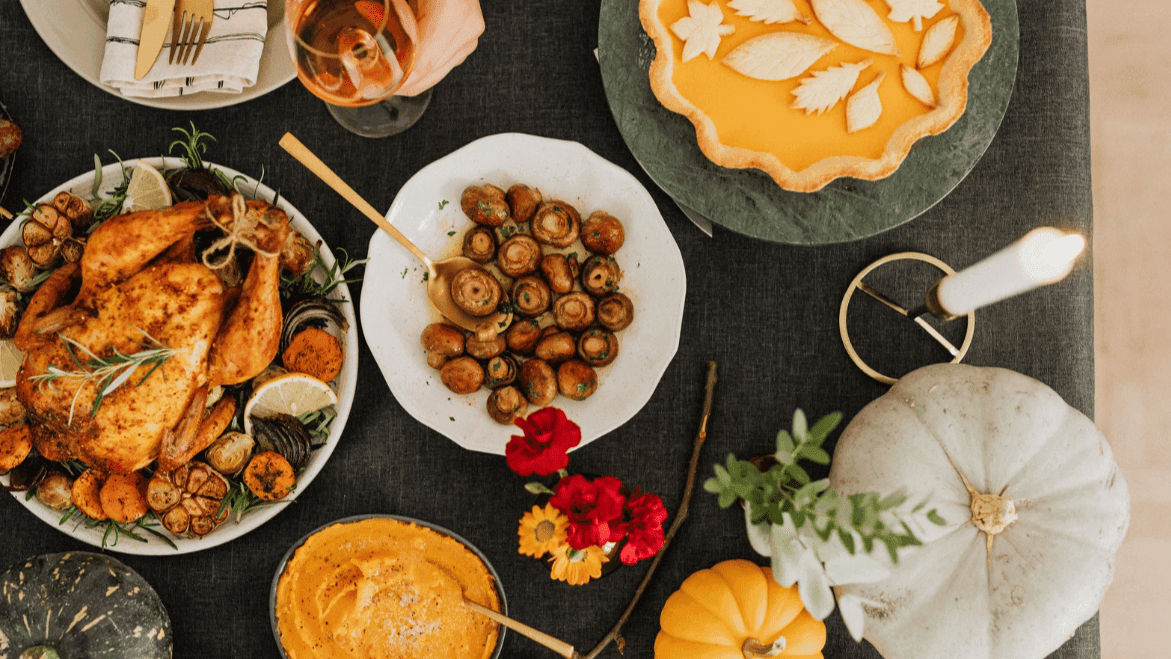
During the festive season, eating habits change profoundly: richer, fattier, sweeter meals, often eaten later.
In TCM, digestion relies on the Spleen and Stomach, whose main function is to transform food into usable energy. When these organs are overworked, this capacity for transformation decreases.
The result: food is less well assimilated, digestion slows down, and the body struggles to draw efficient energy from what we eat.
In other words, eating less after the festive season is not always enough: the digestive system first needs to regain its ability to function normally.
2. The key role of the Liver: emotions, excess and storage
The festive season is not just about food.
It often comes with fatigue, lack of sleep, alcohol and a certain emotional letting go.
In Chinese medicine, the Liver plays a central role in the circulation of energy and in regulating excess. When the Liver is disrupted by stress, alcohol, heavy meals or lack of rest, circulation slows down.
This stagnation leads to:
- slower digestion
- stronger food cravings
- the body storing more easily
That is why, after the festive season, many people feel all at once:
- difficulty losing weight
- persistent fatigue
- a feeling of being "blocked" in the body
3. Post-festive weight gain: not just fat
Another essential point, often a source of worry: the kilos gained after the festive season don't always correspond to pure fat gain.
In many cases, they are also due to:
- water retention, linked to slower elimination
- accumulation of "Dampness", a sign of digestive and metabolic imbalance
- mild inflammation, a consequence of repeated excess sugar, fat and alcohol
This explains why the body can look more bloated and feel heavier, and why dietary changes don't always have an immediate effect on the scales.
Why does wanting to "go too fast" often make weight loss harder?
Faced with this situation, the reflex is often to want to compensate quickly: drastically cutting portions, intensive exercise, strict control.
Yet from a TCM point of view, forcing a body that is already weakened or overloaded can have the opposite effect to the one intended.
When the body feels attacked or deprived, it slows down even more, holds on to its reserves, and weight loss becomes harder.
After the festive season, the priority is therefore not to "burn", but to regenerate and restart.
The TCM approach after the festive season: rebalance first, then lighten

Rather than talking straight away about weight loss, TCM offers another, more gradual logic.
Ease digestion
- Keep meals simple
- Favour warm, cooked, easy-to-digest foods
- Avoid too much sugar, alcohol and fat for a while
When digestion flows smoothly again, the body naturally starts eliminating again.
Calm body and mind
Sleep, stress management and rest play a key role after the festive season.
A tired body tries to store, not to lose.
Getting more restorative sleep and reducing inner tension allows the metabolism to work more harmoniously.
Accept gradual weight loss
In this phase, weight loss is not immediate, but it is lasting.
When the blockages lift, the body no longer needs to protect itself.
The kilos gained over the festive season can then fade away, without a constant struggle.
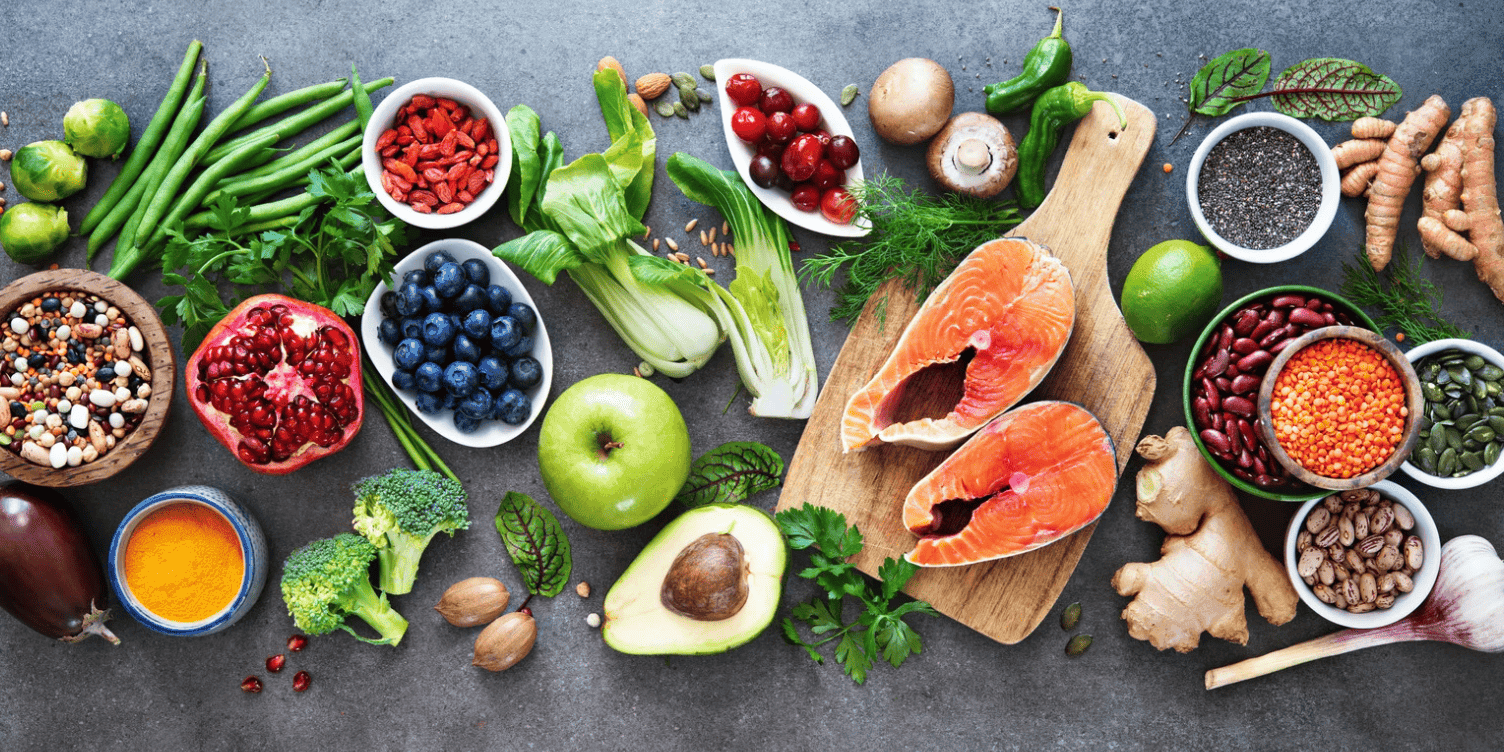
In this gradual approach, some people feel the need to support their body with simple gestures that are easy to fit into daily life.
To support this digestive and metabolic rebalancing, some choose to add targeted plant-based support: not as a slimming product, but as gentle support during this transition phase.
One example is SuperGreen Figure & Skin, made with barley grass and ashitaba (Angelica keiskei), valued for its action on digestion, the natural regulation of fats and skin radiance, with no stimulants.

Depending on your needs, there are of course different types of supergreens, designed to support other imbalances common after the festive season: fatigue, energy dips, sugar balance, oxidative stress...
When does the weight start to shift?

It's a legitimate question. And the answer is often reassuring: when the body feels safe again.
When digestion works better, energy flows more freely and sleep improves, weight usually starts to come down, sometimes without any further drastic changes.
After the festive season, weight gain is neither inevitable nor a lack of discipline.
It often reflects an overloaded body that needs to be supported rather than constrained.
By rebalancing digestion, soothing the Liver and giving the body time to recover its natural functions, weight loss can become smoother, calmer and more lasting.
To go further
To understand in more depth how Chinese medicine approaches long-term weight loss (through diet, herbs, energetic support and body treatments), we have devoted a full article to the subject: Chinese medicine tips for losing weight healthily