
Traditional Chinese Medicine stands out for its unique understanding of life, health, illness and treatment. Deeply rooted in culture, its foundations and theory are inspired by two currents of Chinese philosophical thought: Confucianism and Taoism.
Among the many notions associated with it is that of the Three Treasures. Called San bao in Chinese, they refer to the three fundamental energies of life.
What are the Three Treasures of Traditional Chinese Medicine?
Jing, or "Essence"
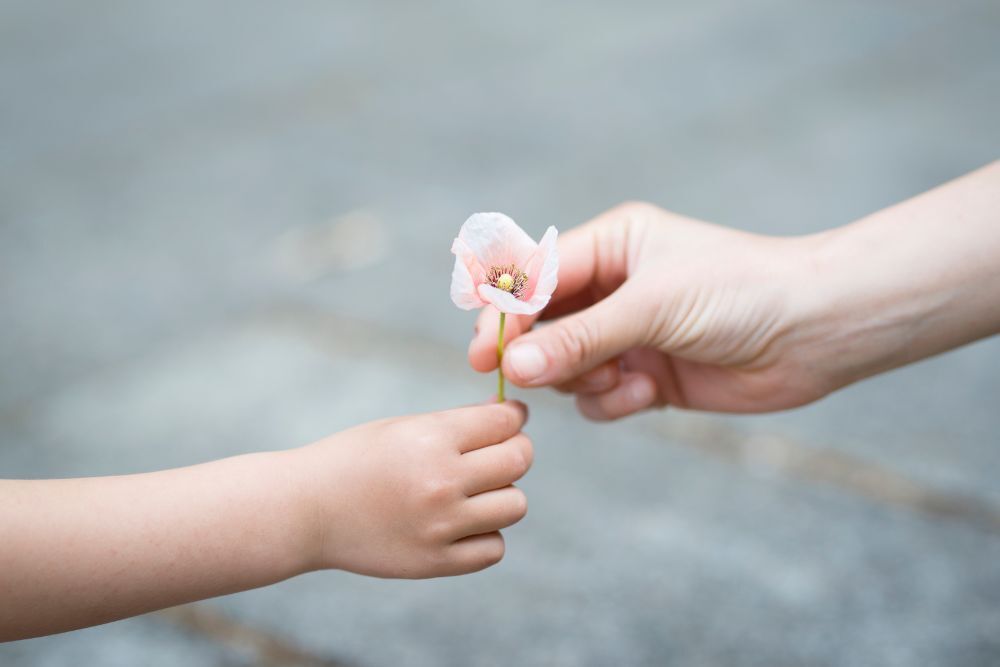 Jing is often translated as "Essence", or sometimes "Kidney Essence", since it is in this organ that it resides.
There are two types of Jing. The first is passed on by the parents at conception and relates to lineage: innate Jing. The second is acquired Jing, which comes mainly from the Qi of food.
Jing has several roles. It contributes to growth and development and looks after the health of the hair, sexual functions, fertility and reproduction.
What factors can affect Jing? A poor diet, overwork, fatigue and excesses of all kinds can have a negative impact on Jing. An imbalance in this energy can show up as fertility problems, sexual difficulties or early signs of ageing.
To preserve it, Chinese medicine advises conserving our energy, avoiding needless worry, eating a balanced diet every day and exercising regularly.
Qi, or "vital energy"
 Pronounced "chee" and generally translated as "vital energy", Qi is probably the most important notion in Traditional Chinese Medicine.
To sum up this essential notion: Qi is an internal force that makes up, animates and binds all things in the universe.
Pronounced "chee" and generally translated as "vital energy", Qi is probably the most important notion in Traditional Chinese Medicine.
To sum up this essential notion: Qi is an internal force that makes up, animates and binds all things in the universe.
In Traditional Chinese Medicine, it is the Breath, and it is the origin of all forms of life. In the body, it exists in several forms (Wei qi, Gu Qi, Zong Qi, etc.).
Qi is essential for the proper functioning of the organs, viscera, tissues and meridians. The change of season, pathogenic emotions, a poor diet and perverse energies can seriously affect our Qi and so threaten our health.
To take care of it, several plants from the Chinese pharmacopoeia are known for their tonifying properties. Among the greatest Qi tonics are Huang qi (astragalus root) and Ren shen (ginseng root).
Shen, or "Spirit"
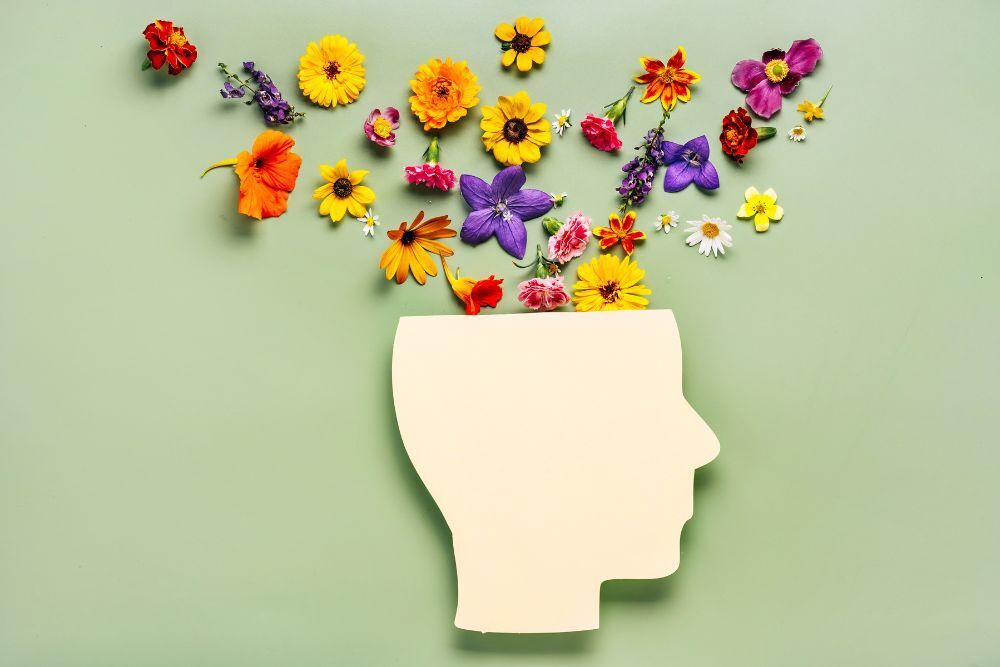 Shen is often translated as "Spirit" and is one of the 5 mental energies of Chinese medicine. It is housed in the Heart.
Shen plays a fundamental role in cognitive activity. It influences the brightness of the eyes, the complexion, speech and behaviour.
When the Shen is balanced, we feel serene and fulfilled. Conversely, an agitated Shen seriously affects mental health and emotional balance. Emotions that are too intense, and which therefore become pathogenic (such as fear, worry or sadness), can weigh heavily on our Shen and affect our health.
To harmonise the Shen, pay particular attention to the Heart and favour plants and foods that have a positive influence on this organ. To keep negative emotions at bay, energy exercises are a valuable help.
These three treasures are the key to health. When one of them is affected, a host of imbalances will show up in the body. It is therefore essential to preserve them if you are to enjoy physical and mental well-being.