
Nightmares are those bad, distressing, anxiety-inducing dreams that make us wake up with a start. They are one of the parasomnias (a category of sleep disorders) and occur mainly during REM sleep, the last stage of a sleep cycle.
Whether frequent or occasional, nightmares say a lot about our physical and emotional state.
So what do nightmares reveal? How does Chinese medicine (TCM) explain this phenomenon? What solutions does it offer for regaining peaceful nights?
Why do we have nightmares?

Nightmares can first appear as early as 2 or 3 years of age, but they tend to become less frequent with age, and their frequency varies greatly from one person to another.
Several psychologists consider that having nightmares reveals unease, worry or fear, and that bad dreams are actually rather beneficial: having nightmares is thought to help us deal with our inner conflicts and explore the mysteries of our unconscious so as to get to know ourselves better.
However, when nightmares invade our nights and become recurrent, they weigh heavily on our well-being. Tired, irritable and anxious about not knowing what the next night will bring, nightmares harm our health and can have a serious impact on our daily lives.
Apart from genetics, there are several external causes that encourage nightmares, such as:
- Trauma and post-traumatic shock (e.g. terrorist attack, war, accident, violence...)
- Certain medications, such as antidepressants
- A sudden change (e.g. separation, betrayal, bereavement…)
- Excessive consumption of alcohol or drugs
- Eating too rich a meal before bed (too much digestive work can affect sleep)
- Feelings repressed after stressful events
So several causes can increase the risk of nightmares. While some can be avoided, others require real effort.
How can you make peace with your mind and regain peaceful nights?
Nightmares in Chinese energetics
The TCM explanation
In Traditional Chinese Medicine, nightmares are considered very often to be the result of an imbalance of Qi, and they can have different sources.
Having nightmares generally occurs when there is an energy disharmony in the Heart (which, let us remember, houses the Shen, in other words "the Spirit") and/or when Liver energy is disturbed and the Hun (the Ethereal Soul) is affected.
Dreams and the organs

In Chinese medicine, it is considered that very often dreams reveal the presence of energy blockages affecting the organs. For example, it is said that when the Liver suffers from Excess, we tend to dream that we are angry. When the Liver suffers from Deficiency in spring, it is common to dream of being unable to move. 1
Another example: in the case of Excess in the Lung, it is said that our nightmares will be marked by sadness, tears and our deepest anxieties. Conversely, if the Lung suffers from Deficiency, we may dream of flying through the air and notice strange objects. 2
Traditional Chinese Medicine solutions for putting an end to nightmares
Soothing plants

What better way to get rid of the nightmares that disturb our nights than natural remedies?
The therapeutic power of certain plants has long been studied in order to confirm the claims of ancestral medicines. Their effects have naturally been confirmed and recognised by scientific research. These plants are therefore a natural, healthy way to soothe the Spirit and regain calm, restful nights.
To put an end to frequent nightmares caused by an energy disharmony of the Heart originating in a Shen imbalance, here is a selection of plants and formulas recommended by TCM:
-
Mei gui hua - rosebuds: widely used in Asian cooking, Mei gui hua are known for their calming properties: they promote the circulation of Qi, calm the Spirit and help you fall asleep.
-
Tian wang bu xin dan: a famous TCM formula, Tian wang bu xin dan protects the functions of the Heart. This preparation is especially recommended for nightmares because of its dual action: it calms the Shen and tonifies the Heart. It soothes the agitation that encourages nightmares and brings back deep, restorative nights.
-
Bai zi yang xin wan: a formula renowned for improving sleep quality, Bai zi yang xin wan regulates Heart energy and combats night waking and nightmares.
-
Suan zao ren wan: by acting on the Liver and Heart, Suan zao ren wan is an effective solution for sleep problems.
Acupuncture for calmer nights
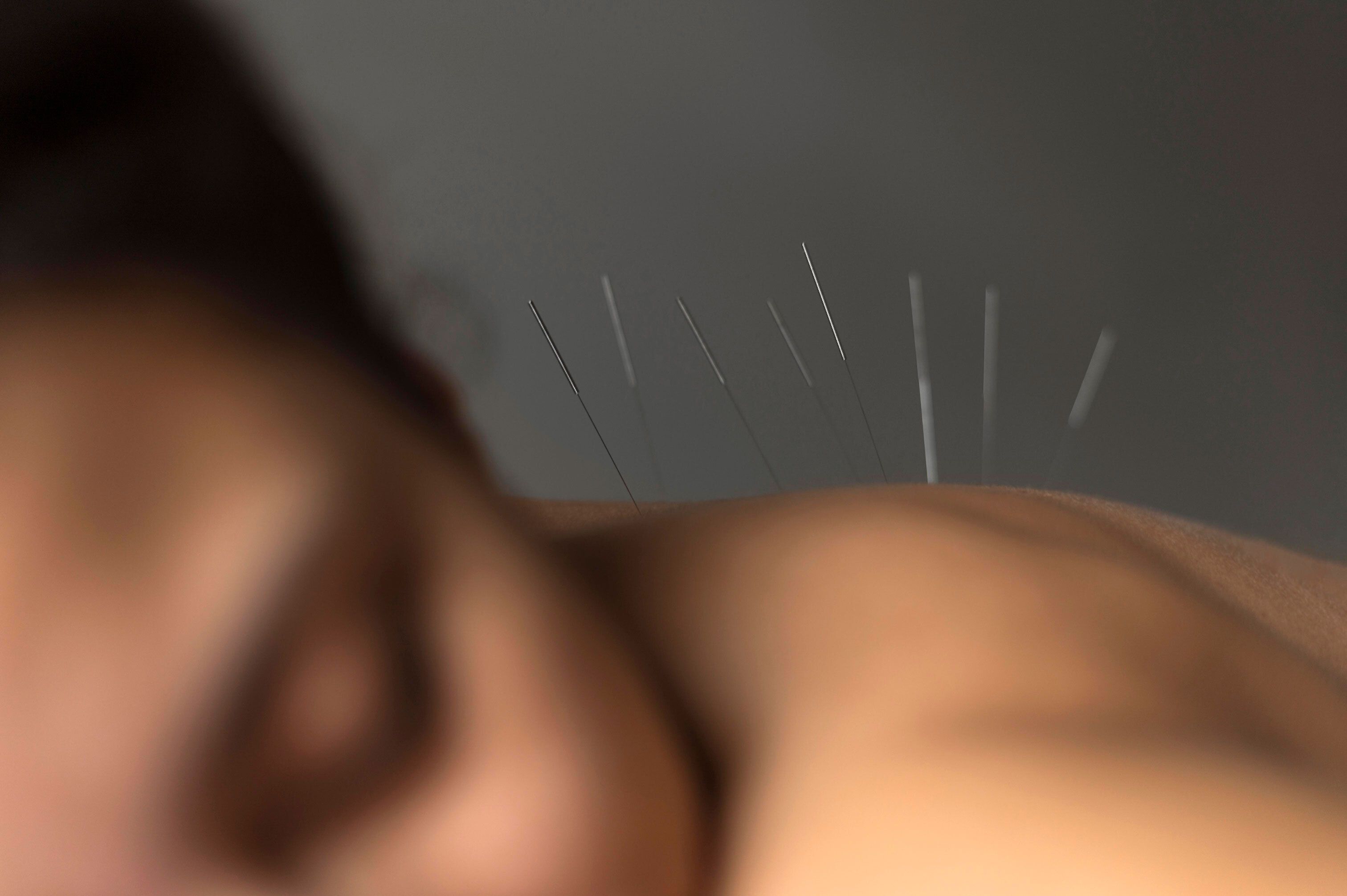
Based on stimulating our energy flow, acupuncture is a treatment method that has proved its effectiveness in relieving many ailments.
If you are too often faced with nightmares or night waking, Traditional Chinese Medicine recommends acupuncture sessions, as they are effective and have no side effects that are dangerous to health.
The therapeutic indications that acupuncturists offer can vary. However, the best-known points for treating night-time agitation are:
- CV14: known for frequent frightening nightmares. Stimulating it regulates Heart energy and calms the Shen (the Spirit).
- KI6: indicated for its ability to "restore Heart-Kidney communication when Heat from Kidney Yin Deficiency disturbs the mind".
- The two points SP1 and HT7 are also well known for treating nightmares. They feed Qi and soothe the Shen. 3
The number of acupuncture sessions needed depends on how often the nightmares occur and where they come from. The therapist will make this assessment.
Although unpleasant and distressing, nightmares are completely normal. However, when they are frequent and repetitive, nightmares deprive us of restful nights and affect our serenity. To treat a problem, you need to think about its source: where do these nightmares come from? Soothing your Shen and regulating your Qi is very often the way to regain restorative nights.
So trust in the power of plants from the Chinese pharmacopoeia to make peace with your nights.


