- Menopause: what happens in the body?
- The symptoms of the pre-menopause
- The conventional medicine point of view
- TCM's advice for living through this change well
- What solutions are there to relieve the symptoms of the menopause naturally?
- Turning to acupuncture: proven effectiveness
- The importance of eating well


The arrival of the menopause is a moment dreaded by a great many women, particularly in the West. For many reasons, it is seen as a difficult stage, even though it is an inevitable and entirely natural experience.
Often equated with the first sign of old age, the menopause marks the end of periods and, consequently, the end of ovulation. While this experience is lived differently from one woman to another, it marks a hormonal change that is at the root of many internal imbalances.
In our modern societies, the prevailing idea is that well-being for women is reserved for a small handful of lucky ones who have never experienced painful periods or a difficult menopause. The idea that it is natural and normal for women to suffer throughout their lives is still deeply rooted in many of us, condemning them to a life of discomfort and preventing them from finding a solution to disorders considered “normal” because they are common, which in reality point to an internal problem. Traditional Chinese medicine, rich in its ancestral knowledge, offers the full range of its pharmacopoeia to help women live through the onset of the menopause more comfortably.
Menopause: what happens in the body?
The menopause is a natural phenomenon that concerns all women. It generally appears as the age of fifty approaches and signals the end of periods and, by extension, that the woman is no longer able to bear children. It is the absence of production of oestrogens and progesterone, the hormones responsible for the menstrual cycle, that triggers the end of ovulation and the appearance of menopausal symptoms.
Contrary to what one might think, the menopause does not suddenly knock at the door: it comes on gradually and announces its arrival with the perimenopause (also called the pre-menopause), a period of around four years before menstruation stops completely, characterised by a gradual decline in female sex hormones and by the appearance of menstrual cycle disorders.
The symptoms of the pre-menopause
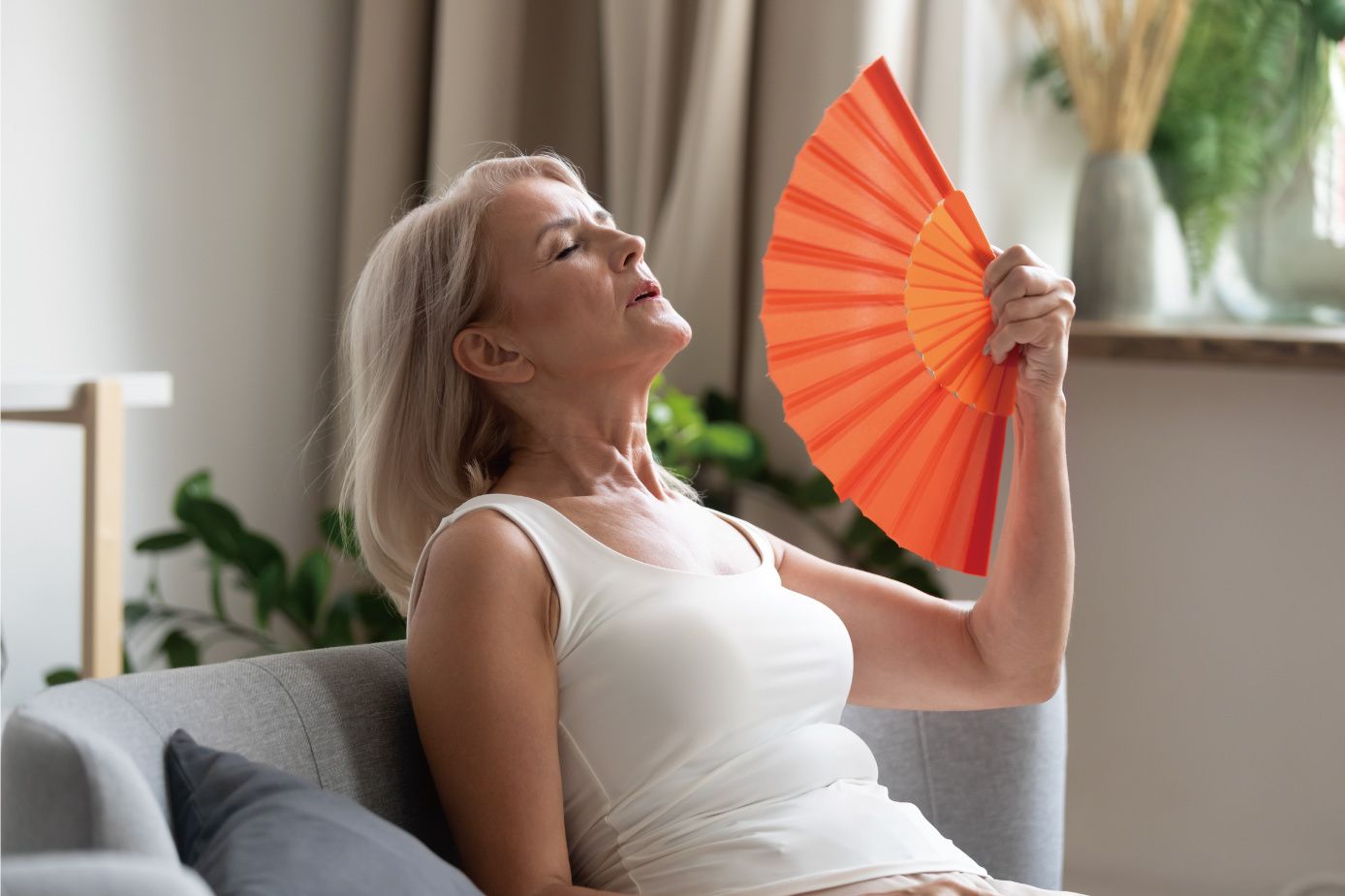
The pre-menopause is defined by the appearance of many symptoms such as: hot flushes, night sweats, a frequent feeling of irritability, intense thirst, muscle pain, restless sleep, low libido, vaginal dryness and weight gain. These symptoms can be more or less serious depending on each woman and her lifestyle: a lot of stress, a poor diet, excessive smoking and/or drinking or a lack of physical activity can aggravate the symptoms and, as a result, make the experience of the menopause even more complicated and uncomfortable.
The conventional medicine point of view
Modern medicine offers women who suffer from troublesome menopausal symptoms hormone treatments to relieve their daily discomforts However, these treatments have been shown to cause many side effects, which explains why they are now largely avoided1.
So women are often advised to maintain a healthy lifestyle in order to minimise the severity of the discomforts. In some cases where self-confidence is badly affected, or where the first signs of depression are felt (a common phenomenon in women entering the menopause2), psychological support is strongly encouraged.
Traditional Chinese medicine, for its part, offers concrete solutions for preventing menopausal symptoms and also for overcoming them. It highlights the effectiveness of acupuncture treatment, as well as the use of plants, to relieve menopausal discomforts and live this new stage of life well.
TCM's advice for living through this change well
According to Chinese medicine, the discomforts that arise as the menopause approaches are the result of a dysfunction of the Kidneys, the organs that produce Yin, Yang and above all Jing (or “Essence”), the energy in charge of reproductive and sexual functions. It is when these three elements are weakened or deteriorate that the symptoms appear. Indeed, the problems associated with the menopause result from a deficiency of Kidney Yin and/or Yang. As a general rule, they are aggravated by other deep-rooted syndromes that have not been treated, such as the presence of Dampness, Qi stagnation or Blood stasis, for example…
In TCM, Blood is associated with Yang. So when it no longer flows out through menstruation, it remains in excess in the body. This excess of Yang gives rise to a pathogenic Fire, which explains the agitation caused by the first symptoms of the menopause. To remedy this problem, TCM suggests turning to medicinal plants, and more particularly those with cooling properties on the Blood.
What solutions are there to relieve the symptoms of the menopause naturally?
The Chinese pharmacopoeia is one of the branches of treatment in TCM. It carefully classifies each plant according to its flavour (pungent, bitter, sour, sweet, salty or astringent), its nature (cold, hot, neutral or warm), the energetic movement it generates (rising, descending, moving outwards, moving inwards) and the meridian associated with it. It is this set of characteristics that gives each plant the valuable therapeutic actions that Chinese medicine uses to prevent and cure.
The Chinese pharmacopoeia offers powerful formulas to support women during the menopause. These compositions combine plants carefully selected for their specific benefits:
- Menopause Complexe: Designed to regulate hormonal balance and relieve common menopausal symptoms, such as hot flushes, night sweats and mood changes. This formula supports general well-being and helps you through this transition period gently.

- Women's Treasure Formula: A natural solution that helps maintain optimal hormonal balance, improves the management of menopause-related symptoms, and supports energy, libido and vitality during this phase of change.

Each formula acts in its own way to support the body, precisely targeting hormonal imbalances and strengthening overall vitality.
In addition to specific formulas, several plants are commonly used in traditional Chinese medicine to relieve the symptoms of the menopause. Each plant has particular characteristics which, combined with age-old knowledge, provide natural and effective solutions. Here are some of the most popular and most widely used in China to support this transition period:
- Dang gui (Chinese angelica): a true Yin tonic, it fortifies the blood and stimulates its circulation, thus helping to regulate the cycle.
- Di gu pi (Goji root): reputed to ease the onset of the menopause, it soothes hot flushes, regulates mood, calms irritability and promotes full, restful sleep.
- Nuo dao gen (Glutinous rice root): the anti-sweating plant par excellence, it considerably reduces hot flushes and night sweats, allowing well-being to return.
-
Maka (or Maca): as well as tonifying the body and strengthening immunity, Maca is recommended for women going through a difficult menopause, since it helps to reduce its symptoms.
-
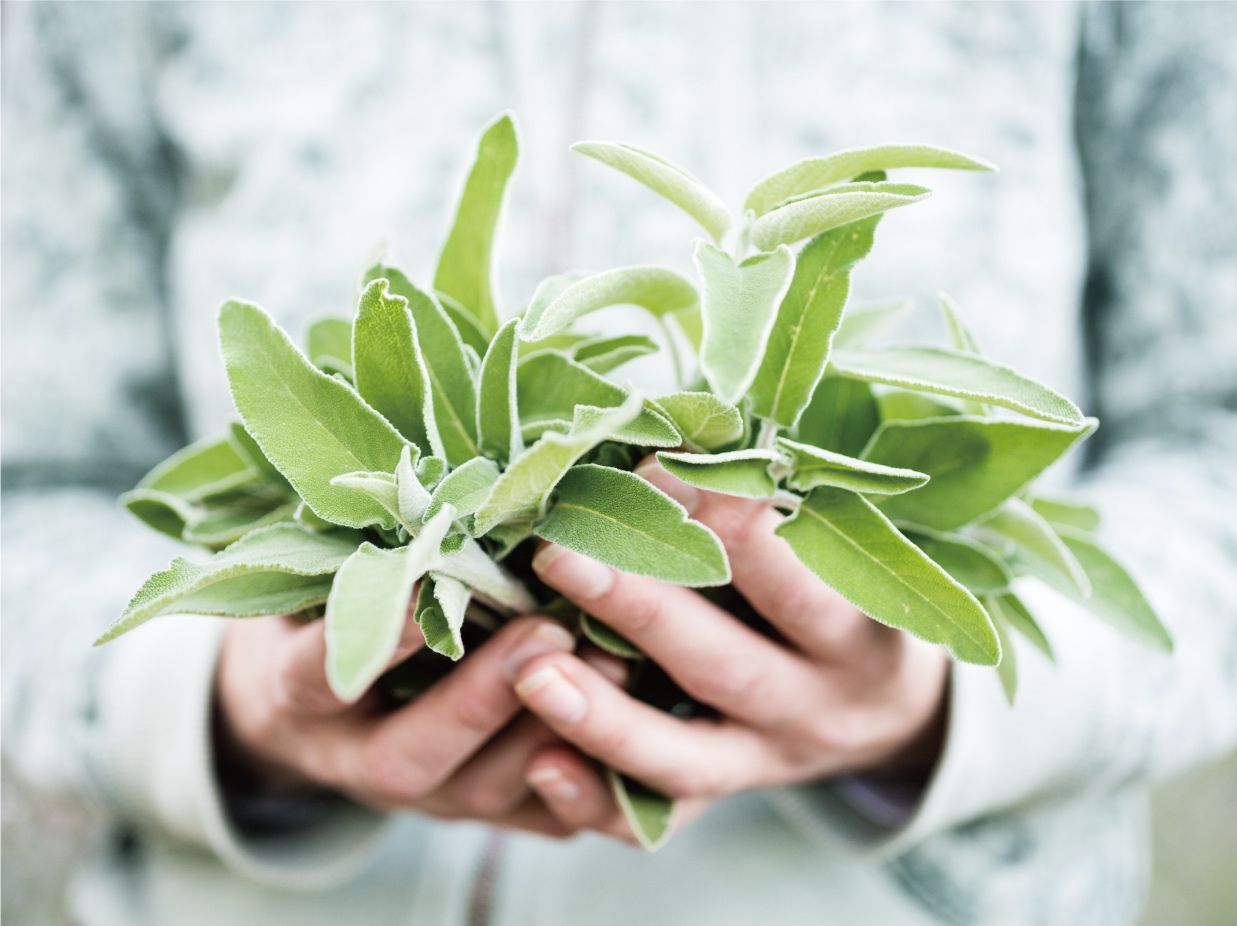
Sage: a plant that is an ally to women, it reduces night sweats, calms hot flushes and soothes headaches.
Turning to acupuncture: proven effectiveness
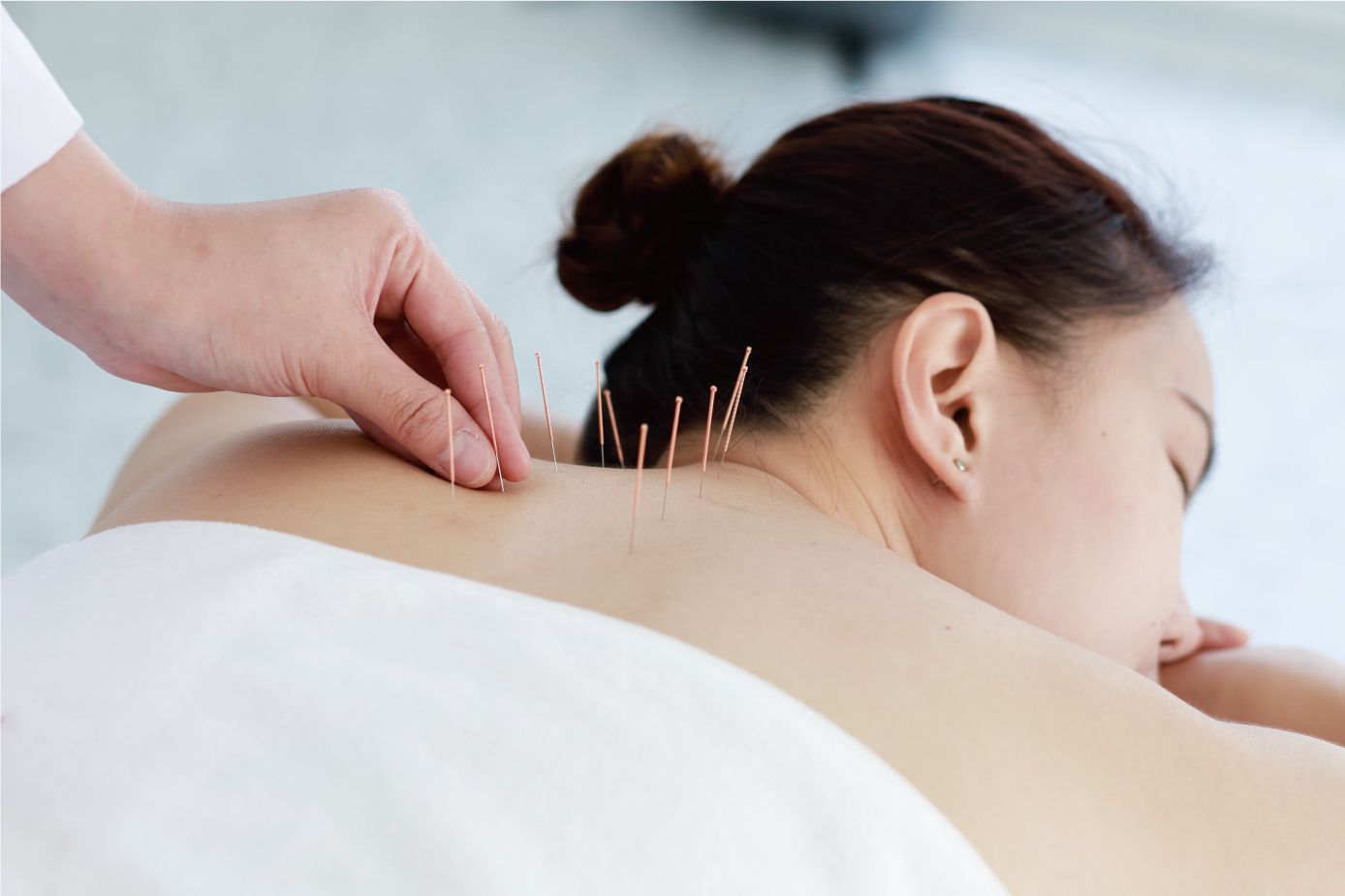
Besides the virtues of plants, Chinese medicine also recommends acupuncture, whose effects on menopausal discomforts have been clinically proven3. Indeed, this other branch of TCM aims to regulate Qi (vital Energy) in order to undo energy blockages and overcome internal imbalances. Moreover, it is generally highly valued for its benefits on stress and for promoting calm.
Acupuncture consists of pricking the skin with fine needles at very precise points leading to the Meridians, in other words the channels that carry energy. Once the practitioner has carried out the energy assessment, acupuncture sessions (even just a few) will considerably reduce menopausal symptoms, from the very first session.
Hot flushes are the most common symptom for most women. According to Chinese medicine, this phenomenon is explained by a Kidney Yang deficiency which leads to a Yin deficiency affecting the Liver and encouraging Liver Yang to rise. Acupuncture is an effective solution to this problem; however, it is essential to treat all the symptoms to regain complete comfort.
Acupuncture acts on the endocrine and nervous systems, so it helps to calm hot flushes, reduces stress and eases insomnia. It is thus a major solution for approaching the arrival of the menopause more calmly and for relieving the disorders associated with the pre-menopause.
The importance of eating well
As we have already explained, not all women have a difficult menopause. Lifestyle plays a large part in the appearance of discomforts. So having a good sleep routine, avoiding stress, doing physical activity and eating well can transform the experience of the menopause. However, foods also have a role to play in combating pre-menopausal discomforts.
Indeed, Chinese dietetics has some valuable advice to offer women who suffer from menopause-related disorders. In the case of manifestations such as hot flushes, insomnia, irritability, possibly dizzy spells or constipation, it recommends avoiding overly large meals and fatty, spicy or raw foods, and favouring light meals, foods of a neutral, cool and cold nature, and foods with a bitter, sweet and sour flavour.
To relieve feelings of fatigue, weight gain, cold, digestive disorders and other discomforts, Chinese dietetics recommends setting aside fatty, hard-to-digest meals and preferring light foods of a neutral, warm and hot nature and foods with a sweet flavour, cutting down on meat and having a hot drink after meals4.

So Chinese medicine puts the full extent of its knowledge at the service of women looking for natural, effective solutions without side effects to live through the menopause more comfortably or to prepare for it.
While this experience can be hard to live through, firstly because of the upheavals it brings to daily life, but also because of the meaning it has been given in the West (a passage into old age that takes away part of a woman's femininity…), it is important to remember that in many traditions, the menopause makes a woman sacred. Some cultures consider that the menopause marks a new start, a new balance, and that it is important to accept it fully in order to find inner peace.


