- Joints: what are they?
- Where does joint pain come from?
- The Chinese medicine point of view
- What are the different types of joint disease?
- Osteoarthritis
- Arthritis
- Soothing joint pain with Chinese plants
- Turmeric to relieve joint pain
- Harpagophytum for more supple joints
- Treating gout with the Chinese pharmacopoeia
- Cat's claw to overcome rheumatoid arthritis


Very common, joint disorders affect 1 in 2 French people according to IFOP (the French Institute of Public Opinion), and 93% of French people say they have already suffered from them 1. These disorders make every movement difficult and threaten our everyday well-being: they affect the quality of our sleep, prevent physical activity and even affect our working lives. While there is no miracle treatment to overcome these disorders, the pain they cause can nevertheless be relieved with medicinal plants.
Discover the natural solutions of the Chinese pharmacopoeia for relieving painful joints.
Joints: what are they?
We have 360 joints. The hinge zones between the ends of the bones, they ensure the mobility and flexibility of the skeleton. They are made up of three key elements, namely:
- cartilage: tissue covering the ends of the bones, whose main role is to reduce friction between the bones.
- the synovial membrane: a structure that produces the joint fluid which lubricates the joints and nourishes the cartilage.
- ligaments: fibrous cords that connect the bones to one another to form a joint. They stabilise the joints and limit certain movements to prevent injury.
Where does joint pain come from?
Joint disorders generally show up as discomforts such as swelling, redness, a feeling of heat and pain, which can arise regularly or occasionally. Although they are known as the preserve of older people, these pains can in fact occur at any age, from adolescence or even childhood.
To understand what is happening in our body when our joints hurt, we need to look at their causes but above all at their nature. Indeed, a real nuisance for those who experience them, joint sensitivities have many origins. They can result from weather conditions (they are generally more frequent in winter, for example) and can also be traumatic in origin, that is, occur following an accident, a blow or a fall.
Older people, people who are overweight and those who do intensive physical activity are generally more prone to joint pain. Indeed, their physical condition encourages the destruction of cartilage, a phenomenon that gives rise to sharp pain in the joints.
Joint disorders affect a large part of the population: indeed, according to a study by the WHO (World Health Organization), around 1.71 billion people worldwide have musculoskeletal conditions2. These same conditions are the leading cause of disability in the world.
As a consequence of population ageing, joint disorders keep increasing and are claiming more and more victims. It is therefore becoming urgent to highlight effective solutions for the growing number of people suffering from joint disorders. A holistic approach, Chinese medicine offers an explanation from an energetic point of view.
How does it explain joint pain, and what treatments does it offer?
The Chinese medicine point of view
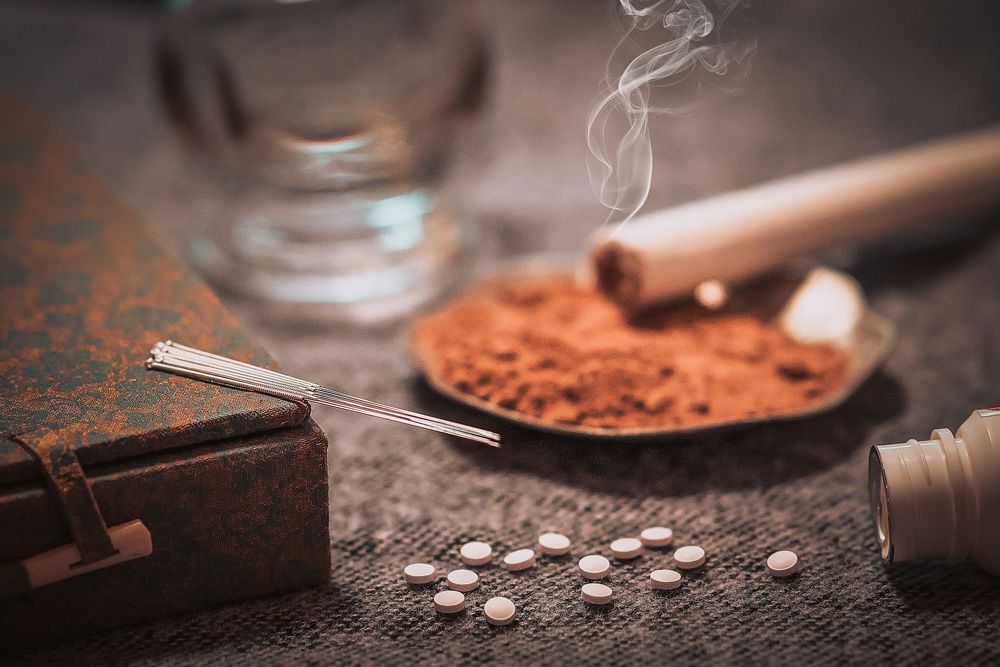
A holistic health system, Chinese medicine studies the source of the illness rather than treating its symptoms. Indeed, the solutions it offers mainly aim to target the origin of the problem in order to cure it. In TCM, pain in the bones, tendons and joints is associated with Bi syndrome, which translates into an energy blockage in the meridians.
According to Chinese medicine, the origin of pain can be external or internal. Among the external causes of joint pain are the perverse energies (Wind, Cold, Dampness and Heat), which lurk particularly in autumn and winter, two seasons much dreaded by people who experience joint disorders. Consequently, in the case of pain caused by the presence of one or more of these perverse energies, Chinese medicine will offer a treatment aimed at driving these disruptive energies out of the body.
The internal causes generally involve two organs: the Kidney, which produces the marrows and controls the bones, and the Liver, whose role is to govern the soft tissues (such as the tendons) and regulate blood flow. An imbalance in the energy of one or both of these organs opens the door to joint sensitivities. So, to overcome these discomforts, Chinese medicine recommends tonifying Liver and Kidney Qi to ease the resulting pain.
What are the different types of joint disease?

When we talk about joint disorders, we generally include several types of conditions: those that affect the joints, those that weaken the bones and those that attack the muscles. As for the problems that specifically affect the joints, many could be mentioned, but some are more common than others. Indeed, the most frequent form of joint disorder is osteoarthritis (nearly 10 million French people suffer from it according to the Alliance Nationale contre l'Arthrose3), followed by arthritis and its various forms.
Osteoarthritis
A “mechanical” type of deterioration and a chronic degenerative condition, osteoarthritis is the most widespread joint disorder. Generally linked to age, it is due to the destruction of cartilage and mainly affects the knee and hip joints, but also the spine and the neck. It can also appear following a fracture or a displaced bone, affecting the muscles and nerves and thus causing pain in the joints. In Chinese medicine, the origin of this condition is internal: it is explained by Liver Qi stagnation and weak Kidney Qi.
Osteoarthritis pain generally appears on waking or after more or less intense physical exercise. In short, it appears with movement and lessens with rest.
Arthritis
Arthritis also attacks the joints, but it differs from osteoarthritis in its nature and its manifestations. Indeed, arthritis reflects an inflammation of the joints. Unlike osteoarthritis, the resulting pain is felt throughout the day, making daily life very difficult. This form of joint disorder takes the form of several conditions: among the most common are gout and rheumatoid arthritis, but scleroderma, lupus, polymyositis, etc. can also be mentioned.
Gout
Gout is a condition that aroused the interest of traditional Chinese medicine a very long time ago. External in origin, it occurs following an excess of Heat and Dampness disturbing the urinary system. Gout attacks are caused by an excess of uric acid in the blood, which is deposited in the form of crystals in the joints and causes sharp pain. The joint (usually the big toe, but it can also involve the feet, fingers or hands, for example) then becomes swollen, hot and red.
Rheumatoid arthritis
Rheumatoid arthritis is an autoimmune disease; in other words, it reflects a malfunction of the immune system that leads it to attack the body instead of protecting it. It is triggered by immunological, hormonal or environmental factors and shows up mainly as swelling of the finger joints. More common in women, especially around the menopause, rheumatoid arthritis can, when left untreated, spread to other joints and lead to their deformation.
Soothing joint pain with Chinese plants
Among the five branches of treatment that make up Traditional Chinese Medicine is the pharmacopoeia. It offers a wide selection of medicinal plants, which can be used alone or in combination for a complementary and, in some cases, more effective action.
A cornerstone of the traditional and medical heritage, plants are used every day to promote well-being and to relieve both minor and more serious ailments. As far as joint disorders are concerned, it goes without saying that traditional Chinese medicine studied the subject in depth centuries ago. So certain medicinal plants are reputed to treat the energy disorders at the root of joint conditions. By regulating the flow of energy and driving out perverse energies, they are a natural and effective alternative for overcoming pain.
Turmeric to relieve joint pain
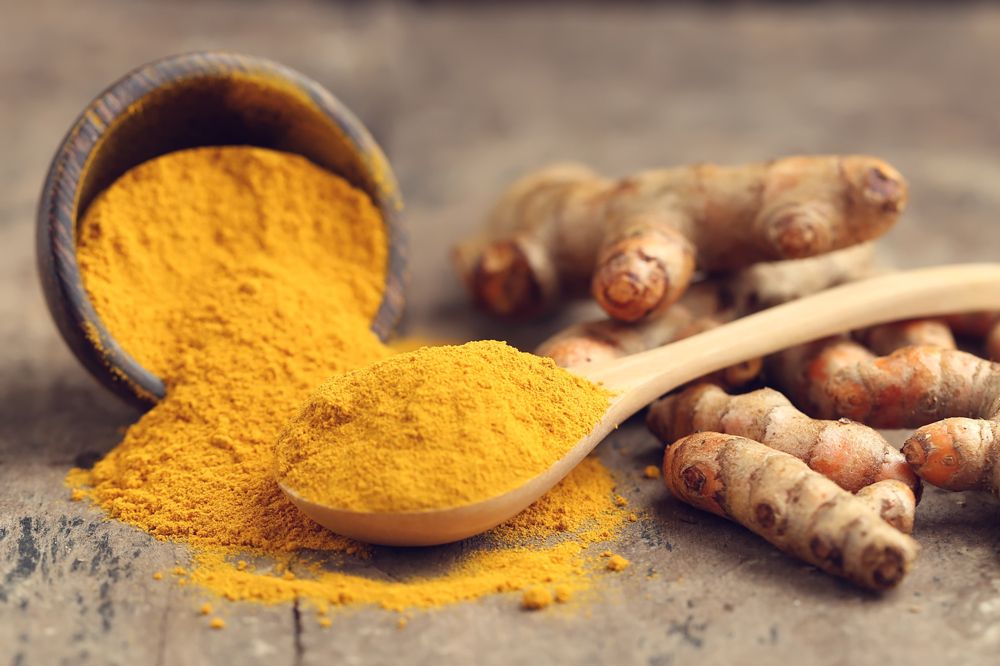
To relieve joint disorders, turmeric is a solution worth exploring. Indeed, turmeric has a soothing action on joint disorders: eight clinical trials have studied the effectiveness of turmeric and extracts of curcumin, one of turmeric's main active components, in treating the symptoms of osteoarthritis.
According to the authors of this study, regular consumption of curcumin considerably reduces joint sensitivity4. Chinese medicine advises using Jiang huang (Curcuma longa), a variety reputed to remedy Blood stasis, promote the circulation of Qi and expel Wind.
Harpagophytum for more supple joints
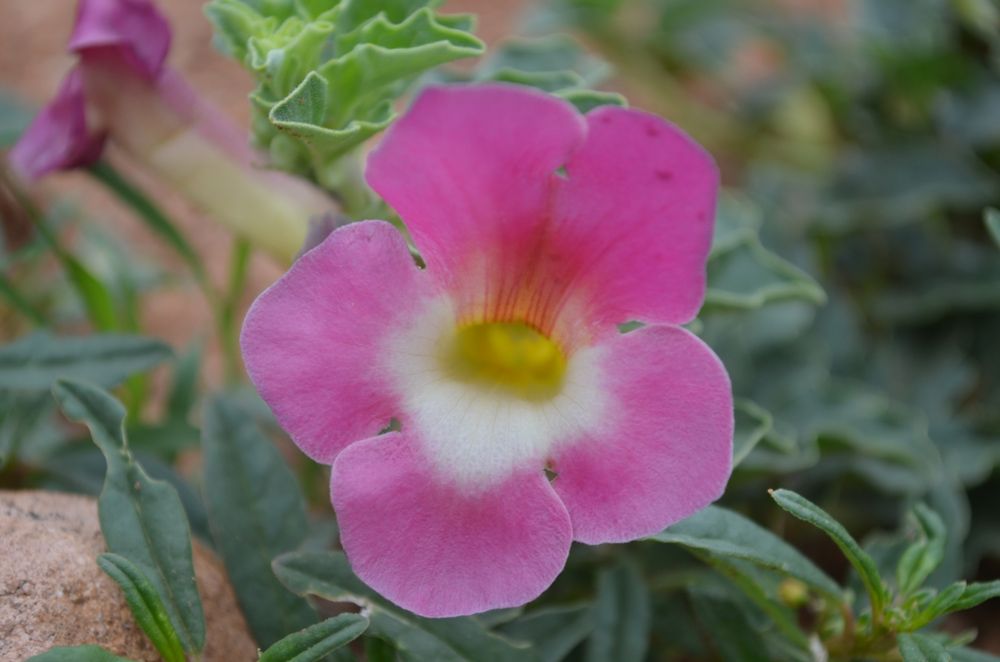
Thanks to the beneficial action of its roots on the joints, Harpagophytum, commonly called “devil's claw”, has been used since the dawn of time to promote joint flexibility and calm sensitivity. Indeed, the content of active ingredients with anti-inflammatory and pain-relieving properties found in Harpagophytum roots (the harpagosides) is a major help in strengthening the joints and preserving the well-being of the skeleton.
Very effective, Harpagophytum is a South African plant that presents itself as a natural solution for soothing joint pain, but above all: it is a powerful remedy for osteoarthritis.
Treating gout with the Chinese pharmacopoeia
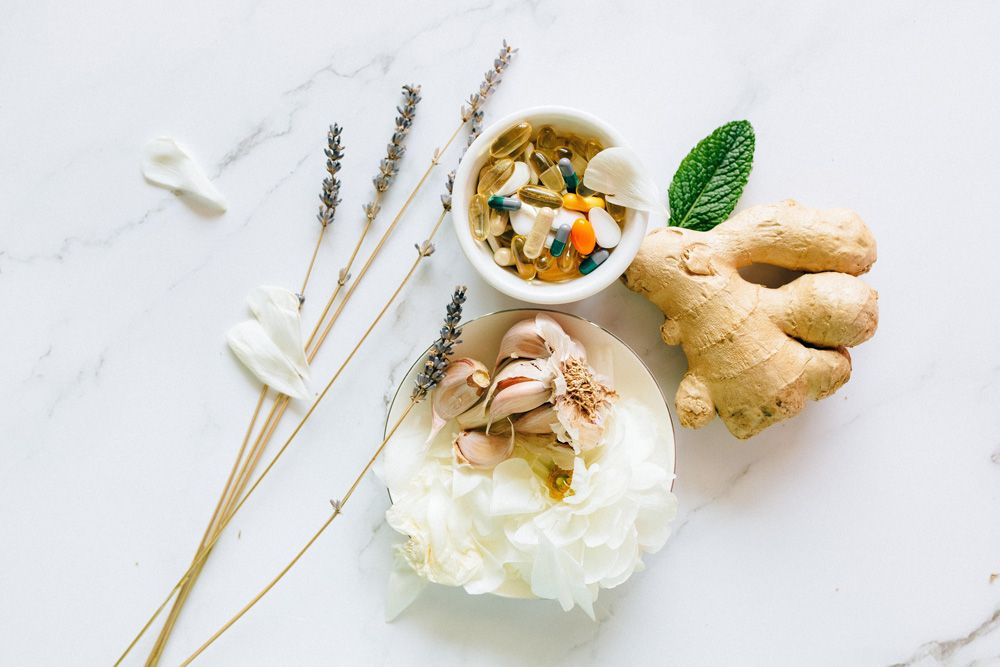
Gout is characterised by inflammation in a joint, usually that of the big toe. It occurs following an excess of uric acid in the blood, which encourages crystals to form in the joints, giving rise to very painful attacks.
A study of Chinese plants demonstrated the effectiveness of the Tong feng wan formula in preventing and treating the pain, redness and swelling associated with gout attacks. According to the authors of this study, Tong feng stimulates blood circulation and promotes the dissolution of stones and the evacuation of uric acid by increasing elimination via the kidneys.
According to the same study, the Wu wei xiao du yin blend, traditionally made up of Ye ju hua (Chrysanthemum buds), Pu gong ying (dandelion), Dong kui zi (curled mallow), Zi hua di ding (Chinese violet) and Jin yin hua (Japanese honeysuckle), is effective in relieving gout: indeed, this herbal tea is reputed to clear Heat, the pathogenic energy at the origin of this condition5.
Cat's claw to overcome rheumatoid arthritis
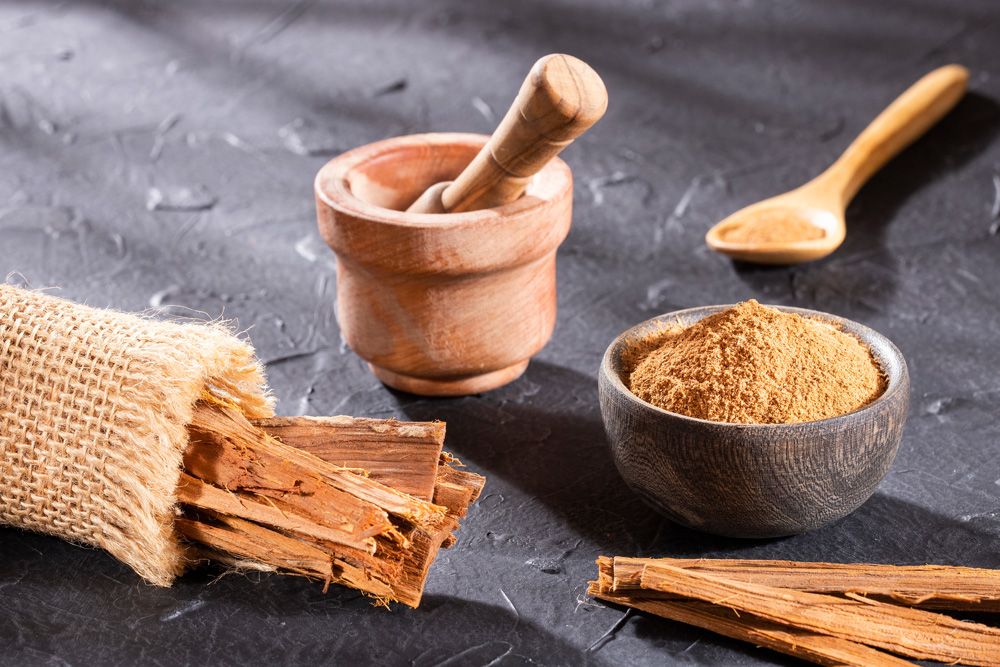
Among the plants listed in the Chinese pharmacopoeia for relieving rheumatoid arthritis is Cat's claw (Gou teng in Chinese). Known to humankind for thousands of years, Cat's claw is a plant used by traditional medicines and by Amerindian tribes as a natural remedy for a wide range of ailments.
Native to Peru, this plant has a dual action: immunostimulant thanks to its alkaloid content, it boosts the immune system; anti-inflammatory, it soothes various inflammatory reactions, notably those resulting from chronic joint disorders such as rheumatoid arthritis6. In Chinese medicine, it is known to drain Liver Heat, expel Wind and release the Exterior, which gives it a very interesting action on joint disorders.
A real ordeal, joint conditions are extremely disabling. Taking care of your joints by strengthening them is therefore essential: joint maintenance starts with a healthy, balanced diet (favour fruit, vegetables and omega-3 fatty acids), good hydration and regular physical activity.
In case of pain, massages, oils and other ointments can bring temporary relief and resolve minor problems. However, to overcome the pain caused by more serious disorders, let us turn to nature and to the vast range of natural plant-based solutions that the Chinese pharmacopoeia so generously offers us.