Superior Loose Moxa – Tongbai Origin & Stable, Lasting Warmth - Ai Rong
岁供桐艾艾绒
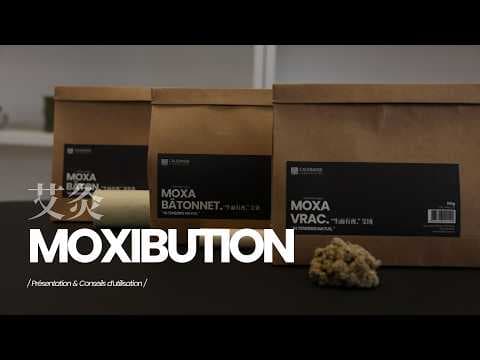
Sourced from the Tongbai Mountains, in the heart of Nanyang (China), this moxa undergoes a precision mechanical refinement process, ensuring a more uniform fibre and regular combustion, for a stable and well-controlled diffusion of heat.
1 boîte de 300g
Description
Format of superior loose moxa: 300 g.
Moxa: fibre at the heart of moxibustion
Moxa is a traditional artemisia fibre used in moxibustion to deliver gentle, stable and well-controlled heat to specific areas of the body.
Since antiquity, early practitioners observed that warmth brought comfort and relief when the body felt cold or tense. From this observation emerged jiu (灸), a practice of targeted heat transmitted as an art of balance.
Over time, artemisia naturally became the preferred material: its slow combustion, penetrating warmth and light aroma made it ideal. Carefully processed, its leaves yield a fine, airy fibre – a true vegetal wool – whose use in jiu gave rise to moxibustion as it is practised today.
Today, moxa is obtained from dried leaves of Artemisia argyi, ground and sifted to form this characteristic fibre, whose fineness and level of refinement directly determine the comfort of the heat and the overall quality of the experience.
The benefits of moxa in moxibustion practice
If moxibustion has endured through the centuries, it is because its gentle, stable and targeted warmth remains deeply suited to modern lifestyles marked by sedentary habits, stress and temperature variations. It helps the body warm up, relax and regain comfort and vitality.
Used within a well-being context, moxa may help to:
- provide comforting warmth, encouraging a sense of fluidity and circulation,
- warm areas sensitive to cold, such as the lower back or lower abdomen,
- release accumulated tension in muscles and joints,
- promote a sensation of internal warmth, supporting natural comfort and tone,
- calm the mind by creating a moment of quiet and recentering.
These effects are not the result of a medical action, but of the quality of the heat:
gentle, regular and enveloping, able to accompany the body without aggression.
It is this well-mastered warmth that makes moxa a lasting ally of well-being rituals, transmitted and adapted across generations.
Description
Format of superior loose moxa: 300 g.
Moxa: fibre at the heart of moxibustion
Moxa is a traditional artemisia fibre used in moxibustion to deliver gentle, stable and well-controlled heat to specific areas of the body.
Since antiquity, early practitioners observed that warmth brought comfort and relief when the body felt cold or tense. From this observation emerged jiu (灸), a practice of targeted heat transmitted as an art of balance.
Over time, artemisia naturally became the preferred material: its slow combustion, penetrating warmth and light aroma made it ideal. Carefully processed, its leaves yield a fine, airy fibre – a true vegetal wool – whose use in jiu gave rise to moxibustion as it is practised today.
Today, moxa is obtained from dried leaves of Artemisia argyi, ground and sifted to form this characteristic fibre, whose fineness and level of refinement directly determine the comfort of the heat and the overall quality of the experience.
The benefits of moxa in moxibustion practice
If moxibustion has endured through the centuries, it is because its gentle, stable and targeted warmth remains deeply suited to modern lifestyles marked by sedentary habits, stress and temperature variations. It helps the body warm up, relax and regain comfort and vitality.
Used within a well-being context, moxa may help to:
- provide comforting warmth, encouraging a sense of fluidity and circulation,
- warm areas sensitive to cold, such as the lower back or lower abdomen,
- release accumulated tension in muscles and joints,
- promote a sensation of internal warmth, supporting natural comfort and tone,
- calm the mind by creating a moment of quiet and recentering.
These effects are not the result of a medical action, but of the quality of the heat:
gentle, regular and enveloping, able to accompany the body without aggression.
It is this well-mastered warmth that makes moxa a lasting ally of well-being rituals, transmitted and adapted across generations.
What makes this moxa distinctive – Superior Range
Carefully selected essential artemisia
- Origin Tongbai Mountains (Nanyang region), a terroir recognised for the consistency and stability of its artemisia
- Natural ageing for 3 years, ensuring balanced material and controlled combustion
- Thick, fibre-rich leaves with a moderate content of volatile oils, providing gentle and constant heat
Precise manufacturing process
- Modern mechanical process, combining 10 successive stages of grinding and sieving, to obtain a high-purity fibre
- Gradual separation of fibres and veins, with the preservation of fine veins to maintain the natural richness of artemisia
- Multi-sieving process ensuring a clean, uniform and stable fibre
Balanced user experience
- Regular and controlled combustion, without excessive flare-ups
- Even, gentle and penetrating heat, suitable for frequent practice
- Moderate and non-irritating smoke, with a natural and discreet aroma
Sourced from the Tongbai Mountains, in the heart of the historic Nanyang region (China), this moxa reflects a pragmatic and reliable approach to moxibustion.
Its precision mechanical refinement ensures consistent quality, stable heat and excellent combustion regularity, making this range an ideal choice for daily use, family practices and well-being clinics seeking a moxa that is effective, comfortable and well-balanced in value.
Format of superior loose moxa: 300 g.
Which form of moxa best suits your practice?
| Moxa format | What it offers | Ideal if you... |
|---|---|---|
| Loose moxa | The most traditional and versatile form: suitable for moxa on needles and handmade cones (rice-grain size or larger cones) | value traditional techniques, full customization, and a more experienced or refined practice |
| Mini moxa | Targeted heat delivered directly through the acupuncture needle | practice needle moxibustion or seek highly precise, localized warming effects |
| Cut moxa | Stable and safe heat diffusion when used with a moxa box | use a moxa box on the abdomen, back, or specific areas with ease and comfort |
| Moxa stick (smokeless / indirect) | Gentle, progressive heat that is easy to adjust, without direct contact with the skin | are looking for a regular, accessible, and adaptable practice (the stick can also be cut to size) |
| Large moxa stick | Broader, more enveloping warmth, well suited for larger treatment areas | prefer deep, sustained heat for the back, abdomen, or longer treatment sessions |
Instructions for use
Loose moxa is the most traditional and versatile form of moxa. It is commonly used:
- for needle moxibustion,
- and for direct moxibustion in the form of small cones (the so-called “rice-grain” method or moulded cones).
1. Needle moxibustion
Placement
- First insert the acupuncture needle at the desired point, according to your usual practice.
- Then take a small amount of loose moxa and gently shape it so that it can be fixed to the end of the needle handle.
Ignition
- Light the moxa using a lighter or a gentle heat source, until an even red ember appears.
- Allow it to burn until an even red ember is visible.
Duration
- Maintain the heat on each point until the moxa has completely burned out, while monitoring thermal comfort.
2. Direct moxibustion – cone method (“rice-grain” type or moulded cone)
Placement
- Take a small amount of loose moxa.
- Shape it between the fingers to form a small, compact cone, of reduced size (the “rice-grain” type), or use a cone mould (moxa mould) to make a larger cone, particularly for broader areas such as the abdomen or the navel.
Application and ignition
- Place the cone directly on the desired point or area.
- Light the tip of the cone using an incense stick, which is better suited to this delicate format.
- Allow the heat to diffuse gradually.
- Remove the cone as soon as the heat sensation becomes intense, even if it has not been fully consumed.
Duration
- The duration is short and precisely controlled, varying according to the size of the cone and the sensitivity of the area.
- This method relies on brief, focused and attentive heat.
End of the session
- Remove the cone before any excessive sensation occurs.
- Allow the residues to fully extinguish, then dispose of the ashes in a heat-resistant container.
For greater safety, the use of a moxa spoon or a moxa ash collector is recommended: these accessories allow ashes to be collected cleanly, without direct contact, and help prevent burns to the fingers.
Warnings
Proper conditions for use
- Use in a well-ventilated room.
- Never leave loose moxa burning unattended.
- Avoid wind and cold during and after the session.
Body awareness and comfort
- Carefully monitor the sensation of heat and stop the session if any discomfort occurs.
- For beginners, favour short sessions, until the appearance of a light, natural redness of the skin, without any burning sensation.
- Avoid application on fragile skin (wounds, irritations, eczema or sensitive areas).
- Avoid moxibustion in cases of high fever or excessive internal heat.
Direct moxibustion (cones)
- For direct moxibustion using cones, favour ignition with an incense stick, which is better suited to small quantities of moxa.
- Direct moxibustion is reserved for trained or experienced individuals.
Specific situations
- Moxibustion is not recommended during pregnancy.
- Individuals with specific health conditions (particularly cardiovascular or metabolic) are advised to exercise caution and seek the advice of a healthcare professional before use.
After the session
- Drink warm water.
- Take a moment to stay warm and avoid any immediate exposure to wind or cold after the session.
- Avoid washing hands or heated areas with cold water immediately after moxibustion.