
If you are familiar with traditional Chinese medicine, you will already know that the Chinese energetic calendar has not four but five seasons. Indeed, to the four seasons we know so well is added a fifth: the inter-season.
As with every season, the inter-season marks a change in nature. In fact, we are right in the middle of the inter-season at the moment! In China, the climate becomes hot and humid. It is harvest time, but also the time of storms.
A phase of “synchronisation”, the inter-season gradually prepares us for the new season ahead. So following the energy and movement of this period is essential in order to preserve your health and experience the passage from summer to autumn in the best possible way.
The fifth season of the energetic calendar

According to the theory of the 5 Movements, the inter-season is the fifth season of the energetic calendar. Unlike the other seasons (spring, summer, autumn and winter), the inter-season occurs four times in the same year and lasts only 18 days each time.
In the West, people sometimes speak of an “Indian summer” to refer to the transition period (notably in terms of climate) that takes place between the end of summer and the beginning of autumn. However, the inter-season takes place well before the Indian summer: this year, it began on 19 July and will end on 6 August to make way for the new season.
So the inter-season is in fact a short phase of adaptation that allows us to prepare for the arrival of a new season. It refers to a period of energy transformation that takes place between each so-called “full” season. In the West, the seasons are characterised by a particular climate. This is therefore not the case for the inter-season.
From an energetic point of view, the inter-season is marked by the regeneration of Qi: it returns towards the centre of the nourishing Earth. The inter-season is thus associated with the Earth element and the Spleen/Stomach Zangfu pair.
A season under the Earth element
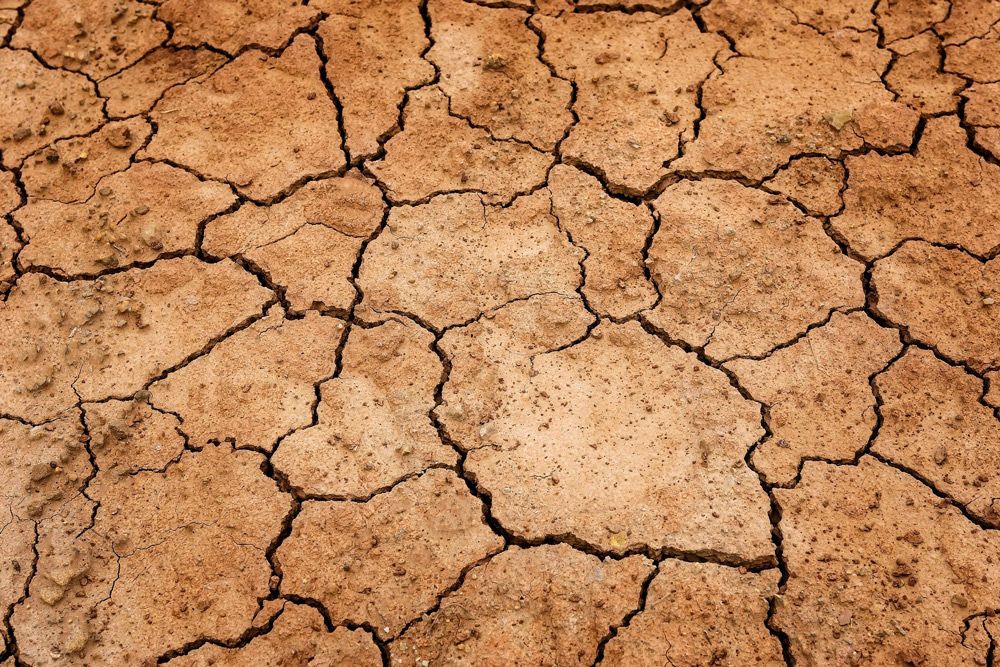
Earth is one of the 5 Movements of traditional Chinese medicine. A fundamental notion, the theory of the 5 Movements (or Elements) refers to the five stages of the cyclical transformation generated by the alternation of Yin and Yang. It is a study of the universe, a way of understanding what surrounds us and of living in harmony with nature.
Symbolically represented by Wood, Fire, Metal, Earth and Water, the 5 Elements describe the main transformations of nature over time. Interdependent, they give life to one another and control one another. Moreover, they are associated with other central notions, such as the organs, emotions, senses, flavours, colours, and… the seasons!
As the Movement of the inter-season, Earth links and harmonises the other elements. In Chinese culture, it is said that Earth forms “the body of life”. During the inter-season, it is essential to have a good Earth: indeed, a strong, balanced Earth makes for good health. Conversely, a disturbed Earth opens the door to chaos, low mood and illness.
The Spleen: the organ of the inter-season
Earth nourishes us; it governs the digestive functions and is the heart of our balance. The duo of the season, the Spleen (Yin) and the Stomach (Yang), must be in harmony if we want to be in good physical and mental shape during this period.
The role of the Spleen in Chinese medicine
In traditional Chinese medicine, the Spleen is essential to the proper functioning of the body:
- It extracts the Qi from food in order to produce Qi and Blood.
- It controls the transportation and transformation of Fluids by separating the pure fluids from the impure.
- It controls the Blood and keeps it in the vessels.
- It opens into the mouth and manifests in the lips (when the Spleen is weakened, the mouth cannot distinguish the five flavours and a lack of appetite becomes noticeable).
- It houses the Yi (the Intellect).
- It controls the raising of Qi.
- It governs the muscles and the limbs (if Spleen Qi is deficient, the limbs are weak and tired).
There is therefore no need to point out how crucial it is to take care of your Spleen. However, it is important to stress that it deserves particular attention during the inter-season.
The consequences of a weakened Spleen
The onset of digestive disorders

The Spleen and Stomach, along with the Liver, are the organs responsible for digestive functions. An imbalance in the Spleen/Stomach duo generally shows up as digestive disorders (a feeling of heaviness after meals, lack of appetite…) and can give rise to food allergies as well as weight gain.
Indeed, when Fluids are no longer properly transformed by the Spleen, Dampness accumulates in the body, encouraging the formation of Tan, or mucus (Phlegm and fats). Moreover, a dysfunction of the Spleen and Fluids can also give rise to problems such as heavy legs, water retention, venous disorders…
An overwhelming feeling of anxiety

On an emotional level, the Spleen is associated with worry (Si), so it is the emotion of the season. Careful! This does not mean it is the perfect time to torment yourself – quite the opposite! Going over stressful thoughts or events all day long harms Spleen Qi and prevents it from doing its job. The other way round, going through a period of intense anxiety and worry generally indicates that the Spleen is disturbed.
A confused mind
The Spleen houses the Yi (the Intellect), an entity that encompasses concentration, memory and learning abilities. If you are having difficulty concentrating and retaining information, and your mind seems muddled, your Spleen may be weakened.
Indeed, a deficient Spleen can no longer house the Yi, which affects cognitive abilities. What's more, Dampness (which, in short, is the Spleen's sworn enemy) and Phlegm obstruct the head and prevent clear thinking.
Chinese dietetics advises eating… sweet!
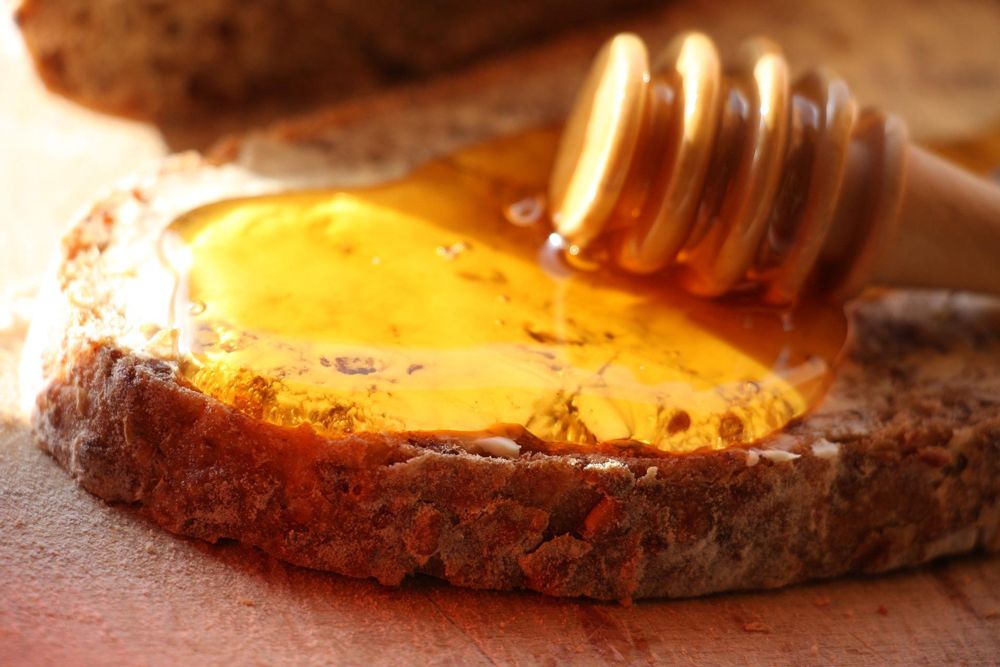
We may be repeating ourselves, but adapting your plate to the season is essential!
To get through this transition period well and tonify the Spleen and Earth, Chinese dietetics recommends the sweet flavour, since it is the flavour of the inter-season. Hold on! There's no need to head for the sweet cupboard, because we are not talking about processed sugars but about foods with a rather mild, sweet taste (such as honey, rice, cereals, carrots…).
Indeed, the sweet flavour helps and increases Earth and tonifies the Spleen. However, like everything, it should be eaten in moderation, since an excess of this flavour will require Water to intervene, and this will end up exhausting the Kidney. What's more, an obsession with or very strong aversion to sugar is generally a sign of an Earth imbalance…
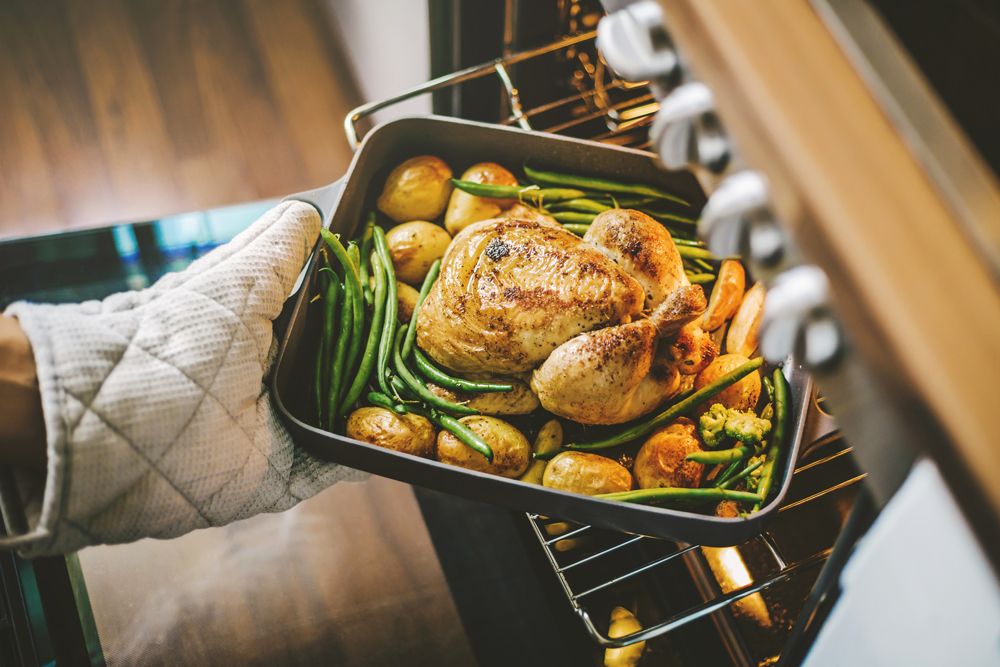
Temperatures are soaring right now and you would rather have a salad than a hot dish: we understand! However, be aware that Chinese dietetics strongly advises against eating raw or cold food during the inter-season. Indeed, it is better to favour warm, cooked food to activate the Spleen and stimulate digestion and the distribution of energy to the body.
One last tip: avoid Damp-producing foods! As mentioned earlier, the Spleen hates Dampness. To keep it healthy, it is essential to avoid foods such as dairy products, fast sugars, citrus fruits… Vegetables such as Yi yi ren (Job's Tears), cucumber or squash are perfect for the season, as they help to expel Dampness.

Even though it lasts only 18 days, the inter-season is an essential period for our balance: it allows us to say goodbye to summer and to welcome autumn (and the energetic upheavals that come with it) gently. It is the ideal time to enjoy nature and the fine weather, but also to dress in yellow, the colour of the inter-season!
Finally, you will need to pamper your Spleen to stay in shape this season: TCM recommends ginseng (Ren shen) to tonify it. It is also an opportunity to eat more lightly to relieve the Spleen/Stomach duo and to avoid needless worries!

