
Our skin is a permeable organ, but it is also our first protection against the sun, pollution, cold and so on. In traditional Chinese medicine, the state of health of our internal organs is reflected in our appearance. The condition of our skin therefore reflects our excesses and our ailments.
So what remedies and care methods does Chinese medicine offer to achieve and preserve a radiant complexion?
Our skin, a safeguard against disease
For traditional Chinese medicine, our skin is the "mirror of the body and mind".
The skin, pores and body hair, known as the BIAO (the Exterior), form the body's first line of defence against external attacks: heat, cold, dryness, damp and other harmful agents. It has a protective function that is both mechanical and chemical.
-
A sealing function: thanks to its hydrolipidic film, which limits the entry of external agents into the body
-
An immune function: thanks to the saprophytic skin flora, which prevents bacteria from settling;
-
A synthesis function: notably of vitamin D through exposure to sunlight;
-
A sensory function: thanks to its 7,000 nerve sensors, which send us information about temperature, pain, touch, etc.
-
An elimination function: through sweat and sebum, since it is an excretory organ.
The disorders we can observe on our skin are nothing other than the outward sign of an internal imbalance, often caused by what are known as Pernicious Energies. In these cases, it is essential to stimulate the vital energy flows that are indispensable to the vitality of body and mind, in order to generate a sense of well-being that will radiate from your skin.
Our skin, the mirror of our emotions
As well as reflecting our physical health, there is a strong link between our skin and our emotions (blushing, pallor, goosebumps, sweating, etc.). It is also particularly sensitive and reactive to stress and anxiety. When Wei Qi, or protective Qi, which is governed by the Lung and responsible for the superficial layers (that is, the skin and muscles), does not circulate well, it means the Lung is weakened, and other organs may be too. The skin then becomes fragile and the pores open, letting in Wind and Cold, which will cause excessive sweating, respiratory troubles and other conditions.
Plants to treat skin problems naturally
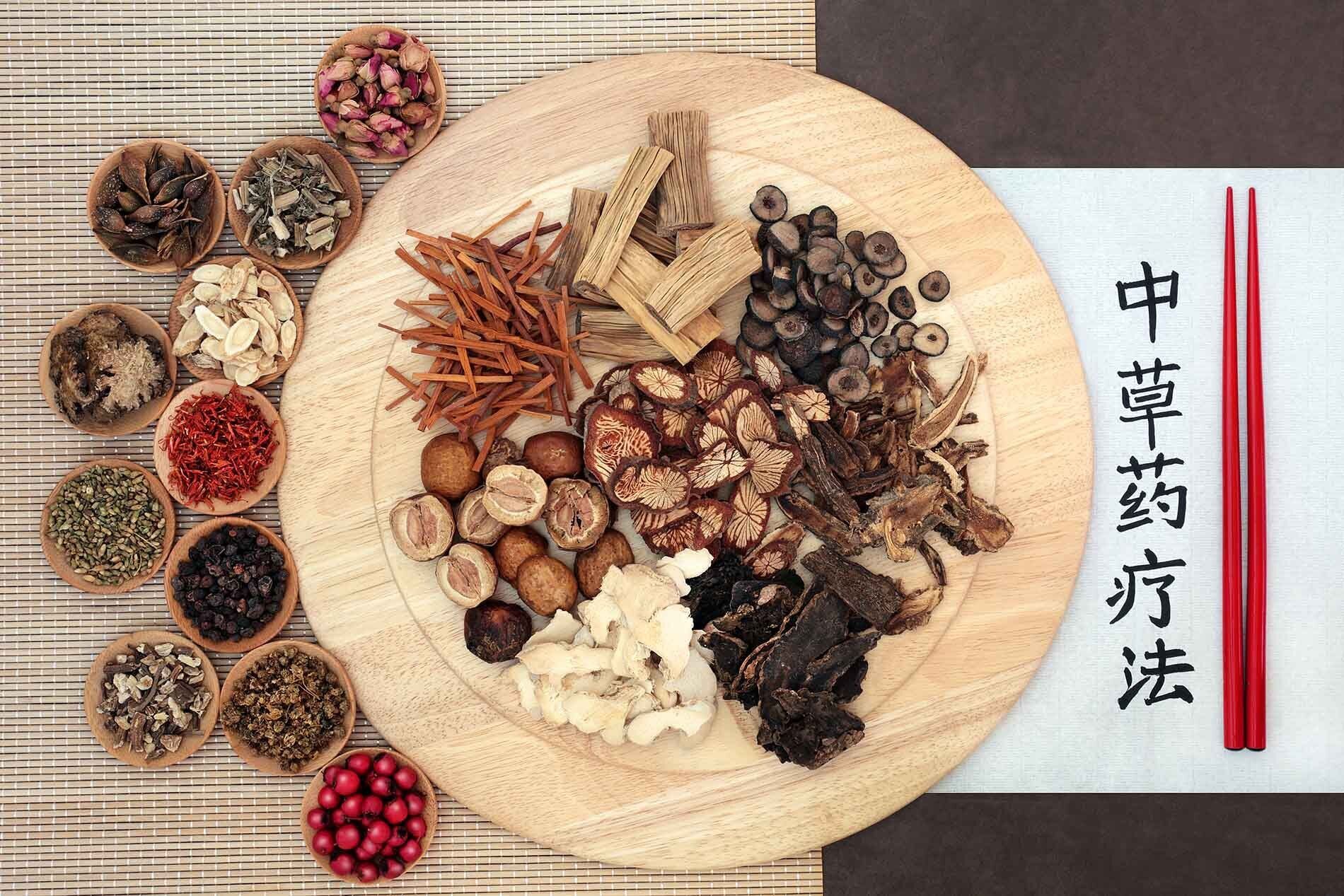
The Chinese pharmacopoeia recommends several plants whose main actions are to drain and detoxify the body. The best known are:
-
Ge gen (Kudzu), which stimulates the elimination of toxins.
-
Ye ju hua (Indian chrysanthemum), which stimulates the eliminating functions and purifies the respiratory tract.
-
Niu bang gen (Burdock), which purifies the skin of toxins, especially on the face.
If your complexion looks wan and you notice spots on your temples, it may be due to an imbalance in the energy of the Liver, the organ responsible for the emotions. Perhaps you have been holding in frustration or anger for too long? To help you manage your emotions better and reduce stress, the Chinese pharmacopoeia offers:
-
Bai shao yao (White peony) to relax body and mind.
-
Chai hu (Bupleurum) to unblock Liver Energy and calm emotional troubles.
-
Shu Gan He Wei Wan, a formula whose action is to protect the Stomach and get Liver Qi flowing again.
Does your skin look dull and pale? Is it lacking radiance? This may be the result of weakness in the Heart and in Blood circulation. In this case, Chinese medicine recommends:
-
Sheng Mai Yin, a medicinal formula that strengthens heart health.
-
Dan shen (Red sage) to clean the arteries.
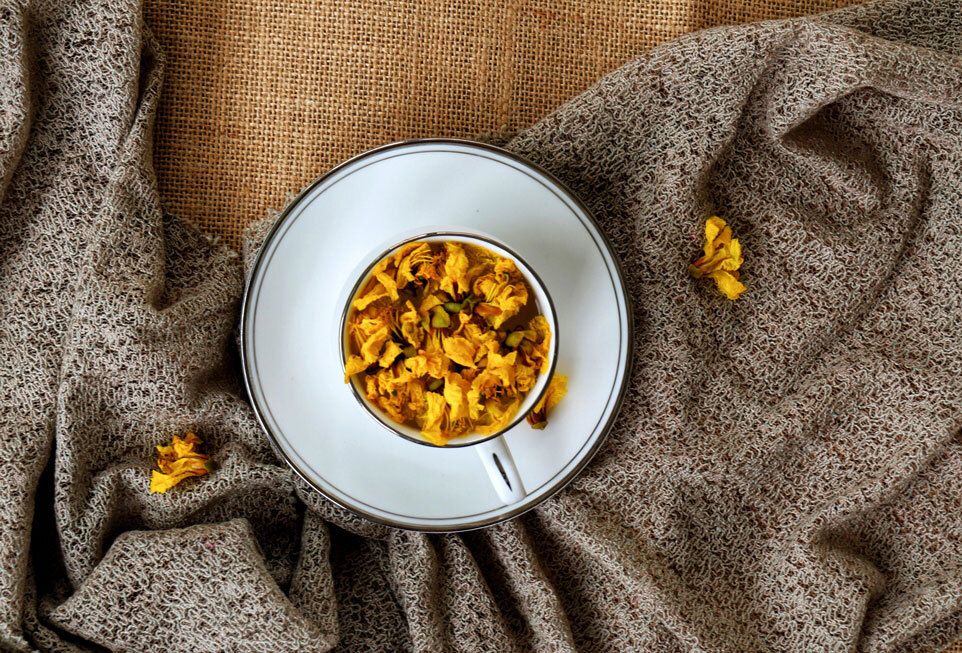
Do you have spots and dark marks that won't go away? This may be the result of a build-up of Phlegm due to the presence of Dampness. Phlegm blocks the circulation of Qi and Blood, which causes all kinds of disorders in the body. In this case, Chinese medicine suggests:
-
Chen pi (Tangerine peel), which dries Dampness and clears phlegm.
-
Pi pa ye (Loquat leaves), which help to clear phlegm and soothe the mucous membranes.
-
Dong kui zi (Chinese mallow), or curled mallow, an emollient, detoxifying and diuretic herbal tea. It drains excess water and reduces fat overload.
To prevent wrinkles from appearing and reduce the signs of ageing, many "solutions" and techniques have emerged in recent years. The Chinese pharmacopoeia, for its part, lists entirely natural ancestral remedies that have been regarded for centuries as Asia's greatest beauty secrets:
-
Zhen zhu fen (Pearl powder), used in China for thousands of years, is a true rejuvenating formula. It reduces skin imperfections and preserves the skin's radiance and youthfulness.
-
Wu Wei Xiao Du Yin (Detox herbal tea) purifies the skin in depth and protects it against the disruptive Wind-Heat duo.
-
Xue mu er (Snow fungus) significantly reduces cellular ageing and prevents the signs of age.
Aculifting, or acupuncture facelifts
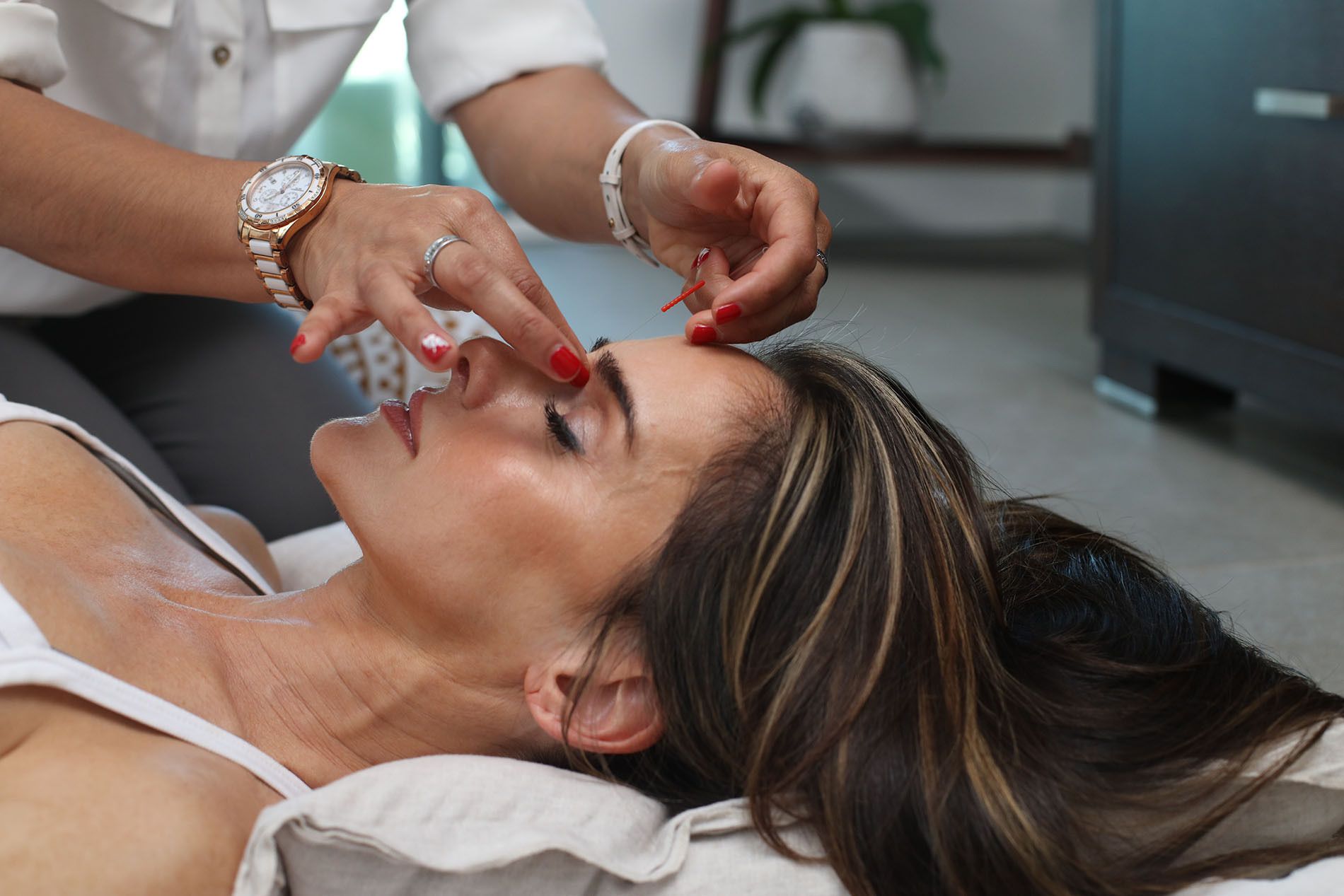
Wrinkles, spots, loss of firmness and sagging skin are among the first outward signs of skin ageing. These signs are largely due to changes in connective tissue resulting from a decrease in collagen production. Among the factors behind this deficit are stress and excess acidity in the body. What's more, the appearance of wrinkles points to a fall in hyaluronic acid, which gradually decreases in our tissues and contributes to the dehydration of the epidermis. In recent years, the facelift by acupuncture has become a very fashionable way to delay and prevent the signs of ageing. This treatment method is a gentle, non-invasive alternative. It is a risk-free, painless method without side effects that acts on the muscles and features of the face to instantly restore radiance and firmness to the skin.
After an energy assessment and a diagnosis of skin health with the acupuncturist, about twenty needles are placed on the facial skin muscles and on certain energy points of the body. This stimulates the microcirculation of the epidermis, reduces the depth and length of certain wrinkles and prevents them from appearing1.
Foods that support sun exposure
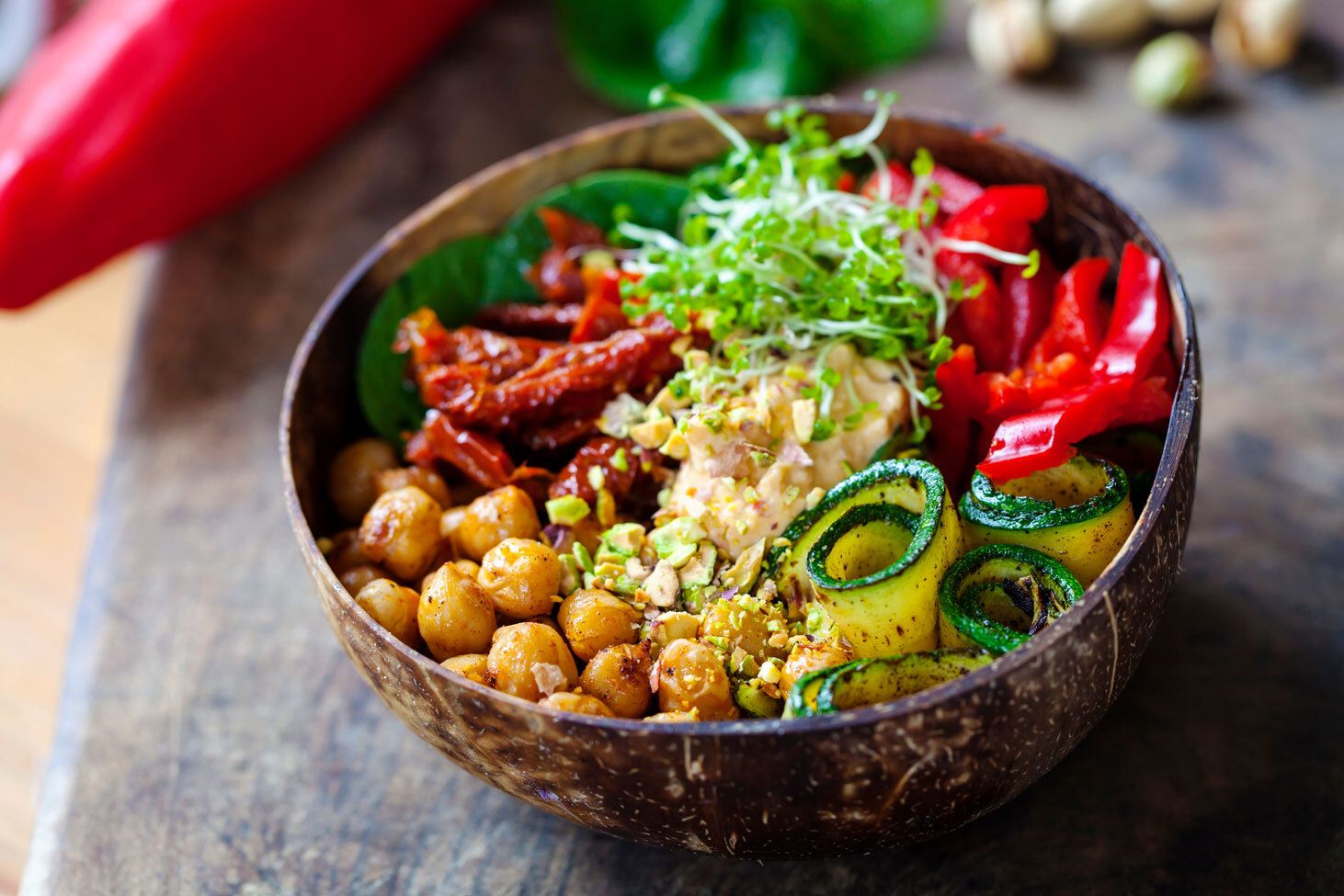
To improve UV tolerance and make the most of the summer sun's benefits, the ideal is to support your skin by giving it the nutrients that stimulate pigmentation.
Beta-carotene2 and lycopene3 are two powerful antioxidants from the carotenoid family that play an important role in the skin, eyesight and neurological function. They strengthen skin pigmentation and act against free radicals (responsible for cellular ageing). What's more, their photoprotective action on the epidermis protects us against erythema and sunburn.
Beta-carotene is found mainly in plant foods such as sweet potatoes, raw carrots, apricots, spinach, dandelion, etc. Lycopene is found in most red or pink foods: tomato, watermelon, grapefruit, guava, etc.
So, to preserve the skin's radiance, traditional Chinese medicine strongly recommends eating fruit and vegetables that are cool or warm in nature and sweet in flavour, rich in vitamins, minerals and fibre. Their tonifying action on the Spleen, Stomach and Large Intestine promotes the elimination of metabolic waste. They are often more digestible when given a short cooking time, for better absorption of nutrients. At the same time, they help the movement of Lung Qi and strengthen its energy, and so help to maintain healthy skin.
Sleep, breathing and physical activity
It's no secret any more: good sleep is the key to healthy skin. It is during sleep that the body's cells repair and regenerate, and that blood activity in the skin's small vessels is at its highest (between 11 pm and 4 am). Sleep is therefore essential for healthy skin and a radiant complexion. What's more, there is no doubt that regular exercise promotes the proper elimination of toxins and strengthens the pulmonary system. Qi Gong and Tai Chi are effective options, since they focus on harmonising Qi and mastering the breath.
As the outward sign of the state of our Qi and our organs, the health of our skin is precious and should be treated from the inside far more than from the outside. To slow skin ageing and maintain the beauty of the face naturally, Traditional Chinese Medicine is a major alternative. No more need for heavy-handed measures: for healthy, radiant, rejuvenated skin, let's apply TCM's advice and trust in nature's treasures.


