
Qingming jié 清明節 (also called the "Festival of the Dead", "Taqing" or "the Qingming Festival") is the festival during which Chinese people visit the graves of their deceased loved ones to pay tribute to them. It is considered one of the four most important festivals in China. Often compared to All Saints' Day (even though its origin is in no way religious) or to Halloween (without the costumes and the scary side), it is actually closer to the famous Mexican Day of the Dead (or Día de los Muertos).
Qing ming refers to one of the 24 solar terms of the Chinese lunar calendar. Translated as "pure" and "bright", it evokes the mild, pleasant weather of spring.
Qingming jié, a 2,500-year-old traditional festival, takes place 15 days after the spring equinox, that is between 4 and 6 April. This year, it is celebrated on the 5th.
The origin of Qingming Jie
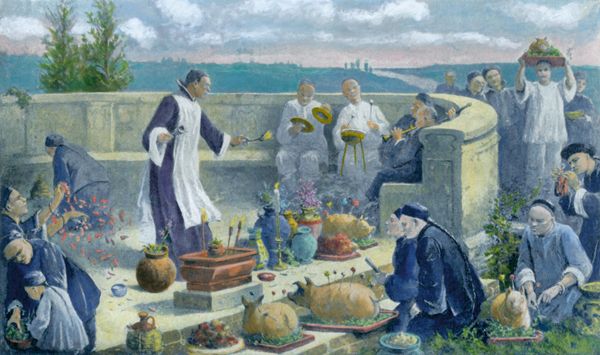
The Qingming Festival was born in Shanxi, in central China. According to legend, Qingming Jié is celebrated in honour of Jie Zitui, a Han lord who served Prince Chong'er of Jin during the Spring and Autumn period (770–474 BC).
When Lord Chong'er, the crown prince, was forced into exile, Jie Zitui decided to stay loyal to him and followed him. Loyal and devoted, Jie Zitui is said to have cut off a piece of his own flesh to feed his hungry lord.
Twenty years after his exile, Chong'er returned to his lands, where he was crowned duke. He set about thanking and rewarding everyone who had come to his aid. However, he forgot Jie Zitui, despite his great loyalty.
Disappointed and hurt, Jie Zitui withdrew into the forest with his mother and refused to appear at Court after the duke invited him to make amends for forgetting him. So Chong'er decided to go and find him. He went to the forest and, unable to find his faithful lord, ordered it to be set on fire to force Jie Zitui to come out. The fire burned for three days, and when it was put out, the burnt bodies of Jie Zitui and his mother were discovered.
Filled with regret, Chong'er banned all kinds of fire (even for cooking meals), forcing the Chinese to eat only cold food. To honour Jie's memory, he decreed that the day of his death would henceforth be called the Hanshi Festival (Cold Food Festival). Later, this festival would be renamed the Qingming Festival.
Practices & traditions around this festival
Current traditions
The traditions of the Qingming Festival are many and varied. While some have been lost over time, others have endured and are now unmissable.
Tomb sweeping (Săo mù)
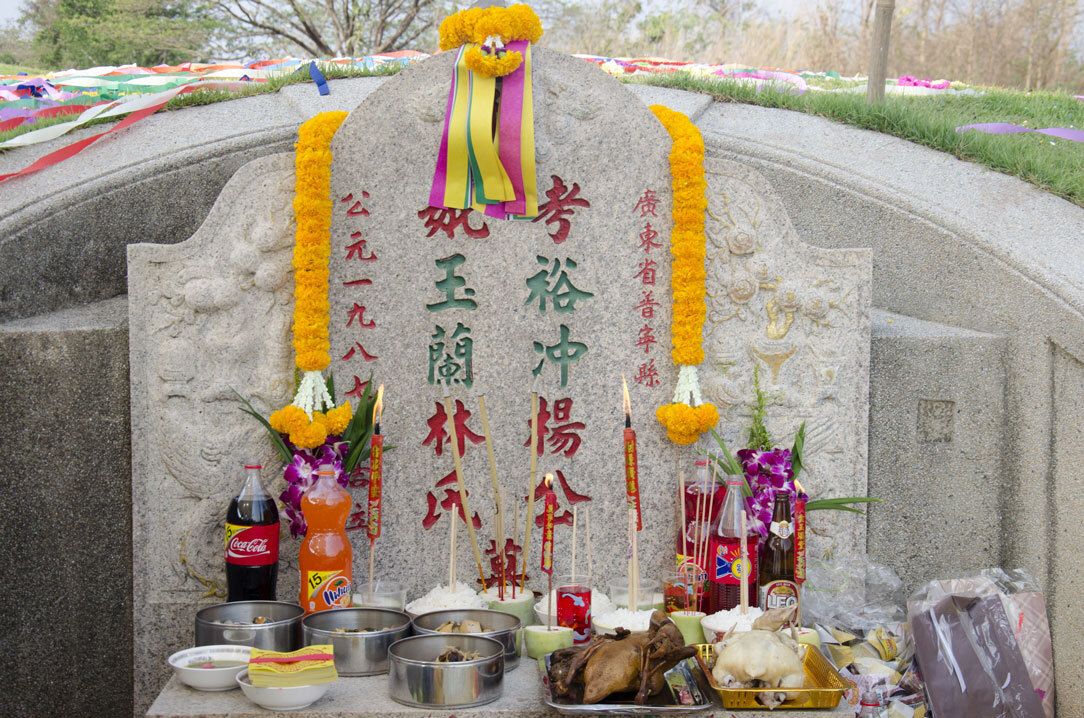
During Qingming jié, one of the main activities is cleaning and decorating the graves of the deceased. It is called Săo mù, which translates as "sweeping the tombs".
After cleaning the graves, family members lay offerings on them: cold food, fruit (the deceased's favourites), tea, wine, joss paper money (Zhĭ qián) and other personalised paper objects. All these offerings are meant to be burnt to make sure the ancestors don't go short of money or food in the realm of the dead.
Then the families burn incense sticks to summon the spirits and invite them to discover the offerings. Fireworks are also set off to frighten away evil spirits and announce the presence of the mourners.
Once all the rituals have been carried out, each family member, starting with the head of the family (usually the father), bows down in turn before the grave, three to nine times.
Kites

Another practice is flying kites, which can be seen in the sky during the day but also at night.
In the evening, small lanterns are tied to the kite string, and once in the sky they look like twinkling stars. Some people cut the string holding the kite to let it fly freely in the sky. It is said that this brings luck and health.
Ancient traditions
As well as paying tribute to the ancestors, Qingming jié is also a day that celebrates spring and the arrival of fine weather. The ancient traditions therefore consisted mainly of outdoor activities.
Cockfighting
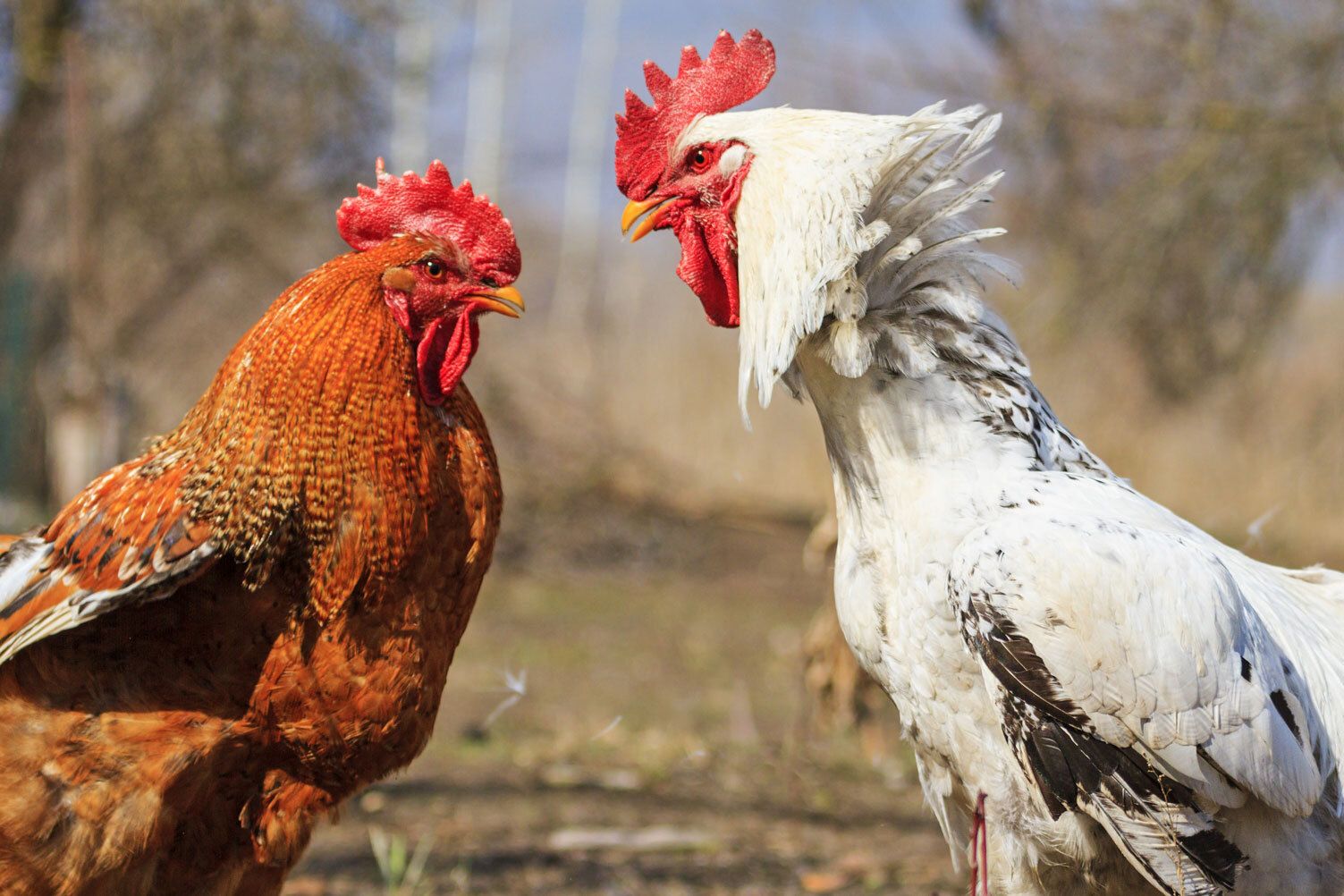
Among the ancient traditions that took place during the Qingming Festival, we can mention the famous cockfight. This fight pitted two fierce cockerels against each other, placed together in one spot so that they would fight. The birds fought until one killed the other and won. During this fight, whose aim was entertainment, it was customary to sprinkle the cockerels with water to keep them from tiring.
Playing cuju
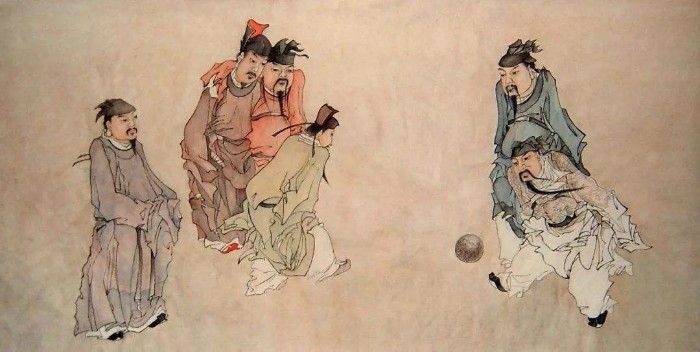
Playing cuju to celebrate the Qingming Festival is a tradition that goes back more than 2,000 years.
It is said that football was invented by the Yellow Emperor, who devised this exercise to train warriors. The first ball game resembling modern football was thus born in the Linzi region under the Zhou dynasty. Its name was cuju.
Originally made of leather and stuffed with feathers (under the Zhou dynasty), the ball the warriors played with was eventually replaced by an air-filled ball with a double-thickness skin (under the Tang dynasty). As Qingming marks the start of the fine weather, it's the ideal time to enjoy a game of cuju.
Hanging willow branches
Some people place willow branches on their front doors to keep wandering evil spirits away. As well as being considered the tree of immortality, the willow is believed to have the power to drive out demons.
Culinary traditions
The Qingming Festival doesn't only celebrate the ancestors. It is also a time rich in culinary traditions, around which families gather to share traditional dishes. While culinary traditions differ from one region to another, some dishes remain unmissable:
Qīng tuán (green dumplings)
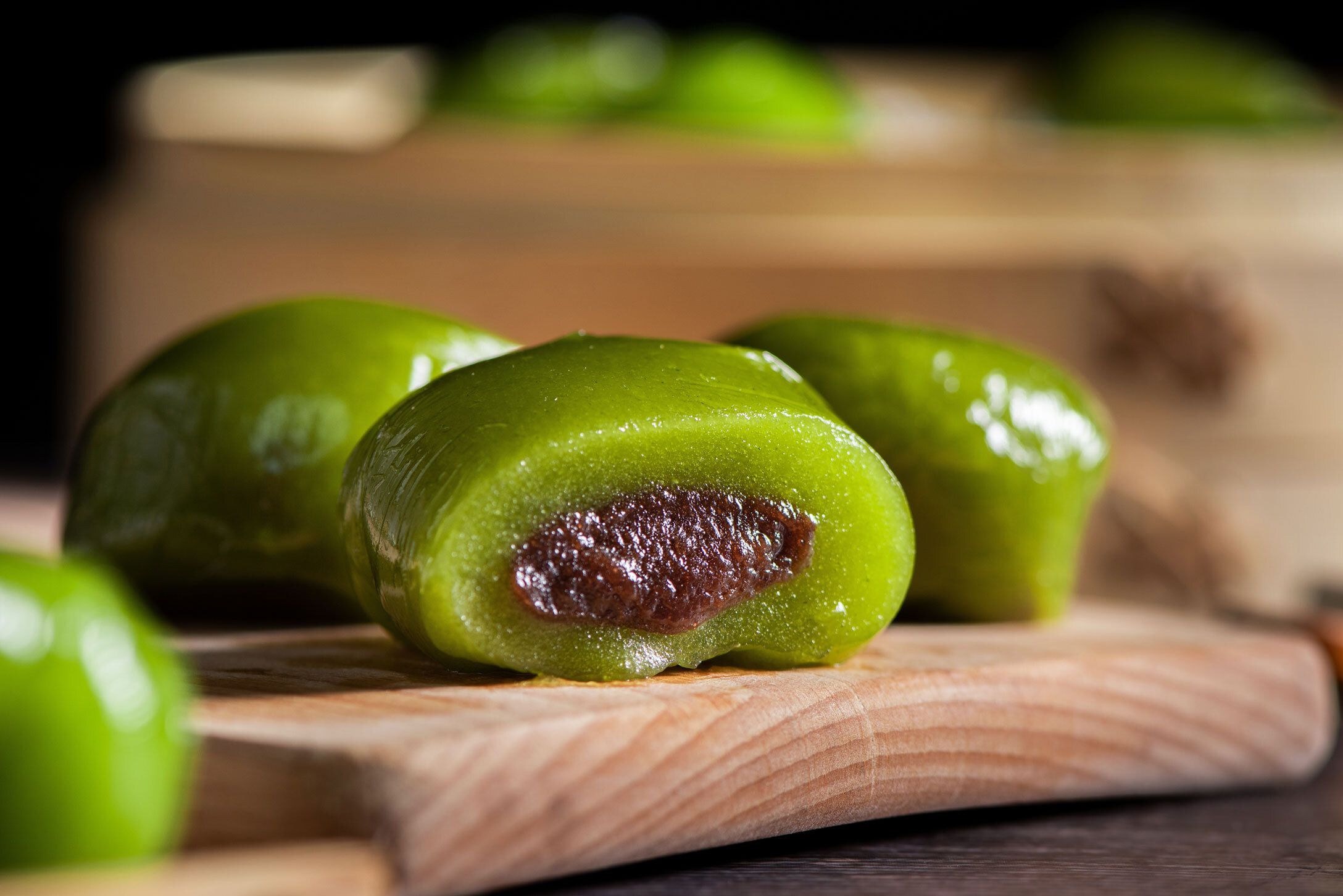
During the Qingming Festival, tradition has it that people eat Qīng tuán. These small, green, glutinous cakes are made from mugwort juice and rice flour. Before being steamed, the juice and flour are mixed to form a dough, which is filled with jujube purée or red bean paste. It is also common to make Qingming Guozi (Qingming dough). This is a green dough that looks like Qīng tuán. The preparation steps are similar, except that the plant used to make Qingming dough is Gnaphalium (cudweed).
Chinese snails
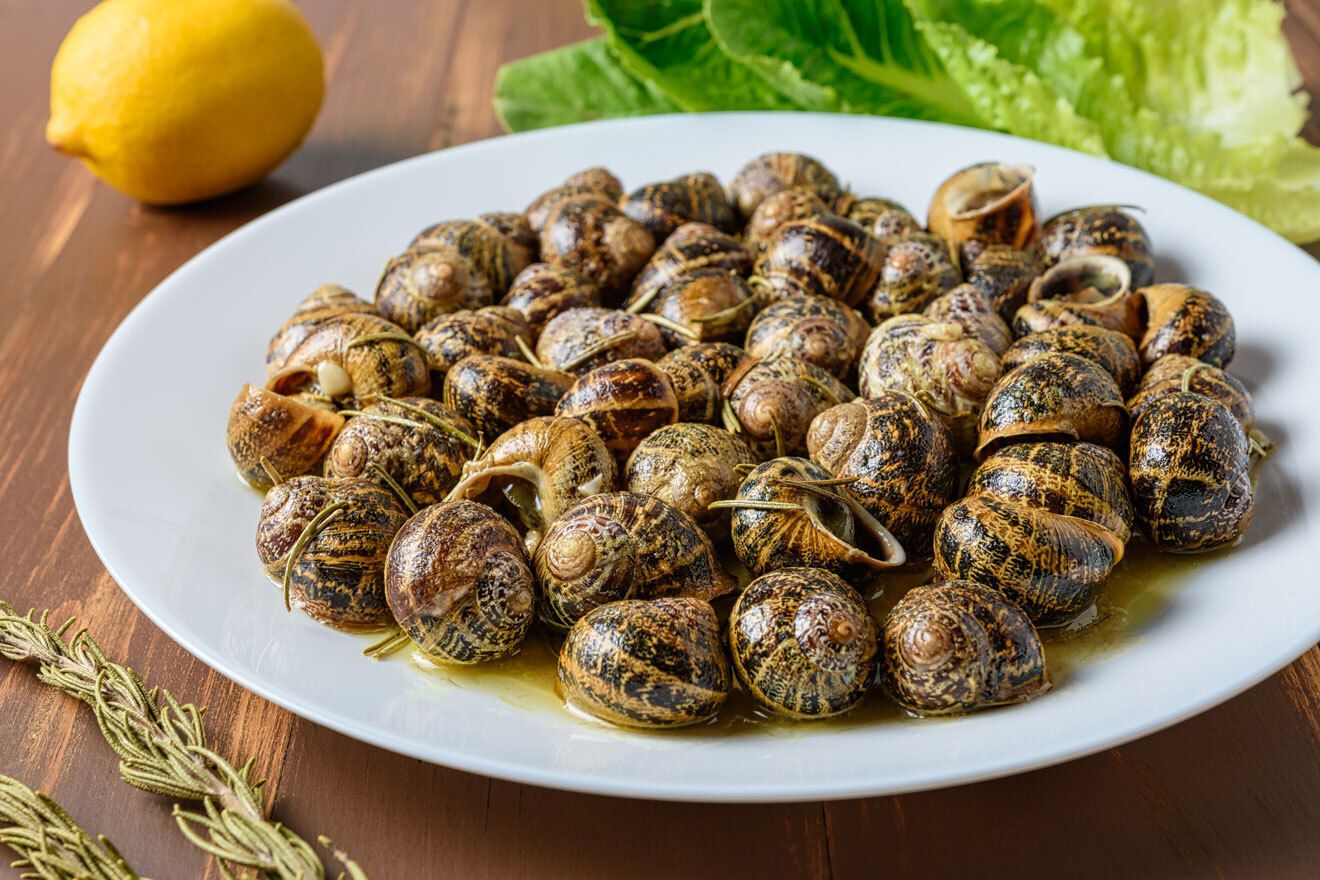
It is common to eat freshwater snails at this time of year, and they are particularly popular on the day of the Festival of the Dead. A delicious dish, the snails can be prepared in different ways: stir-fried, steamed or even mixed with alcohol without cooking… They are eaten without moderation!
Green tea
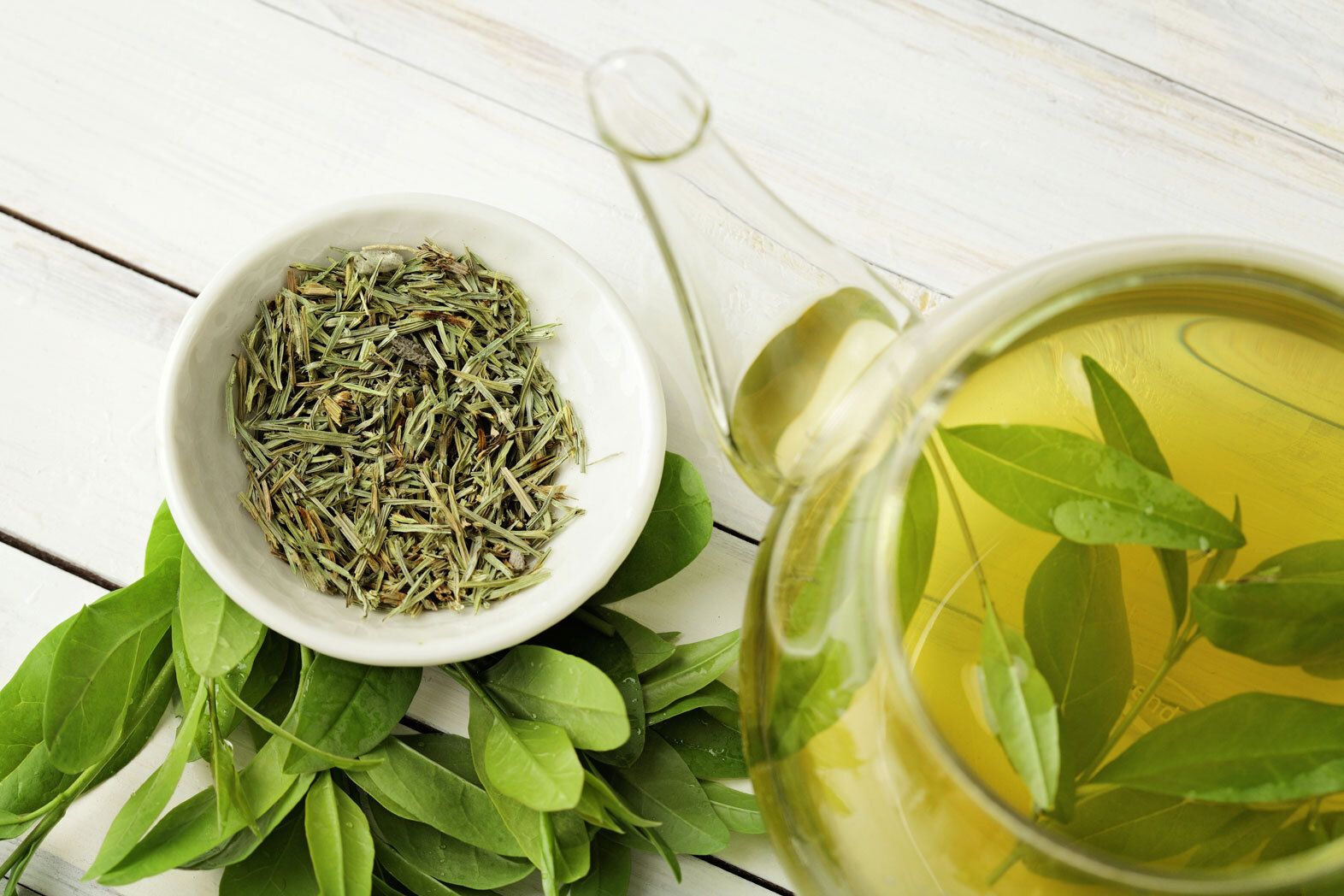
Green teas made from leaves picked before the Qingming Festival receive the prestigious pre-Qingming label and cost much more than those made from leaves picked after the festival. These teas are prized for their subtle, delicate aroma.
While the customs attached to the Chinese Festival of the Dead have endured through the centuries, it should be noted that this day has undergone some changes over time, particularly for Chinese people living abroad and for those who have neither the time nor the means to visit their loved ones' graves.
The country has thus seen many activities develop around Qingming jié: many providers now offer grave-maintenance services, and various applications (QR codes, platforms...) make it possible to pay virtual tribute to the deceased.
Qingming jié isn't simply a day devoted to the ancestors: it's a traditional family festival that celebrates spring and life. So most Chinese people take the opportunity to go for walks, get together, have fun and admire nature's awakening.
